
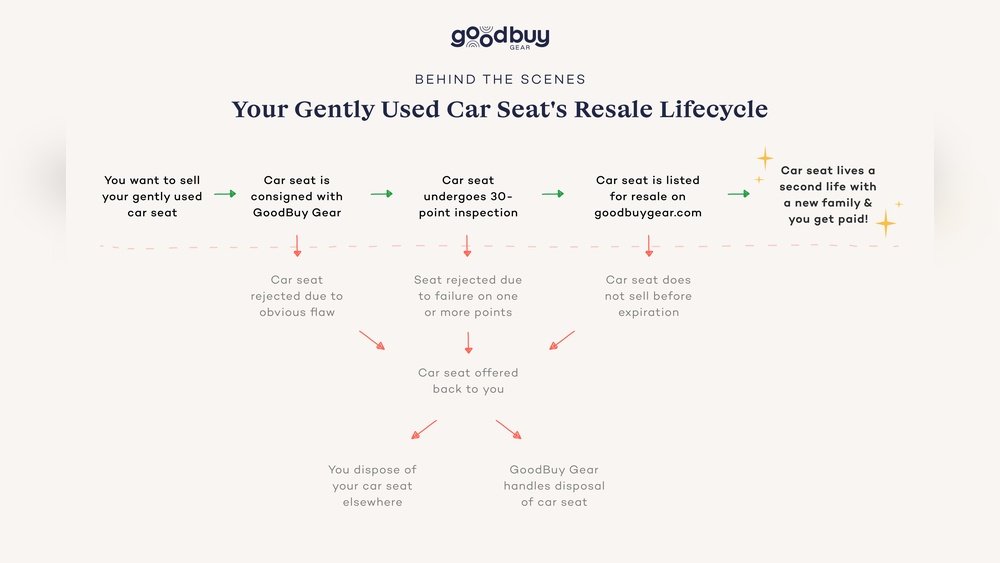
Are you wondering if you can sell a car seat and make some extra cash? Maybe you have a gently used car seat sitting unused in your garage, or you’re upgrading and want to know if it’s worth selling.
Before you jump in, there are important things you need to know to keep your family safe and avoid any legal issues. This guide will help you understand exactly what you should consider before selling a car seat. Keep reading to learn how to sell smart and protect both yourself and the next little passenger.

Credit: makeupmirror.ru
Legal Rules For Selling Car Seats
Selling a car seat requires careful attention to legal rules. These rules protect the safety of children. They also ensure that secondhand seats meet safety standards. Knowing these rules helps avoid fines and liability issues. It also keeps buyers safe and informed.
Expiration Dates To Check
Car seats have expiration dates. They usually last 6 to 10 years from manufacture. After this date, the materials can weaken. Safety features may no longer work properly. Check the label for the exact expiration date. Do not sell a car seat past this date.
Recalls And Safety Notices
Car seat recalls happen if there is a safety problem. Manufacturers notify owners to fix or replace seats. Check the seat’s model number online for recalls. Selling a recalled seat without repair can be illegal. Always inform buyers about any past recalls or fixes.
State-specific Regulations
Each state may have different rules for selling car seats. Some states ban selling used car seats entirely. Others require sellers to provide safety information. Check your state’s laws before selling. Follow local rules to avoid legal trouble.
Assessing Car Seat Condition
Assessing the condition of a car seat is important before selling it. A buyer wants to know the seat is safe and clean. Proper evaluation helps set a fair price. It also builds trust with potential buyers. Follow these steps to check the seat carefully.
Inspecting For Damage
Look closely for cracks in the plastic shell. Check for broken buckles or straps. See if the padding is worn out or torn. Damage can reduce safety and value. Small issues might be repairable but mention them clearly.
Verifying Cleanliness
Make sure the seat is free from stains and odors. Clean fabric and plastic parts thoroughly. Dirt and smells can turn buyers away. A clean car seat shows you cared for it. Use mild soap and water for cleaning.
Confirming Completeness Of Parts
Check that all parts are included. This means straps, buckles, and instruction manuals. Missing parts can make the seat unsafe. Buyers expect a complete and ready-to-use product. Keep all original accessories together for sale.
Cleaning And Preparing The Seat
Cleaning and preparing a car seat before selling it is very important. A clean seat looks nicer and shows buyers you care. It helps the seat look fresh and safe for the next user. Proper cleaning also keeps the seat in good shape.
Removing And Washing Covers
Start by taking off the seat covers carefully. Check the label for washing instructions. Use mild detergent and cold water to wash them. Avoid harsh chemicals that can damage the fabric. Let the covers soak a little if there are stains. Hand wash or use a gentle cycle in the washing machine.
Sanitizing Straps And Buckles
Straps and buckles need cleaning too. Use warm water with mild soap to wipe them down. Do not soak the straps in water; it can weaken the material. Clean the buckles carefully, removing dirt and grime. Use a soft brush or cloth to reach small areas. Sanitizing removes germs and keeps the seat safe.
Drying And Reassembling Properly
Dry all parts completely before putting the seat back together. Air dry the covers to avoid shrinking. Make sure straps and buckles are dry to prevent mold. Reassemble the seat following the instructions carefully. Check that all parts fit well and work correctly. A well-prepared seat looks ready for use.
Credit: www.copelandtoyota.com
Documenting Important Information
Documenting important information about a car seat is key before selling it. Clear records help buyers trust the product. They also prove the seat meets safety rules and is in good condition. Proper documentation protects both sellers and buyers.
Keeping The Manual
Keep the car seat manual safe. It shows how to use the seat correctly. Buyers want to see the manual for safety instructions. Manuals also include cleaning and maintenance tips. This adds value and trust to your sale.
Recording Purchase And Manufacture Dates
Write down the purchase date and manufacture date. These dates show the car seat’s age. Car seats expire after several years. Buyers need this info to check if the seat is still safe. Clear dates speed up the selling process.
Noting Safety Certifications
Check for safety certifications on the car seat. These marks prove the seat meets safety laws. Common certifications include JPMA, FMVSS, or ECE. Note these labels clearly for buyers. Certifications increase buyer confidence and help sell faster.
Setting A Fair Price
Setting a fair price for a car seat helps sell it faster and fairly. It ensures buyers feel confident and sellers get a good deal. Pricing too high can scare buyers away. Pricing too low might cause you to lose money. A balanced price reflects the seat’s true value and condition.
Researching Market Value
Check online sites where car seats sell. Look at prices for similar brands and models. Note prices of seats in similar condition. Use this data to find an average price. This gives a clear idea of what buyers expect.
Considering Age And Condition
Older car seats usually sell for less. Check for wear, stains, or broken parts. Clean seats can sell for higher prices. Missing parts or damage lowers the price. Always be honest about the seat’s condition.
Adjusting For Demand
Some car seats are more popular than others. High demand can raise the price a little. Low demand means you might need to lower the price. Seasonal changes affect demand too. Keep track of market trends for better pricing.
Where To Sell Safely
Selling a car seat can be safe and simple if done in the right place. Choosing a trusted platform helps protect you and the buyer. It also speeds up the sale process.
Safety matters most when selling items that hold children. Clean and clear photos help build trust. Honest descriptions about the seat’s condition keep buyers happy.
Online Marketplaces
Online marketplaces offer wide reach and easy listing options. Websites like eBay and Facebook Marketplace connect sellers to many buyers. These platforms provide tools to communicate safely and handle payments securely.
Check buyer ratings before agreeing to a sale. Avoid sharing personal information beyond what the site requires. Meet in public places if exchanging in person.
Local Classifieds
Local classifieds target buyers in your area. Newspapers or websites like Craigslist let you post ads for free or low cost. This method keeps the transaction nearby and simple.
Respond quickly to inquiries and set clear meeting spots. Prefer well-lit public locations such as parking lots or community centers. Carry a phone and inform someone about your meeting.
Community Groups And Forums
Parenting groups and local forums often welcome car seat sales. Members tend to trust each other more and share honest reviews. These groups create a safer buying environment.
Join groups related to your area or interests. Post detailed descriptions and photos to attract serious buyers. Always follow group rules and respect community guidelines.
Communicating With Buyers
Clear communication helps you sell a car seat faster and safer. Buyers want to feel sure about the product. You must provide honest details and answer their questions well. This builds trust and makes the sale smooth. Safety is important for car seats, so good communication is key.
Being Honest About History
Always share the full history of the car seat. Mention any accidents or damage, no matter how small. Buyers need to know if the seat is still safe. If the seat has never been in a crash, say so. Honesty shows you care about the buyer’s child safety.
Answering Common Buyer Questions
Expect questions about the seat’s age, model, and condition. Be ready to explain how you cleaned it and stored it. Talk about the expiry date and if all parts are included. Clear answers help buyers feel confident. Quick replies keep buyers interested.
Arranging Safe Exchanges
Choose a public place for the exchange, like a busy parking lot. Bring the car seat for the buyer to check. Meet during daylight hours for extra safety. Let someone know where you will be. This protects both you and the buyer during the sale.
Credit: blog.fieldlaw.com
Frequently Asked Questions
Can You Legally Sell A Used Car Seat?
Yes, you can sell a used car seat if it meets safety standards. Ensure it has no recalls, accidents, or damage. Always provide the original manual and clearly state its age and condition to the buyer.
When Should You Not Sell A Car Seat?
Do not sell a car seat if it is expired, damaged, or involved in an accident. Expired seats lose safety effectiveness. Selling unsafe seats risks children’s safety and can be illegal.
How Can I Verify A Car Seat’s Safety For Resale?
Check the manufacturer’s label for expiration dates and recall notices. Inspect for cracks, missing parts, or wear. Verify the seat has never been in a crash for safe resale.
Where Is The Best Place To Sell A Car Seat?
Sell a car seat on trusted online marketplaces, local parenting groups, or consignment stores. Choose platforms that allow clear descriptions and buyer reviews for a safe transaction.
Conclusion
Selling a car seat is possible but comes with important rules. Safety should be your top priority. Always check the seat’s condition and expiration date. Be honest about any damage or recalls. Buyers want clear information to trust your offer.
Clean the seat well before selling. Set a fair price based on the seat’s age and brand. Selling carefully helps protect children and builds buyer confidence. Think twice and follow guidelines to sell your car seat safely and easily.
