
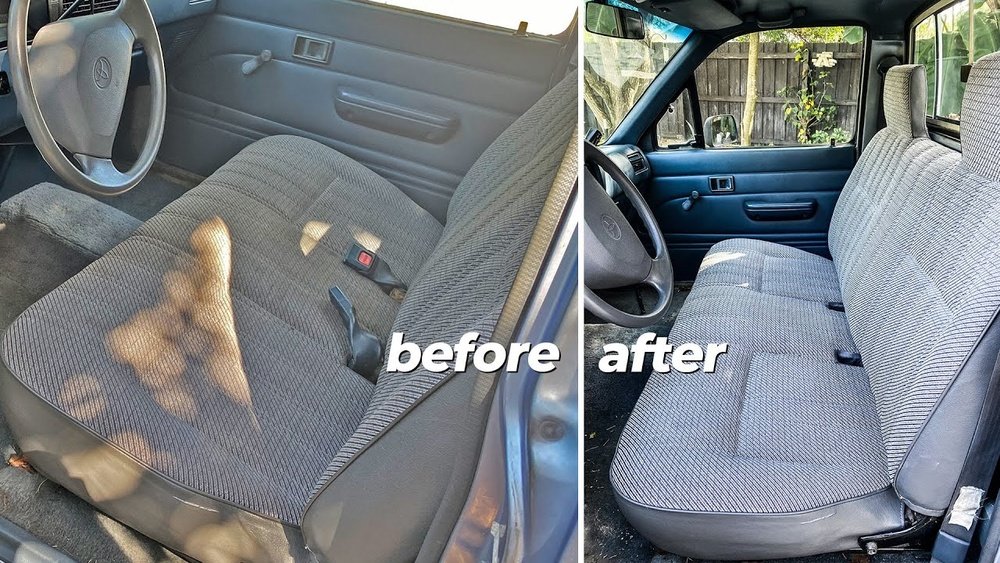
Are you wondering if you can wash your car seat covers in the washing machine without ruining them? Keeping your car seats clean is important, but you might worry about damaging the fabric or the fit.
What if there was a simple way to refresh your car’s interior quickly and safely? You’ll discover the truth about machine washing car seat covers, the best steps to follow, and tips to avoid common mistakes. Keep reading to protect your investment and keep your car looking fresh every day.

Credit: www.youtube.com
Types Of Car Seat Covers
Car seat covers come in many types. Each type has different care needs. Knowing the type helps you clean them right. Some covers can go in the washing machine. Others need gentle hand washing or special care. Understanding the material makes washing easier and safer.
Here are the most common types of car seat covers. Each has unique features and washing tips.
Fabric Covers
Fabric covers are soft and comfortable. They come in cotton, polyester, or a blend. These covers often have a removable design. Most fabric covers are safe to wash in the machine. Use cold water and a gentle cycle. Avoid bleach and strong detergents. Air dry to keep the shape and color.
Leather And Vinyl Covers
Leather and vinyl covers offer a sleek look. They feel smooth and are easy to wipe. Machine washing can damage these covers. Use a damp cloth and mild soap instead. Avoid soaking or scrubbing hard. Conditioning leather keeps it soft and cracks-free.
Neoprene And Synthetic Covers
Neoprene covers are thick and water-resistant. Synthetic covers include materials like nylon and polyester blends. Many neoprene and synthetic covers can go in the washer. Use cold water and a gentle cycle. Skip fabric softeners to keep water resistance. Air dry to maintain durability and fit.

Credit: www.seatcoversolutions.com
Washing Machine Safety
Washing car seat covers in a washing machine can save time and effort. But safety matters most to keep covers in good shape. Some covers handle machine washing well, while others do not. Knowing how to wash them safely helps avoid damage and extra costs.
Checking Manufacturer Instructions
Start by reading the care label on your seat covers. It tells if machine washing is allowed or not. Some covers need hand washing or dry cleaning only. Follow these instructions strictly to avoid ruining the material.
Assessing Machine Compatibility
Not all washing machines suit every type of seat cover. Front-load washers are gentler than top-loaders with agitators. Use a gentle or delicate cycle for better protection. Cold water helps keep colors and fabric strong.
Potential Risks To Covers
Machine washing can shrink, fade, or tear covers if not done right. Zippers and buttons might get stuck or broken inside the machine. Overloading the washer causes poor cleaning and more friction. Always use a laundry bag to protect the covers during washing.
Preparation Before Washing
Preparing car seat covers before washing saves time and prevents damage. It helps keep your covers clean and fresh without ruining the fabric. Taking small steps ahead makes the washing process easier and more effective.
Removing Loose Debris
Start by shaking the covers outside to remove dust and crumbs. Use a handheld vacuum or brush to clear dirt from corners and seams. This step stops loose debris from spreading inside the washing machine.
Spot Cleaning Stains
Check for stains like food or grease on the covers. Apply a small amount of mild detergent or stain remover directly to the spots. Gently rub with a soft cloth or brush before washing to improve stain removal.
Detaching Covers Properly
Remove the seat covers carefully following the car manual or tag instructions. Avoid pulling or forcing them off to prevent tearing. Make sure all zippers, buttons, or Velcro are undone before washing.
Credit: freesoo-auto.com
Washing Machine Settings
Setting your washing machine correctly is key to cleaning car seat covers safely. The right settings protect the fabric and keep the covers looking good. This section explains how to pick the best cycle, water temperature, and detergent for washing car seat covers.
Choosing The Right Cycle
Select a gentle or delicate cycle. These cycles use slower spin speeds and less agitation. They reduce stress on the fabric and seams. Avoid heavy cycles that can damage the cover material.
Use a short wash time if possible. This prevents over-washing and keeps the covers in shape longer. Always check the care label for any special instructions.
Water Temperature Guidelines
Cold water is best for most car seat covers. It cleans without shrinking or fading the fabric. Warm water can be used for heavily soiled covers but avoid hot water. Hot water may damage the fabric or cause colors to bleed.
Cold water also saves energy and helps protect the environment. It is gentle on the covers and safe for most materials.
Detergent Recommendations
Use a mild liquid detergent. Harsh detergents can break down fabric fibers and colors. Avoid bleach or fabric softeners, as these can weaken the cover material.
Measure detergent carefully. Too much soap leaves residue that attracts dirt. Too little may not clean the covers well. Choose detergents labeled safe for delicates or sensitive fabrics.
Drying Car Seat Covers
Drying car seat covers properly is important after washing. It helps keep them looking good and lasting longer. Choosing the right drying method stops damage and keeps the fabric strong. Take time to dry covers carefully for best results.
Air Drying Vs Machine Drying
Air drying is gentle and safe for most car seat covers. Hang covers or lay them flat in a well-ventilated area. Avoid direct sunlight to stop colors from fading. Machine drying is faster but can be harsh on fabrics. High heat and tumbling may shrink or weaken covers. Check the care label to see if machine drying is allowed.
Avoiding Heat Damage
Heat can cause car seat covers to shrink or lose shape. Use low or no heat settings if using a dryer. Remove covers promptly to avoid wrinkles. Keep plastic or leather parts away from heat to stop melting. Protect the fabric by drying slowly and carefully.
Proper Reshaping And Reinstallation
After drying, reshape covers while still damp. Smooth out wrinkles and stretch fabric gently. Make sure all corners and seams fit properly. Reinstall covers tightly to avoid slipping. Proper fit keeps your seats protected and looking neat.
Alternative Cleaning Methods
Car seat covers need regular cleaning to stay fresh and last longer. Washing machines can be risky for some covers. There are other ways to clean them safely. These alternative methods help keep your seat covers neat without damage.
Hand Washing Techniques
Hand washing is gentle and effective. Use mild soap and warm water for best results. Soak the cover briefly, then scrub lightly with a soft brush or cloth. Rinse well to remove all soap. Let the cover air dry completely before use. This method keeps fabrics safe and clean.
Professional Cleaning Services
Professional cleaners know how to handle different materials. They use special tools and solutions to remove stains and dirt. This service is good for tough stains or delicate fabrics. It saves time and effort. Plus, it reduces the risk of damage from home cleaning attempts.
Using Cleaning Sprays And Wipes
Cleaning sprays and wipes are quick fixes. Choose products made for car interiors or fabric. Spray lightly and wipe with a soft cloth. These products remove dust, spills, and light stains easily. They keep your seat covers looking fresh between deep cleans. Always test a small area first to avoid discoloration.
Tips For Maintaining Seat Covers
Keeping car seat covers clean and well-maintained helps protect your seats. Proper care extends their life and keeps your car interior fresh. Follow simple steps to maintain your seat covers effectively.
Regular Cleaning Routine
Remove loose dirt by vacuuming the covers weekly. Spot clean stains with mild soap and water. Avoid harsh chemicals that can damage fabric. Washing covers in a machine depends on the material. Check the care label before machine washing. Air dry covers to prevent shrinking.
Protecting From Sun And Spills
Use sunshades to block strong sunlight. Sun exposure can fade and weaken fabric. Wipe spills immediately to stop stains. Use a cloth or paper towel to blot liquids. Avoid rubbing spills deeper into the fabric. Consider water-resistant covers for extra protection.
When To Replace Covers
Replace covers if they show tears or heavy wear. Faded or stretched covers lose their fit. Damaged covers do not protect seats well. Replace covers to keep your car looking neat. Choose durable materials for longer use.
Frequently Asked Questions
Can All Car Seat Covers Be Machine Washed?
Not all car seat covers are machine washable. Check the care label first. Some materials require hand washing or spot cleaning to avoid damage.
What Washing Settings Are Best For Car Seat Covers?
Use a gentle cycle with cold water. Avoid harsh detergents and bleach. This helps preserve fabric integrity and colors.
How Do I Dry Car Seat Covers After Washing?
Air drying is safest to prevent shrinking. Avoid direct sunlight and high heat from dryers. Lay flat or hang to dry.
Can Washing Damage Car Seat Covers?
Improper washing can cause fabric shrinkage or color fading. Always follow care instructions to maintain cover quality.
Conclusion
Washing car seat covers in the machine saves time and effort. Always check the care label before washing. Use gentle cycles and mild detergent for best results. Avoid high heat to prevent damage or shrinking. Dry covers flat or hang them to air dry.
Clean covers keep your car fresh and comfortable. Simple care helps your seat covers last longer. Now you know how to keep them clean safely. Easy steps make washing seat covers stress-free. Give your car a clean look today.
