
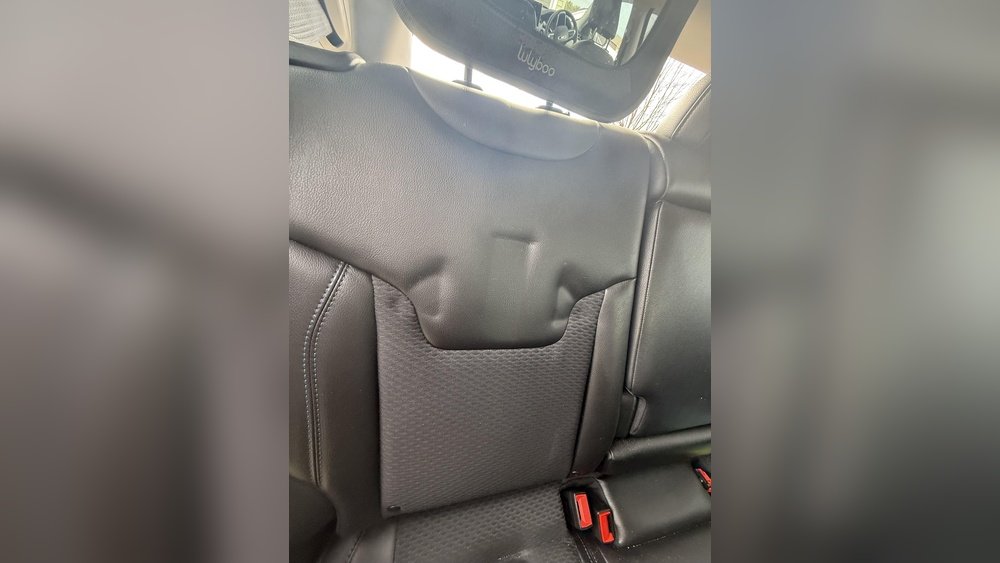
Are you worried that using a car seat might harm your leather interior? You’re not alone.
Many car owners wonder if their precious leather seats will get scratched, stained, or worn out because of car seats. The truth might surprise you. Understanding how car seats interact with leather can save you money and keep your car looking fresh.
Keep reading to discover the facts and simple tips to protect your leather while keeping your little one safe.

Credit: x3.xbimmers.com
Impact Of Car Seats On Leather
Car seats and leather surfaces often share the same space inside vehicles. Understanding their interaction helps protect your car’s interior. Leather, a luxurious material, can face damage from car seats. This damage appears as scratches, stains, or fading. Daily use increases the risk of wear and tear on leather seats. The type of car seat and its materials play a key role in this impact.
Types Of Car Seats And Materials
Car seats vary widely in design and material. Common types include infant car seats, booster seats, and regular seats with covers. Materials range from plastic and metal to fabric and foam padding. Hard plastic edges can scratch leather surfaces easily. Fabric covers may trap dirt and cause stains. Foam padding can compress leather, causing indentations. Each material affects leather differently, influencing how much damage occurs.
Leather Vulnerabilities To Wear And Tear
Leather is strong but not invincible. It is vulnerable to scratches from sharp objects or rough edges. Constant friction from moving car seats wears down the leather surface. Spills and dirt can stain and discolor the leather. Sunlight exposure fades leather over time, making damage more visible. Heat dries out leather, causing cracks and brittleness. Proper care reduces these problems and extends leather life.
Common Causes Of Leather Damage
Leather seats in cars look great and feel soft. But they can get damaged over time. Many things cause this damage. Knowing these causes helps you protect your leather better. Below are the most common reasons leather gets harmed in cars.
Friction And Pressure Points
Leather wears out where there is constant rubbing. Seat belts, moving in and out, and heavy bags cause friction. This rubbing creates pressure points that weaken leather fibers. Over time, these spots can crack or tear. Avoid sharp objects on the seat to reduce damage.
Spills And Stains From Seat Covers
Seat covers can trap spills and dirt against leather. Liquids like juice or coffee soak into the leather if not cleaned quickly. Some seat covers do not breathe well, holding moisture inside. This moisture can cause stains and make leather stiff. Clean spills fast to keep leather safe.
Sunlight And Heat Exposure
Sunlight dries out leather, making it brittle and faded. Heat from the sun breaks down leather oils that keep it soft. Long exposure causes cracks and color loss. Use sunshades or park in shade to reduce heat damage. Regular conditioning also helps leather stay flexible.
Signs Of Leather Damage
Leather car seats add style and comfort to any vehicle. They are strong but not indestructible. Over time, car seats can show signs of wear and damage. It is important to spot these signs early. This helps protect your leather and keep your car looking good. Below are common signs of leather damage caused by car seats.
Cracking And Fading
Leather may start to crack due to dryness or stress. Cracks usually appear in areas with frequent pressure. Fading happens from sun exposure or friction. The leather loses its original color and looks dull. Both cracking and fading reduce the leather’s lifespan.
Discoloration And Stains
Car seats can leave marks on leather surfaces. Discoloration may occur from dyes or spills. Stains from food, drinks, or dirt may also appear. These spots are hard to remove and change the leather’s look. Clean stains quickly to avoid permanent damage.
Loose Or Worn Seams
Seams hold the leather pieces together. Over time, seams may loosen or wear out. This happens from constant pressure or poor stitching. Loose seams cause the leather to sag or tear. Repairing seams early prevents bigger problems later.
Credit: www.reddit.com
Preventive Measures
Protecting leather seats from damage caused by car seats requires some simple steps. These preventive measures help keep the leather clean and free from scratches. Taking care early saves money and effort later. Use these tips to maintain your car’s interior in great condition.
Choosing The Right Seat Covers
Select seat covers designed for leather protection. Look for soft materials that do not scratch the leather surface. Covers with padding reduce pressure and prevent indentations. Waterproof covers keep spills away from leather. Choose covers that fit snugly and do not slip around. A good cover acts as a barrier between the car seat and leather.
Regular Cleaning And Conditioning
Clean leather seats often to remove dirt and dust. Use a soft cloth and mild cleaner made for leather. Avoid harsh chemicals that dry out leather and cause cracks. After cleaning, apply a leather conditioner to keep the surface soft. Conditioning helps maintain leather’s natural oils and prevents stiffness. Regular care slows down wear and extends seat life.
Proper Installation Techniques
Install car seats carefully to avoid shifting and rubbing. Follow the car seat manufacturer’s instructions exactly. Tighten straps properly so the seat does not move during travel. Place soft padding between the car seat and leather if needed. Check the seat’s position regularly to ensure it stays secure. Correct installation reduces friction that can damage leather.
Repairing Damaged Leather
Leather car seats can get damaged over time from car seats or daily use. Fixing the damage quickly can stop it from getting worse. Repairing leather helps keep your car looking nice and saves money.
There are two main ways to repair damaged leather. You can try fixing it yourself or use a professional service. Both options have their benefits and costs.
Diy Repair Kits
DIY repair kits are easy to find online or in stores. They come with tools and instructions to fix small tears and scratches. These kits usually include leather glue, color compounds, and sandpaper.
Using a kit takes patience and careful work. It works best for minor damage like small cracks or holes. These kits can save money but need time and a steady hand.
Professional Restoration Services
Professional services offer expert repair for leather seats. They handle deep cuts, large tears, and severe wear. Experts use special tools and materials to match your leather’s color and texture.
Restoration by professionals costs more but gives better results. The work lasts longer and keeps your car seat looking new. This choice suits serious damage or if you want perfect repairs.
Maintaining Leather Longevity
Leather car seats add style and comfort. Keeping them in good shape takes effort. Maintaining leather longevity ensures your seats stay soft and strong. It protects against damage from daily use and car seats.
Routine Care Tips
Clean leather regularly with a soft cloth. Use mild soap and water for stains. Avoid harsh chemicals that dry out leather. Condition the seats every few months. Conditioning keeps leather flexible and prevents cracks. Wipe spills immediately to stop stains. Vacuum gently to remove dirt and dust. Small care steps prevent big damage later.
Environmental Considerations
Leather reacts to heat and sunlight. Park in shade or use sunshades to reduce damage. High temperatures can dry and fade leather. Cold weather can make leather stiff and brittle. Keep leather away from sharp objects to avoid scratches. Moisture and humidity can cause mold or mildew. Use a breathable cover if storing your car for long. Protecting leather from the environment extends its life.

Credit: apexautopros.com
Frequently Asked Questions
Can Car Seats Harm Leather Car Interiors?
Car seats can cause wear on leather if improperly installed or without protection. Constant friction and pressure may lead to scratches or discoloration. Using protective covers or pads helps preserve leather quality and extends its lifespan.
How To Protect Leather From Car Seat Damage?
Protect leather by using car seat protectors or cushions designed for leather seats. Clean seats regularly with leather-safe products to prevent dirt buildup. Avoid sharp objects or rough materials that could scratch or tear the leather surface.
Does Child Car Seat Damage Leather Seats?
Child car seats may cause indentations or scuffs on leather due to straps and pressure points. Proper installation and protective padding reduce damage risk. Frequent cleaning and conditioning of leather seats help maintain their appearance despite usage.
Are All Leather Types Equally Affected By Car Seats?
Different leather types vary in durability; some are more resistant to wear. Full-grain leather is tougher, while bonded leather is more prone to damage. Knowing your leather type helps choose appropriate protective measures against car seat damage.
Conclusion
Car seats can cause wear on leather over time. Small scratches and pressure marks may appear. Using seat covers helps protect the leather surface. Regular cleaning and conditioning keep leather soft and strong. Avoid sharp objects near the car seat area.
Taking simple steps extends your leather’s life. Enjoy your car’s interior looking fresh and neat. Protect your investment with easy daily care. Leather remains beautiful when treated with care. Simple habits make a big difference in preservation.
