
Have you ever wondered if your car seat is still safe after an accident? You might think it looks fine, but the truth could be hidden beneath the surface.
Your child’s safety depends on more than just a quick visual check. Knowing when and why car seats need to be replaced can protect your little one from unseen dangers. Keep reading to find out exactly what you should do to keep your family safe on the road.
When To Replace Car Seats
Knowing when to replace a car seat after an accident is very important. Safety is the main concern. Some accidents cause hidden damage that can make the seat unsafe. Other times, the seat may look fine but is no longer strong enough to protect a child. Understanding the signs and rules helps you decide if a new seat is needed.
Impact Severity And Damage
Car seats must protect children from crashes. A strong hit can weaken the seat. Even small accidents can cause unseen damage. If the crash was severe, replace the seat right away. Minor impacts might not need replacement, but check carefully. Never take risks with safety.
Manufacturer Guidelines
Every car seat brand has clear rules about crashes. Follow the instructions in the manual. Some seats must be replaced after any crash. Others only after big impacts. Contact the manufacturer if unsure. They provide the best advice for your seat’s safety.
Visible Signs Of Wear
Look for cracks, broken parts, or bent frames. Check the harness and buckles too. Frayed straps or damaged clips mean replacement time. Even small damages can reduce protection. Regularly inspect the seat to keep your child safe.
Types Of Accidents Affecting Car Seats
Car seats protect children during travel, but accidents can affect their safety. Different types of collisions impact car seats in various ways. Understanding these helps decide if a car seat needs replacement.
Damage may not always be visible, but it can weaken the seat’s structure. Knowing the accident type guides parents and caregivers in making the right choice.
Minor Collisions
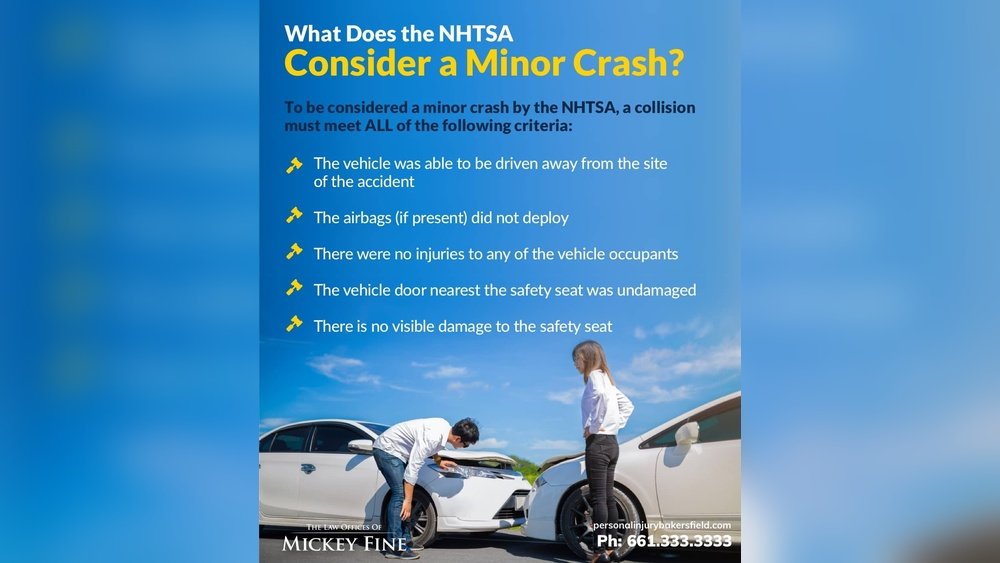
Minor collisions usually involve low speeds and small impacts. Car seats may show little or no visible damage. Manufacturers often advise checking carefully for cracks or broken parts. Even small damage can reduce protection during another crash.
Major Crashes
Major crashes involve high speeds and strong forces. Car seats often suffer significant damage in these accidents. Cracks, broken buckles, or bent frames are common signs. Such damage makes the seat unsafe to use again. Experts strongly recommend replacing the car seat after a major crash.
Side And Rear Impacts
Side and rear impacts affect car seats differently than front crashes. These impacts can cause hidden damage to the seat’s structure. Damage may weaken the harness or the shell. Even if the seat looks fine, it may not protect well in another accident. Careful inspection or replacement is advised after side or rear collisions.
Safety Risks Of Using Damaged Car Seats
Using a damaged car seat can put your child’s safety at risk. Car seats are designed to protect children during crashes. Damage can reduce their ability to do this. It is important to understand the safety risks involved.
Compromised Structural Integrity
Car seats rely on strong frames to absorb crash forces. Damage can weaken this structure. Cracks or bends make the seat less safe. The seat might break during an accident. This increases the chance of injury.
Reduced Protection Features
Car seats have built-in safety features like harnesses and padding. Damage may affect how these parts work. Straps might not tighten properly. Padding could be compressed or torn. These changes lower the seat’s protection level.
Potential For Hidden Damage
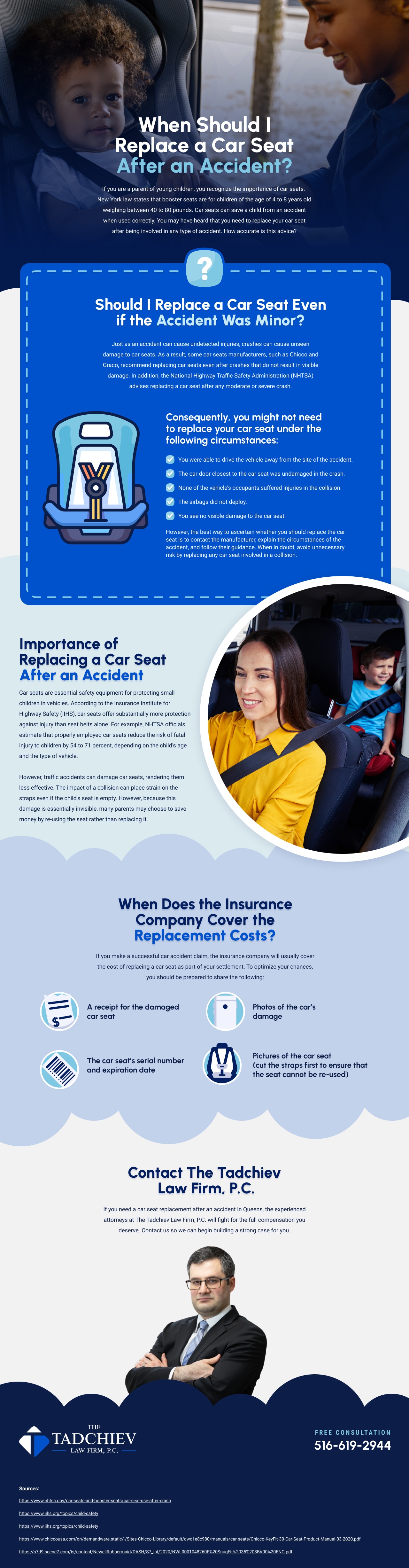
Not all damage is visible. Internal parts can be broken or cracked. This hidden damage is dangerous. It can cause the seat to fail in a crash. Experts recommend replacing seats after any crash.
Credit: tadchievlaw.com
How To Inspect Your Car Seat After A Crash
After a car accident, checking your child’s car seat is very important. Even small damage can make it unsafe. Careful inspection helps decide if you need a new seat or if the old one is still safe. Follow these steps to check your car seat properly after a crash.
Checking For Cracks And Breaks
Look closely at the car seat’s plastic shell. Check all sides, front, back, and bottom. Tiny cracks or breaks can weaken the seat’s strength. Even small damage can cause failure in another crash. Do not use the seat if you find any cracks or breaks.
Examining Harness And Buckles
Inspect the harness straps for cuts, frays, or damage. Make sure the straps are not twisted or worn out. Test the buckles to see if they latch securely and release smoothly. Broken or stuck buckles must be replaced or the seat should be discarded.
Assessing Installation Components
Check the base, connectors, and attachments used to install the seat. Look for bent metal parts or broken plastic clips. Make sure all parts fit tightly and hold the seat firmly. Loose or damaged installation parts can make the seat unsafe.
Manufacturer Recall And Replacement Policies
Manufacturer recall and replacement policies play a key role after a car accident. These policies help parents and caregivers know when to replace a car seat. Following the right steps ensures your child’s safety and peace of mind. Understanding these policies can save time and avoid confusion.
Contacting The Manufacturer
Start by contacting the car seat manufacturer directly. They provide clear guidance on whether the seat needs replacement. Keep your car seat model number and purchase date ready. The manufacturer may offer repair, replacement, or safety advice. Always use the official phone number or website for contact.
Using Car Seat Registration
Register your car seat after purchase to stay updated on recalls. Registration helps manufacturers notify you about safety issues quickly. Without registration, you might miss critical information. Check your registration status on the manufacturer’s website. This step is simple but very important for child safety.
Understanding Warranty Coverage
Car seats come with warranties that cover defects and accidents. Review your warranty terms carefully after an accident. Some warranties cover free replacement or repair in certain cases. Keep your receipt and warranty information safe for claims. Knowing your warranty rights helps you act fast and save money.

Credit: saferide4kids.com
Proper Disposal Of Old Or Damaged Car Seats
Proper disposal of old or damaged car seats is essential for safety and the environment. Car seats damaged in an accident should never be reused. They may look fine but can fail in a crash. Knowing how to dispose of them correctly helps protect other children and the planet.
Local Disposal Regulations
Each area has rules for disposing of car seats. Check with your local waste authority before throwing one away. Some places ask you to take car seats to special drop-off points. Others allow disposal with regular trash but with specific preparation steps. Following these rules keeps your community safe and clean.
Preventing Reuse By Others
Old car seats can be dangerous if reused. Mark the seat clearly by cutting the straps and removing padding. Write “Do Not Use” on the seat with a permanent marker. This stops others from using a seat that may fail in a crash. Safety must come first for every child.
Eco-friendly Disposal Options
Many materials in car seats can be recycled or repurposed. Look for local recycling programs that accept car seats. Some organizations dismantle seats to reuse plastic and metal parts. Donating undamaged parts to these programs reduces waste. Proper disposal helps protect the environment for future generations.
Additional Safety Tips For Car Seat Use
Car seats save lives, but using them correctly matters too. Extra care keeps your child safe every trip. Follow these tips to boost safety and comfort in your car seat.
Small steps make a big difference in protecting your child.
Correct Installation Techniques
Place the car seat firmly in the vehicle. Check if it moves less than an inch side to side. Use the seat belt or LATCH system for tight installation. Follow the car seat manual closely. The angle must support your child’s head and neck well.
Regular Maintenance Checks
Inspect the car seat often for cracks or wear. Clean the straps and buckles to keep them working smoothly. Replace any broken parts right away. Keep the car seat out of direct sunlight to avoid damage. Tighten all fasteners before each trip.
Choosing The Right Seat For Your Child
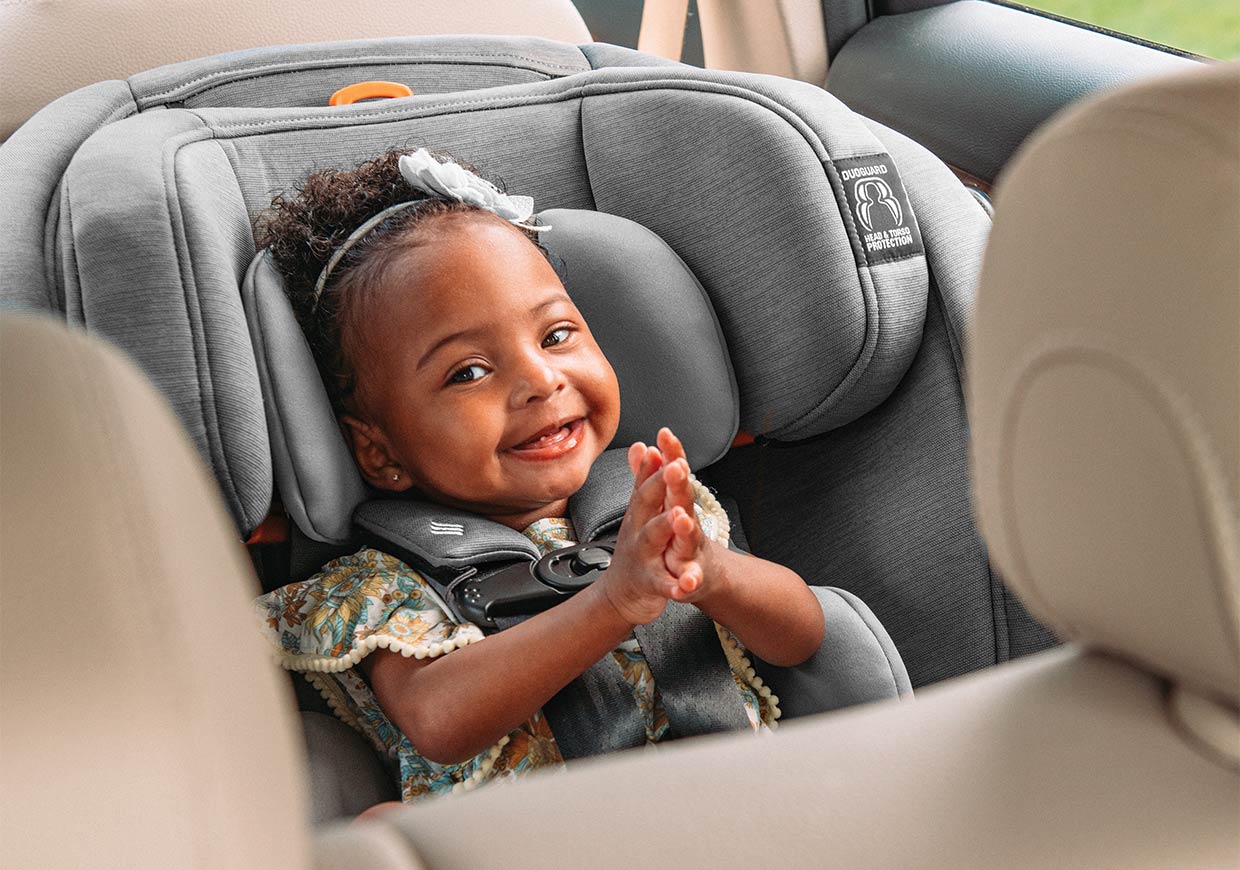
Pick a car seat that fits your child’s age, weight, and height. Rear-facing seats protect babies best. Switch to forward-facing only when your child meets size limits. Booster seats help older kids use seat belts properly. Always follow safety guidelines for each stage.
Credit: www.chiccousa.com
Frequently Asked Questions
Do Car Seats Always Need Replacement After An Accident?
Yes, car seats should be replaced after any accident. Impact can damage internal parts, reducing safety effectiveness during future crashes.
How Do I Know If My Car Seat Is Damaged?
Check for visible cracks, broken straps, or bent frames. If unsure, consult the manufacturer or a certified technician for inspection.
Can A Car Seat Be Safely Reused After A Minor Crash?
Most manufacturers recommend replacement regardless of crash severity. Even minor impacts can weaken the seat’s structure and safety features.
What Happens If I Don’t Replace A Car Seat After A Crash?
A compromised car seat may fail to protect your child. This increases injury risk in subsequent accidents, making replacement crucial for safety.
Conclusion
Car seats protect children during car rides. After an accident, they may have hidden damage. Always replace a car seat involved in a crash. Safety is the top priority for every family. Using a damaged seat can risk a child’s life.
Check the car seat manual for specific advice. Trust only certified experts if unsure. Remember, a new car seat means safer travels ahead.
