
Have you ever wondered if you need to replace your car seats after an accident? It’s a question many drivers face but few know the answer to.
Your car seats are more than just places to sit—they play a crucial role in keeping you and your loved ones safe. After a crash, even if the damage isn’t obvious, those seats might not protect you the way they used to.
You’ll discover when replacing your car seats is necessary and when it might be okay to keep them. Understanding this could save your life or the lives of those you care about. Keep reading to learn what you need to know to make the right choice.
Credit: tadchievlaw.com
When To Replace Car Seats
Knowing when to replace car seats after an accident is very important for child safety. Car seats protect children during crashes, but their safety can be compromised after impact. It is not always obvious if a seat needs replacement just by looking at it. Understanding key factors helps make the right choice.
Impact Severity And Damage
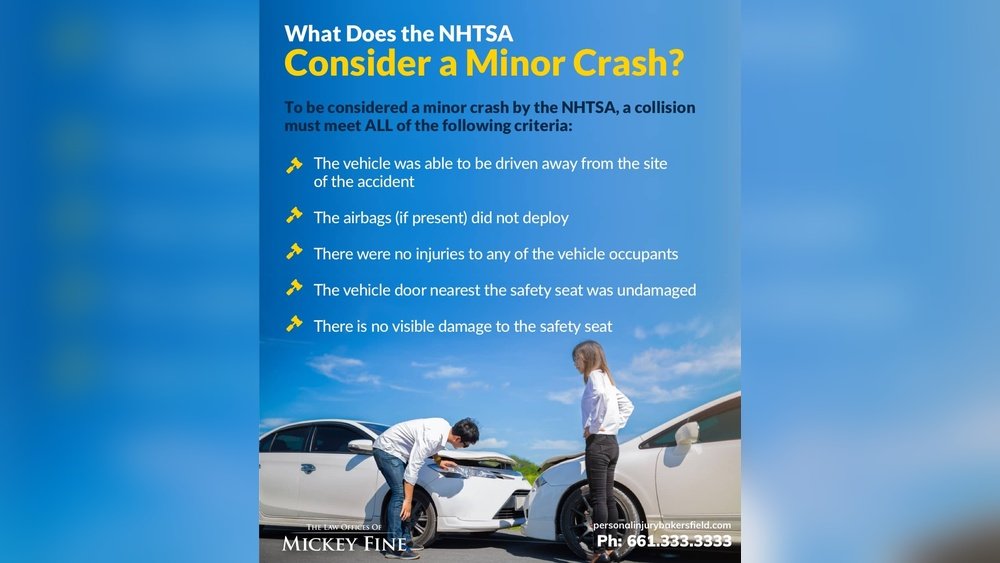
The force of the crash affects the car seat’s safety. A minor fender-bender might not damage the seat. But a strong impact can harm the seat’s structure and padding. Even small cracks or bent parts can reduce protection. Always check for damage after any crash. If the impact was strong, consider replacing the seat.
Manufacturer Guidelines
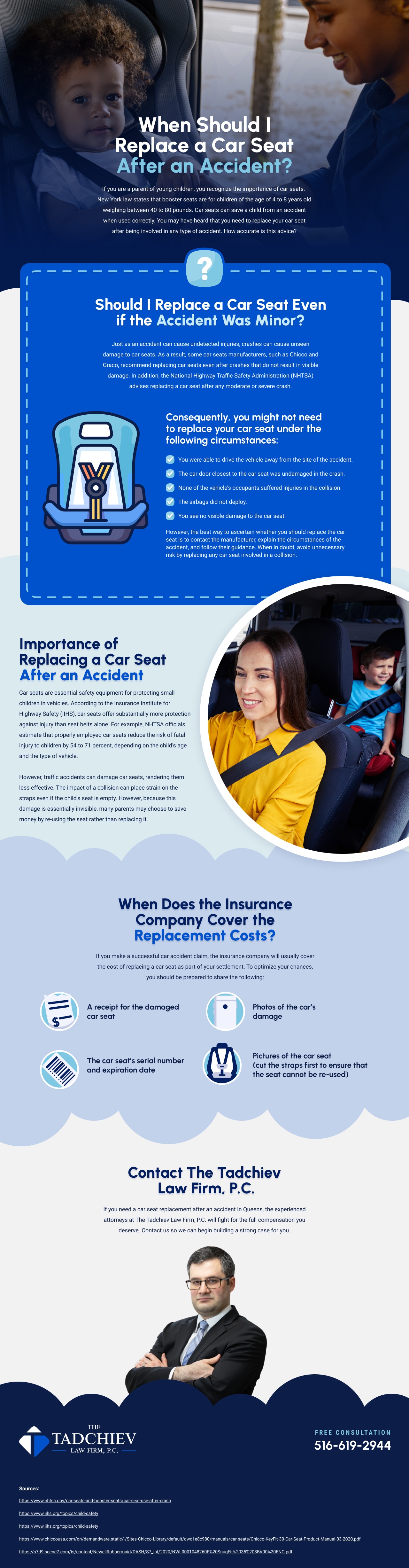
Car seat makers provide clear rules about crashes. Most say to replace the seat after a moderate or severe accident. Some recommend replacement after any crash. Follow the instructions in the user manual carefully. The manufacturer knows best how the seat performs after impact.
Visible Signs Of Wear
Look for cracks, broken parts, or stretched straps. Damage to the seat shell or harness means less protection. Worn or frayed straps can fail in a crash. Check for missing labels or expiration dates too. Any visible damage is a sign to replace the seat. Safety should never be compromised.

Credit: saferide4kids.com
Types Of Car Seats And Replacement Rules
Car seats protect children during car rides. Different types of car seats serve different age groups and sizes. Each type has rules about when to replace it after an accident. Knowing these rules helps keep your child safe.
Car seat manufacturers and safety experts recommend replacing seats after moderate or severe crashes. Minor bumps might not need replacement, but it is safer to check carefully.
Infant Car Seats
Infant car seats are for babies up to about one year old. They face the rear of the car. These seats have a handle and are often used as carriers. After any crash, even a small one, replace infant seats. The plastic and safety parts can break without visible damage. Never use an infant seat in another car after a crash.
Convertible Car Seats
Convertible car seats grow with your child. They start rear-facing for babies and switch to forward-facing for toddlers. After a crash, check for cracks or broken parts. Replace the seat if you find any damage or if the crash was serious. The safety labels often say when to replace. Using a damaged convertible seat puts your child at risk.
Booster Seats
Booster seats help older children use the car’s seat belt properly. They do not have built-in harnesses. Booster seats are less likely to need replacement after a minor crash. Still, inspect the seat for cracks or loose parts. Replace booster seats after a moderate or severe accident. It is best to follow the manufacturer’s advice to stay safe.
Safety Standards And Regulations
Car seats protect children during a crash. Safety standards and regulations guide their use and replacement. These rules ensure seats remain effective after an accident. Understanding these standards helps parents make the right choice.
Federal Safety Requirements
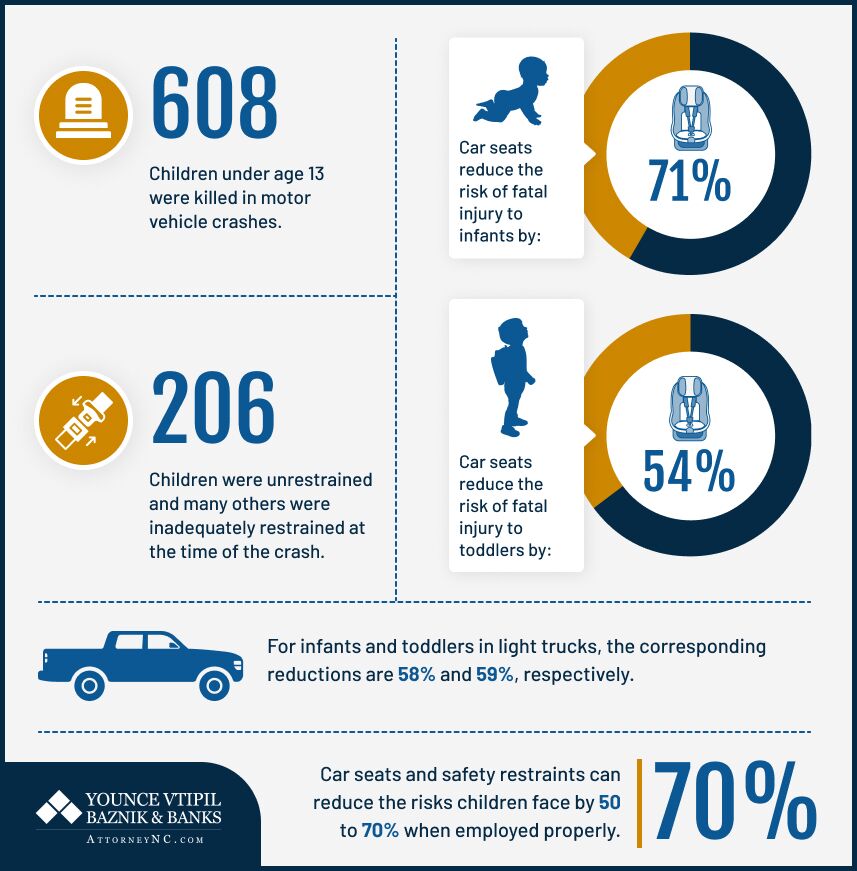
The National Highway Traffic Safety Administration sets strict rules for car seats. Seats must pass crash tests to meet these rules. After a moderate or severe crash, most seats should be replaced. The plastic can weaken, reducing protection in future crashes. Labels on car seats often state if replacement is needed after a crash.
Insurance Company Policies
Insurance companies may have rules about car seat replacement. Some cover the cost of a new seat after an accident. Others require proof the seat was damaged or used during the crash. Check your policy to understand what is covered. Reporting a crash quickly can help with claims.
How To Inspect A Car Seat After A Crash
Knowing how to inspect a car seat after a crash is very important. It helps keep your child safe. Car seats can look fine outside but have hidden damage. A careful check can spot problems that you might miss. Follow these simple steps to check your car seat after an accident.
Checking For Cracks And Damage
Look closely at the car seat shell. Check for any cracks or breaks. Cracks can weaken the seat and make it unsafe. Don’t forget to check the base if it has one. Even small damage can be dangerous. If you find any cracks, replace the car seat.
Harness And Strap Condition
Inspect the harness and straps carefully. Look for frays, cuts, or worn spots. Make sure the buckles click and release properly. Straps should not be stretched out or loose. Damaged straps may fail during a crash. Replace the car seat if the harness or straps show damage.
Expiration Dates
Check the car seat’s expiration date. It is usually found on a sticker or molded into the plastic. Car seats expire because materials weaken over time. Using an expired car seat can be unsafe. Do not use a car seat past its expiration date, especially after a crash.
Cost And Options For Replacement
Replacing a car seat after an accident can feel costly. Many parents wonder about the best way to replace it without spending too much. Knowing the options helps make a smart choice. New and used car seats have different prices and safety features. Understanding recalls and discounts can also save money. Here is a clear look at the cost and options for replacement.
Buying New Vs. Used Seats
New car seats offer the latest safety technology. They come with full warranties and have never been in accidents. New seats cost more, but they provide peace of mind. Used seats are cheaper but carry risks. You cannot always know if a used seat was damaged. Safety experts often advise against used seats after a crash. Used seats may also be missing parts or have expired. Choosing between new and used depends on your budget and safety needs.
Car Seat Recalls And Discounts
Car seat recalls happen when a model has safety problems. Checking for recalls before buying is important. Many manufacturers offer discounts on replacement seats after a recall. Retailers sometimes run sales or promotions on car seats. Signing up for email alerts can help catch discounts early. Some programs provide free or low-cost car seats to families in need. These options reduce the cost without compromising safety.
Credit: www.attorneync.com
Preventive Measures And Best Practices
Taking care of your car seat can keep your child safe and save money. Using the right methods helps avoid damage and ensures the seat works well after an accident. Follow these simple steps to protect your investment and your child’s safety.
Proper Installation Tips
Install the car seat tightly using the seat belt or LATCH system. Check for movement by pushing the seat at the base. Less than one inch of movement is safe. Always read the car seat manual and the car’s manual. Position the seat at the correct angle for your child’s age and size. Double-check every buckle and strap before each ride.
Regular Maintenance
Clean the car seat regularly to avoid wear and tear. Use mild soap and water for cleaning. Avoid harsh chemicals that can weaken the seat material. Inspect straps and buckles for damage every month. Replace parts if they show signs of wear. Keep the seat free from sharp objects that can cause tears.
Crash Reporting And Documentation
After any accident, note the details of the crash. Record the date, time, and severity of the impact. Keep photos of the seat and the car interior. Report the crash to the car seat manufacturer. Follow their advice about seat replacement or repair. Store all documents for insurance or future reference.
Frequently Asked Questions
Do Car Seats Need Replacement After Minor Accidents?
Yes, many manufacturers recommend replacing car seats after any crash. Even minor impacts can damage internal components, affecting safety. Always check the car seat manual and manufacturer guidelines before deciding.
How Do I Know If My Car Seat Is Damaged?
Inspect for visible cracks, dents, or broken parts after an accident. Check the harness and buckles for proper function. If unsure, consult a professional or manufacturer for advice.
Can Reused Car Seats Still Protect Children Effectively?
Reusing car seats involved in crashes is risky. Structural damage may not be visible but can reduce protection. It’s safer to replace the seat to ensure maximum safety for your child.
Are All Car Seats Required To Be Replaced After An Accident?
Most manufacturers advise replacement after moderate or severe crashes. Minor fender benders might not require it, but always verify with the car seat’s manual or manufacturer guidelines for safety.
Conclusion
Car seats protect children during accidents. Even small crashes can damage them. Damaged seats may not keep kids safe. Always check the seat after any impact. Many experts say to replace seats after a crash. Safety should never be taken lightly.
Using a damaged seat is risky. New seats ensure better protection. Trust only seats that meet safety rules. Keep your child safe on every ride. Your child’s safety is worth the cost. Don’t wait to replace a car seat. Safety first, always.
