
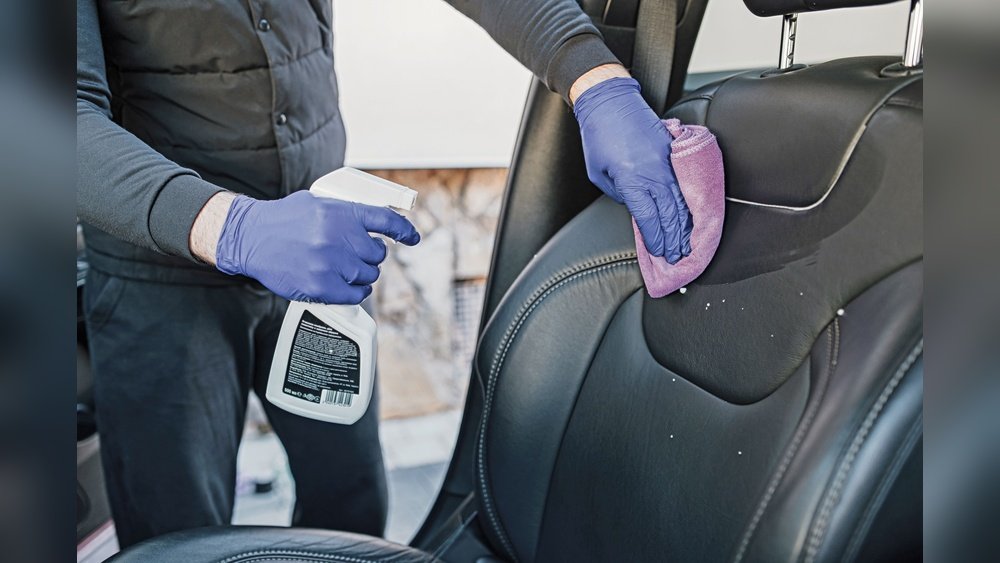
Are your leather car seats looking dull or stained? You want them to stay clean and fresh, but you’re not sure where to start.
Cleaning leather can feel tricky because you don’t want to damage the material or leave unwanted marks. The good news is, with the right steps, you can easily restore your seats to their original shine. In this guide, you’ll discover simple, effective ways to clean your leather car seats and keep them looking great for years to come.
Ready to give your car that fresh, new feel? Let’s dive in!
Credit: www.youtube.com
Choosing The Right Cleaner
Choosing the right cleaner for leather car seats is important. The cleaner affects how well the seats stay clean and last longer. Using the wrong product can damage the leather, making it dry or cracked. This section explains different types of leather cleaners and safe options for your car seats.
Types Of Leather Cleaners
Leather cleaners come in many forms. Some are sprays, others are creams or wipes. Each type works differently depending on the leather kind. Look for cleaners made specifically for automotive leather. These are gentle and designed to protect the material. Avoid harsh cleaners meant for other surfaces like fabric or plastic.
Homemade Cleaning Solutions
Simple homemade cleaners can work well on leather seats. Mix equal parts water and white vinegar for a mild solution. Use a soft cloth to apply it gently on the seat. Another option is a few drops of mild soap in water. Always test any homemade cleaner on a small hidden area first to avoid damage.
Avoiding Harmful Products
Some products can harm leather seats badly. Avoid bleach, ammonia, and alcohol-based cleaners. These dry out leather and cause cracks. Also, avoid rough scrubbing tools that can scratch the surface. Choose soft cloths and gentle cleaners to keep leather soft and smooth.
Preparing The Seats
Preparing leather car seats is the first step in cleaning them properly. This stage helps protect the leather from damage during cleaning. Proper preparation also makes the cleaning process more effective. It ensures dirt and grime do not spread or get deeper into the leather.
Removing Loose Dirt
Start by removing loose dirt from the seats. Use a soft brush or a vacuum with a brush attachment. Gently brush or vacuum the surface and seams. This removes dust, crumbs, and small debris. Removing loose dirt prevents scratches during cleaning.
Testing Cleaner On A Small Area
Before applying any cleaner, test it on a small hidden spot. Use a soft cloth to apply a small amount. Wait a few minutes and check for color changes or damage. This test ensures the cleaner is safe for your leather. Avoids unexpected stains or fading during full cleaning.
Cleaning Process
Cleaning leather car seats takes care and patience. The process helps keep the leather soft and looking new. Follow these steps to clean without damage. Use the right tools and gentle methods. This protects the leather’s natural texture and color.
Applying Cleaner Gently
Choose a cleaner made for leather. Avoid harsh chemicals that dry out the material. Apply a small amount of cleaner on a soft cloth. Dab the cleaner onto the seat gently. Do not pour cleaner directly on the leather. Spread it evenly in small sections. Let the cleaner sit for a minute. This loosens dirt without rubbing hard.
Using Soft Brushes And Cloths
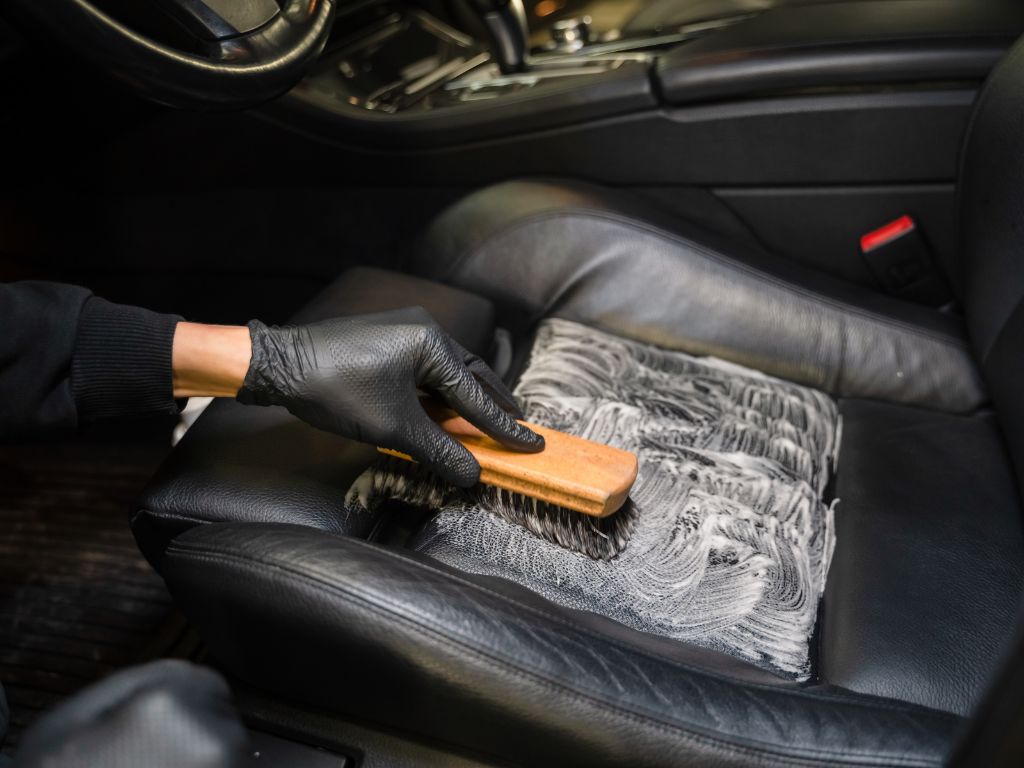
Use a soft brush to clean textured leather. Brush lightly in circular motions. This lifts dirt from tiny crevices. For smooth leather, use a microfiber cloth. Wipe the surface gently to avoid scratches. Change to a clean cloth as needed. Keep the pressure low to protect the seat.
Dealing With Tough Stains
Tough stains need careful attention. Apply a small amount of cleaner directly to the stain. Let it sit for a few minutes. Use a soft brush or cloth to rub gently. Avoid scrubbing hard, which can damage leather. For stubborn stains, repeat the process. Dry the area with a clean cloth after cleaning.
Conditioning Leather
Conditioning leather car seats keeps them soft and strong. It stops the leather from drying out and cracking. Regular conditioning helps your seats look new for a long time. It also makes the leather feel smooth and comfortable. Proper care protects your car’s interior and adds value to it.
Choosing The Right Conditioner
Pick a conditioner made for leather car seats. Avoid products with harsh chemicals or wax. Cream or lotion conditioners work well. Look for natural oils like mink oil or lanolin. Test the product on a small hidden area first. This prevents damage or color change.
How To Apply Conditioner
Clean the seats before applying conditioner. Use a soft cloth or sponge to spread it evenly. Apply a thin layer in small sections. Let the conditioner soak for 10 to 20 minutes. Wipe off any extra with a clean cloth. Repeat this process every few months.
Benefits Of Conditioning
Conditioning protects leather from drying and cracking. It keeps the surface soft and flexible. The leather resists stains and dirt better. It also restores color and shine to old seats. Regular care extends the life of your car seats.
Maintaining Spotless Seats
Keeping leather car seats spotless takes care and attention. Clean seats look fresh and last longer. Dirt and spills can damage leather quickly. Regular care stops stains and cracks from forming. A clean interior makes every drive more pleasant. Here are simple steps to maintain your leather seats.
Regular Cleaning Schedule
Clean your leather seats every two weeks. Use a soft cloth or brush to remove dust. A damp cloth with mild soap works well for dirt. Avoid harsh chemicals that can dry out leather. Wipe spills immediately to prevent stains. Regular cleaning keeps leather soft and smooth.
Protecting Seats From Damage
Use seat covers if you carry pets or kids. Avoid sharp objects that can scratch the leather. Park in shaded areas to protect seats from sun damage. Apply leather conditioner every three months to keep seats flexible. Conditioning stops leather from cracking and fading. Small steps protect your seats for years.
Quick Tips For Daily Care
Brush off dirt daily with a soft cloth. Do not use too much water on the seats. Keep food and drinks away from the car seats. Use a vacuum cleaner to remove crumbs and dust. Open windows to let fresh air prevent bad smells. These easy tips keep your seats clean every day.
Credit: bigsmobile.com
:max_bytes(150000):strip_icc()/how-to-clean-leather-car-seats-5204366-hero-a9e1643de2804141afa2639918981c29.JPG)
Credit: www.thespruce.com
Frequently Asked Questions
How Do I Remove Stains From Leather Car Seats?
Use a mild leather cleaner and a soft cloth to gently blot stains. Avoid harsh chemicals. Test cleaner on a small area first. Wipe with a damp cloth and let it air dry.
What Is The Best Way To Condition Leather Seats?
Apply a quality leather conditioner with a clean cloth in circular motions. Let it absorb for 10-15 minutes. Buff with a dry cloth to restore softness and prevent cracking.
Can I Use Household Products To Clean Leather Seats?
Avoid household products like bleach or ammonia; they can damage leather. Use specialized leather cleaners designed for car seats to maintain quality and longevity.
How Often Should I Clean Leather Car Seats?
Clean your leather seats every 3 months to remove dirt and oils. Condition them every 6 months to keep the leather supple and protected.
Conclusion
Cleaning leather car seats takes care and simple steps. Use gentle cleaners made for leather only. Avoid harsh scrubbing to keep seats soft and smooth. Regular cleaning stops dirt and stains from building up. Dry seats well after cleaning to prevent damage.
Keep your car looking fresh and comfortable for years. A little effort goes a long way for leather care. Try these tips and enjoy your clean seats every ride.
