
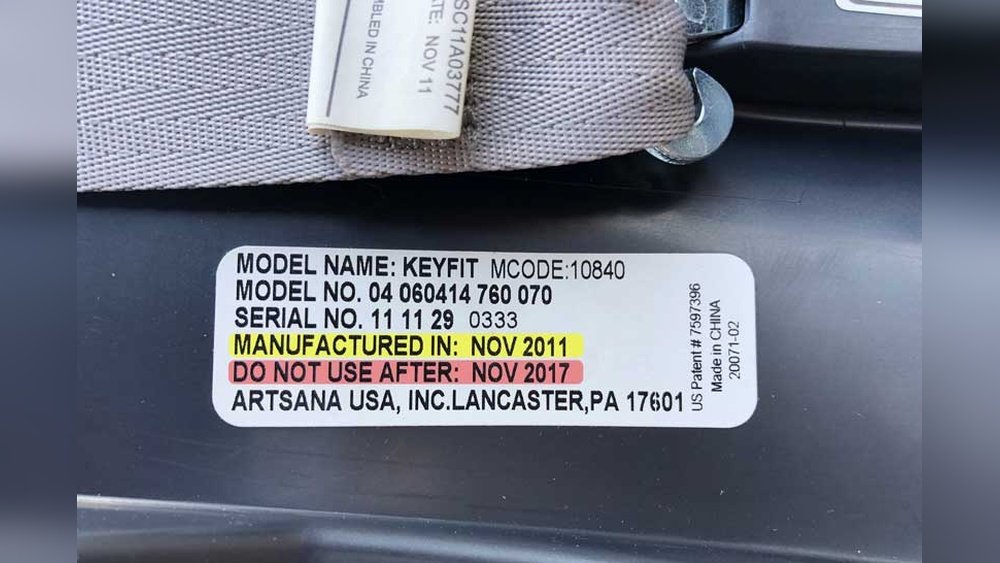
Have you ever wondered if your car seat has an expiration date? You might be surprised to learn that car seats don’t last forever.
Using an expired car seat can put your child’s safety at risk without you even realizing it. Knowing how and why car seats expire is crucial to keeping your little one protected on every ride. Keep reading to find out the signs that your car seat may be past its prime and what you should do to make sure your child always travels safely.
Car Seat Lifespan
Car seats do not last forever. Their safety features wear out over time. The materials can break down. This reduces their ability to protect children. Knowing the lifespan of a car seat helps keep kids safe.
Every car seat has a built-in expiration date. This date tells when the seat is no longer safe to use. Using a car seat past its expiration can be risky. Parents and caregivers should always check this date.
Typical Expiration Periods
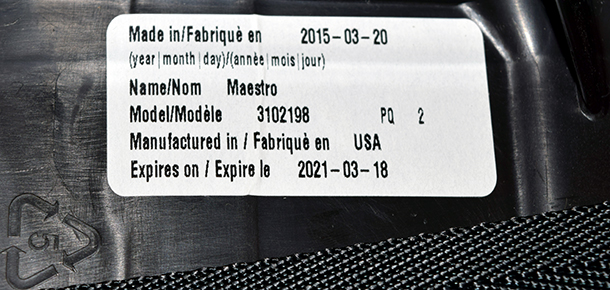
Most car seats expire between six and ten years. The exact time depends on the brand and model. Many seats have the expiration date printed on a label. It is usually under the seat or on the side.
Some car seats last longer if they have strong materials. Others wear out faster due to design or parts used. Always follow the manufacturer’s guidelines for expiration.
Factors Affecting Durability
Sunlight can damage car seat fabrics and plastic parts. Heat causes materials to weaken and crack. Frequent use can also wear out harness straps and buckles.
Car accidents can harm a seat’s structure. Even minor crashes may reduce its protection. Cleaning with harsh chemicals can weaken materials.
Storage conditions matter too. Keeping a seat in a garage or indoors extends its life. Exposure to moisture can cause mold and rust.
Credit: blog.cincinnatichildrens.org
Safety Risks Of Expired Seats
Expired car seats can be unsafe for children. Over time, the materials and technology inside the seat change. These changes can reduce the seat’s ability to protect your child during a crash. Understanding the safety risks of expired seats helps you make better choices for your child’s safety.
Material Degradation
Car seats use plastic and foam to absorb crash forces. These materials break down over time due to heat, cold, and sunlight. Cracks and weak spots may form in the plastic shell. Foam padding may lose its ability to cushion impacts. These changes make the seat less safe after many years.
Technological Obsolescence
Car seat safety rules improve regularly. Older seats may lack the latest safety features. Newer designs offer better protection in crashes. Expired seats may not meet current safety standards. Using outdated seats can increase the risk of injury to your child.
Identifying Expiration Dates
Car seats do not last forever. Over time, their materials weaken. This can reduce safety during a crash. Knowing the expiration date helps keep your child safe. It tells you when to replace the seat. Let’s explore how to find these dates easily.
Where To Find Date Labels
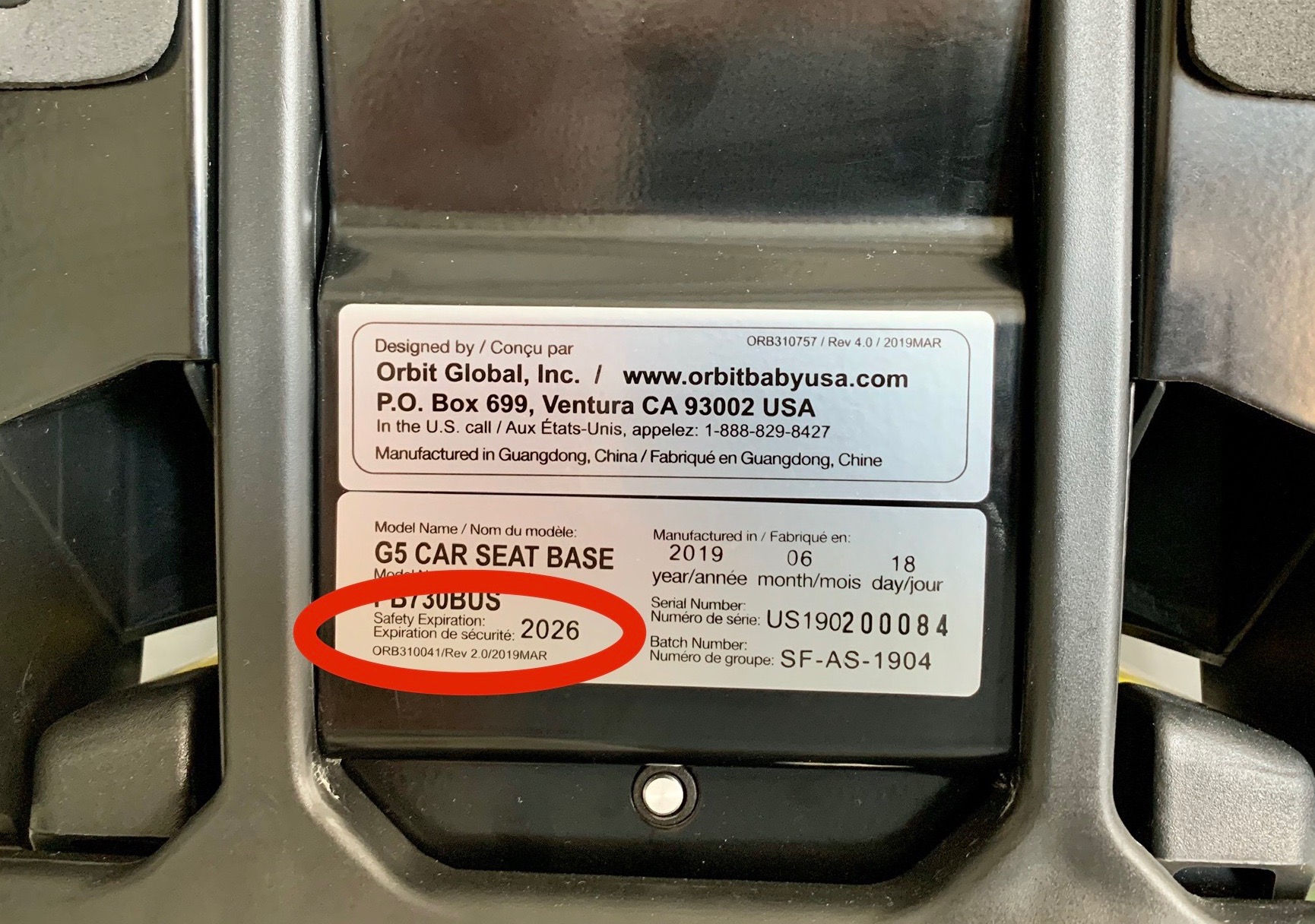
Look for a sticker or stamp on the car seat. It is usually on the back or bottom. Sometimes, it is under the seat cover. The label shows the manufacture date and expiry date. This date tells you when the seat should no longer be used. If you cannot find it, check the manual.
Manufacturer Guidelines
Each car seat brand has its own rules. Most seats expire six to ten years after manufacturing. The manual explains how long your seat lasts. Follow these guidelines strictly. Using an expired seat risks your child’s safety. Always check the manual or brand website for updates.

Credit: www.specialtomato.com
Impact Of Accidents And Wear
Car seats protect children in accidents and keep them safe during travel. Over time, car seats face wear from daily use and exposure to sunlight, heat, and cleaning products. Both accidents and wear affect how well a car seat works. Understanding these impacts helps keep your child safe.
When To Replace After A Crash
A car seat must be replaced after a moderate or severe crash. Even small crashes can weaken the frame or straps. Damage may not be visible but still reduce protection. Check the car seat manual for specific crash guidelines. Never use a car seat after a serious accident.
Signs Of Wear And Tear
Look for cracks, broken parts, or frayed straps on the car seat. Faded labels or missing instructions reduce safety. Padding that is thin or worn out offers less comfort and protection. The buckle should click securely and release easily. Replace the car seat if any parts look damaged or worn.
Proper Car Seat Maintenance
Proper car seat maintenance keeps your child’s seat safe and reliable. It helps extend the seat’s life and ensures it works as intended. Regular care prevents damage and wear that can cause the seat to expire early.
Cleaning Tips
Clean the car seat regularly to remove dirt and spills. Use mild soap and warm water for the fabric. Avoid harsh chemicals that can weaken the materials. Let the seat air dry completely before use. Remove crumbs and debris from crevices with a soft brush. Check the manufacturer’s label for cleaning instructions.
Storage Recommendations
Store the car seat in a cool, dry place when not in use. Avoid direct sunlight to prevent fabric and plastic damage. Keep it away from moisture to stop mold growth. Do not place heavy items on the seat to avoid deforming it. Store the seat upright to maintain its shape. Proper storage helps the car seat last longer and stay safe.
Choosing A New Car Seat
Choosing a new car seat requires careful thought. Safety is the top priority. The right seat protects your child during every ride. Not all car seats are the same. Some may suit your child better than others. Understanding key factors helps in making a smart choice.
Safety Standards To Check
Always check if the car seat meets current safety standards. Look for labels showing compliance with national rules. These rules ensure the seat passed crash tests. Expired or old seats might not meet these standards. New standards often include better materials and designs.
Check the expiration date on the car seat. Seats older than six years may have weakened parts. Plastic and straps can break more easily over time. Expired seats do not protect well in a crash.
Features To Consider
Choose a seat with adjustable harnesses. This helps fit your child as they grow. Padded straps add comfort and reduce injury risk. Seats with side-impact protection offer extra safety on the sides.
Easy installation matters. Seats that attach with ISOFIX or LATCH systems reduce errors. Removable covers are easier to clean. Consider the seat’s weight if you plan to move it often.
Legal And Insurance Considerations
Understanding the legal and insurance aspects of car seat expiration is important. These factors affect your child’s safety and your financial protection. Laws and insurance rules often require using car seats within their valid period. Using an expired car seat can lead to legal trouble and insurance problems.
Regulations On Car Seat Use
Many countries have laws about car seat use. These laws include rules on expiration dates. Using a car seat past its expiry can break these laws. Police may issue fines or warnings for expired seats. The laws aim to keep children safe on the road. Car seats lose strength over time, reducing protection in crashes.
Insurance Claims And Expired Seats
Insurance companies check car seat condition after accidents. They may deny claims if the seat is expired. Expired seats may not meet safety standards during a crash. This can affect compensation for injuries. Using a valid, non-expired seat helps ensure claims succeed. Insurance companies want proof of proper child safety measures.
Credit: support.orbitbabyusa.com
Frequently Asked Questions
How Long Do Car Seats Typically Last?
Car seats usually last between 6 to 10 years. The expiration date depends on the manufacturer and model. Over time, materials weaken, affecting safety. Always check the label for the exact expiration date to ensure maximum protection.
Why Do Car Seats Expire?
Car seats expire because materials degrade over time. Plastic parts can weaken and become brittle. Straps and padding may lose effectiveness. Expiration ensures the seat meets safety standards. Using expired seats can compromise child safety in accidents.
Can Expired Car Seats Still Be Used Safely?
Using expired car seats is not recommended. They may not protect your child effectively. Safety standards change, and materials degrade. Always replace car seats after the expiration date. This ensures optimal safety for your child.
Where Can I Find My Car Seat’s Expiration Date?
The expiration date is usually on a label on the seat. It can be on the bottom, back, or side. Check the user manual if you can’t find it. Knowing this date helps ensure your child’s safety in the car.
Conclusion
Car seats do not last forever. They wear out from use and time. Expired seats may not protect children properly. Always check the expiration date on your seat. Replace seats after crashes or when they expire. Safety depends on using a good, current car seat.
Keep your child safe by staying informed and updated. Don’t take risks with old or damaged seats. A safe ride starts with a reliable car seat.
