
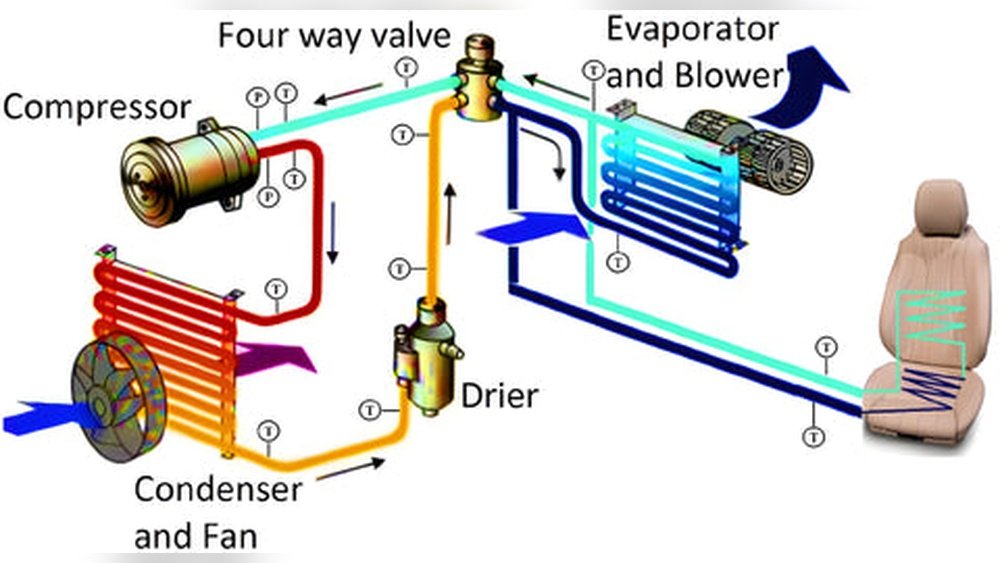
Imagine stepping into your car on a scorching summer day and feeling a refreshing coolness beneath you instead of that usual heat. Sounds like a dream, right?
If you’ve ever wondered how cooled seats work in a car and how they can transform your driving experience, you’re in the right place. You’ll discover the simple yet smart technology behind cooled seats and why they might be the upgrade your car really needs.
Keep reading to find out how this feature can keep you comfortable, no matter how high the temperature climbs.
How Cooled Seats Enhance Comfort
Cooled seats make car rides more comfortable, especially on hot days. They keep you fresh by reducing sweat and heat. This helps you stay calm and focused while driving. The cooling system works quietly and effectively, improving your overall experience in the car.
Benefits Of Seat Cooling
Seat cooling helps reduce body heat during warm weather. It stops sweat from building up, which keeps clothes dry. This makes long drives more pleasant. Cooling seats also help lower discomfort from hot leather or fabric. They improve air circulation around the body, adding a fresh feeling. People with sensitive skin find cooled seats very helpful. It can also reduce driver fatigue caused by heat.
Difference Between Heated And Cooled Seats
Heated seats warm you up on cold days. They use small heating elements inside the seat cushion. Cooled seats, on the other hand, use fans or ventilation. These fans pull hot air away from your body. Heated seats increase temperature, while cooled seats lower it. Both systems improve comfort but work in opposite ways. Knowing the difference helps choose the right option for your needs.
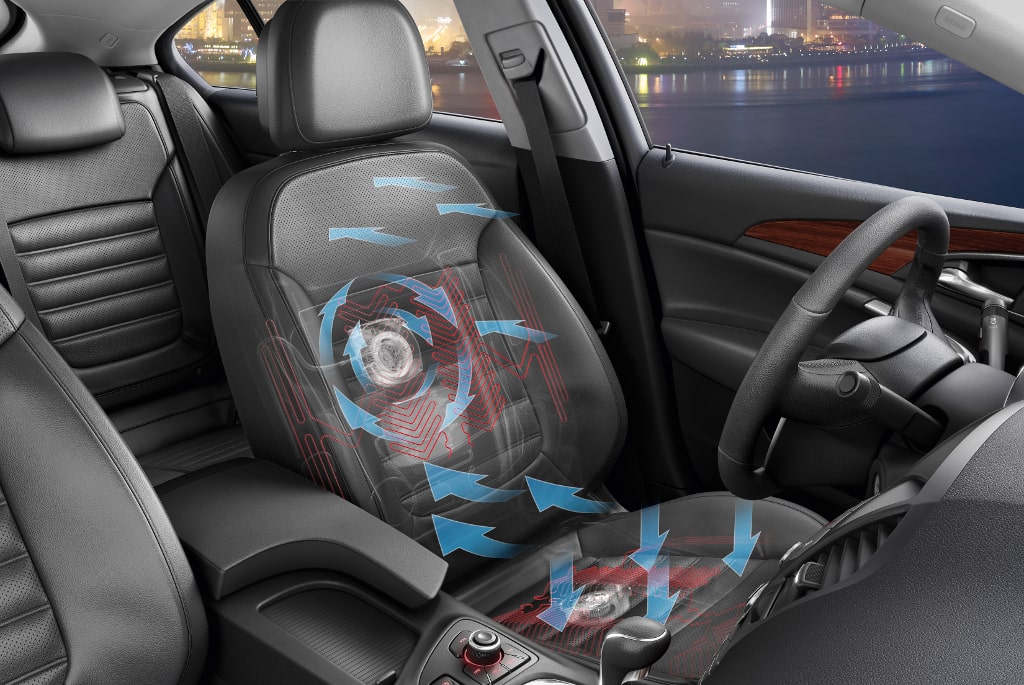
Credit: kdfoundation.org
Types Of Cooling Technologies
Cooled seats use different technologies to keep drivers and passengers comfortable. These systems help reduce sweat and heat during hot days. Each cooling method works in a unique way to lower the seat temperature. Understanding these types helps you know what makes your car seat cool.
Ventilated Seats With Fans
Ventilated seats use small fans inside the seat cushion. These fans push air through tiny holes in the seat surface. The airflow helps remove heat and moisture from your body. This process keeps you dry and cool while driving. Many cars use this simple and effective method.
Thermoelectric Cooling Systems
Thermoelectric cooling uses special materials that create a cooling effect. These materials move heat away from the seat surface. The system works without using fans or liquids. It is quiet and energy-efficient. This technology provides steady cooling during long drives.
Phase Change Materials
Phase change materials absorb heat when they change states, like from solid to liquid. They store heat from your body and keep the seat cool. Once cooled, they release the heat slowly over time. These materials help maintain a comfortable seat temperature naturally.
Key Components In Cooled Seats
Cooled seats in cars keep you comfortable by reducing heat and moisture. They use several key parts to work effectively. These parts work together to bring cool air to the seat surface. Understanding these components helps explain how cooled seats make driving more pleasant.
Air Circulation Fans
Small fans inside the seat move air through it. These fans pull warm air away from your body. They push cool air toward the seat’s surface. The airflow helps to lower the temperature around you. Quiet fans ensure you enjoy comfort without noise.
Cooling Pads And Channels
Cooling pads spread air evenly across the seat. They have tiny channels that guide the airflow. These channels reach different parts of the seat surface. The pads help cool your back and thighs at the same time. This design stops hot spots and improves comfort.
Temperature Sensors And Controls
Sensors detect the seat’s current temperature quickly. They send signals to the cooling system to adjust airflow. Controls allow you to set your preferred cooling level. This way, the seat stays at a comfortable temperature. Sensors keep the system working smoothly and safely.
How Air Circulation Works
Cooled seats use air circulation to keep you comfortable while driving. This system moves air through the seat, lowering the temperature. The air flows through tiny holes in the seat surface. Understanding how air moves helps explain how cooled seats work.
Air Intake And Distribution
Air enters the seat from a small fan or vent hidden below. The fan pulls fresh air into the seat’s core. Then, the air spreads evenly through channels inside the seat. These channels direct the airflow toward the seat surface. This design ensures cool air reaches every part of the seat.
Removing Heat And Moisture
The moving air carries heat away from your body. It also helps remove moisture from sweat. The air pushes heat and moisture out through the seat’s tiny holes. This process keeps you dry and cool during hot drives. It reduces the sticky feeling often felt in regular seats.
Maintaining Consistent Temperature
The fan adjusts the airflow based on temperature settings. This control keeps the seat cool but not too cold. Sensors help the system maintain a steady airflow. The result is a comfortable and balanced seat temperature. You stay cool without feeling chilled.
Integration With Vehicle Systems
Cooled seats do more than just blow air. They work closely with a car’s systems to give you comfort. This integration helps the seats function smoothly without wasting power. It also makes controlling the seats easy and effective.
The connection between cooled seats and vehicle systems is smart. It improves energy use and lets you adjust settings quickly. The seats can even sync with the car’s climate controls. This teamwork keeps you cool in hot weather without extra effort.
Power Supply And Energy Efficiency
Cooled seats get power from the car’s electrical system. They use small fans or cooling pads inside the seat. These parts need energy to run but do not drain the battery fast. The system balances power use to keep the car’s energy steady. This careful use of power helps save fuel or battery life in electric cars.
Control Interfaces And Settings
Drivers control cooled seats using buttons or touchscreens. These controls are often on the dashboard or seat side. Settings let you choose how strong the cooling is. Some cars have memory functions that save your preferences. This makes it easy to get the same comfort every time you drive.
Compatibility With Climate Control
Cooled seats often work with the car’s climate control system. This means the seats can adjust based on the cabin temperature. If it gets very hot, the seats cool more. When the air is cooler, the seat fans slow down or stop. This smart link keeps the inside temperature balanced and comfortable.
User Experience And Practical Tips
Cooled seats add comfort during hot drives. They help keep you fresh and reduce sweat. Understanding how to use them improves your ride experience. Small tips can make a big difference. Follow simple steps to enjoy cooled seats fully.
When To Use Cooled Seats
Turn on cooled seats in hot weather. Use them on sunny days or after parking in the sun. They work best at low speeds or in traffic. Avoid using cooled seats in very cold weather. They can make you feel chilly.
Adjusting Settings For Maximum Comfort
Start with the lowest cooling setting. Increase it slowly until you feel cool but not cold. Use seat controls to find your perfect level. Some cars have separate cooling for seat back and bottom. Adjust both for even cooling. Turn off cooled seats when no longer needed.
Maintenance And Care
Keep seats clean to help cooling work well. Vacuum seats regularly to remove dust and dirt. Wipe seat surfaces with a damp cloth. Avoid spilling liquids that can damage cooling parts. Check your car manual for specific care tips. Regular care extends the life of cooled seats.
Future Trends In Seat Cooling
Seat cooling technology in cars is evolving fast. New trends promise more comfort and smarter functions. The future will bring seats that adapt better to passengers and use energy wisely. These changes aim to improve your driving experience in many ways.
Advanced Materials And Smart Features
Future cooled seats will use new materials. These materials help move heat away quickly. They will feel cooler and dry faster. Smart sensors will adjust cooling based on body temperature. This means seats will cool only when needed. It saves energy and keeps passengers comfortable.
Integration With Autonomous Vehicles
Self-driving cars change how seats work. Passengers may relax or work during trips. Seats will offer more cooling control for comfort. They might link to the car’s system to learn your preferences. This makes cooling more personal and efficient.
Sustainability And Energy Use
Future seat cooling will focus on saving energy. New systems will use less power from the car’s battery. Some may use solar energy or recycle heat. Materials will be eco-friendly and last longer. This helps reduce the car’s environmental impact.
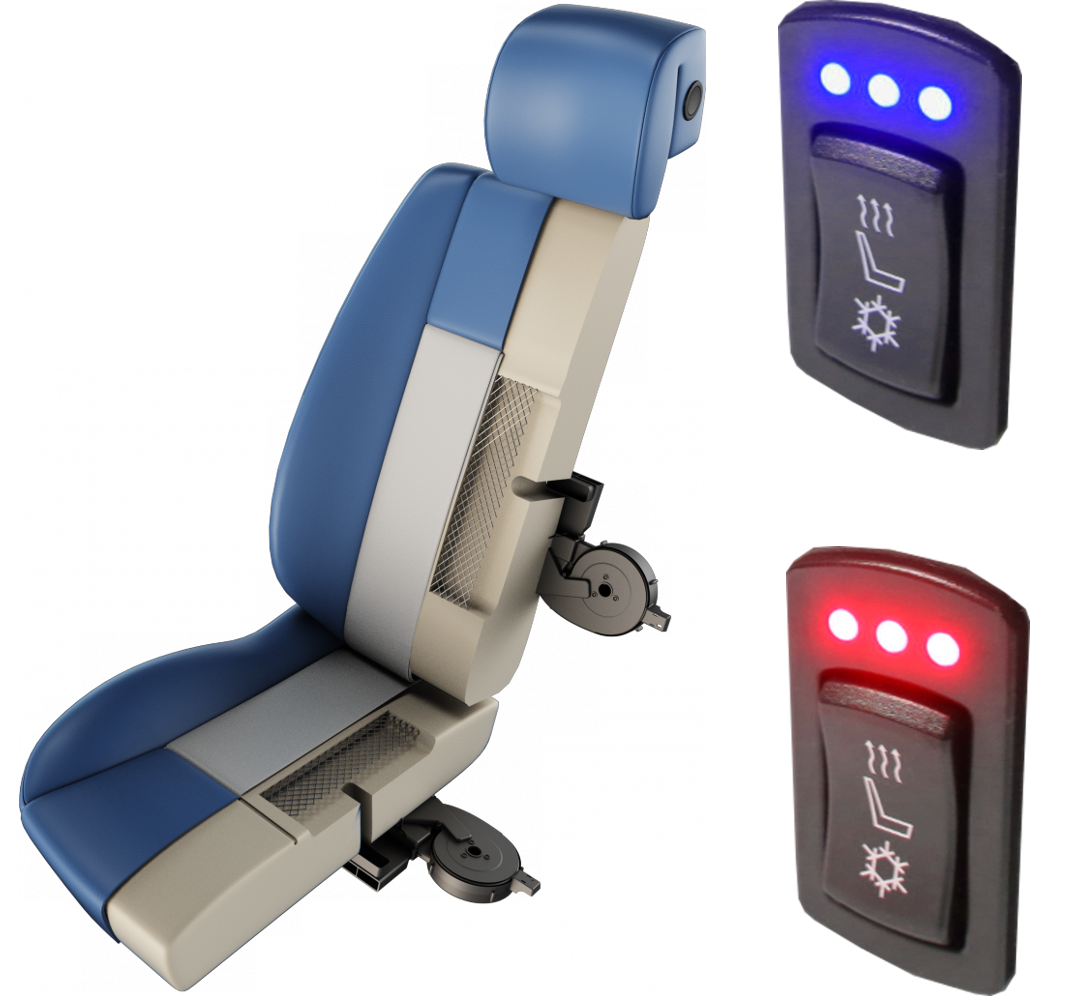
Credit: www.oemcarandtruckseats.com
Credit: www.pro-touring.com
Frequently Asked Questions
How Do Cooled Seats In Cars Work?
Cooled seats use fans and ventilation channels to circulate air through the seat. This airflow reduces heat and moisture, keeping you comfortable during hot weather. The system often uses perforated leather or fabric to allow air to pass through easily.
Are Cooled Seats Better Than Air Conditioning?
Cooled seats provide direct cooling to your body, unlike air conditioning which cools the entire cabin. They are more energy-efficient and help reduce sweat, making your drive more comfortable, especially in hot climates or during long trips.
Do Cooled Seats Improve Driving Comfort?
Yes, cooled seats enhance driving comfort by regulating seat temperature. They prevent overheating and sweating, reducing fatigue on long drives. This feature helps maintain focus and improves overall driving experience in warm conditions.
Can Cooled Seats Affect Car Battery Life?
Cooled seats consume less power than air conditioning but still draw energy from the car battery. Extended use may slightly reduce battery life, but modern systems are designed to be energy-efficient and safe for regular use.
Conclusion
Cooled seats use fans or ventilation to keep you comfortable. They pull warm air away from the seat surface. This helps reduce sweat and heat during hot drives. These systems work quietly and use little energy. Many cars offer this feature to improve comfort.
Understanding how cooled seats work helps you appreciate their value. Next time you drive, notice how cool the seat feels. It makes a big difference on warm days. Simple technology, big comfort.
