
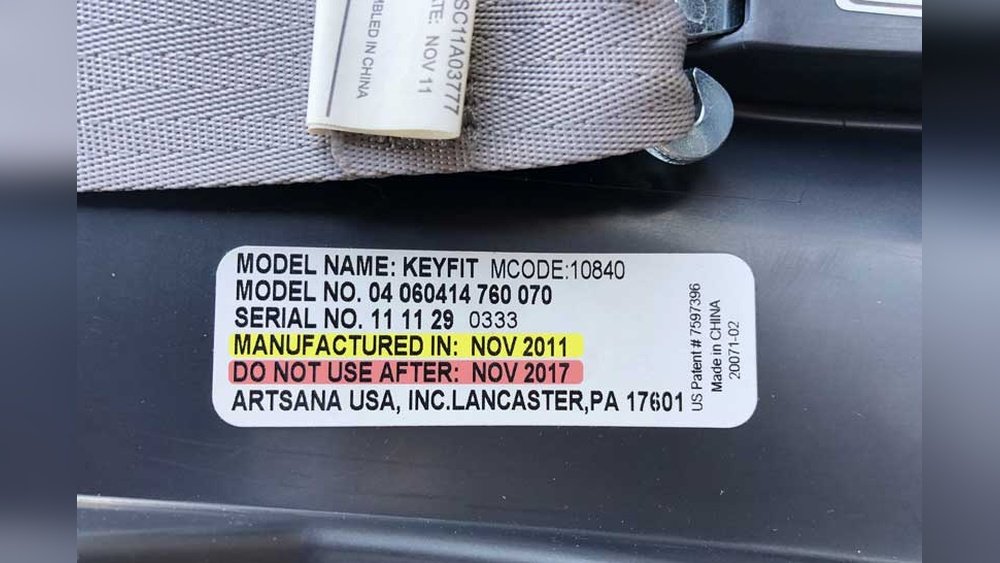
Are you unsure about how to find the expiration date on your car seat? Knowing this date is more important than you might think.
Using an expired car seat can put your child’s safety at risk. You will learn simple and clear steps to locate the expiration date quickly. By the end, you’ll feel confident that your car seat is safe and ready for every ride.
Keep reading to protect what matters most—your child’s safety.
Why Car Seats Expire
Car seats do not last forever. They have expiration dates for good reasons. Knowing why car seats expire helps parents keep their children safe. Expired car seats may not protect children well in crashes. The materials can weaken and safety rules may change. Understanding these points makes it clear why using an expired seat is risky.
Materials Breakdown Over Time
Car seats face heat, sunlight, and wear every day. These elements cause plastic and foam parts to break down. The straps and buckles can weaken or become brittle. Over time, this reduces the car seat’s strength. A weakened seat might fail during an accident. The expiration date marks the time when materials start to lose safety.
Safety Standards And Regulations
Safety rules improve as new tests and data appear. Car seat makers must follow updated laws to protect children. Older seats may not meet the latest crash test standards. Expiration dates ensure seats stay up to date with rules. Using a seat past its date means missing newer safety features. Keeping to expiration dates ensures maximum protection for kids.
Credit: blog.cincinnatichildrens.org
Where To Look For The Expiration Date
Finding the expiration date on a car seat is important for safety. Car seats do not last forever. Knowing where to check helps keep your child safe. The expiration date shows when the seat should no longer be used.
Car seat manufacturers place this date in specific spots. These spots are easy to check once you know where to look. The date might be on a label or in the manual. This section covers the most common places to find it.
Common Label Locations
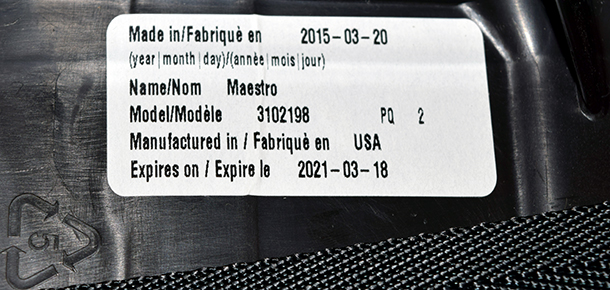
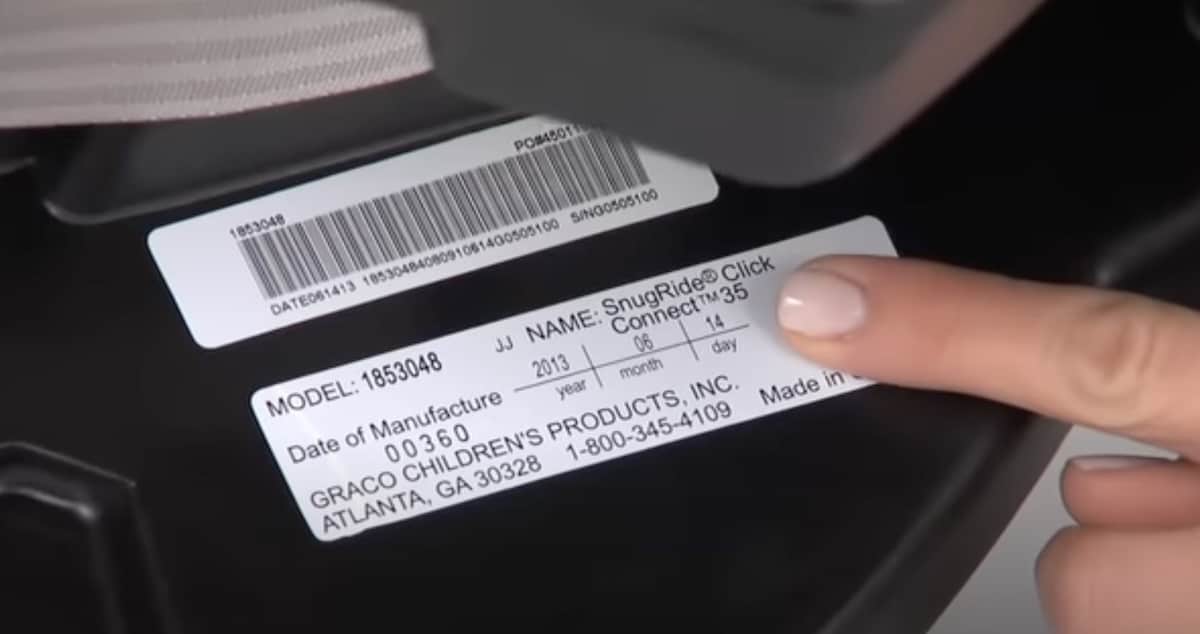
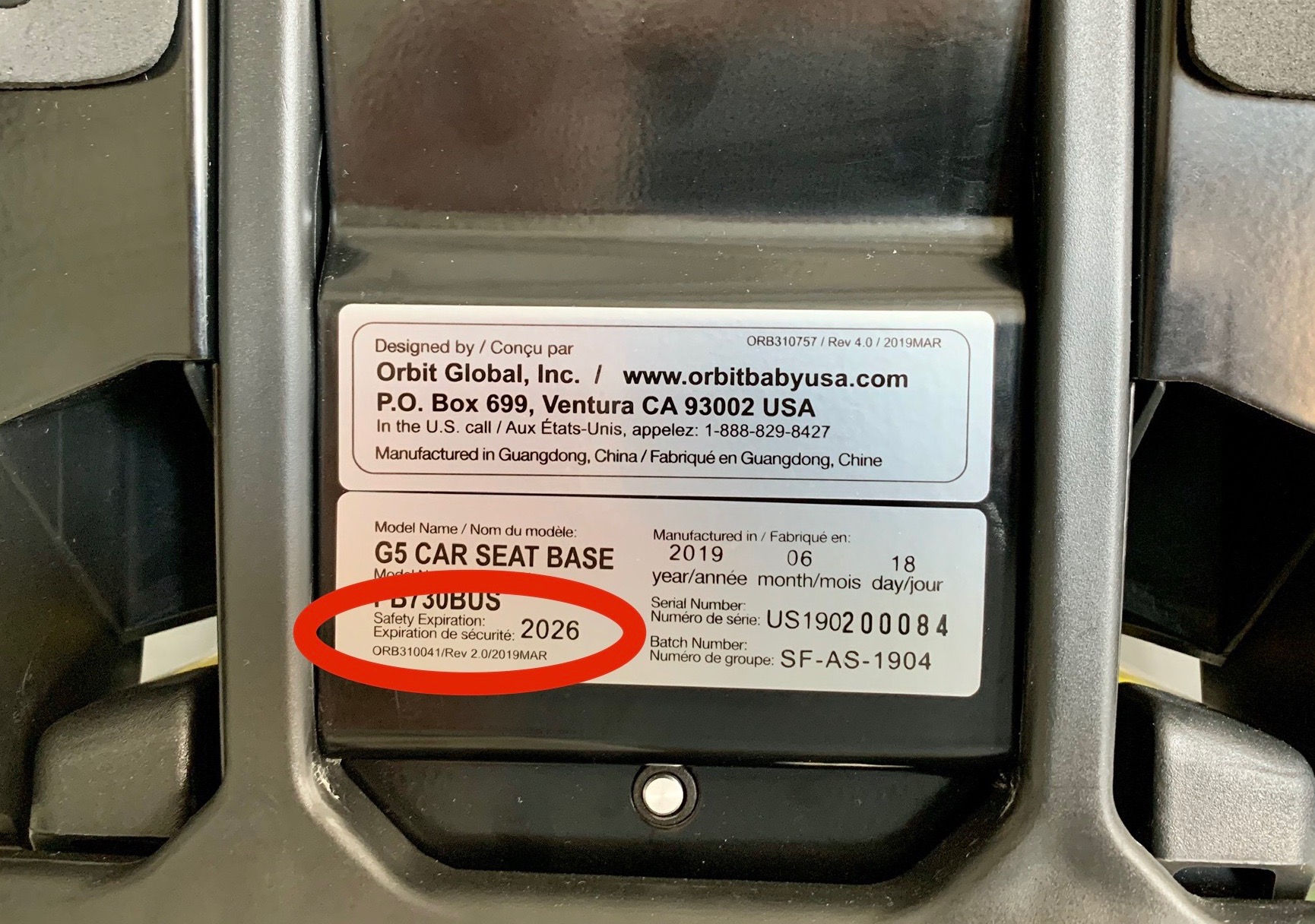
Many car seats have a label with the expiration date. Check the back or bottom of the seat. Sometimes the label is under the seat’s fabric. Look near the harness straps or the base of the seat. The label may say “Expiration Date” or “Use By.” It can also show a manufacture date plus a number of years.
Manufacturer’s Manual
The manual that comes with the car seat has useful info. It usually tells the exact spot of the expiration date. The manual also explains how long the seat lasts. If you lost the manual, try to find it online. The manual helps understand safety guidelines better. Always check it for full details about the seat’s life span.
How To Read The Expiration Date
Reading the expiration date on a car seat is important for safety. It tells you if the seat is still safe to use. Car seats do not last forever. Knowing how to find and read the date helps protect your child.
Date Formats Explained
Car seat expiration dates appear in different formats. Some show the date as month and year, like 08/2026. Others use a full date, such as 08-15-2026. The order might change depending on the brand.
Look closely for numbers separated by slashes, dashes, or dots. The first set usually means the month. The second set means the year. Sometimes, the day is also included.
Interpreting Codes And Labels
Some car seats have codes instead of clear dates. These codes might include letters and numbers. They often represent the month and year in a hidden way.
Check the car seat manual for code meanings. The label could be inside the seat, on the back, or under the padding. If unsure, contact the manufacturer with the code for help.
Signs Your Car Seat Needs Replacement
Knowing when to replace your car seat is very important for your child’s safety. Car seats do not last forever. Signs that a car seat needs replacement help you keep your child safe. These signs are easy to spot and should never be ignored.
Visible Wear And Tear
Look for cracks in the plastic shell of the seat. Check if the straps are frayed or stretched out. Padding that is torn or missing can reduce protection. Worn parts might not hold your child securely. Damage like this means the car seat is less safe.
After An Accident
Any crash, big or small, can weaken a car seat. Damage may not be easy to see. The seat’s structure could be compromised. Using a seat after an accident is risky. Always replace the car seat after a crash to protect your child.
Tips For Extending Car Seat Life
Extending the life of a car seat helps keep your child safe for a longer time. Proper care keeps the seat strong and clean. It also helps you save money by avoiding early replacements. Follow these simple tips to protect your car seat and use it safely for as long as possible.
Proper Cleaning Methods
Clean the car seat regularly to remove dirt and spills. Use mild soap and warm water for cleaning. Avoid harsh chemicals that can damage the fabric and padding. Remove the cover and wash it according to the label instructions. Let the seat air dry completely before putting it back together. Never use a dryer or direct heat on the seat parts.
Safe Storage Practices
Store the car seat in a dry, cool place when not in use. Avoid leaving it in direct sunlight or extreme temperatures. Excess heat can weaken the plastic and straps. Keep the seat away from heavy objects that could cause damage. Store it upright to maintain its shape and safety features. Proper storage helps the seat last longer and stay safe.
Credit: southernmaineonthecheap.com
When To Upgrade To A New Car Seat
Knowing when to upgrade your child’s car seat is important for their safety. Car seats are designed for specific ages and sizes. Using the right seat protects children better during travel. Changing the seat at the right time ensures comfort and safety.
Outgrowing Size Limits
Each car seat has height and weight limits. When your child grows bigger than these limits, it is time to change the seat. Using a seat too small can be unsafe. Kids need enough space to sit comfortably and securely. Check the car seat label for size rules. These help decide when to upgrade.
Updated Safety Features
Car seat rules and designs improve over time. New seats may have better protection and easier use. Older seats might miss important safety updates. Upgrading means your child uses the latest technology. This can reduce injury risks during accidents. Always check if your seat meets current safety standards.
Credit: support.orbitbabyusa.com
Frequently Asked Questions
Where Is The Expiration Date On A Car Seat Located?
The expiration date is usually found on a sticker or molded into the plastic shell. Check the back, bottom, or sides of the seat. It may also be in the user manual or manufacturer’s website for exact location.
Why Do Car Seats Have Expiration Dates?
Car seats expire because materials degrade over time, reducing safety. Regulations ensure seats meet current safety standards. Using an expired seat can risk your child’s protection in a crash.
How Long Do Car Seats Typically Last?
Most car seats last between 6 to 10 years. The exact period depends on the manufacturer’s guidelines. Always check the expiration date to ensure the seat remains safe for use.
Can I Use A Car Seat After The Expiration Date?
It is unsafe to use a car seat past its expiration date. Materials weaken and safety features may fail. Always replace expired car seats to protect your child.
Conclusion
Finding the expiration date on a car seat keeps your child safe. Check labels on the seat’s back or bottom carefully. The date tells you when to stop using the seat. Old seats may not protect well in crashes. Always follow the car seat’s instructions for use and care.
Keep your child secure by replacing expired seats on time. Safety first, always.
