
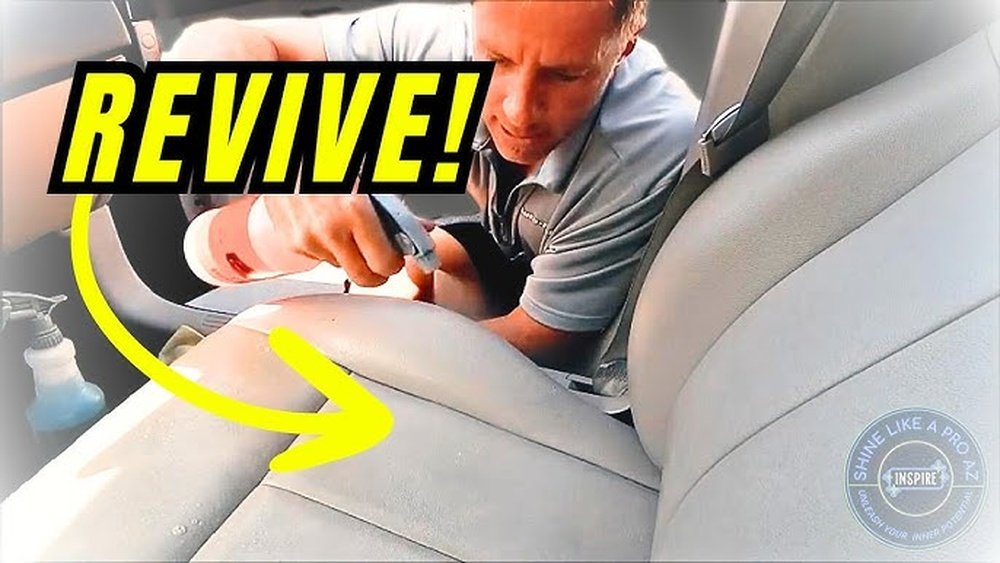
Are your vinyl car seats looking dull or sticky? Keeping them clean not only makes your car look great but also helps protect your investment.
You might think cleaning vinyl seats is tricky or that harsh chemicals are needed, but that’s not true. With the right steps, you can easily refresh your seats and make them feel like new again. Ready to learn how to clean your vinyl car seats quickly and safely?
Keep reading to discover simple tips that anyone can follow.
Preparing Vinyl Seats For Cleaning
Preparing vinyl seats for cleaning is the first step to keep them looking fresh. Proper preparation helps remove dirt and prevents damage during cleaning. It also makes the cleaning process easier and more effective.
Take time to prepare the seats well. This saves effort and keeps the vinyl in good condition longer.
Gathering Necessary Supplies
Start by collecting all supplies needed for cleaning. Use a soft brush or microfiber cloth to avoid scratches. Mild soap or vinyl cleaner is best for cleaning. Have a bucket of warm water ready for rinsing. Keep paper towels or dry cloths nearby to dry the seats. Avoid harsh chemicals that can harm the vinyl surface.
Removing Loose Dirt And Debris
Before cleaning, remove loose dirt and dust from the seats. Use a vacuum cleaner with a soft brush attachment for best results. Gently brush off crumbs and debris from seams and crevices. This step prevents dirt from scratching the vinyl during cleaning. Make sure the seats are free of dust and loose particles before applying any cleaner.

Credit: www.wikihow.com
Choosing The Right Cleaning Solution
Choosing the right cleaning solution is key for vinyl car seats. The wrong product can cause damage or leave stains. A good cleaner protects the vinyl and keeps it soft. It also removes dirt and grime effectively. Understanding your options helps you pick the best product for your needs.
Commercial Cleaners Vs. Diy Solutions
Commercial cleaners are made for vinyl surfaces. They often contain special ingredients to clean and protect. These products are tested to be safe on vinyl. They usually work fast and remove tough stains.
DIY solutions use common household items like soap, vinegar, or baking soda. They are cheaper and easy to make. Some homemade cleaners work well for light dirt. But strong stains might need a commercial product.
Safe Ingredients For Vinyl
Look for mild soaps, water, and gentle detergents. Avoid harsh chemicals like bleach or ammonia. These can crack or discolor vinyl seats. Ingredients like glycerin help keep vinyl soft and flexible.
Natural oils can damage vinyl over time. Stick to water-based or specially made vinyl cleaners. Always test a small spot before full use. This avoids surprises and protects your car seats.
Step-by-step Cleaning Process
Cleaning vinyl car seats is simple with the right steps. This process keeps your seats fresh and looking new. Follow these easy steps to clean your vinyl seats effectively. Each step helps remove dirt and protect the material.
Applying Cleaner
Choose a gentle cleaner made for vinyl surfaces. Spray or apply the cleaner evenly on the seat. Cover all areas, especially dirty spots. Let the cleaner sit for a few minutes. This loosens dirt and stains for easier removal.
Scrubbing Techniques
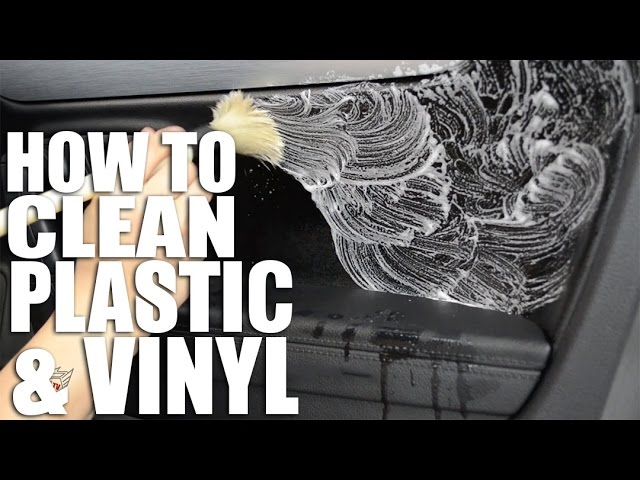
Use a soft brush or cloth to scrub the seat. Move in small circles to lift dirt without damaging the vinyl. Focus on creases and seams where dirt hides. Avoid harsh scrubbing to protect the seat’s surface. Gentle pressure works best for cleaning.
Rinsing And Drying
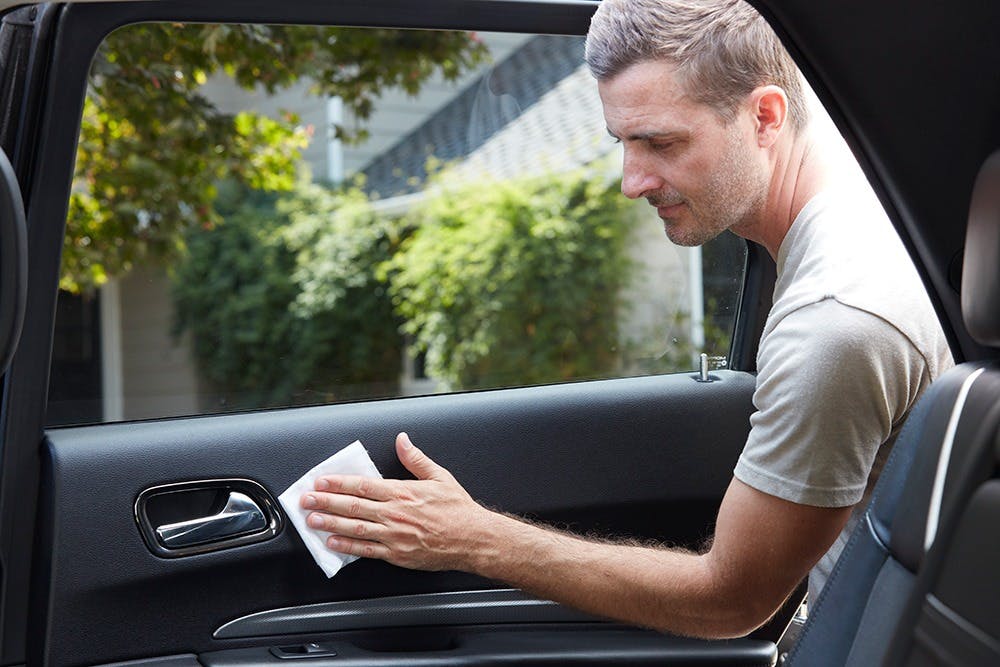
Wipe the seat with a clean, damp cloth to remove cleaner. Make sure no residue stays on the vinyl. Use a dry towel to absorb excess water. Let the seat air dry completely before using the car. This prevents mold and keeps the seat smooth.
Tackling Stubborn Stains
Cleaning vinyl car seats can be simple until stubborn stains appear. These marks can spoil your car’s look and feel. Stains need special care to remove without damage. Knowing how to treat different stains helps keep your seats fresh. Let’s explore common stain types and ways to clean them.
Common Stain Types
Oil and grease stains often come from food or hands. These stains feel sticky and dark. Drink spills like coffee or soda leave colored marks. Mud and dirt stains are dry but can leave dust. Ink stains come from pens and are tough to clean. Each stain needs a different cleaning approach.
Effective Stain Removal Methods
Start with a soft cloth to blot the stain gently. Use warm water mixed with mild soap for light stains. For grease, sprinkle baking soda to absorb oil before wiping. Use rubbing alcohol on a cloth for ink stains carefully. Avoid harsh scrubbing to protect the vinyl surface. Always test cleaners on a small area first. Repeat cleaning steps if the stain stays.
Maintaining Vinyl Seats Post-cleaning
Maintaining vinyl car seats after cleaning keeps them looking fresh and new. Proper care helps prevent cracks and fading. Small daily habits protect your investment and extend seat life.
Regular Cleaning Schedule
Clean vinyl seats often to stop dirt buildup. Wipe seats with a damp cloth every week. Use mild soap and water for deeper cleaning once a month. Avoid harsh chemicals that damage vinyl surface. Regular cleaning keeps seats soft and shiny.
Protecting Against Damage
Protect vinyl seats from sun damage by parking in shade. Use sunshades to block UV rays through windows. Avoid sharp objects that can scratch or tear seats. Apply a vinyl conditioner every few months to keep seats flexible. This prevents cracks and keeps seats comfortable.
Credit: www.youtube.com
Avoiding Common Cleaning Mistakes
Cleaning vinyl car seats can seem easy, but small errors can cause damage. Avoiding common cleaning mistakes protects the vinyl and keeps seats looking fresh. A careful approach extends the life of your car seats and saves money on repairs.
Harsh Chemicals To Skip
Many cleaners contain strong chemicals that harm vinyl. Avoid bleach, ammonia, and solvents. These substances dry out the vinyl and cause cracks. Use mild soap and water or cleaners made for vinyl instead. Gentle products clean well without damage.
Over-wetting And Its Risks
Too much water can soak into the seat seams and padding. This causes mold and bad smells. Use a damp cloth, not a soaking one. Wipe the seats gently and dry them quickly. Over-wetting weakens the vinyl and reduces seat comfort.
Credit: www.armorall.com
Frequently Asked Questions
How Often Should I Clean Vinyl Car Seats?
Clean vinyl car seats every 1-2 months to prevent dirt buildup. Regular cleaning maintains their appearance and durability. Frequent cleaning also stops stains from setting, keeping seats fresh and protected.
What Household Products Can Clean Vinyl Car Seats?
Mild soap, water, and vinegar mix works well to clean vinyl seats. Avoid harsh chemicals that can damage the surface. Use a soft cloth to gently scrub and rinse with clean water.
Can I Use A Pressure Washer On Vinyl Car Seats?
No, avoid pressure washers on vinyl seats as high pressure can cause damage. Instead, use a damp cloth or soft brush for effective and safe cleaning. Hand cleaning preserves the vinyl’s texture and finish.
How Do I Remove Tough Stains From Vinyl Seats?
Use a mixture of baking soda and water to gently scrub tough stains. For ink or grease, rubbing alcohol on a cloth can help. Always test in a small area first to avoid discoloration.
Conclusion
Cleaning vinyl car seats is simple with the right steps. Use mild soap and warm water to avoid damage. Gently scrub dirt and stains with a soft cloth. Dry seats well to stop mold and cracks. Regular cleaning keeps seats fresh and lasts longer.
Small effort brings big results. Keep your car interior neat and comfortable every day. Try these tips and enjoy clean vinyl seats with ease.
