
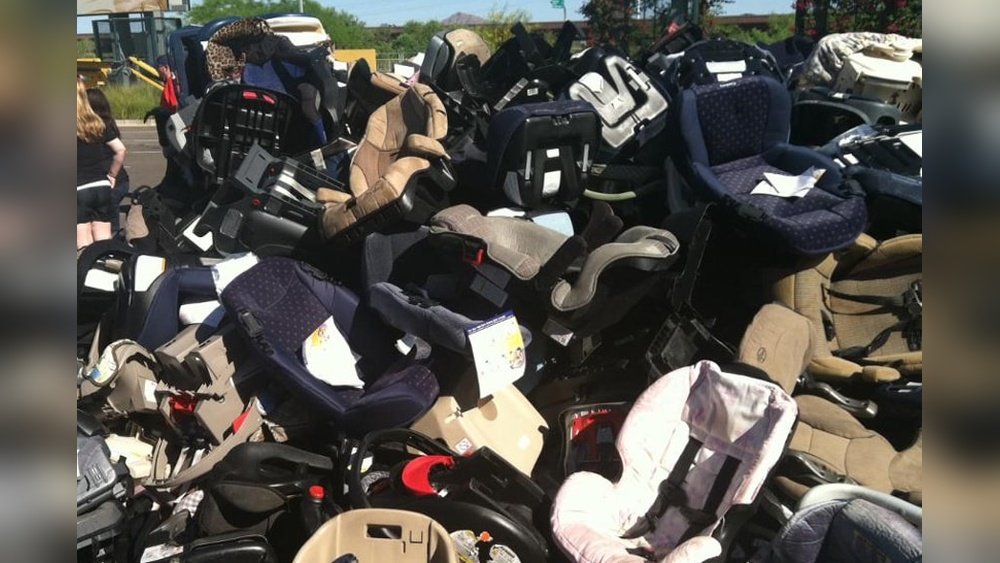
You have a car seat that’s past its expiration date, and now you’re wondering what to do with it. Throwing it away might seem simple, but is it really that easy?
Your child’s safety was the priority when you first bought it, so disposing of it properly matters more than you think. You want to make sure you’re doing the right thing—for the environment, for safety, and for peace of mind.
Keep reading, and you’ll discover exactly how to get rid of your expired car seat the smart way.

Credit: www.chiccousa.com
Why Car Seat Expiration Matters
Car seat expiration matters for your child’s safety. Car seats protect children during car rides. Over time, materials weaken and safety features may fail. Using an expired car seat can put your child at risk. Understanding why seats expire helps you keep your child safe.
Safety Risks Of Expired Seats
Expired car seats may have worn-out straps and padding. The plastic can become brittle and crack. Impact protection lowers with age. Expired seats might not meet current safety standards. Using them increases the chance of injury in crashes.
Manufacturer Lifespan Guidelines
Car seat makers set expiration dates for safety reasons. These dates usually range from six to ten years. The date can be found on a label or molded in plastic. Follow these guidelines strictly for your child’s protection. Old seats may lack new safety improvements.
Checking Your Car Seat’s Expiration Date
Checking your car seat’s expiration date is important for your child’s safety. Expired car seats may not protect well during a crash. Knowing the expiration date helps you decide when to replace the seat. It also avoids using a seat that may be damaged or outdated.
Locating The Expiration Label
Look for a sticker or molded label on the car seat. Common places include the back, bottom, or side of the seat. The label often shows the manufacture date and expiration date. If you can’t find a date, check the car seat manual. Some seats also have a metal plate with this information.
Interpreting Date Codes
Car seats usually expire six to ten years after the manufacture date. The label may show a “Do Not Use After” date or a lifespan in years. Use the manufacture date to calculate the expiration date if needed. Always follow the car seat maker’s instructions for accurate information.
Preparing The Car Seat For Disposal
Preparing a car seat for disposal helps keep safety and the environment in mind. It stops others from using an old, unsafe seat. It also makes recycling easier. Proper preparation takes just a few simple steps.
Cleaning And Removing Accessories
Start by cleaning the car seat. Remove all dirt, crumbs, and stains. Use a mild soap and warm water to wash the fabric. Let the seat dry completely before moving on.
Next, take off any removable parts. This includes the harness, cup holders, and padding. Keep small pieces together to avoid losing them. Removing accessories helps with recycling and disposal.
Disabling The Seat For Safety
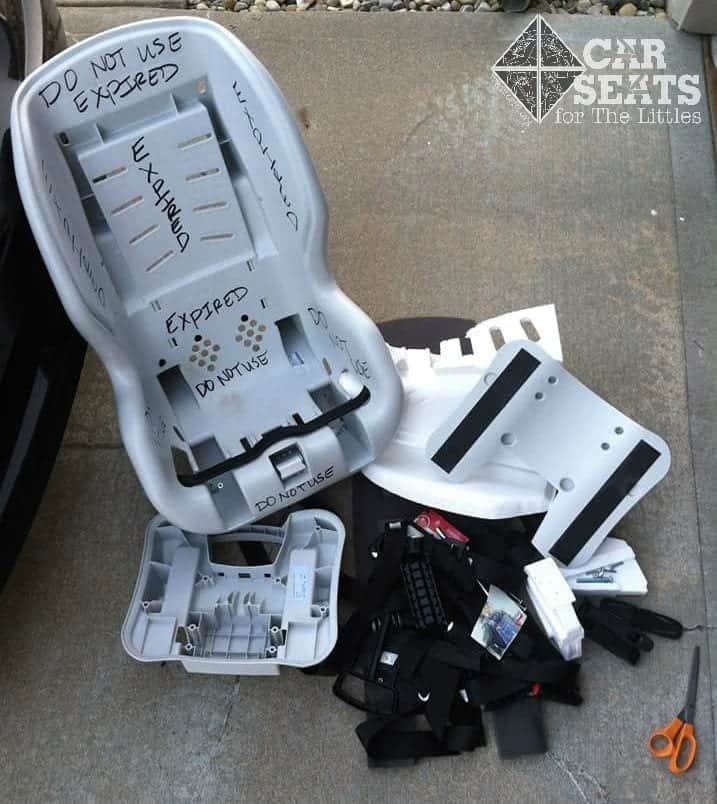
Make the seat unusable to protect others. Cut through the straps and harness with scissors. Remove or destroy the buckle and chest clip. Breaking the seat this way stops anyone from using it again.
Mark the seat clearly as expired or unsafe. Use a permanent marker to write “Do Not Use.” This warns others and keeps children safe.

Credit: www.elaf-food.com
Disposal Options For Expired Car Seats
Expired car seats cannot be used for child safety. They lose their protection over time. Proper disposal keeps the environment safe and prevents misuse. Several options exist to get rid of old car seats responsibly.
Recycling Programs And Facilities
Many communities offer recycling programs for car seats. These programs break down plastic, metal, and fabric parts. Find local recycling centers that accept car seats. Some manufacturers also run take-back programs. Recycling helps reduce waste and recycles valuable materials.
Donation And Repurposing Ideas
Expired car seats often cannot be used for children again. But you can donate them for other uses. Some organizations accept car seats for art projects or training. Repurposing parts as pet beds or garden seats is possible. Always check the condition and local rules before donating.
Trash Disposal Guidelines
Throwing car seats in the trash is sometimes necessary. Remove all padding and straps first. Cut the harnesses to stop reuse. Label the seat as expired or unsafe. Follow local waste disposal rules to avoid penalties. This method keeps old seats out of unsafe hands.
Local Regulations And Resources
Disposing of expired car seats safely requires following local rules. These rules protect the environment and keep your community safe. Many areas have special ways to handle car seats. Knowing these rules helps you dispose of seats correctly. Local resources make this process easier. They offer places and events to drop off old car seats. Some services also provide pick-up options. Understanding these options saves time and effort.
Finding Community Disposal Events
Many towns host special disposal events for items like car seats. These events accept expired and damaged seats. They often happen once or twice a year. Community centers, fire stations, or recycling centers usually hold them. Check your town’s website or local news for dates. These events keep car seats out of landfills. They ensure seats are recycled or destroyed properly. Attending these events helps protect children and the environment.
Contacting Waste Management Services
Local waste management services can guide you on car seat disposal. Some allow car seats in regular trash, but many do not. Call or visit their website for specific instructions. Some services offer special pickup days for bulky items. Others have drop-off locations at recycling centers. Waste management can tell you about any fees. They can also explain how to prepare the seat for disposal. This may include removing metal parts or padding. Proper preparation helps with recycling and safety.
Eco-friendly Alternatives To Tossing
Throwing away expired car seats adds to landfill waste and harms the environment. Choosing eco-friendly alternatives helps reduce this impact. These options let you reuse parts or transform seats into useful items. This approach saves resources and supports a greener planet.
Upcycling Projects
Old car seats can become new, creative items. Remove the fabric and padding to use the frame. Turn the frame into a chair or a small bench. Use the fabric for making bags or cushions. Upcycling saves materials and gives seats a second life.
Selling Or Giving Away Parts
Some car seat parts still work well after expiration. Selling or donating these parts helps others save money. Straps, buckles, and covers can be reused safely. Check local online markets or community groups for sharing. This reduces waste and supports responsible recycling.
Credit: csftl.org
Frequently Asked Questions
How Do I Safely Dispose Of An Expired Car Seat?
You can recycle or donate expired car seats if they meet safety standards. Otherwise, check local waste facilities for proper disposal guidelines.
Can Expired Car Seats Be Recycled?
Yes, some recycling centers accept car seats. Disassemble plastic and metal parts before taking them to a recycling facility.
Why Should I Not Use An Expired Car Seat?
Expired car seats may fail safety tests and degrade over time. Using them increases injury risk during accidents.
Where Can I Donate Expired Car Seats?
Most organizations do not accept expired seats. Contact local charities or safety programs to confirm donation policies.
Conclusion
Expired car seats need safe disposal to protect children and the environment. Check local recycling centers or waste facilities for guidelines. Some places accept car seats for special recycling programs. Never toss them in regular trash without checking rules. Removing labels or padding can help prevent reuse.
Proper disposal stops harm and keeps communities safe. Taking a few minutes to follow these steps makes a big difference. Always choose responsible disposal for old car seats. Your care helps protect kids and the planet.
