
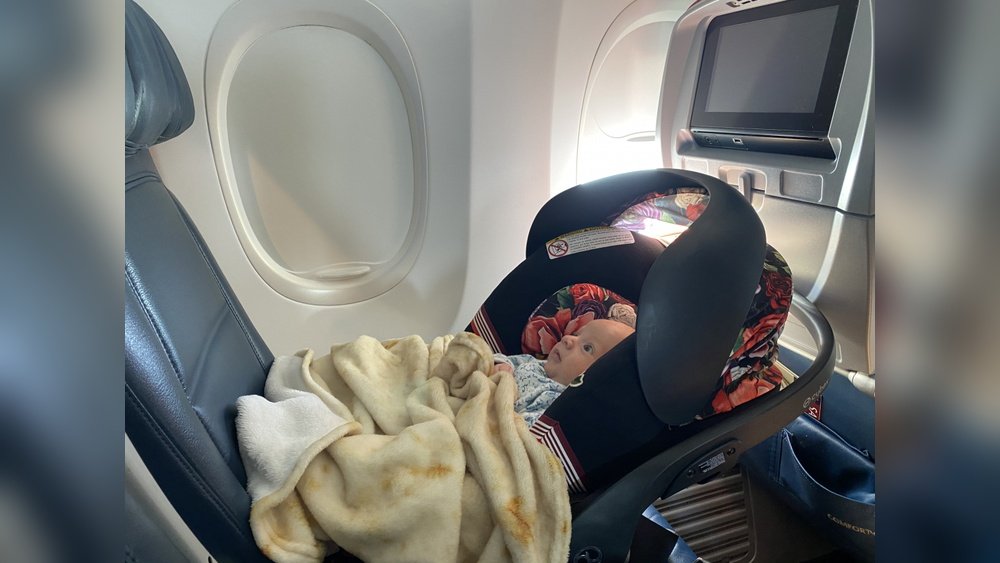
Traveling with your little one can be stressful, especially when it comes to flying with a car seat. You might wonder if you can bring it on the plane, how to keep your child safe, and what rules you need to follow.
If you want clear answers and simple tips that make flying easier, you’ve come to the right place. Keep reading, and you’ll learn exactly how to fly with a car seat without the usual hassle. Your next trip will be smoother and safer for both you and your child.
Credit: www.chiccousa.com
Choosing The Right Car Seat
Choosing the right car seat for air travel is important. It keeps your child safe and comfortable during the flight. Not all car seats are fit for planes. Some rules and features help you pick the best one. Understanding these basics makes your trip easier and safer.
Faa-approved Car Seats
FAA-approved car seats meet strict safety rules for air travel. They have a label showing approval for airplane use. This label means the seat works well with airplane seats and seat belts. Using an FAA-approved seat ensures your child stays secure during takeoff and landing. Always check for this approval before buying or using a car seat on a plane.
Size And Weight Limits
Car seats must fit both your child and the airplane seat. Each seat has size and weight limits. Check your child’s weight and height against the car seat’s limits. Also, measure the seat to make sure it fits in the airplane seat. A seat too big or heavy may not work well on the plane. Choose a seat that matches your child’s size and the plane’s space.
Convertible Vs. Infant Seats
Convertible seats can change from rear-facing to forward-facing. They last longer and fit children of different ages. Infant seats are smaller and only rear-facing. They often come with a base that stays in the car. For air travel, infant seats are lighter and easier to carry. Convertible seats offer more use but might be heavier. Pick the type that suits your child’s age and your travel needs.
Booking Your Flight
Booking your flight with a car seat requires some careful planning. It helps ensure your child’s safety and your peace of mind. Start early to avoid last-minute stress. Follow these steps to book your flight smoothly when flying with a car seat.
Informing The Airline
Tell the airline you will bring a car seat. This helps them prepare for your needs. Some airlines require advance notice for car seats. Call customer service or mention it during booking. Clear communication prevents surprises at the airport.
Selecting The Best Seat
Choose a seat that fits the car seat safely. Window seats often offer more space for car seats. Avoid seats near emergency exits. These usually do not allow car seats. Check seat dimensions if possible before choosing.
Checking Airline Policies
Read the airline’s rules on car seats carefully. Each airline has different policies on size and type. Some allow car seats only if they have a label. Know the rules to avoid issues at boarding. Print or save the policy for reference.
Preparing The Car Seat For Travel
Preparing your car seat for travel is an important step for a smooth flight. A clean and safe car seat helps your child stay comfortable. It also makes the security check easier at the airport. Taking time to prepare the car seat reduces stress during travel.
Cleaning And Inspecting
Start by cleaning the car seat thoroughly. Remove all crumbs, dirt, and dust. Wipe the plastic parts with a damp cloth. Check the straps for any signs of wear or damage. Make sure the buckles work properly. Inspect the seat for cracks or broken pieces. A clean and intact seat is safer for your child.
Removing Accessories
Take off all extra accessories from the car seat. Remove toys, head supports, and covers not made by the manufacturer. Loose items can get lost or damaged during travel. They may also cause problems at airport security. Keep only the parts that belong to the car seat.
Using Protective Covers
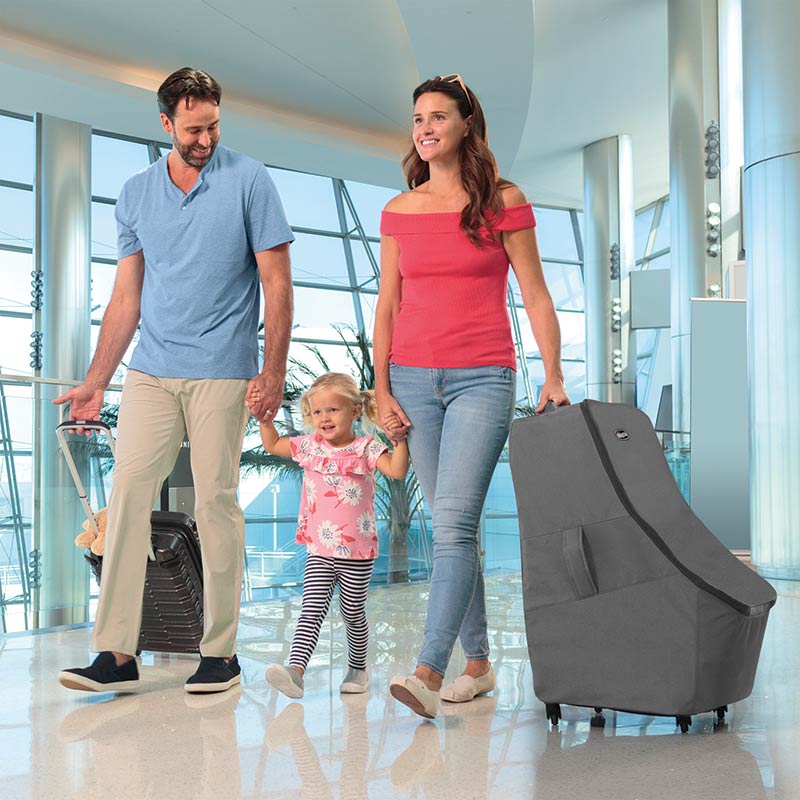
Use a protective cover designed for car seats during flights. It shields the seat from dirt and scratches. Choose a cover that is lightweight and easy to carry. Avoid bulky covers that add extra weight. A good cover keeps the car seat clean and ready to use after the flight.

Credit: thetravelingchild.co
At The Airport
Flying with a car seat means extra care at the airport. Airports can be busy and confusing. Knowing the right steps makes your trip smooth. Handling a car seat at security and the gate needs planning. Here is what to expect and how to prepare.
Navigating Security Checkpoints
At security, car seats must be screened. You cannot take them through the X-ray machine. Instead, carry the car seat through the metal detector. Security staff may ask you to remove your child from the seat. Keep your child close and calm during this process. Allow extra time at security for car seat checks.
Gate Check Procedures
Many airlines let you gate check car seats for free. This means you leave the seat at the gate before boarding. The airline stores it in the plane’s cargo hold. Ask the gate agent about their car seat policy early. Attach a tag with your contact details to avoid loss. Retrieve the car seat as soon as you exit the plane.
Managing Carry-on Vs. Checked Options
Decide if you want to carry the car seat on board or check it. Carrying on offers protection and easy access during the flight. Some planes have limited space for car seats in the cabin. Checking the car seat can save your hands but risks damage. Use a protective bag if checking the car seat. Weigh the pros and cons before your trip.
Installing The Car Seat On The Plane
Installing the car seat on the plane is an important step for your child’s safety. You must secure the seat correctly to keep your child safe during the flight. This process is simple but needs careful attention. Follow these steps to install the car seat properly on the airplane.
Using The Airplane Seatbelt
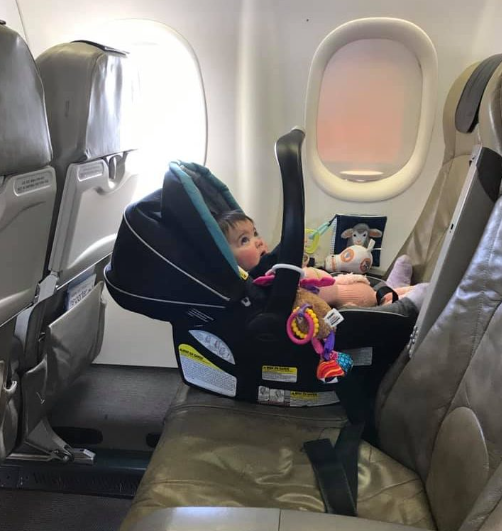
Place the car seat on the airplane seat facing forward. Thread the airplane seatbelt through the car seat belt path. Buckle the seatbelt and pull it tight. The seatbelt should hold the car seat firmly. Avoid using the shoulder belt; only use the lap belt.
Positioning For Safety And Comfort
Make sure the car seat is upright and not tilted. Check the angle to keep your child comfortable. The headrest should support your child’s head well. Ensure your child can sit without slouching. A comfortable position helps your child stay calm.
Securing The Seat Properly
Push the car seat firmly against the airplane seat back. Try to move the seat side to side and front to back. The car seat should not move more than one inch. Tighten the seatbelt again if needed. Properly secured car seats protect your child during turbulence.
Credit: www.adalia.ch
Traveling With Your Child
Traveling with a child requires special care and planning. Carrying a car seat on the plane can help keep your child safe and comfortable. It also gives your child a familiar seat during the flight. This section covers simple ways to make travel easier for you and your child.
Keeping Your Child Comfortable
Bring a soft blanket or favorite pillow for your child. Dress them in layers to adjust to the airplane temperature. Use the car seat’s padding to support their head and neck. Make sure the seatbelt fits snugly but not too tight. A calm and cozy child will enjoy the trip more.
Entertaining During The Flight
Pack small toys, books, or coloring materials to keep your child busy. Use quiet games that do not disturb other passengers. Download kid-friendly apps or videos on a tablet or phone before the flight. Change activities often to avoid boredom. Smiling and talking to your child helps too.
Handling In-flight Challenges
Prepare for ear pain by giving your child a pacifier, bottle, or sippy cup during takeoff and landing. Keep snacks and water handy to avoid hunger and dehydration. Stay calm if your child cries or gets restless. Walk up and down the aisle if allowed to help them relax. Patience and a gentle approach ease most problems.
After The Flight
After the flight, taking care of your car seat is very important. The journey can be tough on the seat. You want to keep it safe and clean for your child’s next trip. Follow these simple steps to make sure your car seat stays in top shape.
Inspecting The Car Seat For Damage
Check the car seat carefully after the flight. Look for cracks, broken parts, or loose straps. Even small damage can affect safety. If you find any problems, do not use the seat until it is fixed or replaced. Make sure the harness and buckles work well.
Reinstalling In Your Vehicle
Put the car seat back in your car correctly. Follow the manufacturer’s instructions step by step. Tighten all straps and locks firmly. The seat should not move more than an inch side to side. Check the angle of the seat to keep your child safe and comfortable.
Cleaning And Maintenance Tips
Clean the car seat regularly to remove dirt and germs. Use mild soap and water for the cover and plastic parts. Avoid harsh chemicals that can damage materials. Let the seat dry completely before using it again. Store the seat in a dry place when not in use.
Frequently Asked Questions
Can I Bring A Car Seat On A Plane?
Yes, most airlines allow you to bring a car seat on board. It must be FAA-approved and fit in an airplane seat. Check with your airline for specific policies and size requirements before traveling.
How Do I Install A Car Seat On An Airplane?
Install the car seat using the airplane seat belt. Ensure it faces the correct direction and is securely fastened. Follow the car seat manufacturer’s guidelines and the airline’s instructions for proper installation.
Is It Better To Check Or Carry A Car Seat?
Carrying the car seat is safer and more convenient. It protects the seat from damage and ensures your child has a safe place to sit during the flight. Checking a car seat risks loss or damage.
Are All Car Seats Allowed On Planes?
Only FAA-approved car seats are allowed on planes. Look for a label indicating it meets safety standards. Non-approved seats cannot be used onboard but can be checked as luggage.
Conclusion
Flying with a car seat can feel tricky at first. Follow airline rules and check your seat’s size. Always bring the car seat manual for quick reference. Secure the seat tightly on the plane for safety. Arrive early to handle extra steps calmly.
Your child will travel safer and more comfortably this way. A little preparation makes flying with a car seat easier. Enjoy the trip knowing your child is secure and ready. Safe travels!
