
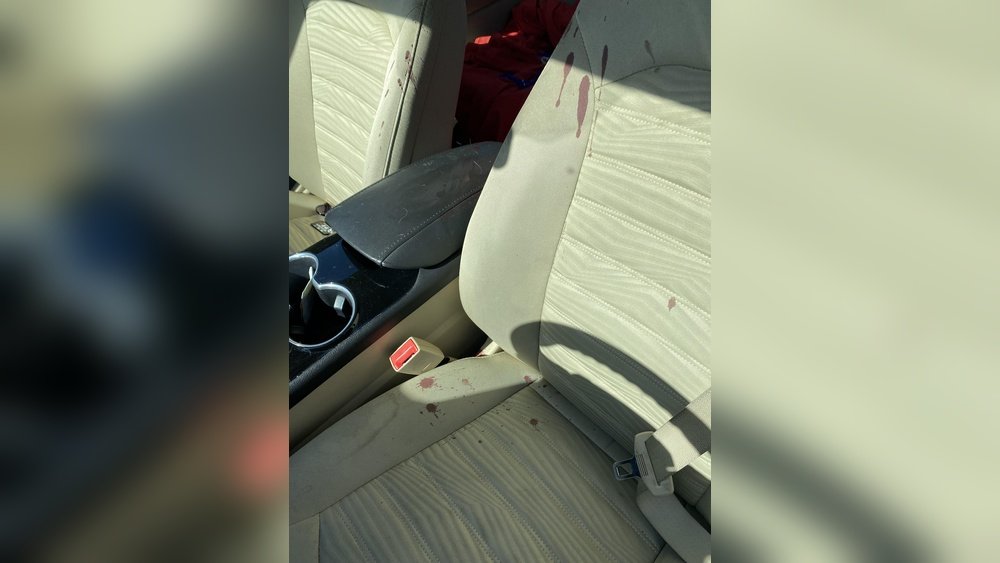
Have you ever noticed a stubborn blood stain on your car seat and wondered how to get it out without ruining the fabric? Blood stains can be tricky and frustrating, especially when they set in.
But don’t worry—you don’t have to live with that mark or spend a fortune on professional cleaning. You’ll discover simple, effective ways to remove blood from your car seat using items you probably already have at home. Keep reading, and you’ll learn how to restore your car’s interior quickly and easily.
Identify The Stain Type
To remove blood from a car seat, first identify the type of stain. Knowing the stain type helps choose the right cleaning method. Blood stains vary by age and fabric. This affects how easily they come out.
Recognizing whether the blood is fresh or dried guides your next steps. Also, the car seat material plays a big role in stain removal. Different fabrics need different care to avoid damage.
Fresh Vs Dried Blood
Fresh blood is easier to clean because it has not set yet. It is usually wet or slightly sticky. Use cold water and a clean cloth to blot it gently. Avoid rubbing, which can spread the stain.
Dried blood is tougher to remove. It has hardened and bonded with the fabric fibers. You may need to soak the area or use special stain removers. Scraping gently can help loosen the dried blood before cleaning.
Material Matters
Car seats come in different materials like leather, fabric, or vinyl. Each needs a different cleaning approach. Fabric seats absorb blood more deeply, requiring gentle scrubbing and rinsing.
Leather seats need mild cleaners to avoid damage. Use a damp cloth and a leather-safe cleaner. Vinyl seats are easier to clean with soap and water but avoid harsh chemicals.
Always test any cleaner on a small hidden area first. This prevents discoloration or damage to your car seat.
Gather Cleaning Supplies
Before cleaning blood out of a car seat, gather all needed supplies. Having the right tools makes the job easier and faster. Prepare everything before starting to avoid delays and mistakes. Choose supplies based on the type of stain and car seat material.
Household Items
Many household items work well for cleaning blood stains. Cold water is key to prevent the stain from setting. Use a clean cloth or sponge to blot the stain gently. Mild dish soap helps break down blood without harming fabric. Baking soda can lift stains and absorb moisture. White vinegar acts as a natural disinfectant and cleaner. Hydrogen peroxide works for tough stains but test first on a hidden spot.
Commercial Cleaners
Commercial cleaners designed for upholstery offer strong cleaning power. Enzyme-based cleaners break down protein in blood stains effectively. Upholstery or fabric cleaners target car seat materials safely. Use stain removers labeled safe for your car seat fabric. Follow product instructions carefully for best results. Keep a soft brush or cloth handy for scrubbing. Always test commercial cleaners on a small area first.
Pre-treatment Steps
Removing blood from a car seat needs careful preparation. Pre-treatment steps help stop the stain from setting. Acting quickly gives a better chance to clean the fabric well.
Start by understanding the right way to handle the stain. The goal is to lift blood without pushing it deeper into the seat fibers. Use gentle methods and avoid harsh scrubbing at this stage.
Blotting Techniques
Blot the blood stain using a clean, white cloth or paper towel. Press gently to soak up the liquid. Do not rub or wipe sideways. Rubbing spreads the stain and damages the fabric.
Repeat blotting with fresh cloth pieces. Keep dabbing until no more blood transfers. This step removes surface blood and prepares the spot for cleaning solutions.
Avoiding Stain Spread
Limit the affected area to prevent the stain from growing. Use a damp cloth around the edges of the blood spot. This keeps the stain from spreading while blotting.
Work from the outside toward the center. This method controls the stain and stops it from enlarging. Avoid pouring water directly on the seat, which may push the blood deeper.

Credit: www.reddit.com
Home Remedies For Blood Stains
Blood stains on car seats can be tricky to remove. Home remedies offer simple and effective ways to clean these stains. They use common household items that you might already have. These methods save money and avoid harsh chemicals. Try these easy steps to make your car seat look fresh again.
Cold Water Method
Start by blotting the blood stain with a clean cloth. Use cold water, never warm or hot, to avoid setting the stain. Gently dab the area to lift the blood. Repeat this process until the stain fades. Avoid rubbing, which can spread the stain. Let the seat air dry after cleaning.
Salt Paste Application
Mix salt with a little cold water to make a thick paste. Apply the paste directly to the blood stain. Allow it to sit for 30 minutes to absorb the blood. Use a soft brush or cloth to scrub the area gently. Rinse with cold water and blot dry. Salt helps to break down the stain naturally.
Hydrogen Peroxide Use
Hydrogen peroxide works well on fresh blood stains. Test a small hidden area first to check for color change. Pour a small amount onto the stain. Let it bubble and sit for a few minutes. Blot the stain with a clean cloth to lift the blood. Repeat if needed, then rinse with cold water. Avoid using too much to prevent fabric damage.
Using Commercial Stain Removers
Blood stains on car seats can be tough to remove. Commercial stain removers help clean these stains quickly. They contain special ingredients that break down blood proteins. Using the right product makes the cleaning process easier and more effective.
Choosing The Right Product
Select a stain remover made for fabric or upholstery. Check the label to ensure it works on car seats. Avoid products with harsh chemicals that may damage the seat material. Look for removers that mention blood or protein stains. Choose a product with clear instructions for safe use.
Application Tips
Test the stain remover on a small, hidden seat area first. Apply the product directly on the blood stain. Let it sit for the time recommended on the label. Use a clean cloth or soft brush to gently scrub the stain. Blot the area with a damp cloth to remove residue. Allow the seat to air dry fully before using the car again.
Dealing With Dried Blood
Dried blood on car seats can be tough to clean. It sticks deep into the fabric fibers. Removing it needs patience and the right methods. Quick action helps, but even old stains can fade. The key is to soften the dried blood first. Then, gently scrub without damaging the seat material. This section explains how to handle dried blood effectively.
Soaking Techniques
Start by mixing cold water with a small amount of mild detergent. Avoid hot water; it can set the stain more. Use a clean cloth or sponge to apply the solution. Dab the stained area lightly to soak it well. Let it sit for 10 to 15 minutes. This softens the dried blood for easier removal. Repeat soaking if the stain is large or thick.
Gentle Scrubbing
After soaking, use a soft-bristled brush or cloth. Gently scrub the stained area in small circles. Do not scrub hard to prevent damage to the fabric. Keep the fabric wet during scrubbing to avoid spreading the stain. Blot the area with a dry cloth to lift loosened blood. Repeat scrubbing and blotting until the stain fades. Finish by rinsing with cold water and air drying the seat.
Drying And Finishing Touches
After cleaning the blood stain from your car seat, drying and finishing touches are important. Proper drying stops mold and bad smells. It also keeps the fabric in good shape. Taking time at this stage helps your seat look fresh again.
Air Drying Tips
Let the car seat air dry naturally. Open car doors or windows for airflow. Avoid direct sunlight to prevent fabric fading. Use a fan to speed up drying if possible. Check the seat often to make sure it dries evenly. Do not use a hairdryer on hot settings. This can damage the fabric or set the stain.
Avoiding Residue
Rinse the cleaning area well to remove soap or cleaner. Leftover residue can attract dirt and make stains return. Use a clean, damp cloth to wipe the seat after cleaning. Blot gently to avoid soaking the fabric. Make sure no sticky or soapy spots remain. This helps keep your car seat clean longer.

Credit: www.wikihow.com
Preventive Measures
Preventive measures help keep your car seats safe from stains. Blood stains can be tough to remove if not treated quickly. Taking steps before and after an accident can save time and effort. Protecting your car seats is easier than fixing stains later.
Seat Covers
Seat covers act as a shield against spills and stains. They protect the original fabric from damage. Choose covers that are easy to remove and wash. Waterproof or stain-resistant covers offer extra protection. Using seat covers reduces the chance of permanent stains.
Immediate Cleanup
Cleaning blood right away stops it from soaking in. Use a clean cloth or paper towel to blot the area. Avoid rubbing as it spreads the stain. Cold water works best to dilute blood. Quick action makes the stain easier to remove later.

Credit: www.reddit.com
Frequently Asked Questions
How To Remove Fresh Blood Stains From Car Seats?
Blot the stain immediately with cold water and a clean cloth. Avoid hot water, which sets the stain. Use mild detergent or enzymatic cleaner for better results. Gently scrub and rinse. Repeat if needed, then air dry to prevent odor and damage.
Can Hydrogen Peroxide Clean Blood From Car Upholstery?
Yes, hydrogen peroxide can remove blood stains effectively. Test it on a hidden area first to avoid discoloration. Apply a small amount, let it bubble, then blot with a clean cloth. Repeat if necessary and rinse with cold water afterward.
What Household Items Help Remove Blood Stains In Cars?
Cold water, salt, baking soda, and mild detergent work well. Mix salt or baking soda with water to form a paste. Apply to the stain, let it sit, then blot and rinse. These items are safe and commonly available for quick cleaning.
Is It Safe To Use Bleach On Blood Stains In Car Seats?
No, bleach can damage car seat fabric and cause discoloration. It’s too harsh for upholstery. Use enzymatic cleaners or mild detergents instead. These options effectively break down blood proteins without harming the material or color.
Conclusion
Blood stains on car seats can be tough to remove. Acting quickly helps prevent stains from setting. Use cold water and gentle cleaning agents for best results. Avoid harsh chemicals that may damage the fabric. Blot the stain carefully, do not rub it.
Repeat cleaning if needed, patience is key. Dry the seat completely to avoid mold. Keeping your car seat clean keeps it looking fresh. Now you know simple steps to handle blood stains. Keep these tips handy for any future spills.
