
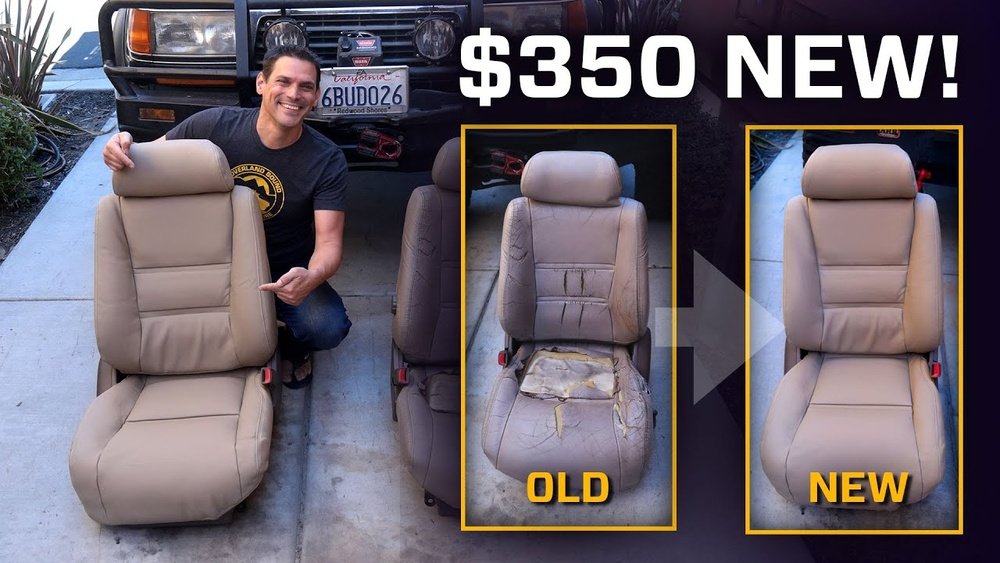
Have you ever looked at your car seat and wished it looked brand new again? Maybe the fabric is worn, torn, or stained, and you’re wondering if there’s a way to fix it without spending a fortune.
Reupholstering your car seat could be the perfect solution—and it’s easier than you might think. In this guide, you’ll discover simple, step-by-step tips to bring fresh life to your seat. By the end, you’ll have the confidence to transform your car’s interior and enjoy a comfortable, stylish ride every time.
Ready to get started? Let’s dive in!

Credit: www.kovifabrics.com
Tools And Materials Needed
Reupholstering a car seat needs the right tools and materials. These help you do the job cleanly and safely. Having everything ready saves time and avoids frustration. Below is a list of what you need to start your project.
Basic Tools
Start with simple tools like screwdrivers and pliers. A flathead and a Phillips screwdriver are a must. Pliers help remove old staples and clips. A wrench might be needed to take the seat out.
Upholstery Supplies
You need new fabric or leather to cover the seat. Choose a material made for cars to last long. Foam padding keeps the seat comfortable. Spray adhesive holds the foam and fabric in place.
Fastening Tools
A staple gun is essential to attach the fabric tightly. Use heavy-duty staples for strength. Upholstery needles and strong thread are needed for sewing parts. Clips and hog rings help hold fabric in tight spots.
Cleaning And Safety Materials
Clean the seat frame before starting. Use a vacuum and a brush to remove dirt. Gloves protect your hands from sharp edges and chemicals. Safety glasses keep your eyes safe while working.
Removing The Old Upholstery
Removing the old upholstery is the first step in reupholstering a car seat. It helps you start fresh and see what needs repair. This process takes care and patience. The goal is to keep the seat frame and padding safe while taking off the fabric.
Taking off the old cover shows you how the seat is built. You can check the condition of the foam and springs inside. This knowledge helps you put the new fabric on correctly. Follow these steps to remove the old upholstery safely and cleanly.
Detaching The Seat
Start by moving the seat back to its furthest position. Look under the seat for bolts or screws. Use the right tools to unscrew them carefully. Keep all screws in a small container to avoid losing them.
Next, disconnect any electrical wires attached to the seat. These wires control heating or power adjustments. Pull the seat out slowly to avoid damage. Place it on a clean surface for the next steps.
Removing Fabric And Foam
Use pliers to pull out staples or clips holding the fabric. Work slowly to prevent tearing the fabric too much. Remove the old fabric carefully to keep it as a pattern for the new one.
After the fabric is off, check the foam padding. Take off any worn or broken foam pieces. Clean the seat frame of dust and debris. This step prepares the seat for fresh padding and fabric.
Preparing The Seat Frame
Preparing the seat frame is the first step in reupholstering a car seat. A clean, sturdy frame ensures the new fabric fits well and lasts long. This step requires attention to detail and patience. It sets the foundation for a professional-looking job.
Cleaning The Frame
Start by removing dust and dirt from the seat frame. Use a vacuum cleaner to get rid of loose debris. Wipe the frame with a damp cloth to remove grime. Avoid soaking the metal parts to prevent rust. Dry the frame thoroughly with a clean towel.
Repairing Damages
Check the frame for any cracks or broken parts. Small cracks can be fixed with epoxy glue or metal filler. For bent metal, use pliers or a rubber mallet to straighten it carefully. Replace any missing screws or bolts. A strong frame supports the new upholstery firmly.
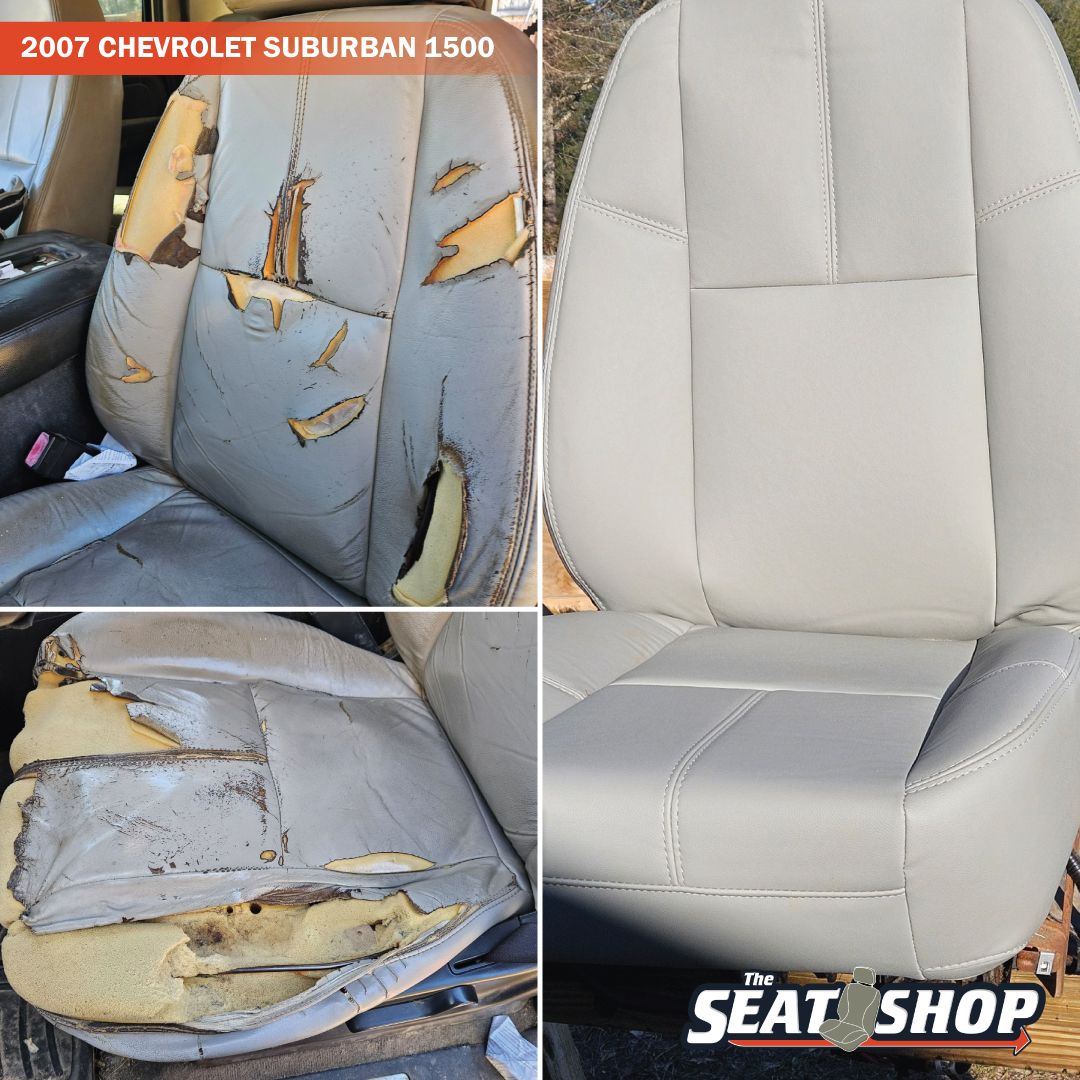
Credit: www.theseatshop.com
Cutting And Sewing New Fabric
Cutting and sewing new fabric is a key step in reupholstering a car seat. This process shapes the fabric to fit the seat perfectly. It also ensures durability and a neat finish. Careful measuring and precise stitching create a professional look. Using the right tools and methods makes this easier and more effective.
Measuring And Cutting
Start by measuring the seat carefully. Take dimensions of all parts, including sides and curves. Add a few extra inches for seams and tucks. Use these measurements to mark the fabric. A chalk pencil works well for this task. Cut the fabric slowly and accurately. Follow the lines to avoid mistakes. Keep fabric flat to prevent stretching or shrinking.
Stitching Techniques
Choose the right stitch for strength and flexibility. A straight stitch works for most areas. Use a heavy-duty needle for thick fabric. Double stitching can add extra durability. Sew slowly to keep lines straight. Backstitch at the start and end to secure seams. Press seams flat with an iron for a smooth look. This step helps the fabric lie well on the seat.
Attaching New Upholstery To The Seat
Attaching new upholstery to the car seat is a key step in reupholstering. It gives your seat a fresh, clean look. This process takes patience and care. Each part must fit well and stay secure for long-lasting results.
You will work with the fabric, foam, and padding. Proper attachment keeps the seat comfortable and strong. Follow steps carefully to avoid wrinkles and loose areas.
Securing Fabric To Frame
Start by placing the new fabric over the seat frame. Pull the fabric tight to avoid sagging. Use a staple gun or clips to fix the fabric on the frame. Begin at the center and work towards edges. Check for smoothness as you go. Avoid large folds or bunches. Trim extra fabric to prevent bulkiness. Secure corners neatly to keep the shape.
Reinstalling Foam And Padding
Next, add foam and padding to the seat. Place them evenly over the frame. Make sure there are no gaps or lumps. Align padding with seat contours for comfort. Attach foam using spray adhesive or fasteners. Press firmly to hold materials in place. Cover foam with a layer of fabric or batting if needed. This step improves seat softness and support.
Reassembling The Seat
Reassembling the seat is the final step in reupholstering your car seat. It brings everything together and restores the seat’s function. This process requires patience and attention to detail. Careful reassembly ensures the seat looks good and works well.
Reattaching Seat Components
Start by reattaching all the seat components you removed earlier. Connect the seat cushion back to the frame. Secure the backrest firmly in place. Use the correct screws and clips to avoid loose parts. Check that all wires and connectors are properly plugged in. Misplaced connections can cause seat controls to fail. Take your time to ensure each part fits perfectly.
Final Adjustments And Checks
Once all parts are reattached, test the seat’s movement. Adjust the recline, slide, and height mechanisms. Make sure everything moves smoothly without resistance. Look for any wrinkles or loose fabric. Tighten any loose screws or fasteners. Sit on the seat to feel its comfort and stability. This step confirms your work is complete and the seat is safe for use.
Tips For A Professional Finish
Achieving a professional finish on your reupholstered car seat makes all the effort worthwhile. Small details and careful steps create a clean, polished look. These tips help you avoid common mistakes and improve the seat’s appearance and durability.
Focus on preparation, tools, and technique. This ensures the fabric fits well and stays in place. A neat finish adds value and comfort to your car’s interior.
Choose The Right Fabric And Tools
Select durable fabric made for car seats. It should resist wear and sun damage. Use strong thread and heavy-duty needles. A staple gun or hog ring pliers help secure fabric tightly. Good tools make the job easier and cleaner.
Remove Old Upholstery Carefully
Take off the old cover slowly. Avoid damaging the foam or frame. Keep the pieces intact for use as a pattern. This helps cut new fabric accurately. Clean the foam and frame before adding new material.
Cut Fabric With Precision
Lay the old fabric flat and use it as a template. Add a small margin for seams. Cut smoothly to avoid jagged edges. Accurate cutting prevents puckering and loose areas. Take time to measure twice and cut once.
Stretch Fabric Evenly
Pull fabric tight but not too hard. Even tension prevents wrinkles and sagging. Work from the center outwards. Secure fabric with clips or staples as you go. Check each section before final attachment.
Use Clean, Tight Stitching
Sew edges with small, tight stitches. This holds fabric firmly and looks neat. Use a sewing machine for straight lines. Hand stitch where machines cannot reach. Avoid loose threads or gaps.
Finish Edges Neatly
Fold edges under before stitching or stapling. This hides raw fabric and prevents fraying. Use binding or trim for a clean border. Neat edges give the seat a finished, professional look.

Credit: www.youtube.com
Frequently Asked Questions
What Tools Are Needed To Reupholster A Car Seat?
You need basic tools like screwdrivers, pliers, hog ring pliers, scissors, and a staple gun. Quality upholstery fabric and foam padding are essential. Having a seam ripper helps remove old fabric easily. These tools ensure smooth and professional results.
How Long Does It Take To Reupholster A Car Seat?
Reupholstering a car seat typically takes 3 to 6 hours. Time varies based on your skill level and seat complexity. Removing old fabric, cutting new material, and securing it properly require patience and precision for the best finish.
Can I Reupholster Car Seats Without Professional Help?
Yes, DIY reupholstering is possible with practice and patience. Start with simple seats and follow detailed tutorials. Using correct tools and materials improves quality. However, complex designs or damaged frames may need professional assistance for safety and durability.
What Fabric Is Best For Car Seat Reupholstery?
Durable materials like leather, vinyl, or heavy-duty polyester blends work best. These fabrics resist wear, stains, and UV damage. Choose fabric that matches your car’s interior and offers comfort. Proper selection ensures long-lasting, attractive seats.
Conclusion
Reupholstering a car seat can refresh your vehicle’s look and feel. It takes time and patience but is worth the effort. Choose the right materials and tools before you start. Follow each step carefully to avoid mistakes. Soon, you will enjoy a clean and comfortable seat.
This project saves money and gives your car a personal touch. Try it yourself and see the difference it makes.
