
You want the best for your child, and that includes keeping them safe in the car. But did you know car seats don’t last forever?
Using an expired car seat can put your little one at risk without you even realizing it. So, how do you tell when a car seat expires? Understanding this simple yet crucial detail can save you from costly mistakes and keep your child protected.
Keep reading, and you’ll learn exactly what signs to look for and why timing matters more than you might think.
Credit: www.shadetreegarage.com
Car Seat Lifespan
Car seats keep children safe in the car. They protect during sudden stops and crashes. But car seats do not last forever. Knowing the lifespan helps keep your child safe. Expired seats may not work well in a crash. This section explains how long car seats last and what affects their durability.
Typical Expiration Period
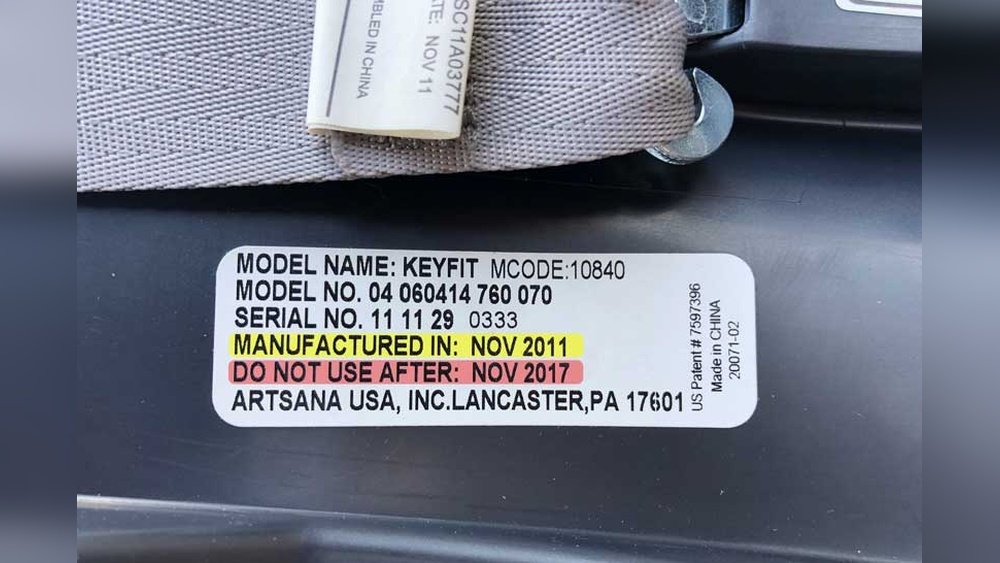
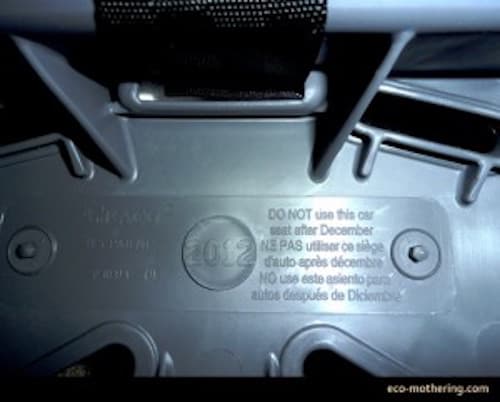
Most car seats last between six and ten years. The exact time depends on the brand and model. Manufacturers print the expiration date on a label or molded into the seat. This date is important to check before use. Using a car seat past its expiration can reduce safety.
Over time, materials like plastic and foam break down. This makes the seat weaker and less protective. Car seat laws often require using seats within their lifespan. Always follow the expiration date to ensure maximum safety.
Factors Affecting Durability
Heat, sunlight, and humidity can weaken a car seat. Leaving seats in hot cars often speeds up material wear. Crashes or accidents also affect the seat’s strength. Even small impacts may damage internal parts.
Improper storage or heavy use can shorten a seat’s life. Cleaning with harsh chemicals may harm the materials. Regularly inspect the car seat for cracks or loose parts. These signs mean the seat may no longer be safe.
Credit: southernmaineonthecheap.com
Locating Expiry Information
Knowing when a car seat expires is important for your child’s safety. Car seats do not last forever. They can wear out or lose protection over time. Finding the expiry date is the first step. It helps you decide if the seat is still safe to use. The expiry information is not always easy to spot. It hides in certain places on the seat or in the manuals. This section shows where to find it quickly.
Label And Sticker Locations
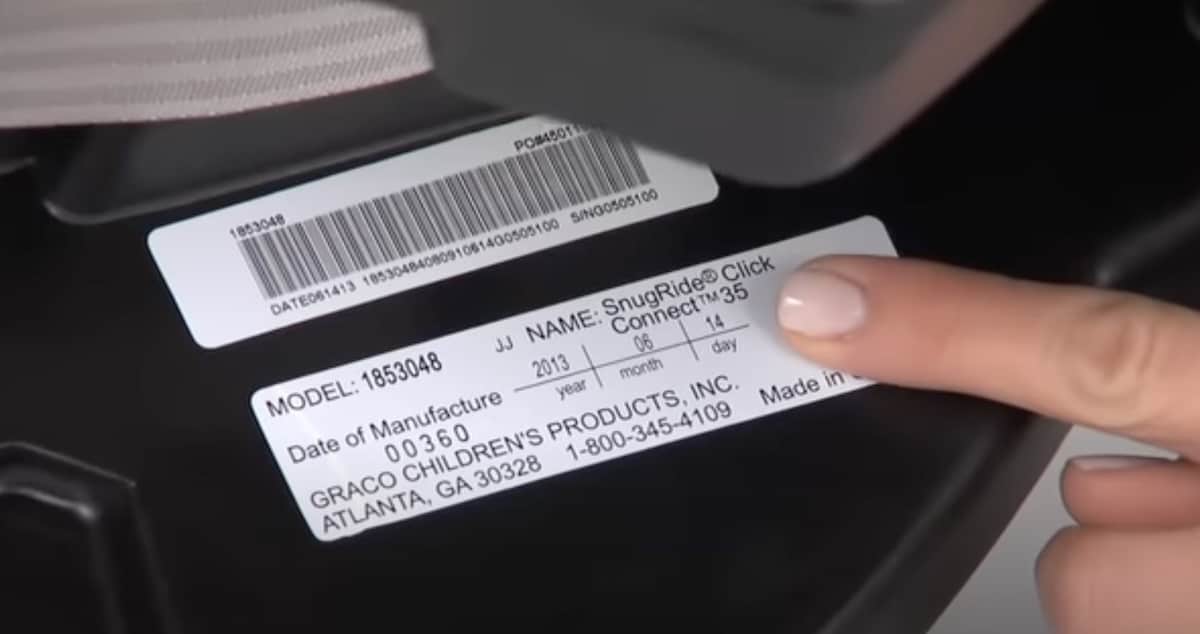
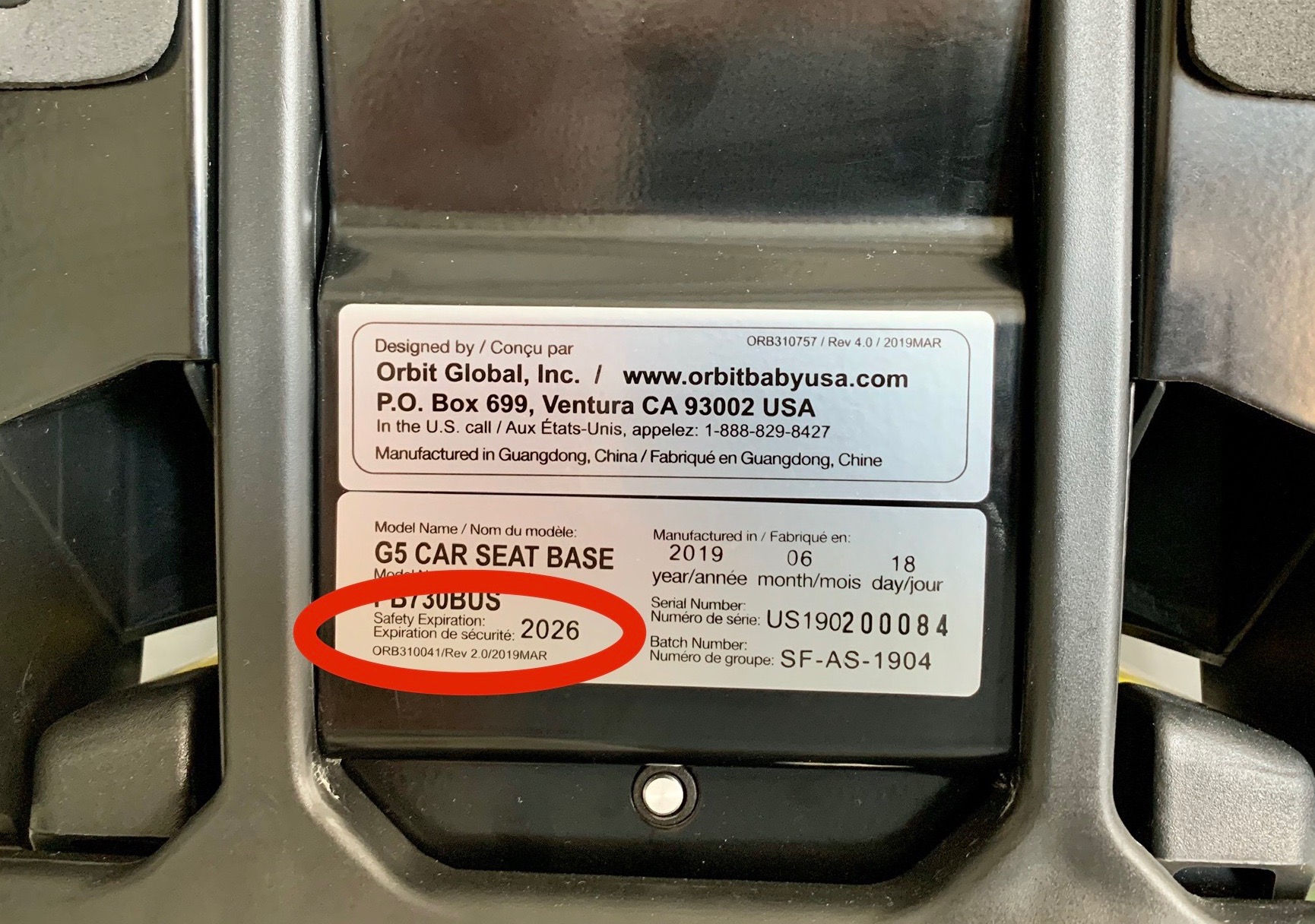
Most car seats have a label or sticker with important info. This label often shows the manufacture date and expiry date. Check the back or bottom of the car seat. Look under the padding or near the belt slots. Some seats place the sticker on the side. The label may be printed on fabric or plastic. It might also include the model number and safety standards.
Manufacturer Manuals
The manual that comes with the car seat is a good source. It has detailed info about the seat, including expiration. Manuals explain how long the seat can be safely used. They also describe how to read the labels on the seat. Manuals may offer tips on checking the seat’s condition. If you lost the manual, many manufacturers post it online. Search using the seat’s model number to find a digital copy.
Signs Of Wear And Damage
Car seats protect children during travel. Over time, they can wear out or get damaged. These signs help know when a car seat is no longer safe to use. Checking for wear and damage is important for child safety.
Cracks And Fading
Look closely at the car seat’s plastic parts. Cracks can appear from age or impact. Even small cracks weaken the seat. Fading shows the seat has been in the sun too long. Faded colors may mean the material is weak.
Broken Parts And Missing Components
Check all parts carefully. Broken buckles or straps can fail in a crash. Missing components, like chest clips or pads, reduce safety. Each part has a job to keep a child secure. Missing or broken pieces mean the seat should be replaced.
Credit: support.orbitbabyusa.com
Safety Risks Of Expired Seats
Expired car seats pose serious safety risks. Over time, materials weaken and parts can fail. Using an old seat may not protect a child properly during a crash. Knowing these risks helps parents make safer choices.
Reduced Impact Protection
Car seats lose strength as they age. The plastic shell can become brittle and crack easily. Foam padding may break down and not absorb impact well. Straps and buckles can wear out or weaken. These changes reduce the seat’s ability to keep a child safe in a crash.
Regulatory Compliance Issues
Safety rules change over the years. An expired seat may not meet the latest safety standards. Newer seats often have better designs and stricter tests. Using an old seat means missing out on these safety improvements. It may also fail to pass inspections or legal checks.
Proper Maintenance Tips
Proper maintenance helps extend a car seat’s life. It keeps the seat safe and clean. Regular checks and care prevent damage and wear. Follow simple steps to keep the seat in good shape.
Regular Cleaning
Clean the car seat often to remove dirt and crumbs. Use mild soap and warm water for fabric parts. Avoid harsh chemicals that can weaken materials. Wipe plastic and metal parts with a damp cloth. Let the seat air dry completely before use. Check the straps and buckles for dirt buildup. Clean these parts gently to keep them working well.
Storage Recommendations
Store the car seat in a dry, cool place when not in use. Avoid direct sunlight to prevent fading and material breakdown. Keep it away from extreme heat or cold. Use a protective cover to keep dust and moisture away. Never store the seat in a garage with strong chemicals. Proper storage helps maintain the seat’s strength and safety features.
When To Replace Your Car Seat
Knowing when to replace your car seat is very important for your child’s safety. Car seats do not last forever. Over time, their materials wear out and safety features can weaken. Using an expired or damaged car seat can put your child at risk during a crash.
Car seats have a specific lifespan. This lifespan depends on the brand, model, and usage. Paying attention to signs of wear or damage helps keep your child safe. Also, following certain rules ensures you replace the seat at the right time.
After Accidents
Any car crash can damage a car seat, even if it looks fine. The safety parts inside may break without showing signs. Using a seat after a crash is unsafe. Always replace the car seat after an accident to protect your child.
Following Manufacturer Guidelines
Car seat makers give clear rules about how long their seats last. This information is usually on a label or in the manual. Most car seats expire after six to ten years. Check the expiration date before using the seat. Using a seat past its limit can reduce safety.
Frequently Asked Questions
How Can I Find My Car Seat’s Expiration Date?
Check the label on the car seat, usually on the side or bottom. It states the manufacture date and expiration. Expiration is typically 6 to 10 years from manufacture. Always follow the manufacturer’s guidelines for safety.
Why Do Car Seats Expire After Several Years?
Car seats expire due to material degradation and evolving safety standards. Over time, plastic weakens, and straps wear out. Expired seats may not protect your child properly in a crash. Using an expired seat risks your child’s safety.
Can I Still Use A Car Seat After It Expires?
No, using an expired car seat is unsafe. Expired seats may fail during accidents. Always replace the car seat once it reaches its expiration date. Prioritize your child’s safety by using up-to-date car seats.
What Happens If The Car Seat Label Is Missing?
If the label is missing, it’s hard to verify expiration. Contact the manufacturer with the model number for guidance. If uncertain, it’s safer to replace the seat. Using a seat without expiration info is risky.
Conclusion
Car seats do not last forever. Check the label for the expiration date. Old car seats may not protect your child well. Look for cracks, missing parts, or worn straps. Follow the manufacturer’s rules to keep your child safe. Replace the car seat after a crash or if it’s expired.
Staying aware helps protect your child every ride. Safety matters most when traveling with little ones. Always use a car seat that is up to date and in good condition.
