
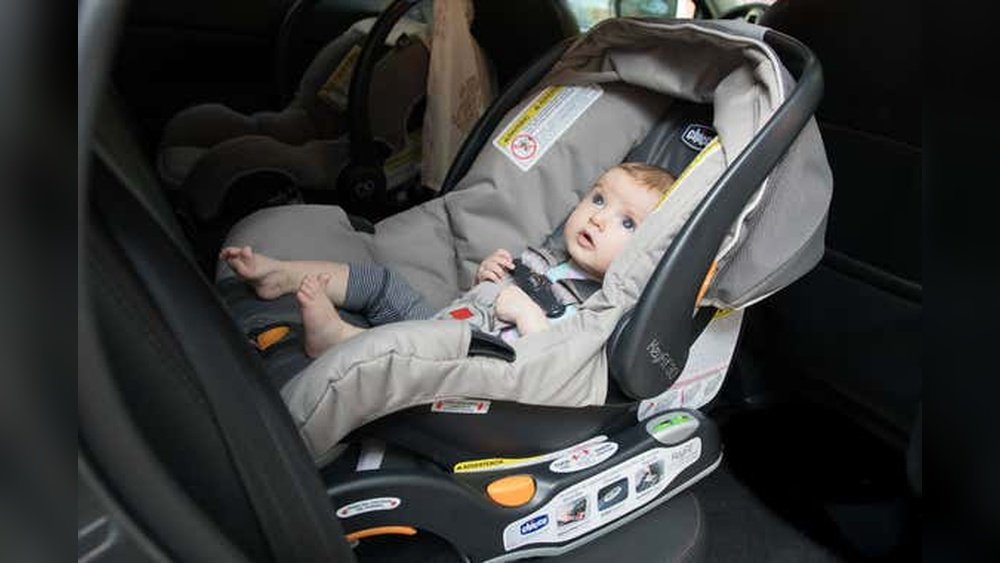
If you’re like most parents, you want to keep your 3-month-old safe and comfortable during car rides. But how long can your baby stay in a car seat without risking discomfort or harm?
Knowing the right answer can make a huge difference in your child’s safety and happiness on the road. You’ll discover expert tips and clear guidelines to help you make the best choices for your little one every time you drive.
Keep reading to learn exactly how to protect your baby while making travel smoother for both of you.
Car Seat Time Limits For 3-month-olds
Car Seat Time Limits for 3-Month-Olds are important for safety and comfort. At three months, babies still have delicate bodies. Sitting too long in a car seat can cause discomfort and health issues. Parents must understand how long a 3-month-old baby can safely stay in a car seat during trips.
Short rides need less time in the seat. Long trips require breaks to keep the baby safe. Knowing the limits helps avoid risks like poor circulation or breathing problems.
Recommended Duration Per Ride
Experts suggest a 3-month-old should stay in a car seat for no more than two hours at a time. This limit helps prevent stress on the baby’s body. If the trip is longer, stop every hour or so. Take the baby out of the seat to stretch and move. Short breaks improve comfort and reduce risks.
Signs Of Discomfort In Infants
Watch for fussiness or crying during the ride. These can signal discomfort or pain. Babies might squirm or try to change position. Notice changes in breathing or skin color. Pale or flushed skin needs attention. React quickly to keep the baby calm and safe.
Impact Of Extended Sitting
Long periods in a car seat can cause flat head syndrome. Poor blood flow may lead to numbness or swelling. Breathing might become harder if the baby slouches. Muscle stiffness and soreness can develop. Extended sitting slows digestion and makes the baby irritable.

Credit: www.naturalbabyshower.co.uk
Safe Practices For Using Car Seats
Using a car seat safely is very important for your 3-month-old baby. Proper use helps protect your child during every trip. It also makes travel more comfortable and secure for the baby. Follow these safe practices to ensure your car seat is ready for use and your baby stays safe.
Proper Seat Installation
Install the car seat tightly in the vehicle. The seat should not move more than an inch side to side. Use the seat belt or the LATCH system as the car seat manual directs. Check the angle of the seat to keep your baby’s head from falling forward. A properly installed seat reduces injury risks in a crash.
Correct Harness Positioning
Place the harness straps at or below your baby’s shoulders. The straps should lie flat without twists. Tighten the harness until you cannot pinch extra webbing. The chest clip must be at armpit level. Proper harness positioning keeps your baby secure and stops slipping.
Avoiding Loose Clothing
Dress your baby in thin layers under the harness. Bulky coats or blankets can prevent a snug fit. Remove heavy jackets before buckling your baby in. Loose clothing can reduce harness effectiveness. Keeping clothes thin helps the harness hold your baby safely.
Alternatives To Prolonged Car Seat Use
Keeping a 3-month-old in a car seat for a long time is not ideal. Babies need movement and comfort. There are better ways to keep your baby safe and happy during travel. These options help reduce the time your baby spends in the car seat.
Frequent Breaks During Travel
Stopping often helps your baby stretch and move. Take breaks every hour to remove your baby from the car seat. Let your baby lie flat on a safe surface. This prevents discomfort and supports healthy development.
Using Infant Carriers
Infant carriers offer a good alternative to car seats. They allow parents to hold babies close while moving. Carriers keep babies secure and comfortable. Use them during short walks or when not in the car. This gives your baby a break from the car seat.
Monitoring Baby’s Behavior
Watch your baby closely during travel. Signs of discomfort include fussiness, crying, or stiff body. Stop and check your baby if these signs appear. Adjust the baby’s position or take a break. This keeps your baby calm and safe.

Credit: www.youtube.com
Health Risks Of Long Car Seat Use
Using a car seat for long periods can cause health problems for a 3-month-old baby. It is important to understand the risks to keep your baby safe and comfortable. Babies have delicate bodies that need proper support and movement.
Spending too much time in a car seat can affect breathing, development, and head shape. Parents should watch for signs of discomfort or distress during car rides. Learning about these risks helps prevent harm and promotes healthy growth.
Breathing Difficulties
Babies have small airways that can get blocked easily. Sitting too long in a car seat may cause the baby’s head to slump forward. This position can make it hard for the baby to breathe well.
Car seats are designed for travel, not long rest. Keep car seat time short to avoid breathing issues. Check the baby’s breathing often during the ride.
Developmental Concerns
Babies need to move freely to develop muscles and bones. Long periods in a car seat limit their movement and muscle use. This can slow down their physical growth and motor skills.
Limit car seat time to support healthy development. Give the baby tummy time and chances to stretch outside the seat.
Preventing Flat Head Syndrome
Flat head syndrome happens when a baby’s head stays in one position too long. Car seats can cause pressure on the back of the head. This pressure may flatten the skull over time.
Change the baby’s position often and avoid long car seat sessions. Use supervised playtime on soft surfaces to reduce pressure on the head.
Expert Recommendations And Guidelines
Understanding how long a 3-month-old baby can stay in a car seat is important for safety. Experts give clear advice to help parents keep their little ones safe during car rides. Following trusted guidelines ensures the baby is comfortable and protected.
Aap Guidelines On Car Seat Use
The American Academy of Pediatrics (AAP) says infants should not be in a car seat for more than two hours at a time. This helps prevent breathing problems and discomfort. The AAP recommends taking breaks on long trips to remove the baby from the seat. Always place the car seat rear-facing for infants under two years old.
Pediatrician Advice
Pediatricians suggest watching the baby closely for signs of distress in the car seat. If the baby becomes fussy or struggles to breathe, stop and check immediately. They advise limiting car seat time and using other safe ways to carry the baby when not traveling. Regular breaks are key to keeping the baby healthy and happy.
Manufacturer Instructions
Car seat makers provide important instructions on use and time limits. Each model may have specific rules about how long a baby can stay in the seat. Always read the manual carefully before use. Following these instructions helps avoid risks and keeps the baby secure during travel.

Credit: www.independent.co.uk
Frequently Asked Questions
How Long Can A 3-month-old Safely Stay In A Car Seat?
A 3-month-old baby should not stay in a car seat for more than 2 hours at a time. Prolonged sitting can affect breathing and cause discomfort. Always take breaks during long trips to remove the baby and allow movement.
Why Is Limiting Car Seat Time Important For Infants?
Limiting car seat time prevents breathing difficulties and reduces the risk of flat head syndrome. It also helps avoid muscle stiffness and promotes healthy development. Frequent breaks ensure the baby remains comfortable and safe during travel.
Can A 3-month-old Sleep Safely In A Car Seat?
Yes, a 3-month-old can sleep in a car seat briefly during travel. However, avoid letting the baby sleep for long periods as it may restrict airflow. Always monitor the baby’s position to keep airways open and maintain comfort.
When Should I Remove My Baby From The Car Seat?
Remove your baby from the car seat every 1 to 2 hours during travel. This helps prevent discomfort and reduces health risks. Use breaks to feed, change, and allow your baby to stretch and move freely.
Conclusion
Babies should not stay in a car seat for too long at once. For a 3-month-old, limit car seat time to about 1-2 hours. Long periods can cause discomfort and affect breathing. Always take breaks during long trips to let your baby stretch and rest outside the seat.
Keep your baby safe and comfortable by watching for signs of fussiness. Short rides and frequent stops help protect your little one’s health. Remember, safety and comfort go hand in hand on every journey.
