
Have you ever wondered how long your car seat stays safe for your child? Knowing when a car seat expires is more important than you might think.
Using an expired car seat could put your little one at risk without you even realizing it. You’ll discover exactly how long a car seat lasts, why expiration dates matter, and what you should do when your seat reaches that date.
Keep reading to make sure your child’s safety is never compromised.
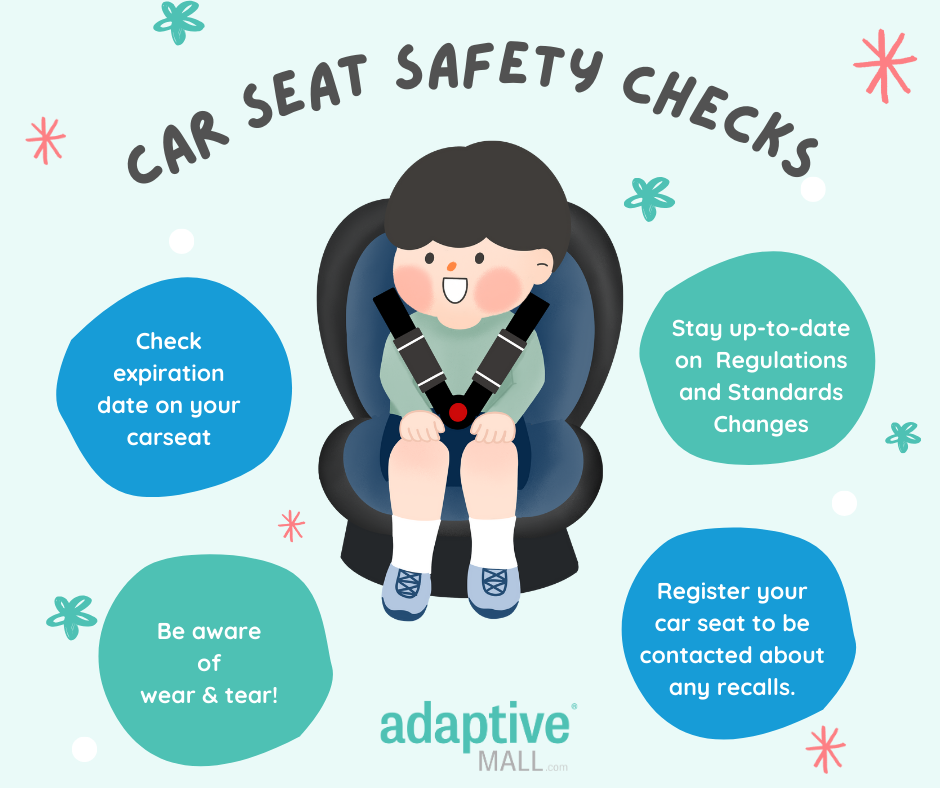
Credit: www.adaptivemall.com
Car Seat Lifespan Basics
Understanding the lifespan of a car seat is important for safety. Car seats do not last forever. They have a set time period before they expire. Using an expired car seat can be dangerous. The materials may weaken over time. This can reduce protection during a crash. Knowing the basics helps parents keep their children safe.
Typical Expiry Periods
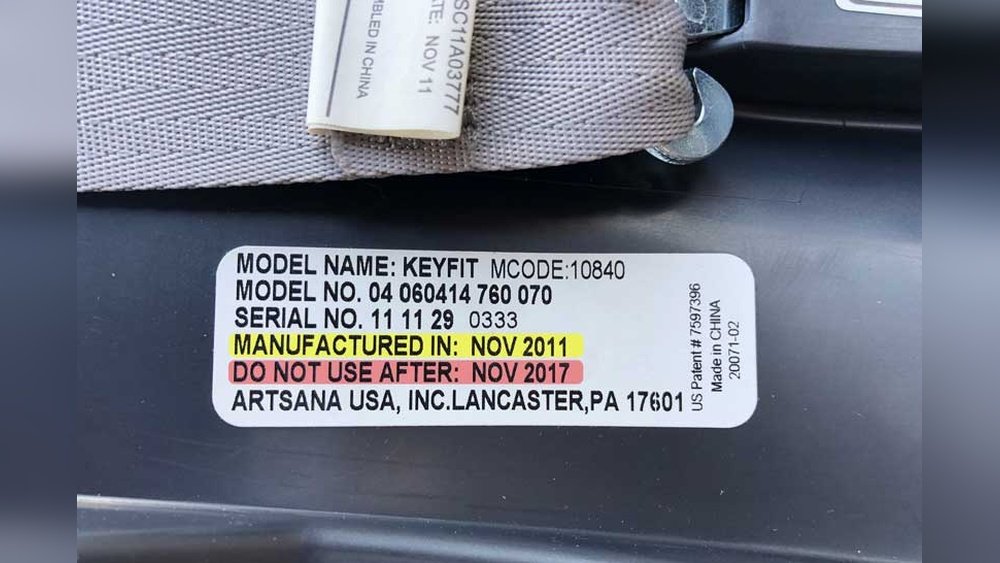
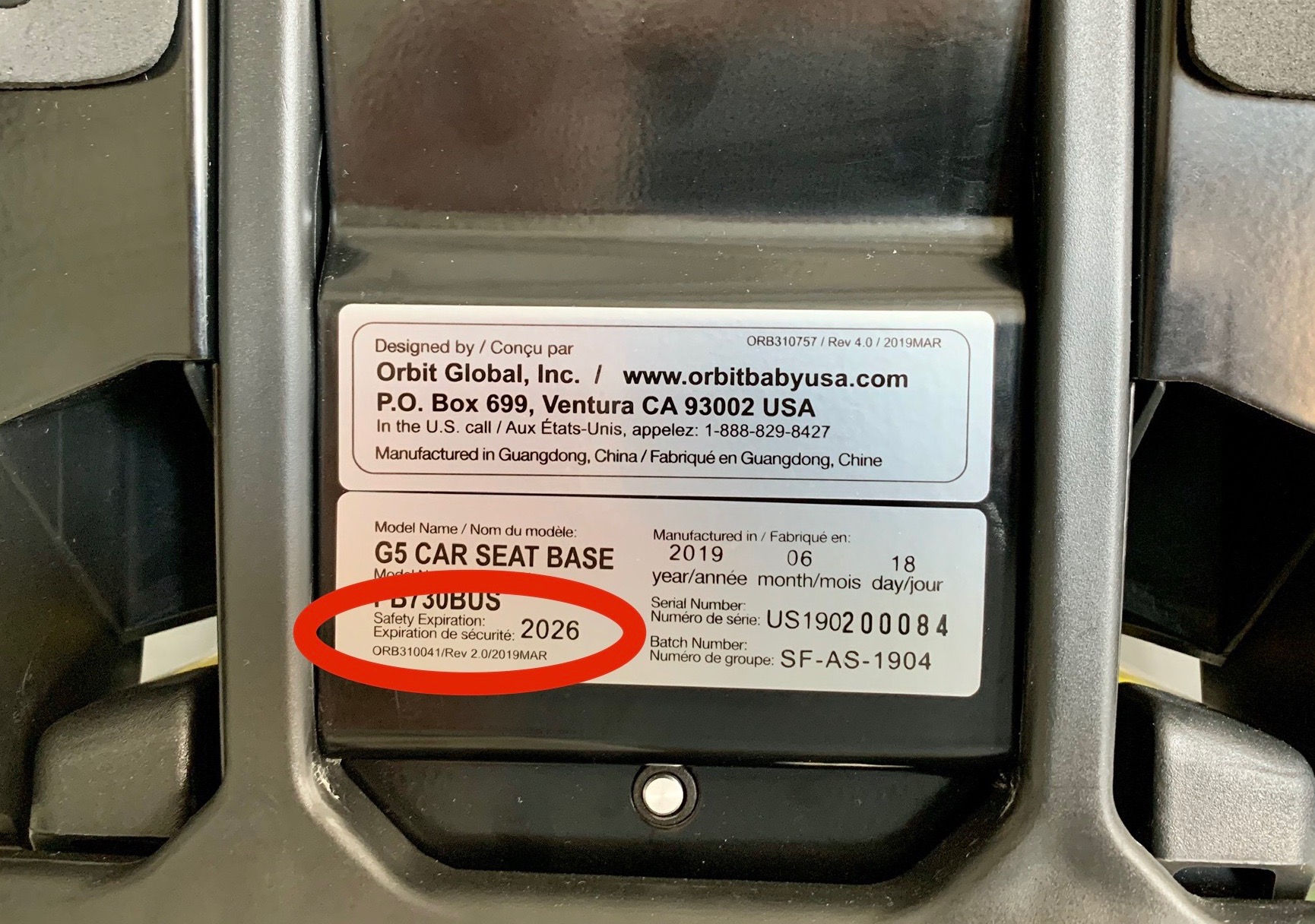
Most car seats expire between six and ten years. This depends on the brand and model. The expiration date is usually printed on the seat. It can be found on a sticker or molded into the plastic. Some seats have shorter lifespans, especially booster seats. It is best to check the manual for exact details.
Factors Influencing Expiry
Heat and sunlight can damage car seats faster. Plastic parts may become brittle. Fabric and padding can wear out. Frequent use and cleaning also affect lifespan. Older car seats might not meet new safety standards. Damage from accidents or misuse shortens the seat’s life. Always inspect the seat for cracks or wear before use.
Manufacturer’s Role
Manufacturers play a key role in setting the lifespan of a car seat. They decide how long a seat can safely protect a child. This period is called the expiration date. The date helps parents know when to stop using the seat. It ensures the seat still meets safety rules.
Car seats face wear and tear over time. Materials can weaken and parts may break. Safety rules also change. Manufacturers use all this to set a clear expiry date. This date is often between 6 to 10 years from the seat’s manufacture.
Locating Expiry Dates
Finding the expiry date is easy if you know where to look. Most car seats have a label with the date. This label is usually on the back or bottom of the seat. Some labels show the exact date, others show the manufacture date. You can figure out the expiry date by adding the seat’s lifespan.
Check the seat carefully. Dirt or stickers might cover the label. Clean the area gently to see the date. If you cannot find it, contact the manufacturer. They can tell you the expiry date with the model number.
Reading Labels And Manuals
Labels and manuals give more than just the expiry date. They include safety instructions and warnings. The manual explains how to use the seat properly. It also lists the seat’s weight and height limits. These details help parents choose the right seat for their child.
Reading the manual fully can avoid misuse. Misuse can make the seat unsafe even if it is not expired. Keep the manual handy for quick reference. Digital copies are often available on the manufacturer’s website.
Safety Risks Of Expired Seats
Using an expired car seat can put a child’s safety at risk. Over time, the materials and technology in the seat change. These changes can reduce the seat’s ability to protect a child in a crash. Understanding the safety risks helps parents make smart choices.
Material Degradation
Car seats face wear from heat, sunlight, and regular use. Plastic parts can become brittle and crack. Foam padding may lose its ability to absorb impact. Straps and buckles can weaken or break. These issues lower the seat’s strength and safety. An expired seat may fail to protect a child properly.
Technological Obsolescence
Car seat safety standards improve over time. Older seats may lack new safety features. Advances like better side-impact protection or improved harness designs matter. Using outdated seats means missing these safety upgrades. Newer seats also meet stricter crash test rules. Expired seats may not perform well in modern accidents.
Credit: support.orbitbabyusa.com
When To Replace Your Car Seat
Knowing when to replace your car seat is very important for safety. Car seats do not last forever. Over time, materials wear out, and technology improves. Using an old or damaged seat can put your child at risk. Watch for signs that show it’s time for a new car seat.
After Accidents
Any car seat involved in a crash must be replaced. Even small accidents can weaken the seat’s structure. Damage might not be visible but can reduce protection. Always replace the seat after a collision to keep your child safe.
Visible Wear And Tear
Check your car seat often for wear and tear. Look for cracks, broken parts, or frayed straps. Faded labels or missing instructions are also warning signs. If you see any damage, stop using the seat immediately. Replace it to ensure safety and proper function.
Proper Maintenance Tips
Proper maintenance helps extend the life of a car seat. It keeps the seat safe and clean for your child. Regular care prevents damage and wear. Follow simple steps to keep the car seat in top condition.
Cleaning Without Damage
Use mild soap and warm water to clean the car seat. Avoid harsh chemicals that can weaken the fabric and plastic. Remove the cover and hand wash it gently. Let it air dry completely before putting it back on.
Clean straps with a damp cloth only. Do not soak or machine wash the straps. This can reduce their strength and safety. Wipe down the plastic parts with a soft cloth to remove dirt.
Storage Recommendations
Store the car seat in a dry, cool place. Avoid areas with extreme heat or cold. Sunlight can fade and weaken the materials over time. Keep the seat away from moisture to prevent mold and mildew.
Use a breathable cover to protect the seat during storage. Do not stack heavy items on top of the car seat. Keep the manual and labels safe for future reference.
Legal Requirements And Recommendations
Car seats have expiration dates for safety reasons. These dates are based on laws and expert advice. Knowing the legal rules helps you keep your child safe. It also ensures you follow the law in your area. Below are details about the rules and standards for car seats.
Regional Regulations
Each region sets rules for car seat use and expiration. These rules vary by country and sometimes by state. Some places require car seats to be replaced every six years. Others may allow longer use but still set a limit. Always check local laws to know the exact rules. Using an expired car seat may lead to fines or safety risks.
Safety Standards
Safety organizations test car seats for quality and durability. These groups set standards that manufacturers must follow. Standards include crash tests and material safety. Expiration dates ensure seats work well over time. Old seats may lose strength or have broken parts. Following safety standards helps protect children in accidents.
Choosing A New Car Seat
Choosing a new car seat can feel confusing. Many options fill the market. Safety and fit matter most. A good car seat protects your child in every ride. It is important to pick one that matches your needs and your vehicle.
Focus on seats with the latest safety features. Check if the car seat fits well in your car. These steps keep your child safe and comfortable.
Latest Safety Features
Look for car seats with updated safety technology. Side-impact protection helps protect your child’s head and body. Five-point harnesses hold children securely. Energy-absorbing foam lowers injury risk in crashes. Some seats have easy-to-adjust straps for a better fit. Safety standards change often. Choose a car seat that meets current regulations. This ensures the best protection for your child.
Compatibility With Vehicles
Check your car’s manual for car seat compatibility. Some seats fit better in certain cars. Consider the seat’s size and shape. Test the seat in your vehicle before buying. Look for car seats with clear installation guides. LATCH systems make installation easier and safer. A well-fitted car seat stays stable and protects better. Compatibility saves time and ensures safety on every trip.

Credit: www.pampers.com
Frequently Asked Questions
How Long Does A Car Seat Last Before Expiring?
A car seat typically expires after 6 to 10 years. The exact duration depends on the manufacturer’s guidelines. Always check the car seat label for the expiration date to ensure safety and compliance with current standards.
Why Do Car Seats Have Expiration Dates?
Car seats expire due to material wear, outdated safety standards, and technological advances. Over time, plastics and straps degrade, reducing protection. Expiration ensures your child benefits from the latest safety features and materials.
Can You Use An Expired Car Seat Safely?
Using an expired car seat is not recommended. Expired seats may fail during accidents due to weakened materials or outdated safety technology. Always replace the car seat once it reaches its expiration date for maximum safety.
Where Can I Find My Car Seat’s Expiration Date?
The expiration date is usually printed on a label or embossed on the car seat’s plastic shell. Check the back, bottom, or side of the seat. If unsure, consult the manufacturer’s manual or website.
Conclusion
Car seats do not last forever. Most expire after six to ten years. Check the label for the exact date. Expired seats may lose safety features. Always replace a seat after an accident. Using a current, undamaged car seat protects your child.
Stay safe by knowing when to update the seat. Trust only seats that meet safety standards. This small step keeps your child secure on every trip.
