
You want the best for your child’s safety, and that means knowing exactly how long your car seat will keep them protected. But did you know car seats don’t last forever?
Using an expired car seat can put your little one at serious risk, even if it looks fine. So, how long do car seats actually last, and what signs tell you it’s time to replace yours? Keep reading to discover everything you need to know to keep your child safe on every ride.

Credit: www.pampers.com
Car Seat Lifespan
Car seats have a limited lifespan that affects safety. Knowing how long a car seat lasts helps protect children. Over time, materials wear down and safety features may weaken. Always check the lifespan to keep your child safe.
Typical Expiry Periods
Most car seats expire between 6 and 10 years. The exact time depends on the brand and model. This period ensures the seat keeps its safety features. After expiry, the seat may not protect well in a crash. Always find the expiration date on the seat label or manual.
Factors Affecting Durability
Heat and sunlight can weaken the car seat’s plastic and fabric. Frequent use causes straps and buckles to wear out faster. Accidents can damage the seat even if no cracks are visible. Proper cleaning and storage help maintain the seat’s condition. Check the seat often for signs of damage or wear.
Risks Of Using Expired Seats
Using an expired car seat can put your child at serious risk. Car seats have a limited lifespan to keep your child safe. Over time, parts wear out and materials break down. This can make the seat less effective in a crash. Understanding the risks helps you make the best choice for your child’s safety.
Material Degradation
Car seats are made from plastic and fabric that weaken over time. Heat, sunlight, and everyday use cause the materials to break down. Plastic can become brittle and crack easily. Straps and padding lose strength and may not hold your child properly. These changes reduce the seat’s ability to protect.
Safety Compromise
Expired seats may fail during a crash. Safety features like buckles and harnesses may not work correctly. Manufacturers stop testing seats after expiration. This means no guarantee the seat meets current safety standards. Using an expired seat increases the chance of injury in an accident.
Finding Expiry Dates
Car seats do not last forever. They have expiration dates to keep children safe. Finding these dates is important for every parent and caregiver.
Expired car seats may not protect well in crashes. Materials can weaken over time. Knowing the expiry date helps avoid risks.
Labels And Stickers
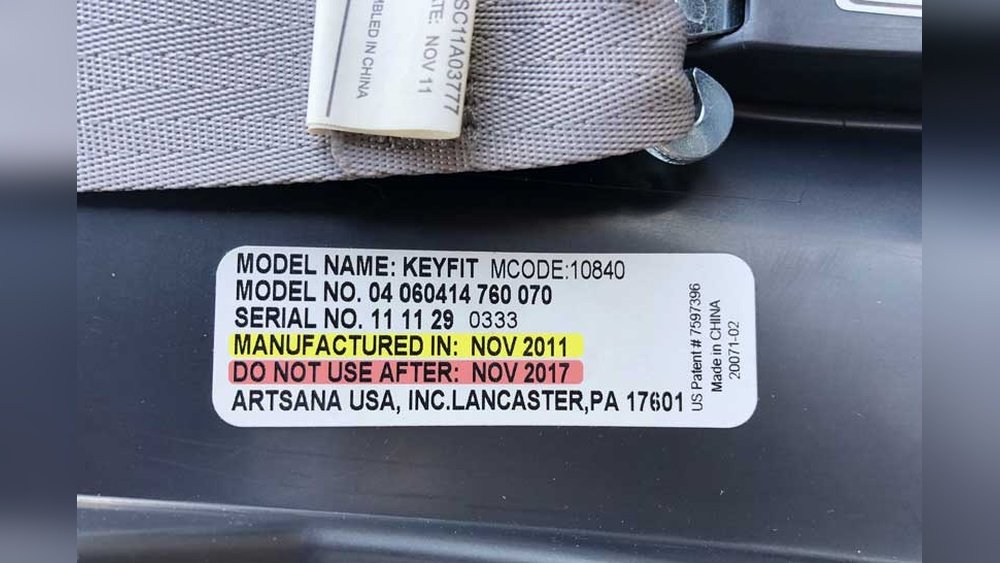
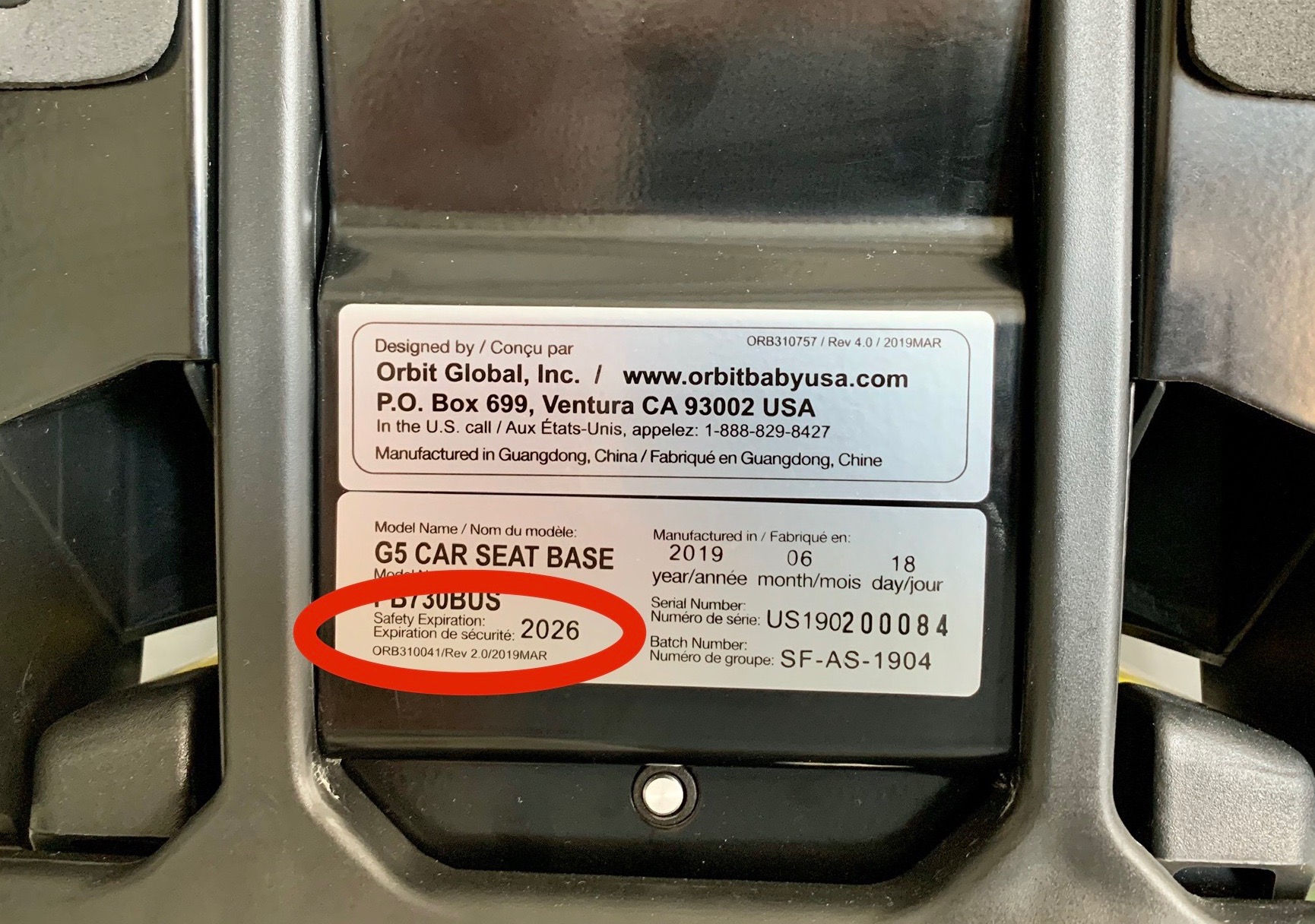
Look for labels or stickers on the car seat. They often show the manufacture date and expiry date. These are usually on the back or bottom.
Labels may include a date code or a clear “Do Not Use After” date. Check these carefully before using the seat. Some labels fade, so read them soon.
Manufacturer Guides
Each car seat brand sets its own expiry rules. Manufacturer guides explain how long the seat lasts. These guides are in the user manual or online.
Check the guide to understand the seat’s life span. Some seats last six years, others up to ten. Follow the manufacturer’s advice strictly.
When To Replace Your Car Seat
Knowing when to replace your car seat keeps your child safe. Car seats do not last forever. Over time, materials break down and safety features weaken. This makes it important to check your car seat regularly. Replace it at the right time to protect your little one.
After Accidents
Car seats should be replaced after any crash. Even small accidents can damage the seat’s structure. Damage may not be visible but can reduce safety. Manufacturers and safety experts advise never using a car seat after a crash. Always get a new car seat after an accident.
Visible Wear And Tear
Look for cracks, frayed straps, or broken parts. These signs show the car seat is unsafe. Faded labels or missing instruction booklets make it hard to use properly. Wear and tear happen with time and use. Replace the car seat if you see any damage or missing parts.
Safe Usage Tips
Using a car seat safely helps protect your child during every trip. Knowing how to use the seat correctly keeps your child secure. Follow these tips to ensure the best safety.
Proper Installation
Install the car seat tightly in the vehicle. A loose seat can cause serious harm in a crash. Follow the manufacturer’s instructions carefully. Use the seat belt or LATCH system as directed. Check the seat angle to keep your child comfortable and safe. Ask a technician to inspect your installation if unsure.
Regular Maintenance
Check the car seat often for wear and tear. Look for cracks, broken parts, or frayed straps. Clean the seat cover regularly to keep it fresh. Avoid using harsh chemicals that can damage materials. Replace any damaged parts immediately. Keep the instruction manual handy for reference and updates.

Credit: www.specialtomato.com
Choosing A New Car Seat
Choosing a new car seat is an important task for every parent. Safety is the top priority for your child’s travel. A good car seat protects your child in every ride. Understanding the latest rules and features helps make the right choice. This guide explains what to check when buying a new car seat.
Latest Safety Standards
Car seats must meet safety standards set by authorities. These rules ensure the seat protects your child well. Look for seats that follow the newest safety laws. New standards often include better crash protection and testing methods. Check the label for safety certifications before buying. Seats made under older rules may not offer enough protection.
Features To Consider
Comfort and ease of use matter in a car seat. Adjustable straps help fit the seat as your child grows. Look for side impact protection for extra safety. Some seats come with removable covers for easy cleaning. A lightweight seat makes moving between cars simple. Choose a seat that fits well in your vehicle. Ensure it matches your child’s age, weight, and height.
Credit: support.orbitbabyusa.com
Frequently Asked Questions
How Long Do Car Seats Typically Last?
Car seats usually expire after 6 to 10 years from the manufacture date. This ensures safety standards are met. Always check the label on the seat for the exact expiration date.
Why Do Car Seats Have Expiration Dates?
Expiration dates guarantee the materials remain safe and effective. Over time, plastic and straps degrade, reducing crash protection. Using expired seats can increase injury risks in accidents.
Can Expired Car Seats Still Be Used Safely?
Using expired car seats is not recommended. Safety features may weaken, and manufacturers stop supporting them. For your child’s protection, replace car seats after their expiration date.
How To Find A Car Seat’s Expiration Date?
Look for a label or embossed date on the car seat base or frame. It usually states the manufacture date and expiration period. If unclear, consult the car seat manual or manufacturer.
Conclusion
Car seats expire for safety reasons. Over time, materials weaken and may fail. Always check the label for the expiration date. Using an expired car seat can put children at risk. Replace seats after accidents or if they show damage.
Proper car seat use keeps kids safe on every trip. Stay informed and keep your child protected. Safety is worth the small effort.
