
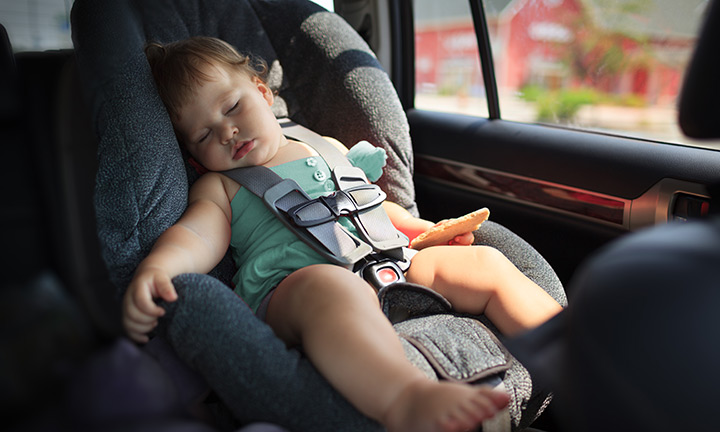
Have you ever wondered how long your child’s car seat will keep them safe? Knowing when a car seat expires is more important than you might think.
Using an old or expired car seat could put your little one at risk, even if it looks fine on the outside. You’ll discover exactly how many years a car seat lasts and why you should pay close attention to its expiration date.
Keep reading to make sure your child stays secure every time you hit the road.
Credit: www.pampers.com
Car Seat Lifespan
Car seats do not last forever. Knowing their lifespan helps keep children safe. Over time, materials wear out and safety features may weaken. This section explains how long car seats usually last. It also covers what affects their durability.
Typical Expiration Period
Most car seats expire after six to ten years. The exact time depends on the brand and model. Manufacturers set expiration dates to ensure safety standards. Using an expired car seat can risk your child’s safety. Check the label or manual for the expiration date.
Factors Affecting Durability
Heat, sunlight, and humidity can weaken a car seat’s materials. Frequent use and accidents also reduce its lifespan. Proper cleaning and storage can help maintain its condition. Avoid using a car seat after a crash, even if it looks fine. Always inspect your car seat regularly for damage.
Expiration Indicators
Car seats do not last forever. Knowing the signs of expiration keeps your child safe. Expiration indicators show when it’s time to replace the seat. These signs help avoid using a seat that may fail in a crash.
Manufacturer Labels
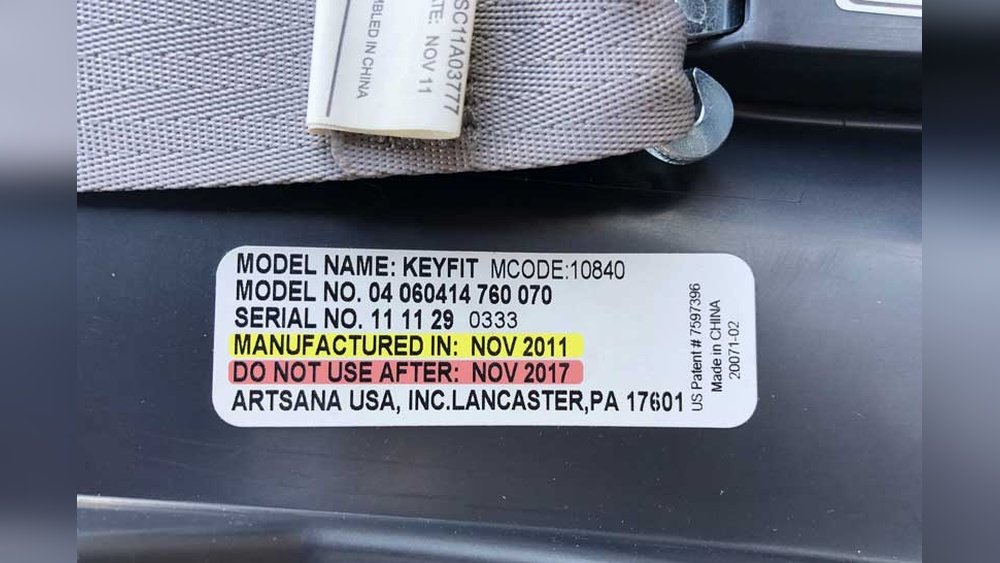
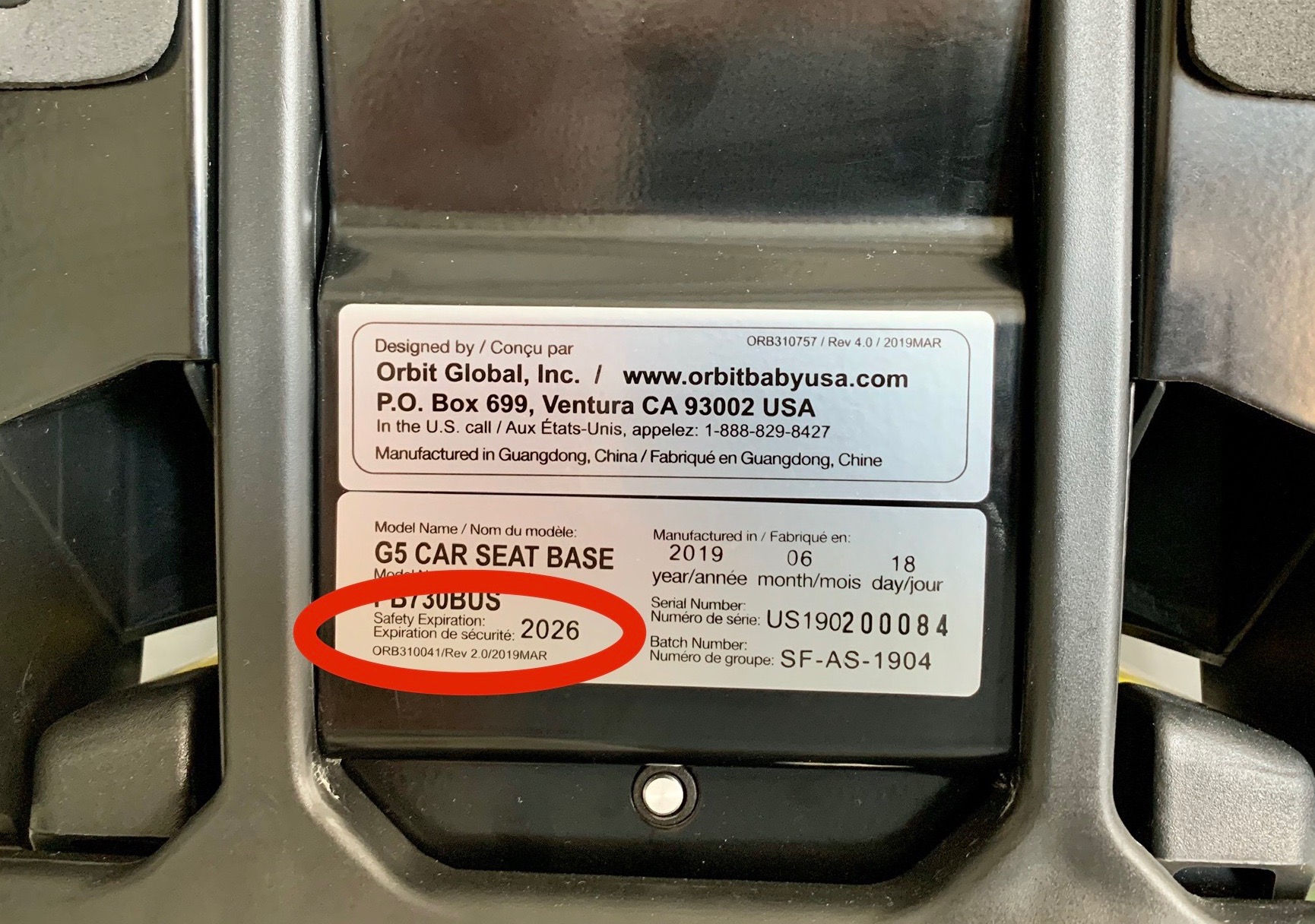
Most car seats have a label with important details. This label shows the expiration date or the manufacture date. Find the label on the side or bottom of the seat. It often lists the exact month and year the seat expires. Some labels also include contact info for the maker. Check this label before using the seat. Never use a seat past its expiration date.
Plastic Degradation Signs
Plastic parts weaken over time. Look for cracks, brittleness, or discoloration on the shell. These signs mean the plastic is breaking down. Broken or worn plastic parts can fail in a crash. The straps and buckles may also show wear. If the plastic feels weak or looks damaged, stop using the seat. Replace it immediately to keep your child safe.
Safety Risks Of Expired Seats
Expired car seats pose serious safety risks. Over time, materials weaken and parts may fail. Using an old seat can put children in danger during crashes. Understanding these risks helps parents make safer choices.
Compromised Crash Protection
Car seats lose their ability to protect in crashes over time. Plastic parts can become brittle and break easily. Safety features may not work as designed after years of use. Expired seats might not meet current safety standards. This reduces their effectiveness in real accidents.
Wear And Tear Impact
Daily use causes wear and tear on car seats. Straps may fray and lose strength. Buckles can get stuck or fail to latch properly. Padding may compress and offer less comfort and protection. These issues increase with age and use, making expired seats unsafe.
Checking Your Car Seat’s Age
Checking the age of your car seat is very important for safety. Car seats do not last forever. Over time, materials can wear out or break. This makes the seat less safe for your child. Knowing the age helps you decide if it is time to replace the seat. Look closely at your car seat to find the age.
Finding The Manufacture Date
The manufacture date tells you when the car seat was made. This date is usually on a sticker or molded into the plastic. Check the back, bottom, or side of the seat. The date is often written as month and year. For example, “05/2019” means May 2019. Write down this date to know the seat’s age. This helps you track how many years the seat has been used.
Reading The Expiration Label
Car seats have an expiration label that shows when to stop using them. This label is usually near the manufacture date. It might say “Expires on” or “Use by.” The expiration date is often about six to ten years after the manufacture date. This depends on the car seat brand and model. Never use a car seat past its expiration date. Expired seats can fail in a crash. Check this label carefully every time you use the seat.
When To Replace Your Car Seat
Knowing when to replace your car seat is crucial for your child’s safety. Car seats do not last forever. Over time, materials weaken and safety features may fail. Keep an eye on signs that show your car seat needs replacement.
After Accidents
Car seats that have been in a crash may not protect your child well. Even small accidents can cause hidden damage. Always replace your car seat after any crash. Using a damaged seat puts your child at risk.
Visible Damage Or Wear
Check your car seat regularly for cracks, tears, or missing parts. Faded labels or broken buckles mean it is time to replace the seat. Worn-out padding and straps can reduce safety. Don’t wait for a problem to get worse.
Extending Car Seat Use Safely
Extending the use of a car seat safely means taking good care of it. A well-maintained car seat can last longer and keep your child safe. Knowing how to maintain and store the seat correctly helps you avoid early replacement.
Proper Maintenance Tips
Check the car seat regularly for cracks or damage. Clean the fabric with mild soap and water. Avoid harsh chemicals that can weaken the material. Tighten all straps and buckles before each use. Make sure the seat is installed correctly every time. Replace any worn or broken parts immediately. Keep the manual handy for specific care instructions.
Storage Best Practices
Store the car seat in a dry, cool place when not in use. Avoid leaving it in direct sunlight for long periods. Heat can damage plastic and fabric. Keep the seat away from moisture to prevent mold. Use a cover to protect it from dust and dirt. Do not store heavy items on top of the car seat. Proper storage helps keep the seat in good condition longer.
Buying A New Car Seat
Buying a new car seat is important for your child’s safety. Car seats do not last forever. Knowing how to pick a good one helps protect your little one. This section covers key points to keep in mind when buying a new car seat.
Choosing Safe Models
Select car seats with clear safety labels. Look for those meeting government safety rules. Check for recent safety tests and recalls. Choose seats with strong side impact protection. Pick models easy to install correctly. Comfort features matter too but safety comes first.
Avoiding Secondhand Risks
Used car seats may hide damage you cannot see. Old seats might have expired or missing parts. Crash history is often unknown in secondhand seats. Avoid seats without clear expiration dates. Buying new ensures the seat meets current safety standards. Protect your child with a fresh, reliable seat.

Credit: www.gracobaby.com
Credit: support.orbitbabyusa.com
Frequently Asked Questions
How Long Do Car Seats Typically Last?
Car seats usually expire between 6 to 10 years after manufacture. Always check the seat’s label for the exact expiration date.
Why Do Car Seats Have Expiration Dates?
Expiration dates ensure safety. Over time, materials can degrade, and safety standards may change, making older seats less reliable.
Can Expired Car Seats Still Be Used?
Using expired car seats is not recommended. They may not protect children properly and could be unsafe in crashes.
Where Can I Find My Car Seat’s Expiration Date?
The expiration date is often on a sticker or molded into the plastic on the car seat’s back or bottom.
Conclusion
Car seats usually expire after six to ten years. Check the label for the exact date. Using an expired seat can be unsafe for children. Wear and tear, and new safety rules, affect their lifespan. Replace the seat once it expires to keep your child safe.
Always follow the manufacturer’s guidelines and local laws. Safety matters most when traveling with kids. Keep your child protected with a reliable, up-to-date car seat. Don’t risk safety by using an old or damaged seat.
