
Are you wondering how much a car seat weighs? Whether you’re planning a road trip, installing a new seat, or just curious, knowing the weight of a car seat can make a big difference.
It affects how easy it is to carry, install, and even how safe your ride will be. Stick with me, and you’ll discover everything you need to know about car seat weights—helping you make smarter choices for you and your family.
Ready to find out? Let’s dive in!
Credit: vicentetorns.com
Typical Car Seat Weights
Car seats come in different shapes and sizes. Their weight varies based on design and purpose. Understanding typical car seat weights helps in choosing the right seat for your needs. It also aids in handling and installation.
Standard Adult Car Seats
Standard adult car seats usually weigh between 10 and 20 pounds. These seats offer good comfort and support. They include most factory-installed seats in regular vehicles. Their weight balances durability and ease of use.
Lightweight And Racing Seats
Lightweight and racing seats are much lighter, often weighing 8 to 15 pounds. These seats focus on reducing weight for better performance. They use materials like carbon fiber or aluminum. This makes them strong but easy to move.
Child Safety Seats
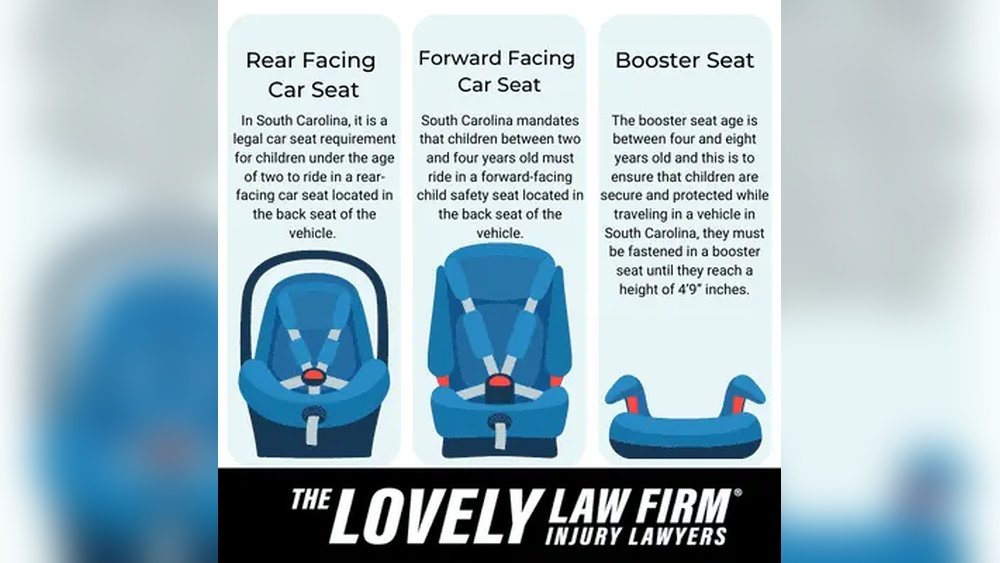
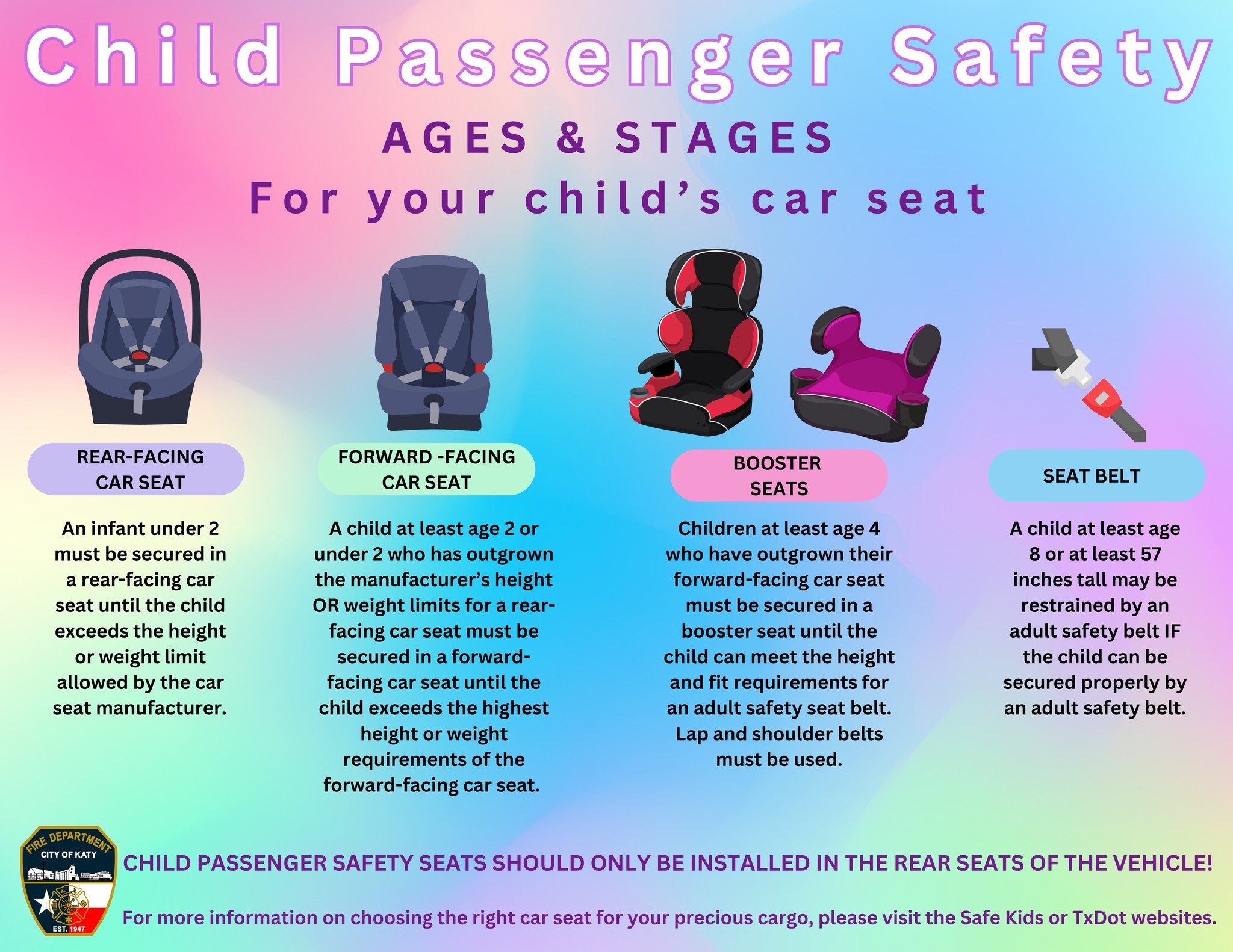
Child safety seats vary widely in weight, from 7 to 30 pounds. Infant carriers tend to be lighter for easy carrying. Convertible seats are heavier because they grow with the child. Safety features add to the overall weight.

Credit: orbitbaby.com
Factors Affecting Car Seat Weight
Car seat weight varies due to several key factors. Understanding these helps buyers choose the right seat. Weight affects car seat portability and ease of installation. Knowing what influences weight can guide smart purchases.
Materials Used
Car seats use different materials that affect weight. Plastic frames are lightweight and common. Metal frames add strength but increase weight. Foam padding adds comfort and bulk. Fabric covers also add small weight. Stronger materials usually mean heavier seats.
Design And Features
Simple designs weigh less than seats with many features. Seats with cup holders or trays are heavier. Adjustable headrests and reclining functions add parts. Extra safety features like side impact protection add weight. More features often mean a heavier car seat.
Size And Padding
Bigger car seats generally weigh more. Extra padding adds comfort but also adds weight. Infant seats are usually smaller and lighter. Toddler seats are larger with more padding. The amount of padding directly affects the total weight.
Weight Differences By Car Type
The weight of car seats varies depending on the type of car. Different cars need different seat designs. This affects the materials used and the overall weight. Understanding these differences helps when replacing or upgrading seats.
Sedan Vs Suv Seats
Sedan seats are usually lighter than SUV seats. Sedans focus on comfort and space efficiency. Their seats use less heavy padding and smaller frames. SUV seats need to be strong and durable. They often have added features like extra cushioning. This adds to their weight. SUV seats also tend to be larger, which increases weight.
Luxury Vs Economy Seats
Luxury seats weigh more than economy seats. They use premium materials like leather and metal frames. These materials add extra weight but improve comfort and style. Economy seats use simpler fabrics and plastic parts. They focus on being lightweight and affordable. The difference in weight can be significant between these two types.
Aftermarket Vs Factory Seats
Factory seats are designed to match the car’s specifications. They balance weight, safety, and comfort well. Aftermarket seats vary widely in weight. Some are lighter, made from advanced materials. Others are heavier, due to added features or custom designs. Always check the weight before buying an aftermarket seat to ensure compatibility.
Impact Of Seat Weight On Vehicle Performance
The weight of a car seat affects how a vehicle performs in several ways. Every extra pound in the car changes how it drives and handles. Car seat weight is important to consider for safety and comfort. It also impacts fuel use and how easy the seat is to install.
Fuel Efficiency
Heavier car seats add extra weight to the vehicle. More weight means the engine works harder. This leads to higher fuel consumption. Lighter seats help save fuel and reduce trips to the gas station. Choosing a lighter car seat can improve overall fuel efficiency.
Handling And Safety
Seat weight affects a car’s balance and control. Heavy seats may shift the vehicle’s center of gravity. This can change how the car turns and stops. Proper weight distribution helps keep the car stable. Safety increases when the seat weight matches vehicle design.
Installation Considerations
Heavy car seats can be harder to install securely. Extra weight may require stronger anchoring points. It can also make moving the seat more difficult. Lighter seats are easier to handle during installation. They allow faster and safer fitting in the vehicle.
Tips For Choosing The Right Car Seat Weight
Choosing the right car seat weight matters for safety and ease. A seat that is too heavy can be hard to move or install. A very light seat might not offer enough protection. Finding the right balance helps keep your child safe and your life easier.
Balancing Comfort And Weight
Comfort plays a big role in your child’s safety. A heavy seat often has more padding and support. This helps your child sit comfortably on long trips. Too heavy, though, can make the seat hard to carry. Choose a seat that feels sturdy but not too heavy to handle.
Considering Vehicle Compatibility
Each car is different inside. Some cars work better with lighter seats. Others can hold heavier models securely. Check your vehicle manual for seat weight limits and fitting tips. A good fit means the seat stays in place during travel.
Child Seat Weight Recommendations
Manufacturers suggest weight ranges for car seats. Infant seats usually weigh less, around 10 to 15 pounds. Convertible seats tend to be heavier, sometimes 20 to 30 pounds. Follow these guidelines to match the seat to your child’s size and growth stage.

Credit: www.cga.ct.gov
Frequently Asked Questions
How Much Does A Typical Car Seat Weigh?
A typical car seat weighs between 10 to 25 pounds. The weight varies by seat type, materials, and safety features. Lightweight models are easier to install and carry. Heavier seats often offer more padding and protection.
What Factors Affect A Car Seat’s Weight?
Car seat weight depends on size, materials, and safety components. Metal frames add weight but increase durability. Extra padding and adjustable features also contribute. Infant seats tend to be lighter than booster seats.
Are Heavier Car Seats Safer Than Lighter Ones?
Heavier car seats often include more safety features, but weight alone doesn’t guarantee safety. Proper installation and fit matter more. Always choose seats meeting safety standards regardless of weight.
How Does Car Seat Weight Impact Installation?
Heavier seats can be harder to install and move between vehicles. Lightweight seats offer easier handling but may sacrifice some comfort. Always follow manufacturer guidelines for secure installation.
Conclusion
Car seat weights vary depending on size and type. Most infant car seats weigh between 8 to 15 pounds. Convertible seats tend to be heavier, around 20 to 30 pounds. Knowing the weight helps with installation and carrying. Lighter seats are easier to move but may offer less protection.
Heavier seats often provide more safety features. Always check the weight before buying or installing. Choosing the right car seat weight makes travel safer and easier for parents and children alike.
