
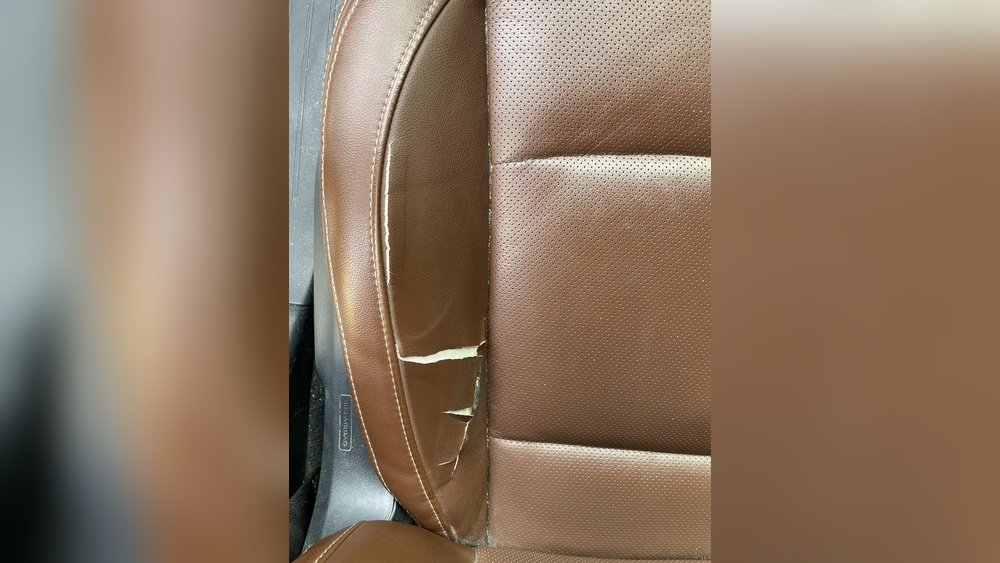
Are your leather car seats looking worn, cracked, or damaged? You might be wondering, how much will it actually cost to fix them?
Knowing the price upfront can help you make the best choice for your car and your budget. Whether it’s a small scratch or a big tear, repairing leather seats can vary widely in cost. You’ll discover what affects the price, what options you have, and how to get the best value for your money.
Keep reading to protect your investment and bring your car’s interior back to life.
Factors Influencing Repair Costs
Repair costs for leather car seats vary widely. Several factors influence the final price. Understanding these factors helps set the right budget. Each element affects how much time and materials the repair will need.
Type Of Leather Damage
Different damages cost different amounts to fix. Scratches, tears, burns, or stains require specific repair methods. Small scratches may need simple buffing. Large tears might need patching or replacing. Each damage type demands unique skills and tools, affecting cost.
Extent Of Wear And Tear
Minor wear costs less to repair than heavy damage. Light cracks or faded color are easier to restore. Worn-out seats with deep cracks or holes need more work. Extensive repairs take more time and materials, raising the price.
Car Model And Seat Design
Luxury car seats often cost more to fix. High-end leather and complex seat designs require special care. Some seats have extra padding or electronics. These features make repairs trickier and more expensive. Standard car seats usually cost less to repair.
Location Of Repair Service
Repair costs vary by location. Urban areas tend to have higher prices than rural places. Local labor costs and shop rates influence the total cost. Choosing a reputable service might cost more but ensures quality repair.
Common Leather Seat Repairs
Leather car seats need care to keep their look and comfort. Over time, seats can face damage from daily use. Common repairs restore both style and strength. These fixes help your car feel fresh again.
Scratch And Tear Fixes
Scratches and tears are common leather problems. Small scratches can be smoothed out. Deeper tears may need patching or stitching. Repair kits or professional help can fix these issues. Repairing early stops damage from getting worse.
Stain Removal And Cleaning
Spills and dirt cause stains on leather seats. Proper cleaning removes stains without harming leather. Special cleaners and conditioners restore softness and shine. Regular cleaning keeps leather healthy and prevents stains from setting.
Recoloring And Dyeing
Leather color fades with sun and wear. Recoloring brings back the original look. Dyeing fixes spots or uneven color. Professionals match the exact shade. This repair makes old seats look new again.
Padding And Structural Repairs
Leather seats have padding underneath for comfort. Padding can wear out or get damaged. Fixing padding restores seat shape and support. Structural repairs keep seats safe and comfortable to use. These repairs improve ride quality.
Cost Breakdown By Repair Type
Repairing leather car seats varies in cost depending on the damage type. Understanding the price for each repair helps plan your budget. This section breaks down costs by repair type. It explains what to expect for minor fixes, moderate damage, and full reconditioning.
Minor Repairs And Touch-ups
Minor repairs fix small scratches, scuffs, or tiny tears. These touch-ups usually cost between $50 and $150. Technicians clean the area, use special dyes, and apply protective coatings. This quick repair keeps seats looking fresh and prevents further damage.
Moderate Damage Restoration
Moderate damage includes larger tears, cracks, or worn spots. Repair costs range from $150 to $400. The process involves patching, color matching, and conditioning the leather. This restores the seat’s look and feel without full replacement.
Complete Seat Reconditioning
Complete reconditioning is for heavily damaged or old leather seats. Prices start around $400 and can reach $1,000 or more. This service includes deep cleaning, repair, dyeing, and sealing. It gives the seats a like-new appearance and extends their life.
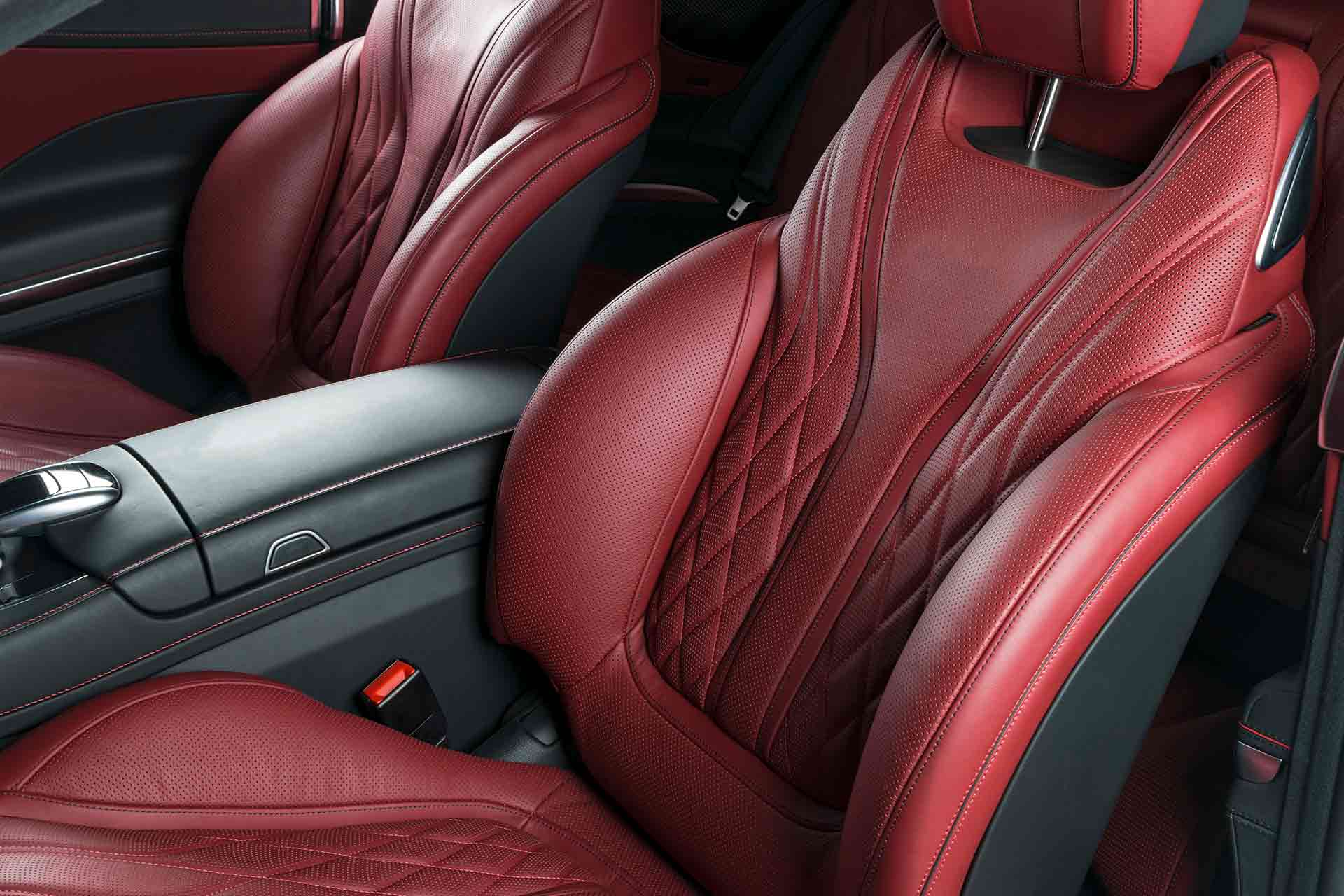
Credit: www.checkatrade.com
Diy Repair Kits Vs. Professional Services
Repairing leather car seats can be done with DIY kits or by hiring professionals. Both options have different benefits and costs. Choosing the right one depends on the damage, budget, and skill level. This section explains the pros and cons of each choice.
Pros And Cons Of Diy Kits
DIY repair kits cost less than professional services. They include tools like adhesives, filler compounds, and color dyes. Kits work well for small scratches or cracks. You can fix your seats at home, saving time. Some kits come with easy instructions and videos.
DIY kits need patience and careful work. Results may not look perfect or last long. Large tears or deep damage can be hard to fix. Mistakes may make damage worse or leave visible marks. Kits do not replace the skill of a trained technician.
When To Choose Professionals
Professional services suit serious damage like big tears or worn-out seats. Experts use special tools and materials for strong, smooth repairs. They match the color and texture to your car’s interior. Professionals save you time and effort.
Choose pros if you want long-lasting, high-quality results. They help keep your car’s value and appearance. Professionals also offer warranties on their work. Complex repairs or luxury cars often need expert care.
Cost Comparison
DIY kits typically cost between $20 and $70. Kits vary by brand and kit size. Professional repairs cost from $100 up to $500 or more. Price depends on damage size and seat type. Small fixes are cheaper, but big repairs are costly.
DIY saves money but risks imperfect results. Professional service costs more but offers quality and durability. Think about your budget and repair needs before deciding.
Preventing Future Damage
Preventing future damage to leather car seats saves money and keeps your car looking fresh. Small steps protect the leather and extend its life. Regular care stops cracks, stains, and fading. A little effort now avoids costly repairs later.
Regular Cleaning Tips
Clean your leather seats often to remove dirt and oils. Use a soft cloth or sponge with mild soap and water. Avoid harsh cleaners that dry out leather. Wipe gently and dry with a clean towel. Clean spills quickly to stop stains from setting.
Protective Treatments
Apply a leather conditioner every few months. It keeps the leather soft and prevents cracking. Choose products made for automotive leather. Test on a small area first. Conditioning creates a barrier against dirt and moisture.
Avoiding Common Hazards
Keep sharp objects away from the seats to prevent scratches. Avoid direct sunlight for long periods to stop fading. Park in shaded areas or use sunshades. Do not leave wet clothes or items on the leather. Moisture can cause mold and damage.

Credit: yao.com.do
Finding The Right Repair Shop
Finding the right repair shop for leather car seats takes careful thought. The quality of work varies between shops. Choosing a reliable shop saves money and ensures a good finish. Trust and experience matter a lot. Here is how to find the best place for your car seat repair.
Checking Credentials And Reviews
Start by checking the shop’s credentials. Look for certifications related to leather repair. Experienced shops often display these clearly. Read customer reviews on websites and social media. Reviews show real experiences and satisfaction levels. Avoid shops with many negative comments or complaints.
Getting Multiple Quotes
Ask for quotes from several shops. Prices can differ widely for the same repair. Compare costs alongside the services offered. Low prices may mean poor quality or hidden fees. High prices do not always guarantee the best work. Choose a quote that balances price and quality.
Warranty And Service Guarantees
Check if the shop offers warranties on their work. A warranty shows confidence in their repair skills. Service guarantees protect you if problems arise after repair. Avoid shops that do not provide any form of guarantee. This helps ensure your money is well spent.

Credit: wecanfixthat.com
Frequently Asked Questions
How Much Does Leather Car Seat Repair Typically Cost?
Leather car seat repair usually costs between $100 and $500. The price varies based on damage size, type, and labor rates. Small tears or scratches are cheaper, while large rips or deep cracks cost more. Getting a quote from a professional ensures accurate pricing.
What Factors Influence Leather Car Seat Repair Prices?
Repair costs depend on damage extent, leather type, and labor complexity. Color matching and material replacement increase costs. Seat location and vehicle model also affect pricing. Understanding these factors helps set realistic repair budget expectations.
Can Diy Leather Seat Repair Save Money?
DIY leather seat repair kits cost around $20 to $50. They work well for minor scratches or cracks. However, professional repairs ensure better durability and appearance. DIY might not fix severe damage effectively, potentially leading to higher future costs.
How Long Does Leather Car Seat Repair Take?
Leather seat repairs typically take 1 to 3 hours. The time depends on damage severity and repair method. Some complex repairs may require a day or more. Scheduling with a reputable shop ensures timely service and quality results.
Conclusion
Repairing leather car seats costs depend on damage and repair type. Small tears and scratches are cheaper to fix than large rips or deep cracks. Quality of leather and labor rates also affect prices. Choosing a skilled professional ensures better results and longer seat life.
Regular care can prevent costly repairs later. Knowing these costs helps you plan your budget well. Keep your car seats looking fresh without overspending.
