
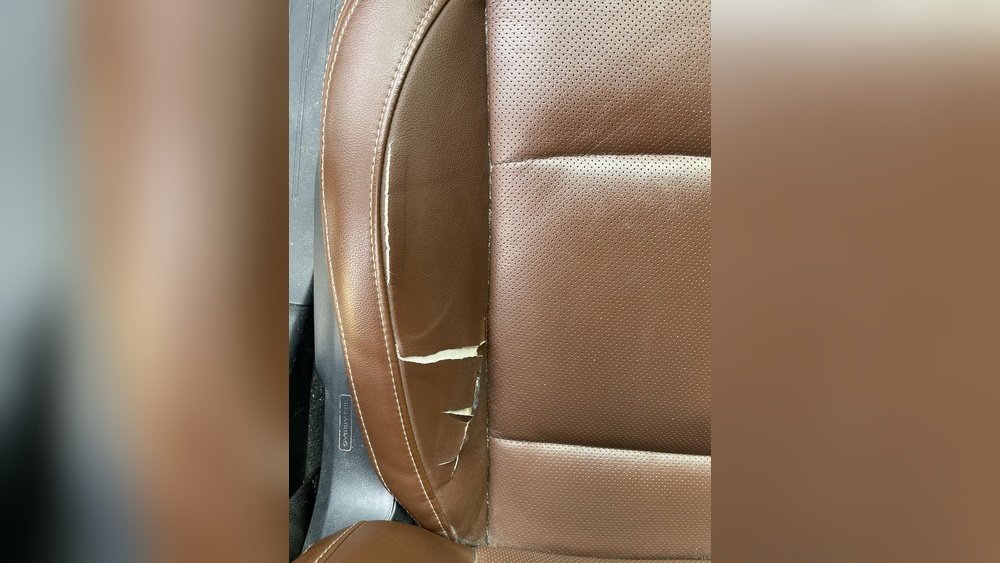
Are your leather car seats looking worn out or damaged? You might be wondering how much it will cost to replace them.
Knowing the price upfront can help you make the best decision for your car and budget. You’ll discover the real costs involved, what factors affect the price, and how to get the best value for your money. Keep reading to find out exactly what you need to know before replacing your leather seats.
Factors Influencing Replacement Costs
Replacing leather car seats involves several cost factors. Understanding these helps prepare your budget better. Prices differ due to material, design, labor, and extra work. Each aspect changes the final price significantly.
Leather Type And Quality
Leather comes in many types and grades. Higher quality leather costs more but lasts longer. Genuine leather is pricier than bonded or synthetic. Soft, supple leather feels nice but raises the price. Choosing the right leather affects the cost greatly.
Seat Design And Complexity
Simple seat designs cost less to replace. Seats with extra features raise expenses. Heated seats, perforations, or custom stitching add to the price. Complex shapes need more skill and time to work on. The more detailed the seat, the higher the cost.
Labor Charges And Location
Labor fees vary by region and shop. Big cities often charge more for labor. Skilled technicians demand higher pay rates. Time required for replacement impacts labor costs too. Shop reputation and experience also influence pricing.
Additional Repairs And Customization
Damaged foam or frame repairs add extra charges. Custom colors or embroidery increase the price. Adding logos or patterns requires special work. Fixing underlying issues before installing leather costs more. Extra customization makes the total cost rise.

Credit: yao.com.do
Cost Breakdown For Leather Seat Replacement
Replacing leather car seats involves several cost factors. Understanding these helps plan your budget better. The price depends on materials, labor, and extra fees. Each part plays a key role in the total cost.
Knowing the breakdown can avoid surprises and help you choose wisely. Here is a detailed look at each cost component.
Material Expenses
Leather quality affects the price the most. Full-grain leather costs more than bonded leather. The amount of leather needed depends on seat size and style. Some cars need extra materials like foam or padding. Colors and finishes also influence material costs. Usually, leather prices range from $200 to $800 per seat.
Labor Costs
Skilled workers charge for removing old seats and fitting new leather. Labor time varies by car model and seat complexity. Simple seats cost less to replace than heated or power seats. Shops charge between $50 and $150 per hour. Total labor can add $200 to $600 to your bill.
Extra Fees And Taxes
Some shops add disposal fees for old materials. Shipping charges may apply if leather is ordered. Local taxes increase the final price. Sometimes, extra costs cover minor repairs or adjustments. Always ask for a full quote before work starts.
Diy Vs Professional Replacement
Replacing leather car seats can be done in two ways: DIY or hiring a professional. Both choices affect the cost and quality of the job. Understanding the benefits and drawbacks of each helps in making the right decision.
Pros And Cons Of Diy
DIY replacement saves money on labor costs. You only pay for materials and tools. This option suits those who like hands-on projects and have some skill. It allows customization and control over the process.
Challenges include time consumption and the risk of errors. Leather is hard to work with and needs special tools. Mistakes can damage the seats or reduce comfort. DIY may lack the neat finish a pro can provide.
When To Hire Experts
Professionals bring experience and proper equipment. They finish the job faster and with higher quality. Experts can match leather color and texture better. They also handle complex seat designs and repairs.
Hiring a pro costs more but reduces stress and risk. It suits those who want perfect results or have limited time. If the leather is very damaged, experts offer the best fix. Professionals provide warranties for their work, adding peace of mind.
Ways To Save On Replacement
Replacing leather car seats can be costly. Saving money is possible with smart choices. Simple tips help lower costs without losing quality. Here are some ways to save on leather seat replacement.
Choosing Alternative Materials
Leather is pricey. Consider materials like vinyl or faux leather. These options look good and cost less. They offer durability and easier maintenance. Choose a material that fits your budget and style.
Timing And Seasonal Discounts
Car shops may offer discounts during slow seasons. Winter or late fall often have lower prices. Plan your replacement then to save money. Ask about promotions or special deals. Timing your purchase can cut costs significantly.
Finding Reliable Service Providers
Compare prices from several shops before deciding. Check reviews to find trustworthy providers. Reliable shops offer fair prices and good work. Avoid very cheap options that may use low-quality materials. Choose a provider that balances cost and quality well.
Signs You Need To Replace Leather Seats
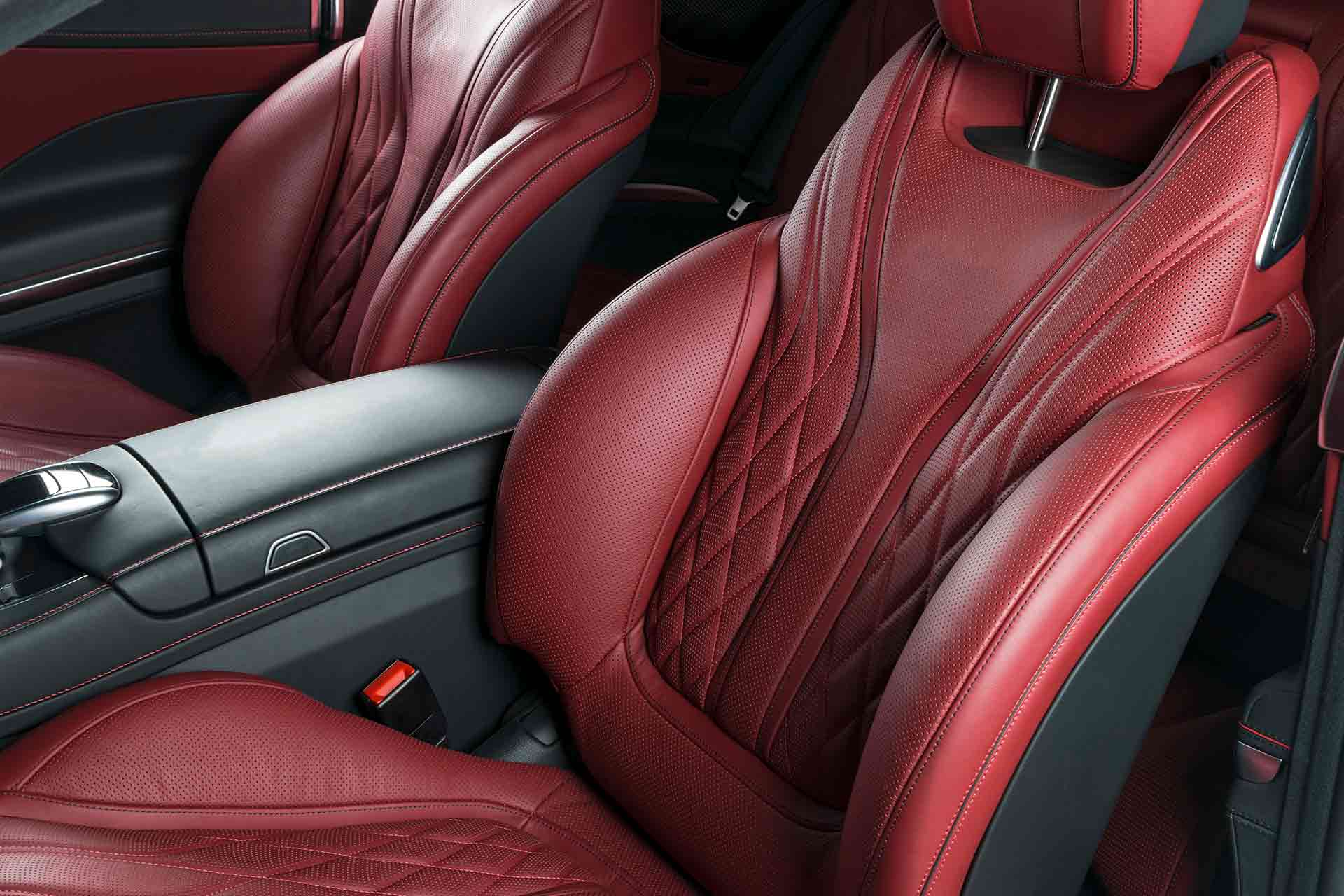
Leather car seats add style and comfort to any vehicle. Over time, they wear out. Knowing when to replace them saves money and keeps your car looking good.
Signs that your leather seats need replacing vary. Some are easy to spot. Others affect comfort and safety. Watch for these common problems.
Visible Damage
Cracks, tears, and holes show clear damage. Leather can peel or fade from sun exposure. Stains that won’t clean off also hurt seat looks. These issues lower your car’s value and appeal.
Comfort And Safety Issues
Worn leather loses cushioning and support. Seats may feel hard or uneven. This discomfort can cause back pain on long drives. Loose leather can slip, reducing safe seating position. Good seats keep you safe and relaxed.
Aging And Wear
Old leather becomes dry and brittle. It loses its smooth feel and looks dull. The material may stretch or sag. Aging seats break down faster and need replacement to maintain quality.
Credit: www.checkatrade.com
Maintaining Leather Seats Post Replacement
Replacing leather car seats is an investment. Keeping them in good shape is important. Proper care helps your seats look new longer. It also protects your car’s value. Simple steps can make a big difference. Follow these tips to maintain your leather seats after replacement.
Cleaning Tips
Use a soft cloth to wipe seats regularly. Choose cleaners made for leather only. Avoid harsh chemicals that can damage the leather. Light cleaning prevents dirt buildup. For tough spots, use a gentle leather cleaner. Always test cleaners on a small area first. Dry seats with a clean, dry cloth after cleaning.
Protective Treatments
Apply leather conditioner every few months. It keeps leather soft and stops cracking. Use a product designed for car leather seats. Spread conditioner evenly with a soft cloth. Let it absorb fully before using the car. Avoid over-conditioning; it can cause stickiness. Protective sprays can help repel stains and water.
Routine Inspections
Check your seats often for damage or wear. Look for cracks, tears, or fading. Early spotting helps fix problems quickly. Small repairs prevent bigger issues. Keep an eye on stitching and seams. Address loose threads or fraying right away. Regular checks keep your seats looking great.

Credit: www.youtube.com
Frequently Asked Questions
How Much Does Leather Car Seat Replacement Cost?
Leather car seat replacement typically costs between $1,000 and $3,000. Prices vary based on leather quality, seat type, and labor charges. Custom options and luxury vehicles may increase the price significantly.
What Factors Affect Leather Seat Replacement Prices?
Prices depend on leather quality, seat complexity, vehicle model, and labor rates. Additional repairs or customization also influence the total cost. Higher-end materials and intricate designs increase expenses.
Can I Replace Leather Seats Myself To Save Money?
DIY replacement is possible but requires skill and tools. Improper installation can damage seats or reduce comfort. Professional services ensure quality work and warranty, often worth the extra cost.
How Long Does Leather Seat Replacement Usually Take?
Replacement typically takes 4 to 8 hours depending on seat complexity and shop workload. Some shops may complete it in a day. Timing varies with customization and repairs needed.
Conclusion
Replacing leather car seats costs vary by material and labor. Quality leather and skilled work raise the price. Cheaper options include synthetic leather or seat covers. Consider your budget and car value before deciding. Proper care extends the life of your seats.
Weighing cost and benefits helps you choose wisely. Keep your car comfortable and stylish within your means.
