
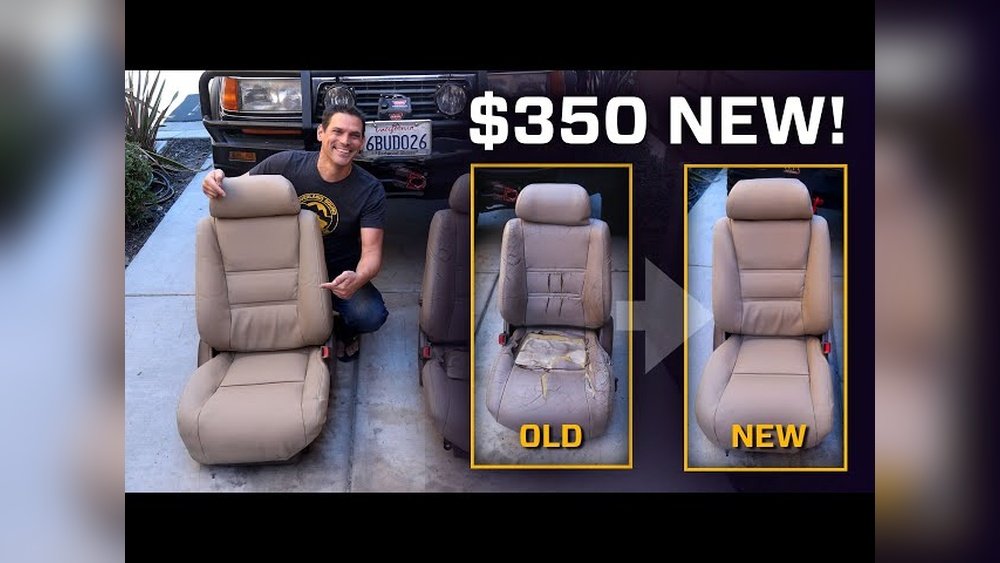
Are your car seats looking worn out or damaged? You might be wondering, how much does it cost to reupholster car seats?
Whether you want to restore your car’s interior or give it a fresh new look, understanding the cost is key to making the right decision. You’ll discover the factors that affect the price, what options you have, and how to get the best value for your money.
Keep reading to find out exactly what to expect and how to bring your car seats back to life without breaking the bank.
Factors Affecting Reupholstery Cost
Reupholstering car seats varies in cost based on many factors. Knowing these can help you understand the price better. Each element affects the final bill differently. Let’s explore the main factors that influence reupholstery costs.
Type Of Material
The choice of fabric or leather greatly affects cost. Leather is usually pricier than cloth or vinyl. High-quality materials last longer but cost more upfront. Some exotic fabrics increase the price even further. Simple fabrics keep costs low but may wear out faster.
Car Model And Seat Design
Luxury cars and custom seat designs cost more to reupholster. Complex seat shapes require more skill and time. Standard seats are easier and cheaper to redo. Older cars may need special materials or techniques, raising the price. The size of seats also changes the material needed.
Labor Charges
Labor prices differ by location and expertise. Skilled workers charge more but provide better results. Some shops include labor in the total price, others charge separately. The time needed to finish the work also affects labor costs. Quick jobs might cost less, but quality matters.
Additional Repairs
Damaged foam, springs, or frame repairs add to the cost. Hidden issues can increase the price unexpectedly. Fixing these parts ensures comfort and durability. Skipping repairs may lower cost but hurt seat quality. Always check for extra damage before starting reupholstery.

Credit: wecanfixthat.com
Common Upholstery Materials
Choosing the right material for car seat reupholstering affects comfort, style, and cost. Various materials serve different needs and budgets. Understanding common upholstery materials helps you decide what fits best.
Leather Options
Leather is a popular choice for its luxury feel and durability. It adds a sleek look to car interiors. Genuine leather costs more but lasts longer. It resists stains and is easy to clean. There are also cheaper leather alternatives like bonded leather. These offer similar looks but wear out faster. Leather needs regular care to stay soft and prevent cracks.
Fabric Choices
Fabric seats are soft and breathable, making them comfortable in all seasons. They come in many colors and patterns. Common fabrics include cloth, suede, and microfiber. Fabric is usually less expensive than leather. It can stain more easily and may absorb odors. Cleaning fabric seats requires special products and attention.
Vinyl And Synthetic Alternatives
Vinyl and synthetic materials mimic leather but cost less. They are water-resistant and easy to wipe clean. These materials work well in hot or wet climates. Vinyl can feel less soft than leather or fabric. It may become sticky in high heat. Synthetic fabrics often combine durability and comfort at a lower price.
Cost Breakdown By Seat Type
Reupholstering car seats cost varies by the type of seat. Different seats need different materials and labor. This affects the total price. Understanding costs by seat type helps plan your budget better.
Front Seats
Front seats often cost more to reupholster than rear seats. They have more parts like headrests and armrests. The shape is complex, needing more skill to cover. Expect to pay between $200 and $500 per front seat.
Rear Seats
Rear seats usually cost less than front seats. They have simpler shapes and fewer parts. Prices range from $150 to $400 depending on the car. Some rear seats include split sections, which can raise the cost.
Bench Seats Vs Bucket Seats
Bench seats cover a wider area but have fewer curves. They often cost less than two bucket seats combined. Bucket seats are separate and shaped for one person each. This shape makes reupholstery more detailed and costly.
Diy Vs Professional Reupholstery
Deciding between DIY and professional reupholstery affects both cost and results. Reupholstering car seats yourself saves money but takes time and effort. Professionals bring skill and quality but charge more. Understanding benefits, risks, and the right time to hire helps you choose the best option.
Benefits Of Diy
DIY reupholstery cuts labor costs significantly. You control the materials and design choices. Learning new skills feels rewarding and fun. Small repairs or simple fabric changes suit DIY well. It offers flexibility to work at your own pace.
Risks And Challenges
DIY can lead to mistakes that ruin seats. It requires tools and knowledge you might lack. Time investment is often much higher than expected. Poor finishing affects comfort and car value. Complex seats with foam or stitching need expert skills.
When To Hire A Pro
Hire a pro for luxury or vintage cars. Professionals handle difficult materials and detailed work. They ensure durability and a perfect fit. Pro reupholstery saves time and avoids frustration. Choose experts for high-quality results and lasting comfort.
How To Save On Reupholstery
Saving money on car seat reupholstery is possible with smart choices. You can reduce costs without lowering quality. Focus on materials, shops, and timing for the best deals. Small changes bring big savings.
Choosing Affordable Materials
Materials affect the price a lot. Leather is expensive, while vinyl or cloth costs less. Vinyl looks good and lasts long. Cloth offers many colors and patterns. Pick materials that fit your budget and style.
Finding Reliable Shops
Not all shops charge the same. Some offer better prices for good work. Ask for quotes from multiple shops. Check reviews to avoid bad experiences. A reliable shop saves money and stress.
Timing And Discounts
Timing can lower your bill. Some shops give discounts during slow months. Holidays or special sales may offer deals. Plan your reupholstery when shops run promotions. This simple step cuts costs significantly.
Signs Your Car Seats Need Reupholstering
Car seats go through a lot every day. Over time, they show signs of use and damage. Spotting these signs early helps keep your car comfortable and looking good. Some signs tell you it is time to reupholster the seats. Knowing these signs saves money and stress later.
Visible Wear And Tear
Look closely at your car seats. Cracks, tears, or holes in the fabric or leather appear. The color may fade or peel off. The stitching might come undone. These are clear signals that the seat covers are worn out. Left untreated, the damage can grow worse quickly.
Comfort And Support Issues
Seats should feel firm but soft. If they become hard or lose shape, the padding may be damaged. You might notice lumps or flat spots. Sitting for a long time becomes uncomfortable. This means the seat’s inner materials need repair or replacement.
Odor And Stains
Stains from food, drinks, or dirt can ruin the seat’s look. Some stains are tough to clean and leave marks. Bad smells can also build up over time. A musty or smoky odor is hard to remove. These problems show that cleaning is not enough anymore.
Maintenance Tips To Extend Seat Life
Keeping car seats in good shape saves money on repairs. Taking care of reupholstered seats helps them last longer. Small daily habits make a big difference. Here are some tips to keep your seats fresh and strong.
Regular Cleaning
Clean seats often to stop dirt from building up. Use a soft brush or cloth for dust and crumbs. For fabric seats, mild soap and water work well. Leather seats need special cleaners to avoid damage. Avoid harsh chemicals that can ruin the material.
Protective Covers
Seat covers add a strong layer of protection. They block spills, stains, and wear from daily use. Choose covers that fit well and suit your seat type. Wash covers regularly to keep them fresh. Covers save your upholstery from scratches and fading.
Avoiding Sun Damage
Sunlight fades and cracks seat materials over time. Park in shaded spots to protect seats from UV rays. Use sunshades on windows during hot days. Tinted windows also reduce sun damage. Protecting seats from the sun keeps them looking new longer.

Credit: www.youtube.com

Credit: wecanfixthat.com
Frequently Asked Questions
How Much Does Car Seat Reupholstery Typically Cost?
Car seat reupholstery usually costs between $200 and $750 per seat. Prices vary based on fabric type, labor, and vehicle model.
What Factors Influence Car Seat Reupholstery Prices?
Fabric quality, seat complexity, labor rates, and location affect reupholstery costs. Custom designs and additional repairs may increase the price.
Is Diy Car Seat Reupholstery Cheaper Than Professional Service?
DIY reupholstery can be cheaper but requires skills and tools. Professional service ensures quality, durability, and saves time but costs more.
How Long Does Car Seat Reupholstery Take?
Reupholstering car seats typically takes 1 to 3 days, depending on seat condition and workload of the shop.
Conclusion
Reupholstering car seats costs vary by material and labor. Leather seats usually cost more than fabric ones. Labor fees depend on the shop and your car model. Choosing quality materials can increase the price but improve durability. Always ask for a clear estimate before starting.
Taking care of your seats keeps your car looking nice longer. This investment can save money compared to buying new seats. Think about what fits your budget and needs best. Reupholstering gives your car a fresh look without a full replacement.
