
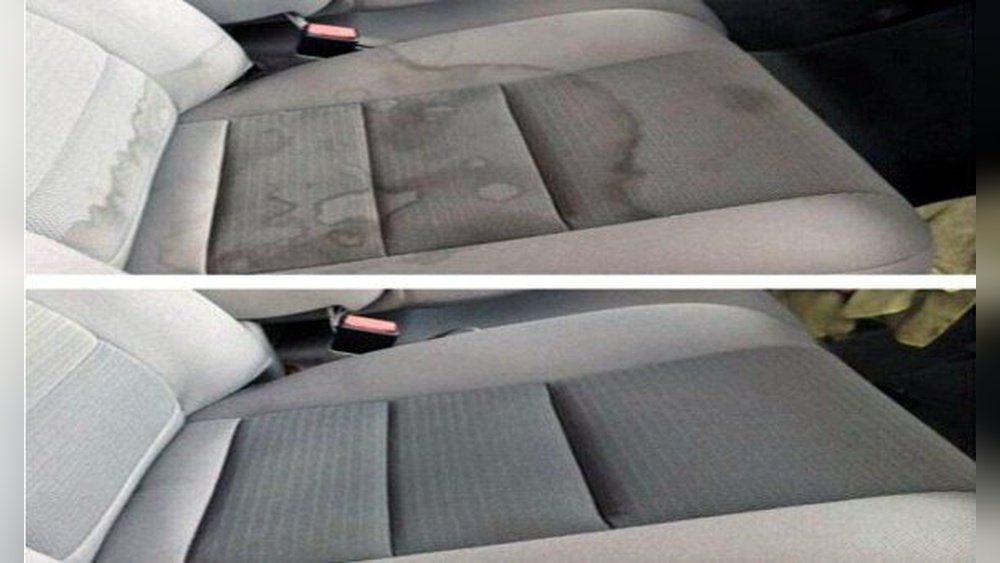
Your car fabric seats can quickly become a magnet for stains, whether from spilled coffee, food, or everyday dirt. These spots don’t just look bad—they can make your whole car feel less fresh and inviting.
But don’t worry, cleaning those stubborn stains is easier than you think. In this guide, you’ll discover simple, effective methods to restore your seats to their original clean and fresh state. Keep reading, and you’ll learn exactly how to tackle those stains without harsh chemicals or expensive tools.
Your car deserves to look its best—and so do you.

Credit: www.youtube.com
Common Stains On Car Fabric Seats
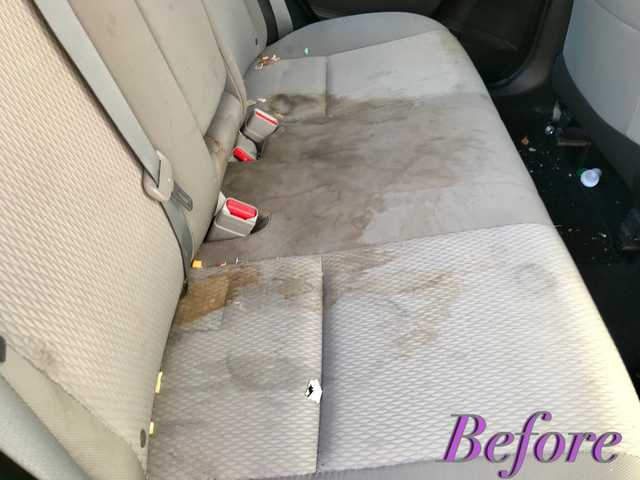
Car fabric seats often face stains from daily use. These marks spoil the look and feel of your vehicle’s interior. Knowing the common stains helps in quick and proper cleaning. Each type of stain needs a special approach to remove it effectively.
Food And Drink Stains
Spilled coffee, soda, or juice leaves sticky spots. Crumbs from snacks can also get trapped in the fabric. These stains can attract dirt and cause odors if not cleaned fast.
Oil And Grease Stains
Grease from hands or car parts often stains seats. These marks are dark and tough to remove. They can soak deep into the fabric fibers if ignored.
Mud And Dirt Stains
Outdoor trips bring mud and dirt inside. Wet soil leaves dark patches on fabric seats. Dried dirt can make the fabric rough and faded.
Ink And Pen Marks
Ink stains come from pens or markers. These are small but very visible spots. They can spread if not treated quickly.
Pet Stains
Pets often leave hair, dirt, or small stains. Their paws can carry mud or oil. These stains may also cause unpleasant smells.
Credit: www.mazdaofsouthcharlotte.com
Essential Cleaning Supplies
Cleaning car fabric seats needs the right tools. Using proper supplies makes stain removal easier. It protects the fabric and keeps seats looking fresh. Gather all essential items before starting. This helps save time and effort.
Cleaning Solution
Choose a gentle fabric cleaner or make one at home. Mix water with mild soap or vinegar. Avoid harsh chemicals that can damage fabric fibers. Test solution on a small area first. It prevents discoloration or damage.
Soft Brush
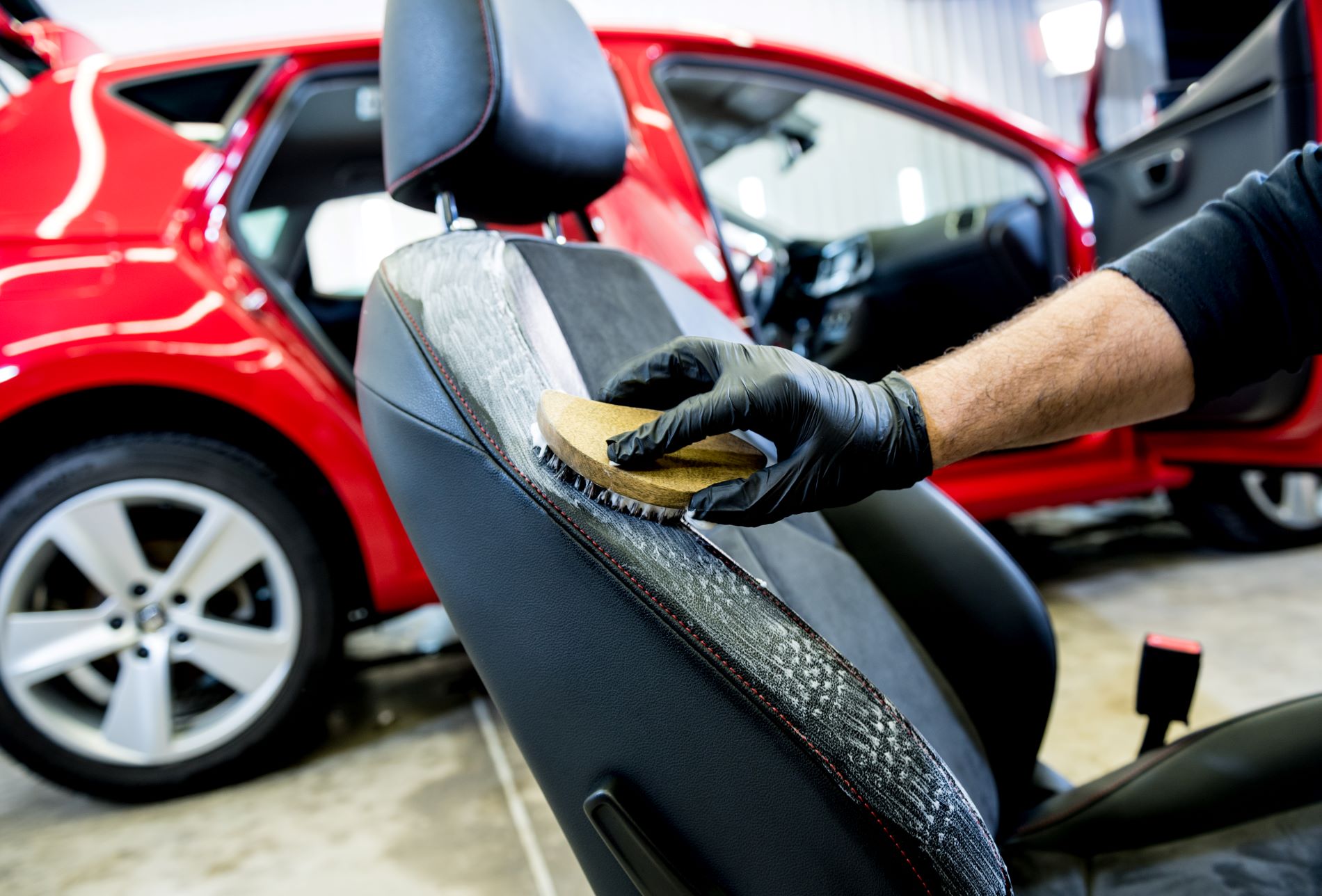
A soft-bristled brush loosens dirt without hurting the fabric. Use it to scrub stains lightly. Hard brushes can tear or wear down the seat fabric. A toothbrush works well for small spots.
Microfiber Cloths
Microfiber cloths absorb moisture and dirt effectively. Use them to blot stains and wipe the seat clean. They are gentle and reduce the risk of spreading stains. Keep several cloths handy for drying.
Spray Bottle
Spray bottles help apply cleaning solution evenly. Mist the stained area lightly to avoid soaking the fabric. This controls the amount of liquid used. It helps the seat dry faster.
Vacuum Cleaner
Vacuuming removes loose dirt before cleaning stains. Use a vacuum with an upholstery attachment. It prepares the seat for deeper cleaning. Clean seats keep stains from setting in.
Pre-cleaning Preparation
Preparing your car fabric seats before cleaning helps achieve better results. It removes loose dirt and sets the stage for stain removal. This step saves time and prevents spreading stains further.
Remove Loose Debris
Use a vacuum cleaner to remove dust and crumbs. Focus on seams and crevices where dirt hides. This step stops dirt from mixing with water or cleaner.
Check Cleaning Products
Test your cleaner on a small, hidden seat area. Watch for color changes or fabric damage. This test ensures the product is safe for your seats.
Gather Cleaning Tools
Prepare soft brushes, clean cloths, and a spray bottle. Having tools ready speeds up the cleaning process. Use gentle tools to avoid fabric damage.
Protect Surrounding Areas
Cover nearby parts like carpets and door panels with towels. Protects them from cleaner spills and stains. Keeps your car neat during the cleaning process.
Homemade Cleaning Solutions
Cleaning car fabric seats does not need expensive products. Homemade cleaning solutions use common household ingredients. These solutions are safe and effective for many stains. They help keep your car fresh and clean without harsh chemicals.
Simple items like vinegar, baking soda, and dish soap can remove dirt and spills. These natural cleaners target stains gently. They also help remove odors and brighten fabric.
Vinegar and Water SolutionMix equal parts white vinegar and water in a spray bottle. Spray lightly on the stained area. Let it sit for 5 minutes. Blot with a clean cloth. This solution removes light stains and neutralizes odors.
Baking Soda PasteCombine baking soda with a little water to form a paste. Apply the paste on the stain gently. Let it dry for 30 minutes. Vacuum the dried baking soda. This method lifts stubborn stains and absorbs smells.
Dish Soap and Warm WaterAdd a few drops of mild dish soap to warm water. Dip a soft cloth into the mixture and wring out excess water. Rub the stained area softly. Use a clean damp cloth to rinse. Dry with a towel. This cleans grease and food stains well.
Step-by-step Stain Removal
Removing stains from car fabric seats needs a clear plan. Follow these step-by-step instructions. Each step helps to clean and protect your seat fabric. The goal is to remove stains without damaging the fabric. First, focus on treating the spot. Then, use deep cleaning methods for tough stains or full seat care. This way, your car seats stay fresh and look great.
Spot Treatment Techniques
Start by blotting the stain with a clean cloth. Avoid rubbing to stop the stain from spreading. Use a small amount of mild detergent mixed with water. Dab the solution gently on the stain. Let it sit for a few minutes. Then, blot again with a dry cloth to lift the stain. Repeat this process until the stain fades. For oily stains, sprinkle baking soda first. Let it absorb oil for 15 minutes before cleaning. Always test the cleaning solution on a hidden area first. This ensures no color change or damage to the fabric.
Deep Cleaning Methods
Deep cleaning removes dirt that spot treatment misses. Use a fabric cleaner made for car seats. Spray it evenly over the fabric surface. Use a soft brush to scrub gently in circular motions. Pay attention to seams and crevices. After scrubbing, wipe away the cleaner with a damp cloth. Avoid soaking the fabric to prevent mold or mildew. Let the seat air dry fully before using the car. For heavy stains, consider using a steam cleaner. Steam loosens dirt and kills bacteria. This method refreshes the fabric without harsh chemicals.
Credit: www.drivebydetail.net
Drying And Maintaining Freshness
Drying your car fabric seat properly is key to avoid smells and damage. Wet seats can cause mold and stains to come back. Freshness lasts longer when the seat dries fast and clean.
Good airflow helps the seat dry evenly. Sunlight also helps kill germs and reduce odors. Keeping the fabric fresh makes your car pleasant to use every day.
Use Towels To Absorb Moisture
Pat the seat gently with clean towels. Press down to soak up as much water as possible. Avoid rubbing hard to protect the fabric. Change towels when they become wet to absorb more moisture.
Let Air Circulate Inside The Car
Open car doors and windows for fresh air. Use fans to speed up drying if possible. Airflow moves moisture away from the fabric fast. Keep the car in a dry, warm place for best results.
Use A Portable Heater Or Hair Dryer Safely
Keep the heater or hair dryer at a distance. Use low heat to avoid damaging fabric fibers. Move the heat source continuously over the wet areas. Avoid direct contact with the fabric to prevent burns.
Apply Fabric Freshener For Long-lasting Clean Smell
Spray a fabric freshener lightly after the seat dries. Choose products that fight odors and bacteria. Avoid strong chemical smells to keep the air fresh. Refresh the fabric regularly to maintain a clean scent.
Tips To Prevent Future Stains
Preventing stains on car fabric seats saves time and effort. Clean seats keep your car looking fresh and new. Small habits can protect your seats from spills and dirt. Use easy tips to avoid tough stains and keep your seats spotless.
Use Seat Covers
Seat covers protect fabric from spills, dust, and dirt. Choose covers that fit well and are easy to clean. Wash seat covers regularly to keep them fresh. They act as a barrier between you and the fabric.
Avoid Eating And Drinking In The Car
Food and drinks cause most car seat stains. Try to eat before or after your trips. Drinking water is safer than sugary drinks. Less mess means less chance of stains.
Clean Spills Immediately
Spills cause stains if left too long. Carry a small cloth or wipes in the car. Blot spills right away to stop stains from setting. Quick action helps keep seats clean.
Use Fabric Protectors
Fabric protectors create a shield on seat material. Spray protectors help repel liquids and dirt. Follow product instructions for best results. Regular use keeps seats stain-resistant.
Regular Vacuuming
Vacuum seats often to remove dust and crumbs. Dirt particles can cause stains over time. Use a soft brush attachment to avoid damage. Clean seats look better and last longer.
Frequently Asked Questions
How To Remove Fresh Stains From Car Fabric Seats?
Blot fresh stains immediately with a clean cloth. Use a mild detergent mixed with water to gently scrub the area. Avoid soaking the fabric. Rinse with a damp cloth and let it air dry to prevent mold and mildew growth.
What Household Items Clean Car Fabric Seat Stains?
Baking soda, vinegar, and dish soap work well for fabric stains. Mix vinegar and water for a natural cleaner. Apply baking soda to absorb odors. Always test a small area first to ensure fabric safety before full cleaning.
Can Professional Cleaners Remove Tough Car Seat Stains?
Yes, professional cleaners use specialized tools and solutions to remove deep stains. They can restore fabric without damaging it. Consider professional cleaning for old, stubborn, or large stains to ensure thorough and safe treatment.
How Often Should Car Fabric Seats Be Cleaned?
Clean car fabric seats every 3 to 6 months for maintenance. Regular cleaning prevents dirt buildup and stains. Spot clean spills immediately to avoid permanent damage. Consistent care keeps seats fresh and extends fabric life.
Conclusion
Cleaning car fabric seats of stains does not have to be hard. Use gentle cleaners and soft brushes for best results. Act quickly to stop stains from setting in. Regular care keeps seats fresh and looking new. Small efforts save time and money later.
Keep your car interior neat and inviting. Simple steps make a big difference every time. Try these tips and enjoy a cleaner ride today.
