
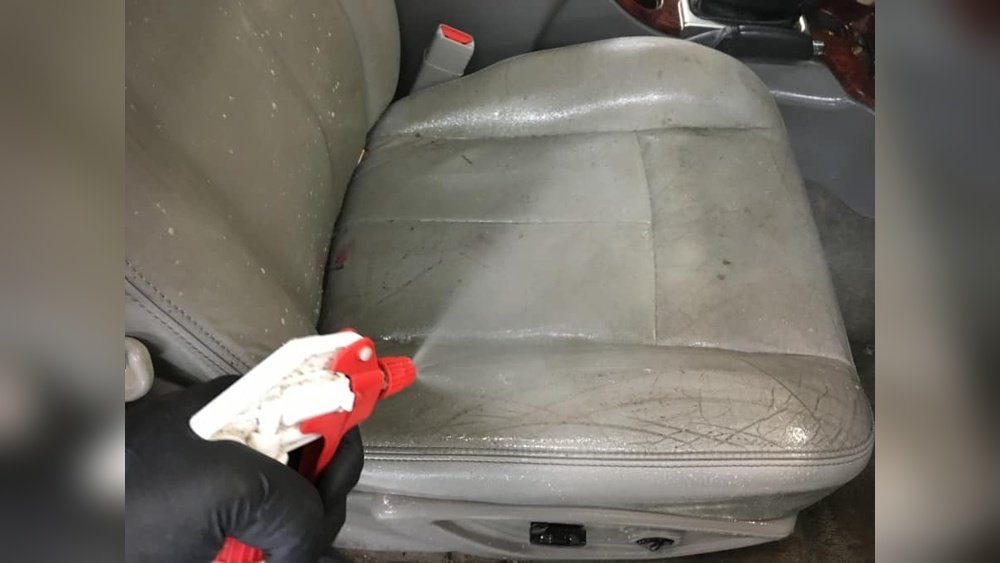
Your car’s leather seats add a touch of luxury and comfort every time you drive. But when stains appear, they can quickly ruin that feeling.
You might feel frustrated, wondering how to clean those stubborn marks without damaging the leather. The good news? You don’t need expensive products or professional help to restore your seats. In this guide, you’ll discover simple, effective ways to tackle car leather seat stains and keep your interior looking fresh and new.
Ready to bring back that clean, smooth look? Let’s dive in.
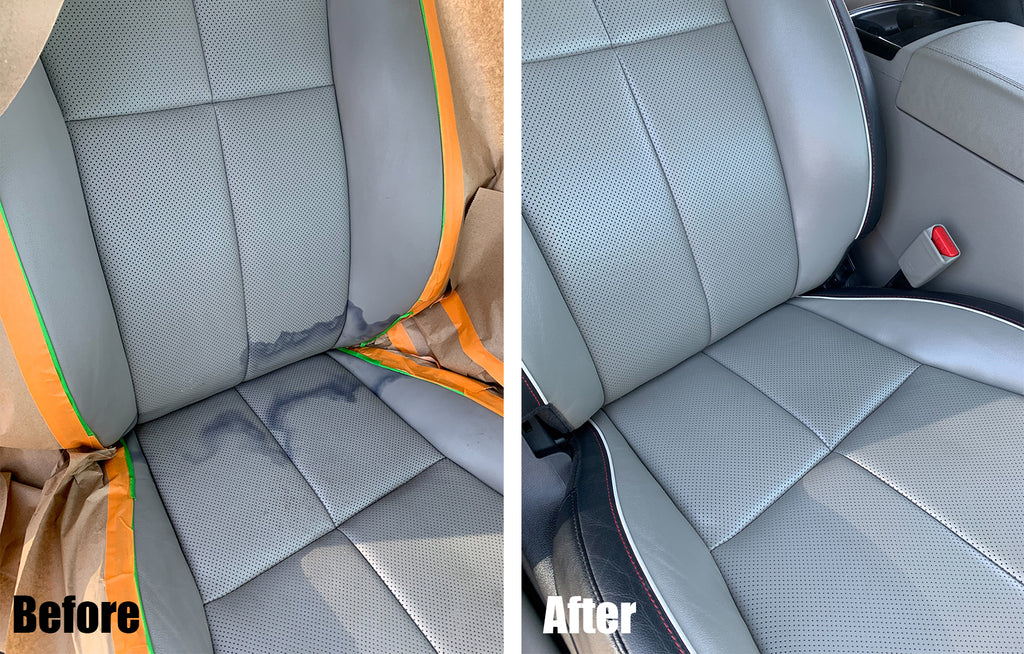
Credit: www.colorbondpaint.com
Identify Stain Types
Knowing the type of stain on your leather car seat is important. It helps you choose the right cleaning method. Different stains need different treatments. This prevents damage and keeps leather looking good.
Common Leather Stains
Leather seats often get stained by food and drinks. Coffee, soda, and grease are usual culprits. Ink marks from pens can also appear. Dirt and mud stains happen after outdoor trips. Sweat and body oils cause dark patches over time. Each stain needs special care for removal.
Assessing Stain Severity
Check how deep the stain is in the leather. Light stains sit on the surface and are easier to clean. Deep stains soak into the leather and need stronger treatment. Fresh stains are simpler to remove than old, set-in ones. Knowing the stain’s age and depth guides your cleaning steps.
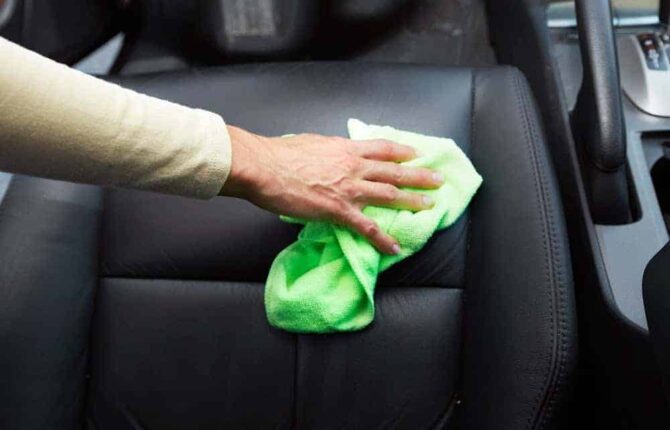
Credit: avalonking.com
Gather Cleaning Supplies
Gathering the right supplies is the first step to cleaning leather seat stains. Having everything ready makes the process smooth and effective. It helps protect your leather while removing stains safely.
Leather Cleaner Options
Choose a cleaner made for leather. Avoid harsh chemicals that can damage the material. Mild soap mixed with water works for light stains. For tougher marks, use a commercial leather cleaner. Always test the cleaner on a small spot first.
Soft Cloths And Brushes
Use soft cloths to apply and wipe cleaners. Microfiber cloths are gentle and absorb well. Soft-bristled brushes help loosen dirt without scratching. Avoid rough materials that can harm leather’s surface.
Protective Gloves
Wear gloves to protect your hands. Cleaning products can cause skin irritation. Gloves also keep dirt off your skin. Choose disposable or reusable gloves for comfort and safety.
Prepare The Leather Seat
Preparing your car leather seat before cleaning is important. It helps remove dirt and protects the leather. This makes cleaning easier and safer for the seat.
Start with simple steps to get the best results. Clean the seat gently but well. This ensures your leather stays soft and lasts longer.
Vacuuming Loose Dirt
Use a vacuum cleaner with a soft brush attachment. Gently vacuum the seat to remove dust and crumbs. Do not press hard to avoid scratching the leather. Pay attention to seams and crevices where dirt hides. This step removes particles that can cause stains during cleaning.
Testing Cleaning Products
Choose a small hidden spot on the seat. Apply a little cleaning product there first. Wait a few minutes and check for color change or damage. This test protects your leather from harsh chemicals. Only use products made for leather seats to avoid problems.
Credit: www.reddit.com
Cleaning Techniques
Cleaning car leather seat stains requires careful techniques to protect the leather. The right methods remove stains without causing damage. Use gentle tools and proper cleaners to maintain softness and color.
Below are effective cleaning techniques for different types of stains on leather seats.
Gentle Wiping Method
Start with a soft, dry cloth to wipe the stained area. Use light pressure to avoid scratching the leather. For dusty or loose dirt, this method often works well. Avoid using too much water. Excess moisture can harm leather and cause stains to spread.
Using Leather Cleaner
Choose a cleaner made specifically for leather. Apply a small amount on a clean cloth. Gently rub the stained spot in circular motions. Test the cleaner on a hidden area first. This prevents discoloration or damage. After cleaning, wipe off excess cleaner with a damp cloth. Let the seat air dry naturally.
Handling Tough Stains
For stubborn stains, mix mild soap with water. Dip a soft cloth into the solution and wring it well. Lightly scrub the stain without soaking the leather. Avoid harsh chemicals like bleach or ammonia. These can ruin the leather’s surface. After cleaning, condition the leather to restore moisture and softness.
Drying And Conditioning
Drying and conditioning are key steps after cleaning leather car seats. Proper drying stops water damage and keeps leather soft. Conditioning adds moisture and protects leather from cracks and wear. Both steps help your seats look fresh and last longer.
Proper Drying Tips
Use a soft cloth to blot excess moisture. Avoid rubbing, which can harm leather. Let the seat air dry naturally. Do not use a hairdryer or direct heat. Keep the car windows open for air circulation. Drying should take a few hours, not minutes. Check the seat often to prevent damp spots.
Applying Leather Conditioner
Choose a conditioner made for car leather. Test it on a small hidden area first. Apply a small amount with a soft cloth. Use gentle, circular motions to spread it evenly. Let the conditioner soak in for about 15 minutes. Wipe off any extra with a clean cloth. Conditioning keeps leather flexible and prevents cracks. Repeat this step every few months for best care.
Preventing Future Stains
Preventing stains on leather car seats saves time and effort. Clean seats look fresh and last longer. Taking small steps regularly keeps your seats safe from dirt and spills.
Regular Maintenance
Wipe your leather seats often with a soft, damp cloth. This removes dust and dirt before they settle in. Use a gentle leather cleaner once every few weeks. Avoid harsh chemicals that can damage the leather. Dry the seats with a clean towel after cleaning. Check for spills and stains quickly and clean them up fast. Regular care stops stains from becoming permanent.
Protective Covers And Treatments
Use seat covers to shield leather from spills and wear. Covers are easy to remove and wash. Choose covers made for leather seats to avoid scratches. Apply leather protectant sprays to create a barrier. These sprays help repel water and stains. Test the spray on a small area first. Protective treatments keep leather soft and stain-free longer.
Frequently Asked Questions
How Do I Remove Stains From Car Leather Seats?
To remove stains, first blot the area with a clean cloth. Use a mild leather cleaner and gently rub in a circular motion. Wipe off excess cleaner with a damp cloth and let it dry naturally.
What Household Items Clean Leather Seat Stains Safely?
Mild soap mixed with water works well for leather. Avoid harsh chemicals or abrasive materials. Use a soft cloth to apply the solution and gently clean the stain.
Can I Use Vinegar To Clean Leather Car Seats?
Yes, dilute white vinegar with equal water parts can clean stains. Test in an inconspicuous area first. Wipe gently and dry with a soft cloth to prevent damage.
How Often Should I Clean My Leather Car Seats?
Clean leather seats every 3-6 months to maintain appearance and durability. Regular cleaning prevents dirt buildup and reduces the risk of stains and cracks.
Conclusion
Cleaning car leather seat stains takes patience and the right tools. Use gentle cleaners to protect the leather. Act quickly to stop stains from setting. Regular care keeps your seats looking fresh and new. Small steps make a big difference over time.
Keep your car interior neat and comfortable. Simple habits help maintain leather’s soft feel. Your efforts pay off with a clean, inviting ride. Stay consistent, and your leather seats will last longer. A little care goes a long way.
