
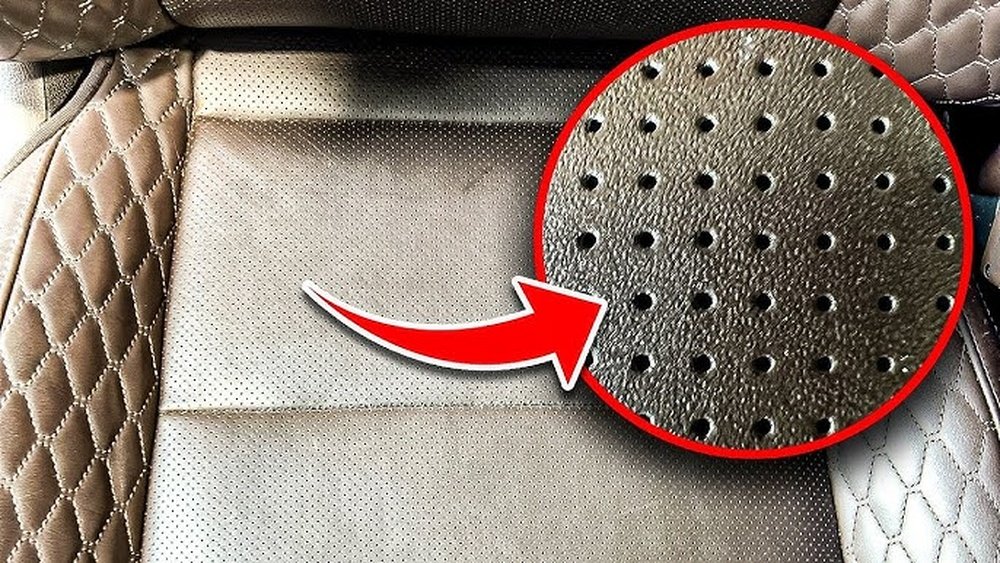
Your car’s leather seats give it a touch of luxury and comfort. But what happens when those seats start showing holes?
Cleaning leather with holes can feel tricky—you want to keep your seats looking great without making the damage worse. If you’ve been avoiding this task because you’re unsure how to handle those delicate spots, you’re not alone. You’ll discover simple, effective ways to clean your car’s leather seats with holes safely.
By the end, you’ll have the confidence to restore your seats and keep your car looking its best. Keep reading—you don’t want to miss these easy tips!
Assessing Leather Damage
Assessing leather damage is the first step in cleaning car leather seats with holes. It helps you understand the type and size of the damage. This knowledge guides the cleaning and repair process. Proper assessment prevents further damage and improves results.
Identifying Types Of Holes
Holes in leather seats can vary in shape and size. Some are small punctures from sharp objects. Others might be tears caused by wear or accidents. Pinholes often appear as tiny spots. Larger holes show clear damage and may expose the seat padding. Each type needs a different cleaning and repair method.
Evaluating Seat Condition
Check the leather around the holes for cracks or dryness. Soft and supple leather is easier to fix. Stiff or cracked leather may need extra care. Look for dirt and stains near the damage. Clean surfaces help the repair materials stick better. Note the seat’s overall wear to plan the right treatment.

Credit: www.youtube.com
Gathering Cleaning Supplies
Cleaning car leather seats with holes needs special care. Before starting, gather all necessary supplies. This step makes the process smooth. It helps fix holes and clean leather well.
Essential Cleaning Products
Choose a gentle leather cleaner. Avoid harsh chemicals that damage leather. Use a soft leather conditioner to keep seats supple. A mild soap can work if no leather cleaner is available. Select a leather repair kit for fixing holes. These kits include filler and color matching cream.
Tools For Repair And Cleaning
Use soft cloths or microfiber towels for cleaning. Avoid rough materials that scratch leather. A small sponge helps apply cleaner evenly. Get fine sandpaper to smooth repair areas. Use a plastic spatula or applicator for filler. A small brush is useful for applying color cream. Gloves protect your hands during cleaning and repair.
Preparing The Leather Surface
Preparing the leather surface is the first step to clean car leather seats with holes. It helps protect the leather and avoids further damage during cleaning. A clean surface lets the cleaning products work better and keeps the leather soft.
Removing Dirt And Debris
Start by removing loose dirt and debris from the leather. Use a soft brush or vacuum cleaner with a brush attachment. Gently brush the leather to avoid stretching or tearing the holes. Clean all corners and seams where dirt hides. Removing surface dirt prevents scratches when you clean deeper.
Testing Cleaning Solutions
Test any cleaning product before applying it to the whole seat. Choose a hidden area on the leather for the test. Apply a small amount of cleaner and wait a few minutes. Check for color changes or damage. Testing keeps the leather safe and avoids ruining the seat.
Credit: www.reddit.com
Cleaning Techniques For Leather With Holes
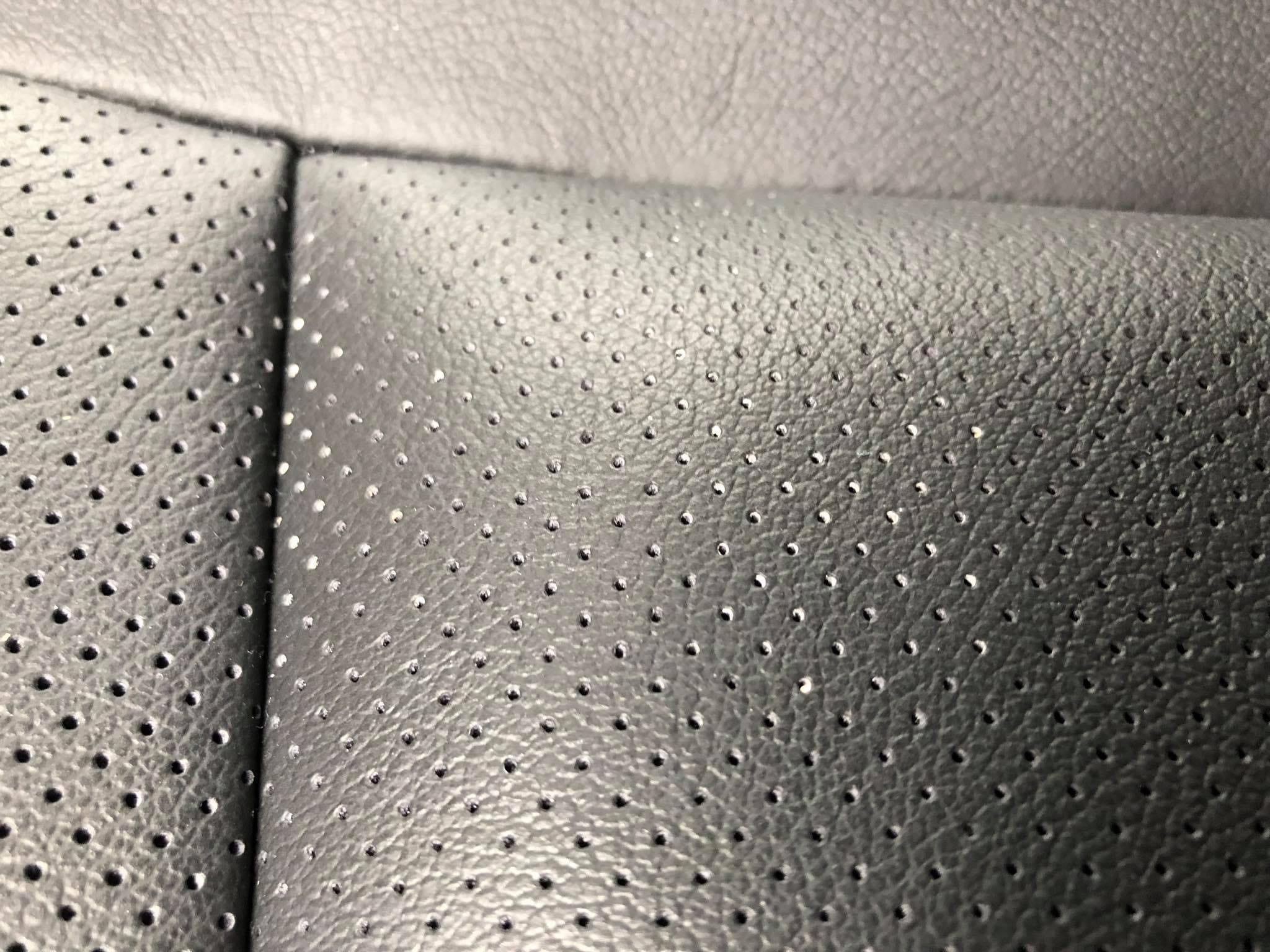
Cleaning leather car seats with holes requires special care. Dirt and grime can collect inside these gaps. Cleaning must be gentle to avoid making holes bigger. Use the right methods to keep leather soft and safe. This section explains how to clean without causing more damage.
Gentle Cleaning Methods
Use a soft brush or cloth to remove loose dirt. Avoid scrubbing hard on the holes. Apply a mild leather cleaner with a damp cloth. Dab the cleaner gently around the holes. Let the cleaner sit for a few minutes. Wipe it away with a dry, soft cloth. Repeat if needed, but do not over-wet the leather. Dry the seats naturally to keep the leather healthy.
Avoiding Further Damage
Do not use harsh chemicals or strong solvents. Avoid soaking the leather with water. Keep cleaning tools soft and non-abrasive. Do not stretch or pull the leather near holes. Protect seats from direct sunlight and heat. Use leather conditioners to keep the material supple. Regular care helps prevent holes from getting bigger. Handle the leather with care during all cleaning steps.
Repairing Leather Holes
Repairing leather holes in car seats is important to keep the interior neat. Small holes can get worse if left untreated. Fixing these holes helps protect the leather from damage. It also improves the look of your car’s interior. There are easy ways to repair holes without spending too much money. Some methods you can do at home. Others might need a professional touch.
Using Leather Fillers
Leather fillers are a simple way to fix small holes. Clean the area around the hole first. Apply the filler gently with a spatula or your finger. Let it dry completely before touching it. You may need to add more layers for a smooth finish. After drying, use fine sandpaper to even out the surface. Finally, color the patch to match your seat. This method works well for tiny holes and cracks.
Patching Small Holes
Patching is useful for slightly bigger holes. Cut a leather piece that fits inside the hole. Use a strong adhesive to stick the patch under the hole. Press it firmly to hold in place. After the glue dries, apply leather filler on top. Smooth the edges to blend with the seat. Once dry, paint the patch to match the seat color. This method gives more strength to damaged areas.
Professional Repair Options
Some holes need expert care. Professional repair shops offer services for deep or large holes. They use special tools and materials to restore leather seats. Experts can match the color and texture closely. Their work lasts longer and looks natural. This option costs more but saves time and effort. For serious damage, professional repair is the best choice.
Conditioning And Protecting Leather
Leather seats with holes need extra care after cleaning. Conditioning helps keep leather soft and flexible. It stops the leather from drying out and cracking more. Protecting the leather keeps it safe from dirt and wear. This step is key to making your seats last longer and look better.
Applying Leather Conditioner
Choose a conditioner made for car leather. Use a soft cloth to apply a small amount. Gently rub the conditioner into the leather in circles. Focus on the areas around the holes carefully. Let the conditioner soak in for 10 to 15 minutes. Wipe off any extra with a clean cloth. Do this regularly to keep leather healthy and strong.
Preventing Future Damage
Keep sharp objects away from leather seats. Use seat covers to protect from spills and dirt. Park in shaded areas to avoid sun damage. Clean spills immediately to prevent stains. Condition leather every few months to maintain softness. Regular care helps stop new holes and cracks from forming.
Maintenance Tips For Leather Seats
Leather seats add style and comfort to your car. Keeping them clean and well-maintained helps them last longer. Maintenance is very important, especially if the seats have holes. Small holes can get worse without proper care. Follow simple steps to protect and clean your leather seats.
Regular Cleaning Schedule
Clean your leather seats often. Dust and dirt can damage the leather. Wipe seats with a soft, dry cloth every week. Use a damp cloth to clean every month. Avoid soaking the leather with water. Regular cleaning stops dirt from settling into holes and cracks.
Safe Cleaning Products To Use
Choose gentle cleaners made for leather. Harsh chemicals can cause more damage. Use pH-balanced leather cleaner for best results. Avoid products with alcohol or ammonia. Test any cleaner on a small hidden spot first. Apply the cleaner with a soft cloth, not a brush. This protects the leather around holes and keeps it soft.
Credit: www.leatherrepaircompany.com
Frequently Asked Questions
How To Clean Leather Seats With Small Holes?
Use a gentle leather cleaner and soft cloth. Avoid harsh chemicals that worsen damage. Clean around holes carefully to prevent tears.
Can I Repair Holes Before Cleaning Leather Seats?
Yes, repair holes using a leather repair kit first. This prevents dirt from settling inside holes during cleaning.
What Products Are Safe For Leather Seat Cleaning?
Choose pH-balanced leather cleaners and conditioners. Avoid ammonia or bleach-based products as they damage leather fibers.
How Often Should I Clean Car Leather Seats With Holes?
Clean seats every 3-4 months to maintain condition. More frequent cleaning may worsen holes or wear if done roughly.
Conclusion
Cleaning car leather seats with holes takes care and patience. Use gentle cleaners and soft cloths to avoid damage. Repair small holes before cleaning to prevent worsening. Regular maintenance keeps leather soft and looking good. Small steps make a big difference in seat care.
Keep your car interior fresh and inviting every day. Simple actions protect your investment and improve comfort. Try these tips to enjoy cleaner, longer-lasting leather seats.
