
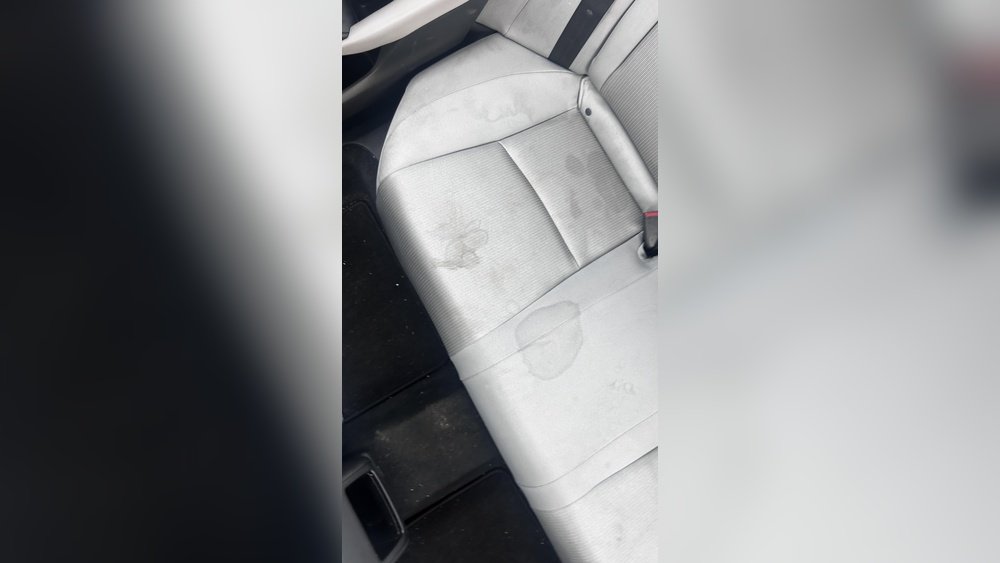
Your car’s passenger seat sees a lot of action—spilled drinks, dirt, and everyday messes can quickly make it look worn and uninviting. If you want your car to feel fresh and comfortable every time you hop in, knowing how to clean your passenger seat properly is key.
In this guide, you’ll discover simple, effective steps to restore your seat’s appearance and keep it looking like new. Ready to transform your car’s interior with just a little effort? Let’s get started.
Materials Needed
Cleaning a car passenger seat needs the right materials. Using proper tools makes the job easier and more effective. Gather everything before starting. This saves time and avoids interruptions.
Cleaning Solution
Choose a gentle cleaner safe for your seat’s material. Upholstery cleaner works well for fabric seats. Leather seats need a special leather cleaner. Avoid harsh chemicals that damage the fabric or leather.
Soft Brush
A soft brush helps remove dirt and stains. It loosens grime stuck deep in the fabric. Use gentle circular motions to avoid damage. For leather, use a soft-bristled brush or cloth instead.
Microfiber Cloths
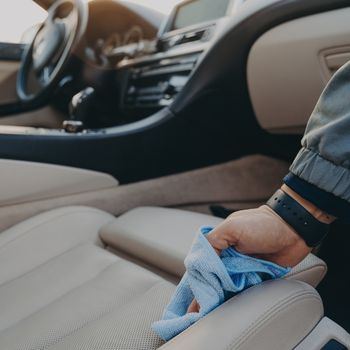
Microfiber cloths trap dirt and absorb moisture well. Use one cloth to apply cleaner and another to wipe off dirt. They are soft and do not scratch surfaces.
Vacuum Cleaner
A vacuum cleans loose dirt and debris before wet cleaning. Use a brush attachment to reach corners and seams. This step prevents dirt from spreading during cleaning.
Water Spray Bottle
A spray bottle helps control water amount used on the seat. Mist the cleaner evenly without soaking the fabric. Too much water can cause damage or mold.

Credit: www.reddit.com
Preparing The Seat
Preparing the car passenger seat is the first step in cleaning it well. A clean and clear seat helps the cleaning process work better. Take time to get the seat ready. This saves effort and gives a better result.
Start by removing things on the seat. Small items, trash, and loose dirt must go. The seat surface needs to be open and free for cleaning. This makes the job easier and faster.
Remove Loose Items And Trash
Look closely at the seat and floor area. Pick up any trash like wrappers, papers, or receipts. Take out personal items such as bags or books. This clears space and stops dirt from spreading.
Vacuum The Seat Thoroughly
Use a vacuum cleaner with a brush tool. Run it over the seat carefully. Clean all corners and seams. Vacuuming lifts dust, crumbs, and hair. It prepares the seat for deeper cleaning steps.
Check For Stains And Spots
Look for visible stains on the fabric or leather. Note their size and type. This helps decide what cleaning products to use. Treat tough stains separately for better results.
Test Cleaning Products First
Choose a small hidden spot on the seat. Apply a little cleaner there. Wait a few minutes. Check for color changes or damage. This avoids ruining the whole seat during cleaning.
Vacuuming The Seat
Vacuuming the car passenger seat is the first step in cleaning. It removes dust, crumbs, and small dirt particles from the fabric or leather. A clean seat looks fresh and helps keep the car interior healthy.
Use a vacuum with different attachments to reach every spot. Pay close attention to seams and crevices where dirt hides. Regular vacuuming stops dirt from embedding deeply into the material.
Choose The Right Vacuum Cleaner
Pick a vacuum with strong suction and a soft brush tool. The brush helps lift dirt without damaging the seat fabric. A handheld vacuum or one with a hose works best for tight spaces.
Remove Loose Items Before Vacuuming
Clear the seat of toys, papers, and other objects. This makes vacuuming easier and more effective. It also prevents items from blocking the vacuum nozzle.
Focus On Crevices And Seams
Use a narrow nozzle attachment to clean seat crevices. Dirt often hides in these small spaces. Move the vacuum slowly to catch all dust and crumbs.
Vacuum The Entire Seat Surface
Cover the full seat, including the backrest and bottom cushion. Overlap your passes to avoid missing spots. This creates a uniform clean look.
Check For Stubborn Dirt After Vacuuming
Look closely for stuck dirt or pet hair. Use a brush or sticky tape to remove stubborn debris. Repeat vacuuming if needed for a thorough clean.
Choosing The Right Cleaner
Choosing the right cleaner is key to keeping your car passenger seat fresh and safe. Different seat materials need special care. Using the wrong cleaner can damage the seat or leave stains. This guide helps you pick the best cleaner for leather, fabric, or DIY options. Clean seats look good and last longer.
Leather Seat Cleaners
Leather seats need gentle, oil-based cleaners. These keep the leather soft and stop cracks. Avoid harsh chemicals and bleach. Use a soft cloth to apply the cleaner. Wipe the seat gently to remove dirt and grime. Regular cleaning keeps leather smooth and shiny.
Fabric Seat Cleaners
Fabric seats need water-based cleaners that remove stains and odors. Spray the cleaner lightly on the seat. Use a soft brush to scrub stains carefully. Blot excess moisture with a clean towel. Let the seat dry completely before use. Fabric cleaners help keep seats bright and fresh.
Diy Cleaning Solutions
DIY cleaners are cheap and easy to make at home. Mix water with mild soap or vinegar for fabric seats. For leather, use a small amount of olive oil with lemon juice. Test any solution on a small seat area first. Homemade cleaners work well for light dirt and spills.
Spot Cleaning Stains
Spot cleaning stains on your car passenger seat helps keep it fresh and neat. Treating stains quickly prevents them from setting in. Different stains need different methods for best results. Use gentle cleaners and soft cloths to avoid damage.
Removing Food Stains
Start by scraping off any leftover food gently. Blot the stain with a clean cloth to absorb moisture. Mix mild soap with warm water. Dab the solution on the stain using a soft cloth. Avoid rubbing hard to prevent spreading. Rinse with a damp cloth and let the seat air dry.
Eliminating Ink Marks
Dab the ink stain carefully using a cotton ball soaked in rubbing alcohol. Test a small hidden area first to check color safety. Blot the stain, do not rub, to lift ink out. Repeat dabbing until the ink fades. Wipe with a damp cloth to remove residue. Allow the seat to dry fully.
Treating Oil And Grease
Sprinkle baking soda or cornstarch over the grease spot. Let it sit for 15 minutes to absorb oil. Brush off the powder gently. Use dish soap mixed with water to clean the area. Apply with a soft cloth and blot the stain. Rinse with a damp cloth and air dry the seat.
Deep Cleaning Techniques
Deep cleaning your car’s passenger seat removes dirt, stains, and odors. It keeps the seat fresh and extends its life. Different materials need different care. Use the right method for fabric or leather seats. Follow these techniques for a thorough clean that refreshes your car interior.
Using A Steam Cleaner
Steam cleaners use hot steam to lift dirt and grime. They work well on fabric and some leather seats. Start by vacuuming the seat to remove loose dirt. Hold the steam cleaner a few inches away. Move it slowly over the seat surface. The heat kills bacteria and removes stains. Let the seat dry completely before using it again.
Shampooing Fabric Seats
Shampooing cleans deep into fabric fibers. Use a fabric-safe shampoo or upholstery cleaner. Spray the cleaner evenly on the seat. Use a soft brush to scrub gently in circles. This loosens dirt and stains trapped in the fabric. Wipe away excess moisture with a clean cloth. Leave the seat to air dry fully to avoid mildew.
Conditioning Leather Seats
Leather needs special care to stay soft and crack-free. Clean the seat first with a leather cleaner. Apply the cleaner with a soft cloth and rub gently. After cleaning, use a leather conditioner. This restores moisture and keeps leather supple. Spread the conditioner evenly and let it absorb. Buff the seat with a dry cloth for a smooth finish.
Drying And Ventilation
Drying and ventilation are crucial steps after cleaning car passenger seats. Proper drying stops mold and bad smells from forming. It also keeps the seat material fresh and in good shape.
Quick and even drying prevents water stains and damage. Air circulation helps moisture escape faster. Using the right methods keeps your car seat clean and safe to use.
Proper Airflow For Faster Drying
Open all car doors or windows to increase airflow. This helps moisture leave the seat quickly. Use a fan inside the car to move air around. Good airflow stops damp spots from forming.
Using Towels To Absorb Moisture
After cleaning, press a dry towel on the seat. This pulls out extra water from the fabric. Avoid rubbing hard, which can damage the material. Repeat with fresh towels until the seat feels less wet.
Avoiding Direct Sunlight Damage
Sunlight can fade or crack seat materials. Dry the seat in a shaded, well-ventilated area instead. This keeps the seat color bright and the fabric strong. Shade helps slow and safe drying.
Checking For Damp Spots
Touch the seat to find wet areas. Focus on seams and crevices, where water hides. Use extra towels or airflow on these spots. Ensuring the seat is fully dry stops mold and odors.
Credit: dasilvaautobody.com
Maintaining Seat Cleanliness
Keeping your car passenger seat clean is important for comfort and hygiene. Dirt and spills can make your seat look old and worn out. Regular care helps keep the seat fresh and inviting. It also protects the seat material from damage. Follow these simple tips to maintain seat cleanliness and enjoy a neat car interior.
Regular Vacuuming
Vacuum your passenger seat often. It removes dust, crumbs, and small debris. Use a vacuum with a brush attachment for best results. Pay attention to seams and crevices where dirt hides. Regular vacuuming prevents dirt buildup and keeps the seat fabric bright.
Using Seat Covers
Seat covers protect the original seat fabric. They prevent stains, spills, and wear from daily use. Choose covers made of easy-to-clean materials. Covers can be removed and washed regularly. This keeps the seat looking new for longer.
Immediate Stain Treatment
Clean spills and stains right away. Use a clean cloth to blot the spot gently. Avoid rubbing, which can spread the stain. Apply a mild cleaner suitable for the seat material. Prompt treatment stops stains from setting and becoming permanent.
Credit: www.alamy.com
Frequently Asked Questions
How Do I Clean Fabric Car Passenger Seats?
Use a vacuum to remove dirt and crumbs first. Apply a fabric cleaner and scrub gently with a soft brush. Wipe with a damp cloth and let it air dry. Avoid soaking the seat to prevent mold or damage.
What Is The Best Cleaner For Leather Car Seats?
Use a pH-balanced leather cleaner specifically designed for car interiors. Apply with a microfiber cloth and gently wipe the surface. Avoid harsh chemicals or household cleaners that can dry out or damage the leather.
How Often Should Car Passenger Seats Be Cleaned?
Clean car seats every 1 to 3 months, depending on usage. Frequent cleaning prevents stains, odors, and wear. Regular maintenance keeps seats looking new and extends their lifespan.
Can I Use Household Cleaners On Car Seats?
It’s not recommended to use household cleaners on car seats. Many contain harsh chemicals that can damage fabric or leather. Always use products specifically designed for automotive interiors for safe and effective cleaning.
Conclusion
Cleaning your car’s passenger seat keeps it fresh and inviting. Regular care stops dirt and stains from building up. Use gentle cleaners and soft cloths for best results. Small steps make a big difference over time. A clean seat feels nicer and lasts longer.
Try to clean spills quickly to avoid damage. Your car’s interior looks better and stays healthy this way. Simple habits keep your ride comfortable and neat. Give your passenger seat some attention today. It’s worth the effort.
