
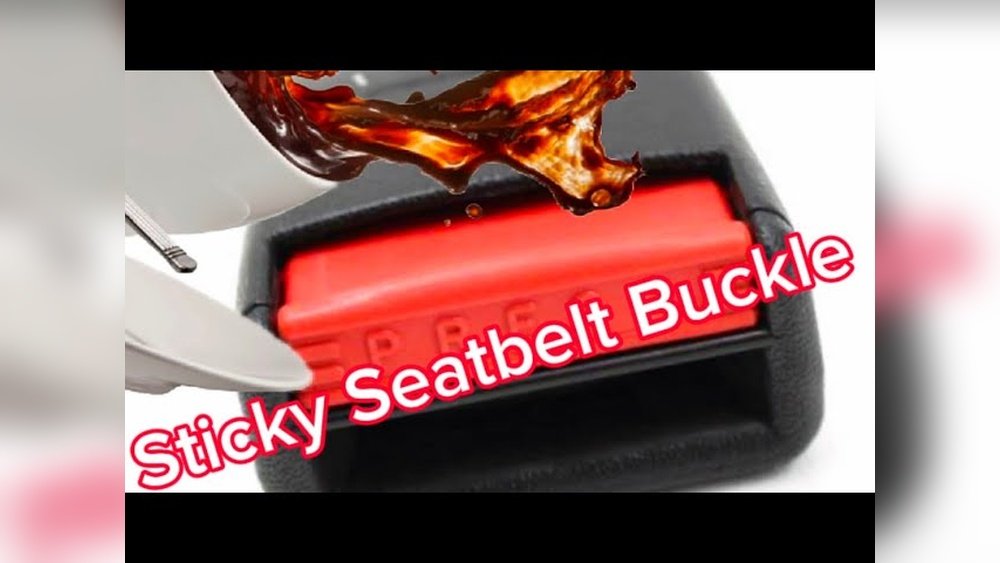
Your car seat belt buckle is one of the most important safety features in your vehicle. But have you ever stopped to think about how clean it is?
Dirt, dust, and grime can build up inside the buckle, making it hard to fasten or even unsafe to use. If your seat belt buckle is sticking or not clicking properly, it’s time to take action. You’ll discover simple and effective ways to clean your car seat belt buckle so it works smoothly every time.
Keep reading to protect yourself and your passengers with a buckle that’s both clean and reliable.
Tools Needed
Cleaning a car seat belt buckle needs some simple tools. These tools help remove dirt and dust inside the buckle. A clean buckle works better and lasts longer.
Gathering the right tools makes the cleaning process easier. Most tools are easy to find at home or in local stores.
Soft Brush
A soft brush helps remove dust from small gaps. A toothbrush works well for this job. It cleans without damaging the buckle parts.
Compressed Air Can
Compressed air blows away dirt from tight spaces. It reaches areas that a brush cannot touch. Use short bursts of air for best results.
Mild Soap Solution
Mild soap mixed with water cleans sticky grime. Use a few drops of soap in warm water. Avoid harsh chemicals that can damage plastic.
Microfiber Cloth
A microfiber cloth wipes the buckle clean and dry. It absorbs moisture without scratching the surface. Use it after applying soap solution or air.
Toothpick Or Cotton Swab
Toothpicks or cotton swabs help clean narrow spaces inside. They reach corners where dirt hides. Be gentle to avoid breaking small parts.

Credit: www.youtube.com
Safety Precautions
Cleaning a car seat belt buckle requires care and attention. Safety comes first to avoid damage or injury. Follow these simple precautions to keep the buckle working well and safe.
Turn Off The Car Engine
Always switch off the car before cleaning the buckle. This prevents any accidental electrical issues. It also stops the seat belt alarm from sounding while you work.
Use Gentle Cleaning Tools
Avoid harsh brushes or sharp objects. Use a soft cloth or a small brush with soft bristles. This keeps the buckle parts from breaking or getting stuck.
Avoid Excess Water Inside Buckle
Do not pour water directly into the buckle. Excess water can cause rust or electrical problems. Use a damp cloth instead to clean the surface gently.
Test Buckle After Cleaning
After cleaning, check if the buckle locks and releases smoothly. Ensure it functions properly before driving. A faulty buckle can be dangerous in an emergency.
Keep Cleaning Products Mild
Use mild soap or a gentle cleaner. Strong chemicals can damage the plastic and metal parts. Mild products clean effectively without harm.
Initial Inspection
Before cleaning your car seat belt buckle, start with a careful inspection. This step helps spot any damage or dirt that could cause problems. Checking the buckle first ensures you clean it properly and safely. A clean buckle works better and lasts longer.
Check For Visible Dirt And Debris
Look closely at the buckle’s surface and inside the slot. Dust, crumbs, and small debris often get stuck inside. Removing these particles is important before using any cleaning liquid. Dirt can block the buckle from locking or unlocking.
Inspect For Signs Of Wear Or Damage
Examine the buckle for cracks, rust, or broken parts. Damage can make the buckle unsafe. Notice if the button feels loose or stuck. A damaged buckle needs repair or replacement, not just cleaning.
Test The Buckle Function
Press the buckle release button several times. It should move smoothly and click firmly. Insert the seat belt tongue and pull gently. The buckle must lock tightly without slipping. Testing helps understand how well the buckle works now.
Note Any Unusual Noises
Listen for clicks, grinding, or sticking sounds. Strange noises can mean dirt or internal damage. This information guides how deep the cleaning should be. Clean buckles should operate quietly and easily.
Removing Loose Debris
Removing loose debris from your car seat belt buckle is the first step to a cleaner and safer buckle. Dirt, dust, and crumbs can get stuck inside the buckle over time. This buildup can stop the buckle from working properly. Cleaning out loose debris helps the seat belt lock and unlock smoothly.
Start by looking closely at the buckle. You might see small bits of dirt or food crumbs inside. These pieces can block the buckle’s mechanism. Removing them keeps the seat belt safe to use and extends its life.
Use A Vacuum Cleaner
Take a small vacuum nozzle or brush attachment. Gently suck out dirt and crumbs from inside the buckle. Move the nozzle around to reach all corners. This method removes loose debris without damaging the buckle.
Shake And Tap The Buckle
Hold the buckle firmly and shake it gently. Tap the buckle against your hand or a soft surface. This action helps loosen hidden dirt inside. Repeat several times to get as much debris out as possible.
Use Compressed Air
Spray compressed air into the buckle’s opening. The air pushes out dust and tiny particles. Keep the can upright to avoid spraying liquid. Use short bursts for better control.
Cleaning Solution Options
Choosing the right cleaning solution helps keep your car seat belt buckle working well. Dirt, dust, and sticky residue build up inside the buckle over time. This can cause it to stick or not click properly. Picking the right cleaner removes grime without harming the buckle’s parts. There are two main types of cleaning solutions to consider: DIY options and commercial cleaners. Both work well but have different ingredients and uses.
Diy Solutions
DIY solutions use simple household items. Mild soap mixed with warm water is a good start. Use a soft cloth or cotton swab to apply the solution. Rubbing alcohol helps remove sticky residue quickly. It dries fast and kills germs. Avoid harsh chemicals that can damage plastic or metal parts. White vinegar diluted with water also works well. These options are safe, cheap, and easy to find.
Commercial Cleaners
Commercial cleaners are made for tough grime and grease. Look for products labeled safe for plastic and metal. Spray or gel cleaners reach deep inside the buckle. Many commercial cleaners remove oil and dirt better than DIY options. They often include lubricants to keep the buckle working smoothly. Use these cleaners carefully and follow the instructions. Test a small area first to avoid damage.

Credit: www.serramazdaakron.com
Step-by-step Cleaning Process
Cleaning a car seat belt buckle is simple with the right steps. Dirt and grime can block the buckle, making it hard to use. Follow this easy process to keep your buckle working well and safe.
Apply Cleaner
Choose a mild cleaner suitable for plastic and metal. Spray or apply a small amount directly on the buckle. Let it sit for a minute. This loosens dirt and sticky residue inside the buckle.
Scrub Gently
Use a soft brush or old toothbrush to scrub the buckle. Focus on crevices where dirt hides. Avoid harsh scrubbing to prevent damage. Clean until you see no more grime.
Rinse And Wipe
Dampen a clean cloth with water and wipe the buckle. Remove all cleaner and loosened dirt. Dry the buckle with a dry cloth. Test the buckle to ensure it clicks smoothly.
Drying And Testing
After cleaning your car seat belt buckle, drying and testing are key steps. Proper drying prevents rust and damage inside the buckle. Testing ensures the buckle works safely and smoothly.
Drying The Seat Belt Buckle
Use a clean, dry cloth to wipe the buckle’s surface. Let the buckle air dry completely before use. Avoid using heat sources like hair dryers. Heat can damage plastic parts inside the buckle. Patience is important here. Allow at least a few hours for full drying.
Testing The Seat Belt Buckle
Once dry, press the buckle button several times. Make sure it clicks and releases without sticking. Insert the seat belt tongue and listen for a click. Pull gently to confirm it locks securely. Repeat this process a few times. This confirms the buckle works properly and safely.

Credit: www.fortador.com
Maintenance Tips
Keeping your car seat belt buckle clean ensures safety and smooth operation. Dirt and dust can block the buckle, making it hard to latch or release. Regular care helps avoid this problem and extends the life of your buckle.
Clean The Buckle Regularly
Use a soft cloth to wipe dirt from the buckle surface. Avoid harsh chemicals that can damage the plastic parts. A damp cloth with mild soap works well for light cleaning.
Remove Debris Inside The Buckle
Use a small brush or compressed air to clear dirt inside the buckle slot. This stops particles from jamming the mechanism. Be gentle to avoid breaking any parts.
Check For Sticky Or Stuck Buckles
If the buckle feels sticky, press the release button several times. This can help loosen dirt inside. Avoid forcing the buckle open to prevent damage.
Lubricate The Buckle Mechanism
Apply a small amount of silicone spray or graphite powder inside the buckle. This keeps the parts moving smoothly. Avoid oil-based lubricants that attract dust.
Inspect For Damage
Look for cracks or broken parts regularly. Replace the buckle immediately if damaged. A faulty buckle is a serious safety risk.
Frequently Asked Questions
How Do I Safely Clean A Car Seat Belt Buckle?
Use a soft brush and mild soap solution to clean the buckle. Avoid harsh chemicals that can damage the mechanism. Rinse with a damp cloth and let it dry completely before use.
What Household Items Can Clean Seat Belt Buckles?
Mild dish soap, warm water, and a toothbrush work well. Avoid abrasive cleaners or solvents. These items gently remove dirt without harming the buckle’s components.
How Often Should Car Seat Belt Buckles Be Cleaned?
Clean seat belt buckles every 3 to 6 months or when dirty. Regular cleaning ensures smooth operation and prevents dirt buildup that can cause jamming.
Can Water Damage A Seat Belt Buckle?
Excessive water can cause rust or electrical issues in some buckles. Use minimal water and dry the buckle thoroughly after cleaning to prevent damage.
Conclusion
Cleaning your car seat belt buckle keeps it working smoothly. Dirt and dust can block the buckle, making it hard to use. Regular cleaning helps avoid this problem and keeps you safe. Use simple tools like a brush and mild cleaner for best results.
Take your time and be gentle to avoid damage. A clean buckle also looks better and lasts longer. Keep this easy routine part of your car care habits. Safe driving starts with well-maintained equipment.
