
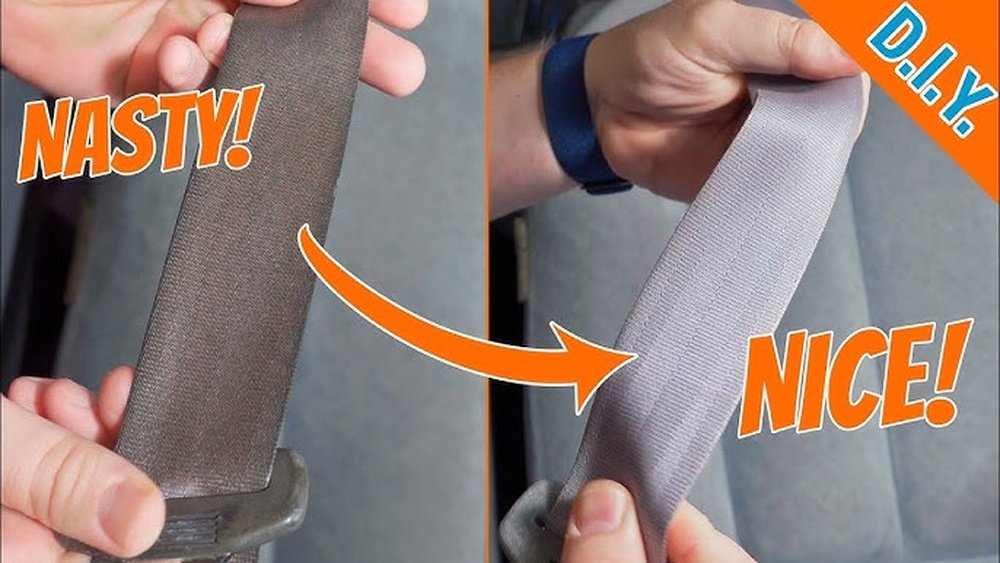
Your car seat belts protect you every time you hit the road. But have you ever stopped to think about how clean they really are?
Dirt, stains, and grime can build up over time, making your seat belts look worn and less effective. Cleaning them might seem tricky, but it doesn’t have to be. You’ll learn simple, effective steps to make your seat belts look fresh and work like new.
Keep reading, and discover how easy it is to keep your car safe and spotless!
Tools And Materials Needed
Cleaning car seat belts requires specific tools and materials. Using the right items makes the task easier and safer. Prepare everything before starting. This keeps the process smooth and effective.
Cleaning Solutions
Choose a gentle cleaning solution for seat belts. Mild soap mixed with warm water works well. Avoid harsh chemicals that can damage fabric. Upholstery cleaner designed for car interiors is a good option. Test any cleaner on a small area first.
Brushes And Cloths
Use soft brushes to remove dirt and stains. A toothbrush or small scrub brush fits well. Soft cloths help wipe down the belt after scrubbing. Microfiber cloths absorb moisture and clean gently. Avoid rough brushes that can fray the fabric.
Protective Gear
Wear gloves to protect your hands from cleaning agents. Gloves keep your skin safe and clean. Use eye protection if using stronger cleaners. This prevents accidental splashes into your eyes. Safety first for a worry-free cleaning job.
Credit: csftl.org
Preparing The Seat Belts
Preparing the seat belts is the first step before cleaning. This ensures a safe and effective process. Careful preparation protects the belts and the car interior. It helps remove dirt and keeps the belts working well.
Inspecting For Damage
Look closely at the seat belts for any cuts or tears. Check for frayed edges and worn spots. Damaged belts may not work properly. Avoid cleaning if you see serious damage. Replace belts with safety issues before cleaning.
Removing Loose Dirt
Brush off dust and loose dirt with a soft brush. Use a vacuum cleaner to get crumbs and debris. Clean belts dry first to avoid spreading dirt. This step helps the cleaning solution work better. Removing loose dirt keeps the belt clean longer.
Protecting Surrounding Areas
Cover nearby car parts with cloth or paper towels. Protect the seats and dashboard from cleaning liquids. This avoids stains and water damage. Use painter’s tape to hold covers in place. Protecting the area keeps your car neat and safe during cleaning.
Cleaning Methods
Cleaning car seat belts is important for both safety and hygiene. Dirt, sweat, and spills can make the belts look old and worn. Choosing the right cleaning method helps keep the seat belts strong and fresh. Here are some easy ways to clean them effectively.
Hand Washing Technique
Start by pulling the seat belt out completely. Mix warm water with a small amount of mild soap. Use a soft cloth or sponge to gently scrub the belt. Focus on dirty areas but avoid soaking the belt too much. Rinse the cloth with clean water and wipe off any soap. Let the belt air dry fully before retracting it.
Using A Steam Cleaner
Steam cleaners offer a quick way to remove dirt and germs. Use a handheld steam cleaner with a fabric attachment. Hold the nozzle a few inches from the belt and move slowly. The steam loosens grime without harsh chemicals. After steaming, wipe the belt with a dry cloth. Let it dry completely before use.
Spot Cleaning Tough Stains
For stubborn stains, apply a small amount of stain remover or vinegar. Dab gently with a clean cloth to lift the stain. Avoid scrubbing hard to prevent damage. Rinse the area with a damp cloth to remove residue. Allow the spot to dry in open air before retracting the belt.
Drying And Finishing
Drying and finishing car seat belts is a key step after cleaning. Proper drying keeps the belt strong and safe. It also stops mold and bad smells from growing. Take your time to dry seat belts right. This helps them last longer and work well.
Air Drying Tips
Let seat belts dry naturally in the open air. Hang them in a sunny spot, but avoid direct sunlight for too long. Use a clean hanger or hook to keep the belt straight. Do not fold or bunch it up. Make sure air flows freely around the belt. This helps water evaporate faster and prevents bad odors.
Avoiding Damage During Drying
Keep seat belts away from heat sources like radiators or hair dryers. Heat can weaken the fabric and cause shrinkage. Avoid using a dryer machine. Do not twist or wring the belt to remove water. Handle gently to keep the fibers strong. Check the belt often to make sure it dries evenly and stays smooth.
Final Inspection
After drying, check the seat belt carefully. Look for any signs of damage or wear like frays, cuts, or stiffness. Test the buckle to make sure it clicks and releases smoothly. Pull the belt to check its strength and flexibility. Clean belts that look good and work well. Replace belts that show damage or weakness. Safety comes first.
Maintenance Tips
Keeping car seat belts clean helps maintain safety and comfort. Dirt and stains can weaken the fabric over time. Regular care makes belts last longer and look better. Follow simple maintenance tips to protect your seat belts every day.
Regular Cleaning Schedule
Clean seat belts at least once a month. Use mild soap and warm water for gentle cleaning. Avoid harsh chemicals that damage the fabric. Let the belt dry fully before retracting it. This prevents mold and bad odors.
Preventing Future Stains
Keep food and drinks away from seat belts. Dirt from hands can also cause stains. Use a small brush to remove dust often. Cover the belt with a cloth if carrying messy items. Quick action stops stains from setting in.
Safe Use Practices
Always pull the belt smoothly when fastening. Avoid yanking or twisting the strap. Check for frays or damage regularly. Replace belts that show wear to stay safe. Proper use keeps belts strong and reliable.

Credit: www.fortador-usa.com

Credit: www.youtube.com
Frequently Asked Questions
How Do I Clean Car Seat Belts Safely?
Use mild soap and warm water to clean seat belts. Avoid harsh chemicals that weaken the fabric. Gently scrub with a soft brush, then wipe with a clean cloth. Let the belt air dry completely before retracting it.
Can I Use Bleach To Clean Seat Belts?
No, avoid bleach as it damages seat belt fibers. Bleach weakens the material and reduces safety. Stick to gentle detergents or specialized car fabric cleaners for effective and safe cleaning.
How Often Should Car Seat Belts Be Cleaned?
Clean seat belts every 3 to 6 months or when visibly dirty. Regular cleaning prevents grime buildup and maintains belt flexibility. Frequent checks ensure belts remain safe and functional.
Will Cleaning Affect Seat Belt Performance?
Proper cleaning won’t affect performance if done gently. Avoid soaking belts or using harsh chemicals. Damaging fibers can reduce strength, so use recommended methods to maintain safety and effectiveness.
Conclusion
Cleaning car seat belts keeps them safe and looking good. Use gentle cleaners and soft brushes to avoid damage. Dry the belts fully before using the car again. Regular cleaning helps remove dirt and stains easily. Clean seat belts make your car feel fresh and cared for.
Simple steps protect your safety and improve your ride. Keep your car seat belts clean and ready for every trip. It’s easy and worth the small effort.
