
Imagine sitting in your car, only to notice a strong, unpleasant smell that instantly ruins your drive. If your cat has left an unexpected surprise on your car seat, you know how frustrating and embarrassing it can be.
But don’t worry—cleaning cat pee from your car seat doesn’t have to be a nightmare. In this guide, you’ll discover simple, effective steps to remove stains and odors, so your car feels fresh and comfortable again. Keep reading, and you’ll learn how to tackle this problem quickly and confidently.

Credit: www.wikihow.com
Identify The Stain
Identifying the stain on your car seat is the first step in cleaning cat pee effectively. Knowing exactly where the urine has soaked in helps you focus your cleaning efforts. This prevents missing spots that can cause bad odors or damage over time.
Careful inspection of the seat is necessary. Urine can seep deep into the fabric or foam underneath. Spotting all affected areas early makes the cleaning process easier and more thorough.
Locate All Affected Areas
Start by looking closely at the car seat surface. Check for visible wet spots or discoloration. Cat pee can sometimes appear as a yellowish stain or a darker patch on the fabric.
Don’t forget to check seams and crevices. Urine can hide in these hard-to-see places. Use a flashlight if needed to spot any hidden stains. Mark these areas with small pieces of tape or a washable marker.
Check For Odor And Moisture
Smell the car seat to detect any urine odor. Cat pee has a strong, distinct smell that lingers. The odor helps find spots that may not be visible.
Touch the seat surface gently to feel for dampness. Wet areas indicate fresh or uncleaned urine. Dry spots might still hold odor or stain under the surface.
Using both smell and touch ensures you find all affected areas. This step helps prepare for a complete and effective cleaning.

Credit: www.moransperformancedetailing.com
Gather Cleaning Supplies
Cleaning cat pee from car seats needs the right supplies. Gather all items before starting. This saves time and makes cleaning easier. Use safe, effective products to protect your car and remove odor.
Essential Cleaning Agents
Choose a cleaner made for pet stains. Enzyme cleaners break down urine and stop smells. White vinegar mixed with water also helps remove odor. Baking soda can absorb moisture and freshen the seat. Avoid harsh chemicals that can damage fabric or leather.
Tools For Effective Cleaning
Soft cloths or microfiber towels work well for blotting. A spray bottle helps apply cleaning solution evenly. Use a soft brush to gently scrub tough spots. Paper towels are good for soaking up urine quickly. Gloves protect your hands from germs and strong smells.
Initial Cleaning Steps
Cleaning cat urine from car seats requires quick and careful action. The first steps are very important to stop stains and smells. Acting fast helps keep your car seat fresh and clean.
Start by removing as much urine as you can. Use the right method to avoid pushing the mess deeper. Then, avoid common mistakes that can make cleaning harder or damage your seat.
Blotting Excess Urine
Use paper towels or a clean cloth to blot the urine. Press gently and do not rub. Rubbing spreads the urine and stains more. Keep blotting until no more liquid comes out. Use fresh towels as needed to soak up all moisture.
Avoiding Common Mistakes
Do not use heat to dry the urine stain. Heat sets the stain and smell permanently. Avoid harsh cleaners that can damage your car seat fabric. Never scrub hard, as this can ruin the material. Use mild cleaners made for fabrics or natural solutions. Test any cleaner on a small spot first to check for damage.
Deep Cleaning Methods
Cat urine can leave strong odors and stains on car seats. Deep cleaning removes the smell and cleans the fabric thoroughly. Simple surface cleaning does not fully remove the odor. Deep cleaning reaches the source of the stain and breaks down the urine compounds. This stops the smell from coming back.
Using Enzymatic Cleaners
Enzymatic cleaners are designed to break down urine molecules. They contain natural enzymes that digest proteins in cat pee. These cleaners remove both stains and odors effectively. Spray the cleaner on the stained area and let it sit. Wait at least 10 to 15 minutes for the enzymes to work. Then blot the area with a clean cloth. Avoid rubbing, which can spread the stain. Repeat the process if the smell remains. Enzymatic cleaners are safe for most car fabrics.
Natural Cleaning Alternatives
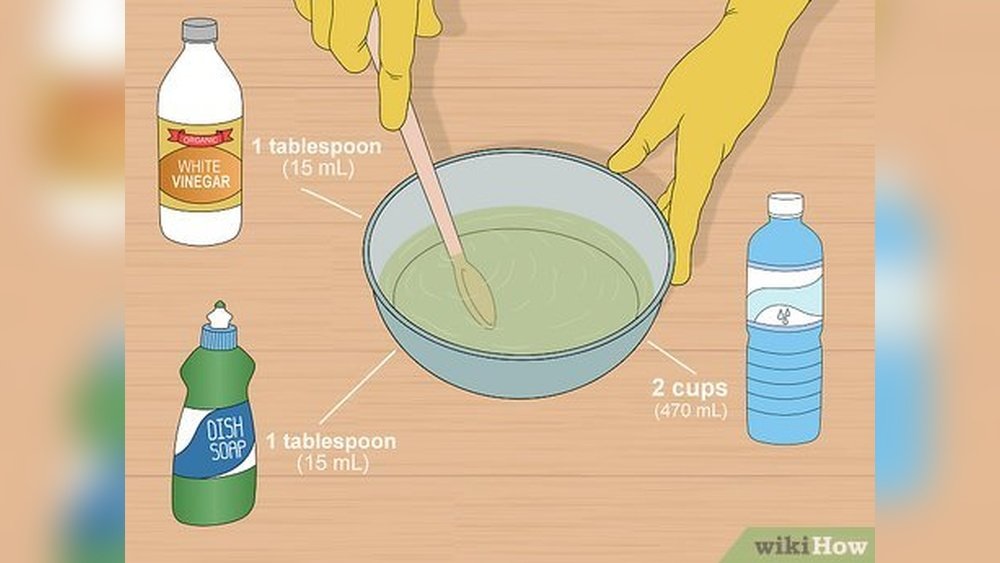
Baking soda and vinegar are common natural cleaners for cat urine. First, blot the urine with paper towels to absorb moisture. Mix equal parts of white vinegar and water. Spray this solution onto the stain and let it sit for 5 minutes. Blot the area again to remove excess moisture. Sprinkle baking soda over the damp spot. Baking soda helps absorb odors and dries the area. Leave it on for several hours or overnight. Vacuum the baking soda thoroughly afterward. These natural methods are gentle and low-cost.
Drying And Deodorizing
Drying and deodorizing are key steps after cleaning cat pee from your car seat. Proper drying stops mold and mildew growth. Removing odors keeps your car fresh and pleasant. Both steps need care and the right methods for best results.
Proper Drying Techniques
Start by blotting the wet area with clean towels. Press firmly to absorb as much liquid as possible. Avoid rubbing, which can spread the stain.
Next, let air flow freely around the seat. Open car windows or doors to increase ventilation. Use a fan or a portable dryer on low heat for faster drying.
Keep the seat dry for several hours. Check regularly to make sure no damp spots remain. Dampness can cause bad smells and damage the seat fabric.
Removing Lingering Odors
Sprinkle baking soda over the dry area. Let it sit for several hours or overnight. Baking soda absorbs smells naturally.
Vacuum the baking soda completely after it has absorbed odors. Repeat if any smell remains.
Use an enzyme cleaner designed for pet urine. These cleaners break down odor-causing molecules. Follow the instructions carefully for best results.
Fresh air also helps remove odors. Leave car doors open on a dry, sunny day to air out the seat. This step refreshes the car interior naturally.

Credit: helloastrologer.com
Preventing Future Incidents
Preventing future incidents of cat urine on car seats saves time and stress. It also keeps your car fresh and clean longer. Taking simple steps can stop cats from returning to the same spot. Keeping the car tidy helps reduce the chances of accidents. Let’s explore easy ways to protect your car seats from cat pee.
Deterring Cats From Seats
Keep cats away from car seats using safe deterrents. Use a spray with scents cats dislike, like citrus or lavender. Place a cover on the seat that cats find uncomfortable. Close car windows and doors when not in use. Avoid leaving food or toys inside that attract cats.
Maintaining Car Cleanliness
Regular cleaning discourages cats from marking your car. Vacuum seats and floors often to remove hair and smells. Wipe spills and dirt immediately to stop odors from building. Use a pet-safe cleaner for fresh, clean surfaces. Store pet items outside the car to avoid attracting cats.
Frequently Asked Questions
How To Remove Cat Pee Smell From Car Seats?
Use an enzymatic cleaner designed for pet urine. Blot the area first, then apply the cleaner. Let it sit to break down odor-causing proteins. Finally, blot and air dry the seat for best results.
What Household Items Clean Cat Urine On Car Seats?
White vinegar and baking soda work well. Blot urine, spray diluted vinegar, then sprinkle baking soda. Let it fizz and dry before vacuuming. This natural method neutralizes odor and lifts stains effectively.
Can Enzyme Cleaners Damage Car Seat Fabric?
No, enzyme cleaners are safe for most fabrics. They specifically target urine proteins without harsh chemicals. Always test a small hidden area first. Follow product instructions carefully to avoid any potential discoloration.
How To Prevent Cat Urine Stains On Car Seats?
Keep cats away from your car with deterrents or covers. Clean any accidents immediately to prevent stains. Regularly use pet-safe seat covers or sprays to discourage marking behavior. Prevention is key to maintaining clean seats.
Conclusion
Cleaning cat pee from car seats takes patience and the right steps. Act quickly to stop stains and smells. Use gentle cleaners that break down urine without harming fabric. Blot, scrub, and air dry well to keep seats fresh. Regular care helps avoid tough stains later.
Your car will feel cleaner and smell better. Keep these tips handy for any accidents ahead. A clean car seat means a happier ride every time.
