
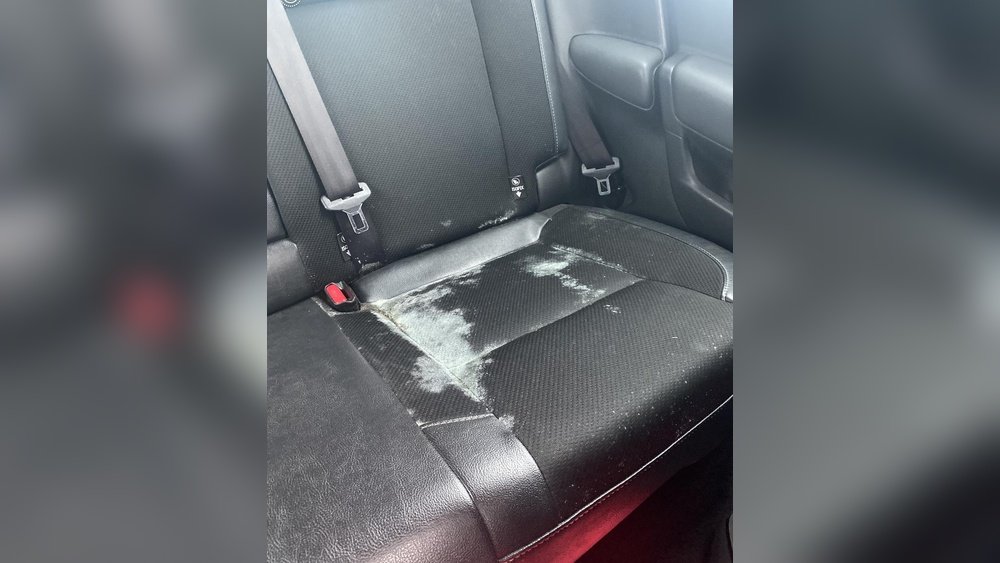
Has mold started to grow on your car seats? It’s not just ugly—it can also be harmful to your health.
You might be wondering how to get rid of it quickly and safely. You’ll learn simple, effective steps to clean car seat mold and keep it from coming back. By the end, your car will feel fresh and look like new again.
Keep reading to discover the easy solutions you need right now.
Identify Mold On Car Seats
Identifying mold on car seats is the first step to a clean and healthy vehicle. Mold can cause bad smells and damage fabric quickly. Spotting mold early helps stop it from spreading and keeps your car safe to use.
Car seats often trap moisture from spills, rain, or humidity. This dampness creates a perfect place for mold to grow. Knowing how to find mold will save time and effort in cleaning.
Signs Of Mold Growth
Mold on car seats usually looks like small spots or patches. These spots can be black, green, white, or gray. They often appear fuzzy or slimy to the touch.
You might notice a strong, musty smell inside the car. This odor is a common sign mold is present. Pay attention to damp or wet areas on the seats, as mold likes moisture.
Sometimes, mold causes discoloration or stains on the fabric. The seat might feel sticky or different in texture where mold grows. Check under seat covers and in seat crevices too.
Common Mold Types In Cars
Several mold types grow on car seats. Black mold is the most common and looks like dark spots. It can cause health problems if left untreated.
Green mold appears as greenish patches and often grows in damp areas. White mold looks powdery or fluffy and can be harder to see.
Other molds may look gray or brown and grow slowly. Each mold type needs cleaning to stop damage and keep your car fresh.

Credit: ultimatemoldcrew.ca
Gather Cleaning Supplies
Before cleaning mold from your car seats, gather all necessary supplies. Having the right tools and solutions saves time and effort. Proper preparation helps protect your car and yourself during cleaning. Here is what you need to collect to get started.
Essential Tools And Materials
Start with a soft brush to gently scrub the mold. Use microfiber cloths to wipe surfaces without damage. A vacuum cleaner with a brush attachment helps remove loose mold and spores. Gloves protect your hands from irritants. A mask guards against inhaling mold spores. A spray bottle is useful for applying cleaning solutions evenly.
Safe Cleaning Solutions
Choose mild cleaners that remove mold without harming your car seats. White vinegar is effective and safe for most fabrics. Mix one part vinegar with one part water in a spray bottle. Baking soda helps deodorize and lift mold stains. Use a gentle dish soap diluted in water for tough spots. Avoid harsh chemicals that could damage seat material or cause fumes.
Prepare Your Car For Cleaning
Preparing your car before cleaning mold is important for safety and effectiveness. Mold releases spores that can irritate your lungs and eyes. Taking simple steps helps protect you and your vehicle during the process.
Ventilate The Interior
Open all doors and windows to let fresh air inside. Good airflow moves mold spores out of the car. It reduces the risk of breathing in harmful particles. Try to do this in a shaded area to avoid heat buildup.
Protect Sensitive Areas
Cover electronic parts like the dashboard and stereo with plastic wrap. Mold cleaning solutions can damage these components. Also, remove any loose items to prevent them from getting wet or dirty. Use old towels to shield areas that may absorb moisture.

Credit: www.westchesterdetailing.com
Remove Loose Mold And Debris
Removing loose mold and debris is the first step in cleaning car seat mold. Dirt and mold spores sit on the seat surface. They can spread if not handled carefully. Clearing away this loose material helps stop the mold from growing deeper into the fabric.
Use gentle but effective methods to remove debris. This process prepares the seat for deeper cleaning. It also reduces health risks caused by mold spores in the air.
Vacuuming Techniques
Use a vacuum with a HEPA filter. It traps tiny mold spores and dust. Vacuum the seat slowly to catch all loose particles. Move the nozzle in different directions. Reach all corners and seams carefully. Change the vacuum bag or empty the container after use to avoid mold buildup.
Avoiding Mold Spread
Wear a mask to protect your lungs from spores. Do not brush or shake the seat. This can send mold spores into the air. Keep windows open to ventilate the car. Seal the vacuum cleaner bag tightly after cleaning. Dispose of it outdoors to prevent spores from spreading inside your home.
Clean Mold From Fabric Seats
Mold on fabric car seats can cause stains and bad smells. Cleaning it quickly stops damage and keeps seats fresh. Use safe methods to protect the fabric while removing mold. Follow steps that are easy and effective for your car.
Homemade Cleaning Mixtures
Mix one cup of water with half a cup of white vinegar. Vinegar kills mold and is safe for fabrics. Another option is to mix a teaspoon of dish soap with two cups of warm water. Soap helps lift mold from the fabric. Use these mixtures in a spray bottle for easy use. Test the mix on a small seat area first. This prevents damage or color fading.
Scrubbing And Wiping Tips
Spray the cleaning mixture on the moldy spots. Let it sit for five to ten minutes to work well. Use a soft brush or cloth to scrub gently. Avoid hard scrubbing to protect the fabric. Wipe the area with a clean, damp cloth to remove mold and cleaner. Dry the seat quickly with a fan or open windows. This stops mold from returning and keeps the seat fresh.
Credit: www.reddit.com
Clean Mold From Leather Seats
Mold on leather car seats can damage the material and cause bad smells. Cleaning mold safely keeps your seats looking fresh and lasting longer. Leather needs gentle care to avoid cracks or discoloration. Use the right products and methods to remove mold without harm.
Leather-safe Cleaners
Choose cleaners made for leather surfaces. Avoid harsh chemicals like bleach or ammonia. Mix a small amount of mild soap with water. Dip a soft cloth in the solution and wring it out well. Gently wipe the moldy areas. Do not soak the leather; too much water can cause damage. Repeat the process if needed. Always test the cleaner on a hidden spot first. This prevents unwanted marks or color changes.
Conditioning After Cleaning
Leather dries out after cleaning mold. Apply a leather conditioner to keep it soft and strong. Use a small amount on a clean cloth. Rub it into the leather in a circular motion. Let the conditioner absorb fully. This helps prevent cracks and keeps the material flexible. Conditioning also restores the natural shine of your seats. Do this regularly for the best results.
Dry Seats Thoroughly
Drying car seats thoroughly is key to stopping mold growth. Moisture left in seats creates a perfect home for mold spores. Removing all dampness helps keep your car fresh and safe. Act fast to dry the seats after cleaning or exposure to water. Proper drying ensures mold does not return quickly.
Using Fans And Sunlight
Fans speed up drying by moving air over the seats. Place a fan near the wet area to blow air directly. Sunlight also helps remove moisture and kills some mold spores. Park your car in a sunny spot with windows open. Let natural light and fresh air dry the seats fully.
Preventing Moisture Retention
Keep car seats dry by avoiding spills and leaks. Use waterproof seat covers if possible. After cleaning, wipe off excess water immediately. Check for any leaks from windows or doors that let rain in. Regularly air out your car to stop moisture build-up.
Prevent Future Mold Growth
Preventing mold on car seats is easier than removing it later. Mold grows fast in damp, warm places. Keeping your car clean and dry stops mold from coming back. Small daily habits make a big difference for your car’s health.
Regular Cleaning Routine
Clean your car seats often to stop mold spores from settling. Use a vacuum to remove dirt and dust every week. Wipe seats with a damp cloth and mild cleaner. Dry seats fully after cleaning to avoid moisture build-up.
Control Moisture Levels
Keep the inside of your car dry at all times. Use a dehumidifier or moisture absorber if needed. Avoid leaving wet clothes or towels in the car. Park in sunny spots to help dry out your car’s interior. Proper ventilation reduces dampness and stops mold growth.
When To Seek Professional Help
Sometimes, cleaning car seat mold is too hard to handle alone. Mold can hide deep inside the fabric or spread fast. In these cases, getting help from a professional is the best choice. Experts have the tools and skills to remove mold safely and fully. Knowing when to call a professional can save your car seats and keep your health safe.
Signs Of Severe Mold Infestation
Strong, musty smells that won’t go away show serious mold. Dark spots or fuzzy patches on seats often mean deep mold growth. If mold returns quickly after cleaning, it is likely severe. You may notice a sticky or damp feeling on the fabric. Mold can cause allergies, so sneezing or coughing in the car might be a sign. These signs mean the mold problem is big and needs expert care.
Professional Cleaning Options
Professionals use special cleaners that kill mold completely. They also have machines that remove mold deep inside the seat. Some services include steam cleaning and disinfecting to stop mold from growing again. Experts can dry seats fast to prevent new mold. They know how to protect your car’s interior without damage. Choosing professional cleaning helps keep your car fresh and safe.
Frequently Asked Questions
How Do I Remove Mold From Car Seats Naturally?
Use a mixture of white vinegar and water. Spray it on the moldy area, scrub gently, and let it dry. Vinegar kills mold and is safe for most fabrics.
What Household Items Clean Car Seat Mold Effectively?
White vinegar, baking soda, and dish soap work well. Vinegar kills mold, baking soda deodorizes, and soap cleans dirt and grime.
How Can I Prevent Mold Growth On Car Seats?
Keep your car dry and well-ventilated. Use moisture absorbers and avoid leaving wet items inside. Regularly clean and inspect seats to catch mold early.
Is It Safe To Use Bleach On Car Seat Mold?
Bleach can damage fabric and cause discoloration. Use it cautiously on non-fabric surfaces only. Opt for milder cleaners like vinegar for fabric car seats.
Conclusion
Cleaning car seat mold keeps your car fresh and safe. Act quickly to stop mold growth. Use simple tools and cleaners for best results. Dry seats well after cleaning to prevent mold return. Regular checks help catch mold early. A clean car seat means a healthier ride.
Keep your car mold-free with these easy steps.
