
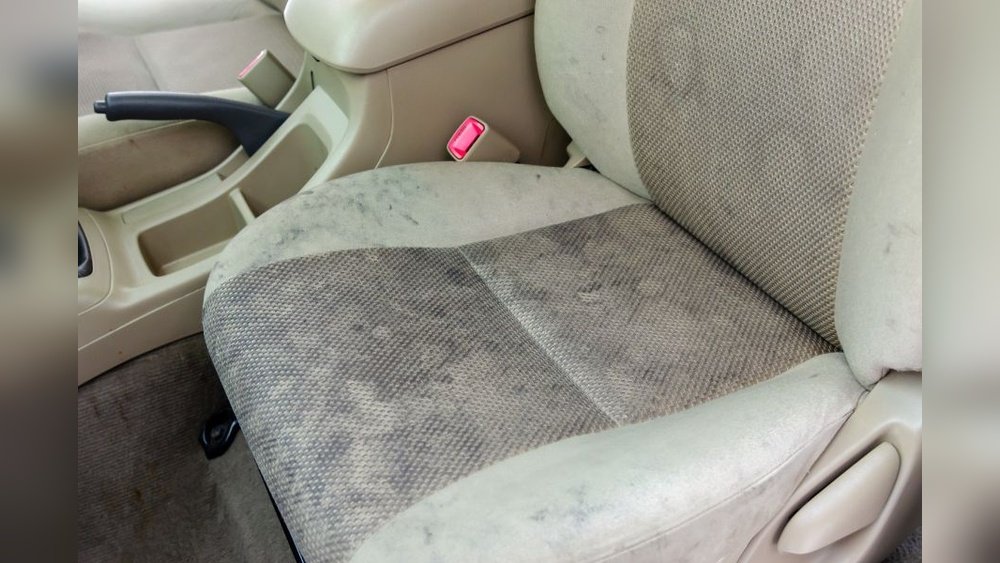
Have you ever noticed an oily stain ruining your car seat and wondered how to get rid of it quickly? Oil spots can be stubborn and frustrating, making your car look dirty and worn out.
But don’t worry—you don’t need expensive cleaners or professional help to fix this. You’ll discover simple, effective ways to clean car seat oil stains and restore your seat’s fresh look. Keep reading, and you’ll learn easy steps that save your time and keep your car looking great.

Credit: www.youtube.com
Identify Oil Stains
Identifying oil stains on car seats is the first step in cleaning them effectively. Spotting these stains early helps prevent permanent damage. Knowing the type of car seat material and the source of the oil stain guides the cleaning process.
Types Of Car Seat Materials
Car seats come in different materials like leather, fabric, and vinyl. Each material reacts differently to oil stains. Leather seats absorb oil quickly, which can cause dark spots. Fabric seats may show greasy marks that attract dirt. Vinyl seats are easier to wipe but can still stain. Knowing your seat material helps choose the right cleaning method.
Common Sources Of Oil Stains
Oil stains come from many places. Food like pizza or burgers can leave oily spots. Engine oil or grease from hands can transfer to seats. Cosmetics such as lotions or oils also cause stains. Recognizing the source helps in picking the best cleaner. Early detection stops stains from spreading and getting worse.
Gather Cleaning Supplies
Gathering the right cleaning supplies is the first step to remove oil stains from car seats. Having the proper tools and solutions makes cleaning easier and more effective. Prepare everything before you start to avoid interruptions and achieve the best results.
Essential Cleaning Tools
Start with a soft brush to loosen dirt without damaging the fabric. Use clean microfiber cloths to blot and wipe the stain gently. A spray bottle helps apply cleaning solutions evenly. Gloves protect your hands from chemicals. A vacuum cleaner can remove loose debris before cleaning.
Recommended Cleaning Solutions
Choose a mild detergent mixed with warm water for most fabric seats. For tougher oil stains, use a dedicated upholstery cleaner. Avoid harsh chemicals that can harm seat material or color. Test any cleaner on a small hidden area first. White vinegar diluted with water works well on natural stains. Baking soda helps absorb fresh oil spots before cleaning.
Pre-treat The Stain
Pre-treating the stain is the first key step to clean car seat oil. It helps stop the oil from setting into the fabric. Acting quickly gives better results. This step prepares the stain for deep cleaning later. A simple, careful approach can save time and effort.
Blotting Techniques
Blotting helps remove oil without spreading it. Use a clean, dry cloth or paper towel. Press gently on the stain. Avoid rubbing as it pushes oil deeper. Change the cloth as it absorbs oil. Keep blotting until no more oil lifts.
Using Absorbent Powders
Absorbent powders soak up extra oil from the seat. Sprinkle baking soda, cornstarch, or baby powder on the stain. Let it sit for 15 to 30 minutes. The powder draws the oil out of fabric fibers. After waiting, vacuum or brush off the powder carefully. This step reduces oil before washing.
Clean Fabric Seats
Fabric car seats can absorb oil stains quickly. Cleaning them fast helps avoid permanent damage. Use gentle, safe methods to protect fabric and remove oil. Effective cleaning keeps seats fresh and extends their life.
Homemade Cleaning Mixtures
Mix one cup of warm water with a few drops of dish soap. Add two tablespoons of white vinegar for extra cleaning power. Stir the mixture well before use. This solution breaks down oil without harming fabric.
Another option is baking soda paste. Mix baking soda with a little water until thick. This paste lifts oil and neutralizes odors from fabric seats.
Proper Scrubbing Methods
Use a soft brush or clean cloth to scrub gently. Avoid harsh scrubbing that can damage fabric fibers. Dip the brush or cloth in the cleaning mixture. Work in small circles over the stained area.
Blot the area with a dry towel to absorb excess moisture. Repeat scrubbing and blotting until the oil stain fades. Let the seat air dry completely before using the car again.
Clean Leather Seats
Cleaning leather car seats requires care and the right products. Oil stains can damage leather if not treated properly. Use gentle methods to protect the seat’s surface. This keeps the leather soft and looking new.
Safe Leather Cleaners
Choose a cleaner made for leather only. Avoid harsh chemicals that can dry or crack the leather. Test the cleaner on a small hidden area first. Use a soft cloth to apply the cleaner gently. Rub the stained area in small circles. Wipe away the dirt with a clean, damp cloth. Repeat if oil remains, but do not soak the leather.
Conditioning After Cleaning
Leather can lose moisture after cleaning. Apply a leather conditioner to restore softness. Use a soft cloth and spread the conditioner evenly. Let it absorb for a few minutes. Buff the seat lightly to remove excess conditioner. Conditioning helps prevent cracks and keeps the leather smooth. It also protects against future stains and wear.
Dry And Protect Seats
After cleaning oil from your car seats, drying and protecting them is key. Wet seats can attract dirt and cause damage. Proper drying stops mold and bad smells. Protection keeps seats looking new and safe from future spills.
Effective Drying Tips
Use a clean cloth to blot wet areas gently. Avoid rubbing, which can spread oil or dirt. Open car doors or windows to let air flow. A fan helps speed up drying. Avoid direct sunlight, which can fade seat colors. Make sure seats are fully dry before use.
Preventing Future Stains
Apply a fabric or leather protector suitable for your seat type. These products create a barrier against oil and liquids. Clean spills quickly to stop stains from setting. Avoid eating or using oily products inside the car. Use seat covers for extra protection if needed.
When To Seek Professional Help
Knowing when to get professional help can save your car seats from permanent damage. Oil stains can be tricky and tough to remove with home methods. Professionals have the right tools and cleaners for deep cleaning. They prevent stains from spreading or setting in further. Choosing expert help ensures your car seats look fresh again.
Signs Of Deep Stains
Deep stains often feel sticky or greasy to touch. They may have a dark, uneven color. The smell of oil might linger even after cleaning attempts. Stains that soak into the fabric or leather need expert care. If stains spread under the surface, home cleaning might not work.
Choosing A Professional Service
Pick a service with good reviews and experience in car interiors. Ask if they use safe, non-toxic cleaning products. Check if they offer stain protection after cleaning. A reliable service explains their process clearly and answers your questions. Trust experts who guarantee results or offer follow-up care.

Credit: www.reddit.com
Credit: www.reddit.com
Frequently Asked Questions
How Do I Remove Oil Stains From Car Seats?
Blot the oil stain immediately with a clean cloth. Apply a mild detergent solution gently. Use a soft brush to scrub the area. Rinse with clean water and blot dry. Repeat if necessary to fully remove the oil.
What Household Items Clean Car Seat Oil Effectively?
Baking soda, dish soap, and vinegar work well for oil stains. Baking soda absorbs oil, while dish soap breaks down grease. Vinegar helps remove residue and odors. Use these items carefully to avoid damaging the seat fabric.
Can I Use Commercial Cleaners On Car Seat Oil Stains?
Yes, commercial upholstery cleaners are effective for oil stains. Choose products suitable for your seat material. Follow the instructions on the label for safe use. Test the cleaner on a small area first to avoid damage.
How Long Should I Wait Before Cleaning Oil On Car Seats?
Clean oil stains as soon as possible for best results. Fresh stains are easier to remove than dried ones. Waiting too long allows the oil to set and penetrate deeper.
Conclusion
Cleaning car seat oil does not have to be hard or time-consuming. Use gentle cleaners and a soft cloth to avoid damage. Act fast to stop the oil from soaking in deeply. Repeat cleaning steps if needed for best results.
Keep your car seats fresh and free from stains. A little care can keep your car looking neat. Simple methods work well and save money too. Your car seats will look better and last longer with regular cleaning. Easy and effective!
