
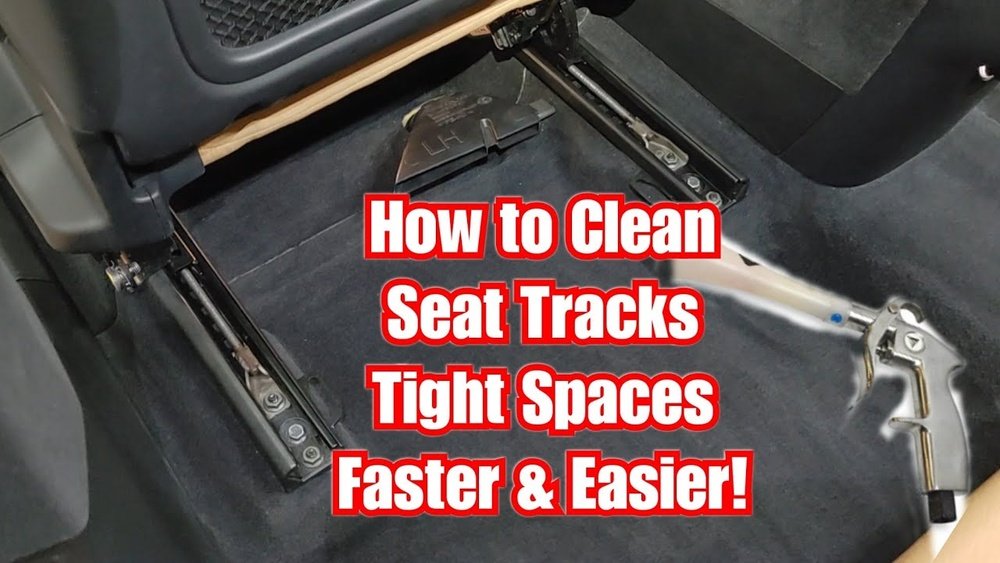
Have you ever noticed your car seat getting stuck or moving unevenly? The problem might be dirty or clogged seat tracks.
Cleaning your car seat tracks isn’t just about keeping things neat—it can make your ride smoother and safer. In this guide, you’ll discover simple, effective steps to clean those tracks easily, saving you time and frustration. Keep reading, and you’ll learn how a little maintenance can make a big difference in your driving comfort.

Credit: www.reddit.com
Tools Needed
Cleaning car seat tracks requires the right tools. These tools help remove dirt and debris easily. Having the proper supplies makes the job faster and more effective. Below are the tools you need for a thorough cleaning.
Basic Cleaning Supplies
Start with basic supplies you likely have at home. A vacuum cleaner helps remove loose dirt and dust. Use a soft brush to loosen stuck debris in tight spaces. Microfiber cloths work well to wipe down the tracks after cleaning. Mild soap and water can clean the surface without damage. These basic items prepare the seat tracks for deeper cleaning.
Specialized Tools
Specialized tools reach places basic supplies cannot. A small detailing brush helps clean narrow gaps. Compressed air cans blow out dirt from hard-to-reach areas. A thin flathead screwdriver or pick tool can remove stubborn grime. Lubricant spray keeps the tracks moving smoothly after cleaning. These tools ensure a complete and lasting clean.

Credit: www.youtube.com
Prepare The Car Seat
Cleaning car seat tracks requires good preparation. This step helps reach all dirt and debris easily. Proper preparation makes the cleaning process faster and more effective.
Start by clearing the area around the seat. Remove any items that block access to the tracks. A clean space lets you work comfortably and safely.
Move The Seat To Access Tracks
Slide the car seat forward and backward. This action exposes different parts of the seat tracks. Check both sides and underneath the seat for dirt buildup. Moving the seat helps spot hidden debris.
Try tilting the seat if possible. This gives better access to hard-to-reach areas. Take your time to examine the entire track system.
Remove Seat If Necessary
Sometimes, removing the seat is the best option. This allows full access to the tracks and surrounding parts. Consult your car manual to find out how to remove the seat safely.
Disconnect any electrical connections carefully. Use proper tools to unscrew bolts holding the seat. Keep all screws and parts in a safe place for reassembly.
Remove Loose Debris
Removing loose debris from car seat tracks is the first step in cleaning them properly. Dirt, crumbs, and small particles can get stuck in the tracks. These bits can block the seat from moving smoothly. Clearing out this debris makes the cleaning easier and more effective.
Vacuuming
Use a vacuum with a narrow nozzle attachment. This tool helps reach tight spaces inside the seat tracks. Slowly move the nozzle along the tracks to suck up loose dirt. Repeat this process a few times for the best results. Vacuuming clears away most of the dust and crumbs quickly.
Brushing
Choose a small, stiff brush for brushing the tracks. A toothbrush works well for this task. Brush gently to loosen stuck debris and dust. Focus on corners and edges where dirt hides. After brushing, vacuum again to remove the loosened particles.

Credit: www.reddit.com
Clean The Tracks
Cleaning the car seat tracks is important for smooth seat movement. Dirt and debris can get stuck in the tracks. This causes the seat to move unevenly or get stuck. Proper cleaning keeps the tracks working well and extends their life.
Apply Cleaning Solution
Start by choosing a gentle cleaning solution. Mix warm water with a few drops of dish soap. Dip a soft cloth or brush in the solution. Apply it carefully to the tracks. Make sure to cover all the small spaces and corners. Avoid soaking the tracks too much to prevent rust.
Scrub And Wipe
Use a small brush or old toothbrush to scrub the tracks. Focus on areas with dirt build-up. Scrub gently but firmly to remove grime. After scrubbing, wipe the tracks with a clean, dry cloth. Remove all moisture to keep the tracks dry. This helps prevent rust and keeps the seat moving smoothly.
Lubricate The Tracks
Keeping car seat tracks well lubricated helps seats move smoothly. It stops squeaks and prevents rust buildup. Proper lubrication extends the life of your car seats and makes adjustments easier.
Choose The Right Lubricant
Pick a lubricant made for metal parts. Silicone spray works well without attracting dirt. Avoid thick grease; it can clog the tracks. Dry lubricants are good for clean, smooth motion. Check product labels to ensure safe use on car seats.
Apply Properly
Spray or apply lubricant sparingly along the track rails. Move the seat back and forth to spread it evenly. Wipe off any extra to stop dust from sticking. Repeat this process every few months for best results.
Test And Adjust
After cleaning the car seat tracks, testing and adjusting is key. This step ensures smooth movement and proper seat positioning. It helps spot any issues missed during cleaning. Follow simple actions to check and fine-tune the seat tracks.
Slide Seat Back And Forth
Gently move the seat back and forth along the tracks. Feel for any sticking or rough spots. The seat should glide smoothly without catching. Sliding the seat several times helps settle the tracks. It also reveals if dirt or debris still blocks the path.
Make Final Adjustments
Listen for unusual sounds during seat movement. Tighten loose bolts or screws around the tracks. Apply a small amount of lubricant if needed. Avoid over-lubricating to prevent attracting dirt again. Make sure the seat locks firmly in place. Proper locking keeps you safe while driving.
Maintenance Tips
Keeping car seat tracks clean is key to smooth seat movement and long-lasting parts. Simple maintenance helps avoid dirt build-up and damage. Follow easy tips to keep the tracks in good shape.
Regular Cleaning Schedule
Set a cleaning routine for the seat tracks. Wipe the tracks every two weeks with a dry cloth. Use a small brush to remove dust from hard-to-reach areas. Clean tracks prevent dirt from turning into grime. Regular care saves time and effort later.
Preventing Future Build-up
Protect seat tracks from dirt and debris. Avoid eating or drinking near the seats to reduce crumbs. Use seat covers to block dirt from falling onto tracks. Check and clean tracks after off-road trips or bad weather. Keeping dirt away stops build-up and keeps seats moving easily.
Frequently Asked Questions
How Often Should I Clean Car Seat Tracks?
Clean car seat tracks every 3 to 6 months. Frequent cleaning prevents dirt buildup and ensures smooth seat movement. Regular maintenance extends the life of the tracks and keeps your car interior tidy.
What Tools Are Best For Cleaning Car Seat Tracks?
Use a vacuum, soft brush, microfiber cloth, and compressed air. These tools remove dust, debris, and grime effectively without damaging the tracks. Avoid harsh tools to prevent scratches.
Can I Use Household Cleaners On Car Seat Tracks?
Mild household cleaners like diluted dish soap are safe. Avoid harsh chemicals that can corrode metal or damage plastic parts. Always test a small area first to ensure compatibility.
How Do I Remove Stubborn Dirt From Car Seat Tracks?
Apply a small amount of lubricant or cleaner, then scrub gently with a brush. Use compressed air to blow out loose particles. Repeat as needed for thorough cleaning.
Conclusion
Cleaning car seat tracks keeps your seats moving smoothly. Dirt and debris can block the tracks. Regular cleaning helps avoid damage and wear. Use simple tools and mild cleaners for best results. Take your time to reach all tight spots.
Clean tracks improve comfort and safety while driving. A little effort now saves costly repairs later. Keep your car interior fresh and functional. Easy steps lead to better car care every day.
