
Your car seats face daily wear, spills, and stains that can quickly turn your ride from fresh to messy. If you want your car to look and feel clean without spending a fortune, learning how to clean car seat upholstery is key.
Imagine sliding into a spotless seat every time you get in—no stubborn stains, no lingering odors. In this guide, you’ll discover simple, effective steps to restore your car seats’ appearance and keep them looking like new. Ready to transform your car’s interior?
Let’s dive in.
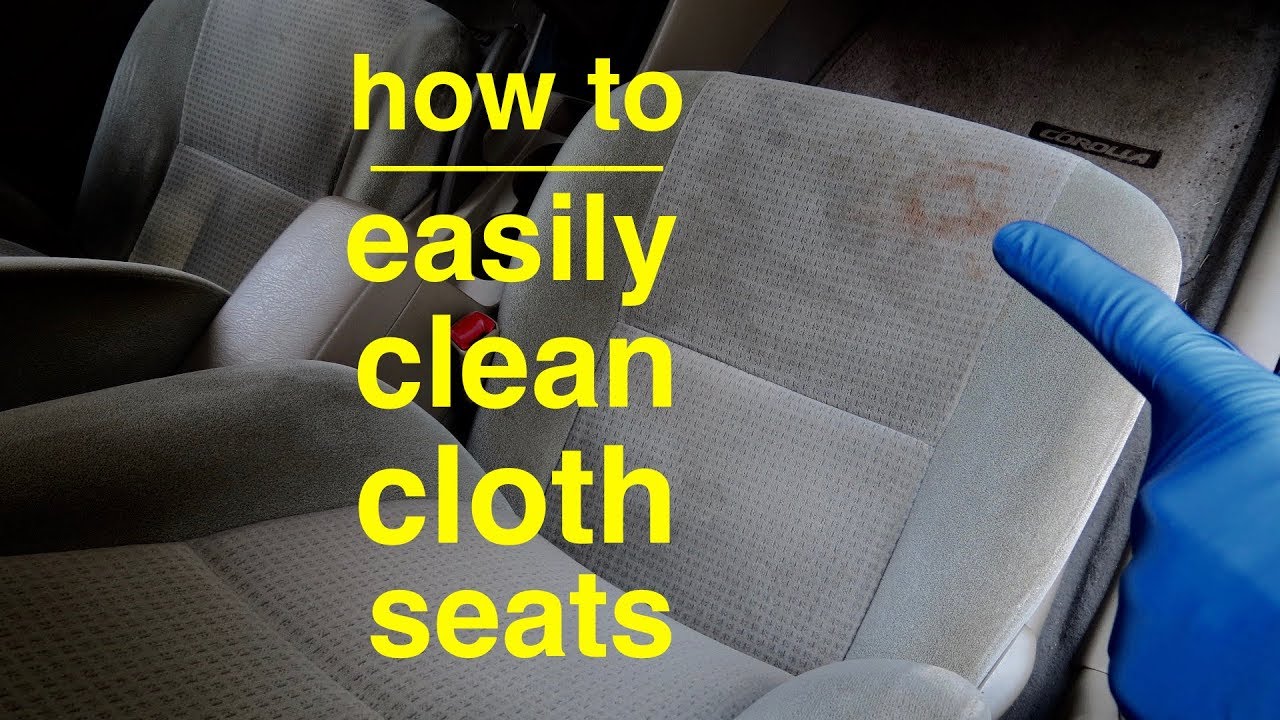
Credit: www.youtube.com
Choose The Right Cleaning Supplies
Choosing the right cleaning supplies is key to a clean car seat. The right tools protect your upholstery and make cleaning easier. Some products work better on certain fabrics. Having the right brushes and cloths helps remove dirt without damage. A good vacuum cleaner makes a big difference in the first step of cleaning.
Select Upholstery Cleaner
Pick a cleaner made for car upholstery. Check the label to match your seat fabric. Some cleaners work best on cloth, others on leather. Avoid harsh chemicals that might fade or damage fabric. Test a small hidden area first to see how it reacts. Use a gentle cleaner to keep your seats safe.
Gather Brushes And Cloths
Use soft-bristle brushes to lift dirt from fabric seats. For leather, use a soft cloth instead of a brush. Microfiber cloths are great for wiping and drying. Avoid rough materials that can scratch or tear. Have different cloths for cleaning and drying to avoid spreading dirt.
Prepare A Vacuum Cleaner
Choose a vacuum with strong suction and a crevice tool. This helps reach tight spaces between seats. Vacuum before applying any cleaner to remove loose dirt. Empty the vacuum bag or bin often to keep suction strong. A clean vacuum makes the whole process faster and more effective.
Prepare The Car Seats
Preparing car seats before cleaning is key to getting great results. It helps remove dirt and avoid damage during cleaning. Taking time here makes the whole process easier and safer for your upholstery.
Remove Loose Dirt And Debris
Start by removing loose dirt and debris from the seats. Use a vacuum cleaner with a brush attachment. This picks up dust, crumbs, and small particles. Pay close attention to seams and crevices. A soft brush can also help loosen stuck dirt.
Test Cleaner On A Small Area
Always test your chosen cleaner on a hidden spot first. This protects your upholstery from stains or color changes. Apply a small amount and wait a few minutes. Check if the fabric reacts or fades. If safe, you can proceed with cleaning the whole seat.
Apply Cleaning Solution
Applying the right cleaning solution is a key step in cleaning car seat upholstery. It helps remove dirt and stains without damaging the fabric. Using the correct method keeps the seats fresh and extends their life.
Use Spray Or Foam Cleaner
Choose a spray or foam cleaner made for car upholstery. Spray cleaners are easy to apply and cover large areas quickly. Foam cleaners work well on tough stains and provide deep cleaning.
Hold the spray bottle about 6 to 8 inches from the seat. Apply a light, even layer of cleaner. Avoid soaking the fabric. Let the cleaner sit for a few minutes to break down dirt.
Avoid Overwetting
Too much liquid can damage the car seat and cause mold. Use only enough cleaner to dampen the fabric. Overwetting can leave water stains or cause the seat padding to smell.
After applying the cleaner, use a soft brush or cloth to gently scrub the seat. This helps lift dirt without soaking the material. Always work in small sections for best results.
Scrub The Upholstery
Scrubbing car seat upholstery is a key step in deep cleaning. It removes dirt trapped in the fabric. Careful scrubbing helps keep the material fresh and bright. Use the right tools and techniques to avoid damage.
Use Soft-bristled Brush
Choose a soft-bristled brush for gentle cleaning. Hard bristles can harm the fabric or leather. Light scrubbing loosens dust and dirt without roughness. Move the brush in small circles to clean evenly. This method works well on all upholstery types.
Focus On Stains And Spots
Target stains and spots with extra care. Apply cleaner directly to these areas first. Use the brush to scrub gently in circles. Do not scrub too hard to avoid fabric wear. Repeat as needed until the stain fades away.
Wipe And Dry The Seats
Wiping and drying the car seat upholstery is a key step in cleaning. It helps remove dirt and moisture that can damage the fabric. Proper drying stops mold and bad smells from forming. This part takes care and patience to do well.
Use Clean, Damp Cloth
Start with a cloth that is clean and slightly damp. Avoid soaking the cloth to prevent wetting the seat too much. Gently wipe the seat surface to pick up dirt and stains. Change the cloth often to keep it clean. Use soft, circular motions for best results.
Allow Seats To Air Dry
After wiping, let the seats dry naturally in fresh air. Keep the car doors open if possible. Avoid direct sunlight as it may fade the fabric. Do not use a hairdryer or heater; air drying is safer. Wait until the seats feel completely dry before using the car again.
Treat Tough Stains
Tough stains on car seat upholstery need special care. Quick action helps stop stains from setting deep. Use the right products and steps for the best results.
Apply Stain Remover
Choose a stain remover made for fabric seats. Test it on a hidden spot first. Spray or dab the remover on the stain. Let it sit for a few minutes. This helps break down the stain. Gently blot the stain with a clean cloth. Avoid rubbing hard to stop fabric damage.
Repeat Cleaning If Needed
Stains may not disappear after one try. Wait for the area to dry. Apply the stain remover again if needed. Repeat blotting with a clean cloth. Patience often removes deep stains fully. Avoid soaking the seat with too much liquid.
Maintain Clean Upholstery
Maintaining clean car seat upholstery keeps your vehicle fresh and pleasant. Dirt and dust can build up fast. This makes the seats look old and worn out. Regular care helps protect the fabric and keep it looking new. Small habits make a big difference over time.
Regular Vacuuming
Vacuum your car seats often to remove dust and crumbs. Use a vacuum with a brush attachment to clean fabric gently. Focus on seams and corners where dirt hides. This prevents dirt from settling deep into the upholstery. Clean seats mean less chance for stains and odors.
Use Seat Covers
Seat covers protect your upholstery from spills and wear. Choose covers that fit well and are easy to remove. Wash them regularly to keep them fresh. Covers add a layer of defense against dirt and damage. They help keep the original seats clean for longer.

Credit: stonercarcare.com
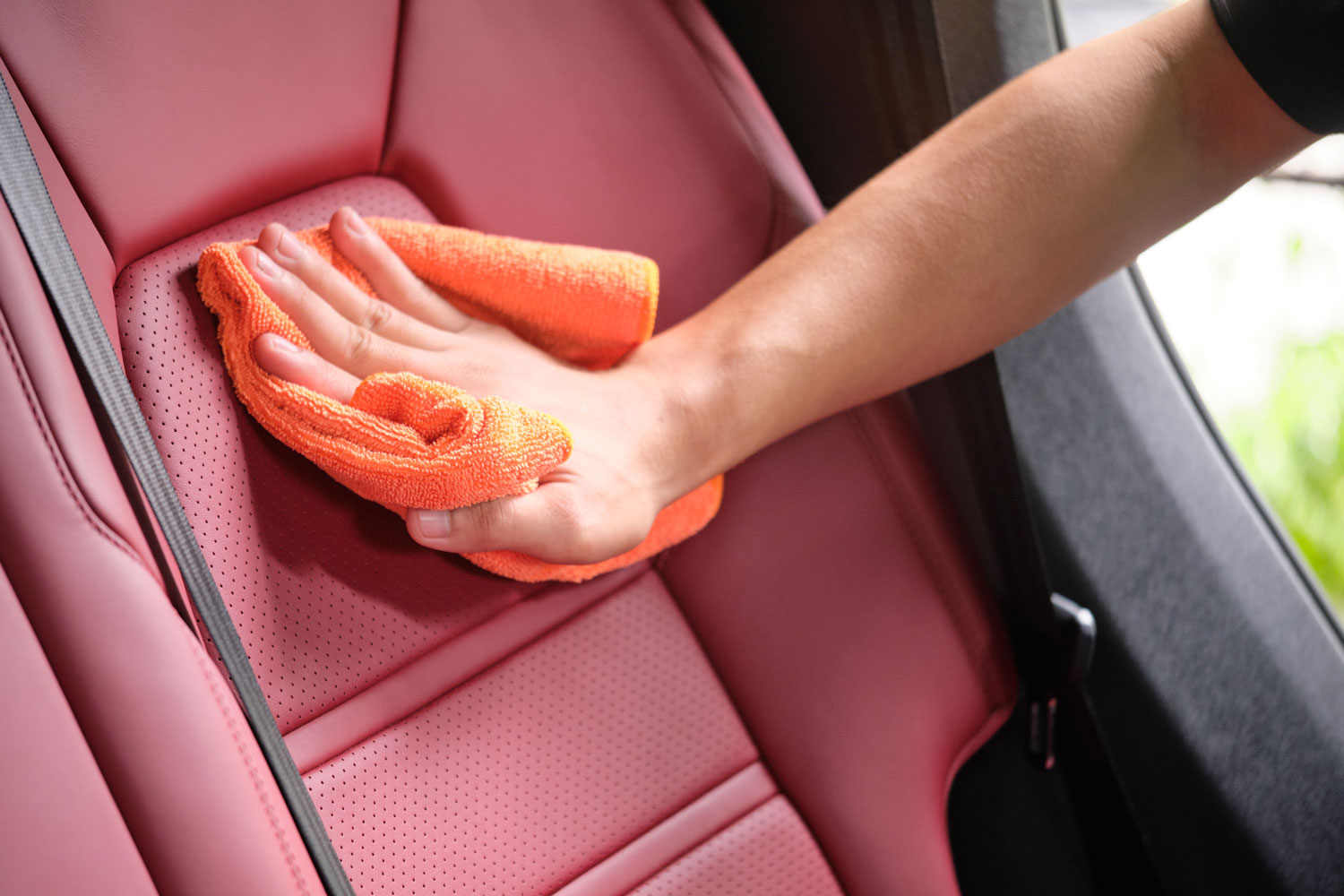
Credit: www.capitalone.com
Frequently Asked Questions
How Often Should I Clean Car Seat Upholstery?
Cleaning car seat upholstery every 3-6 months keeps it fresh and prevents stains. Frequent cleaning helps maintain fabric quality and extends seat life. For heavy use or spills, clean more often to avoid permanent damage.
What Is The Best Cleaner For Car Seat Upholstery?
Use a fabric or upholstery cleaner designed for cars. Avoid harsh chemicals that may damage fabric or leather. Homemade solutions like mild soap and water can also work for regular cleaning.
How Do I Remove Stains From Car Seat Upholstery?
Blot spills immediately to prevent stains. Apply a suitable cleaner and gently scrub with a soft brush. Rinse with a damp cloth and air dry. Always test cleaners on a small hidden area first.
Can I Clean Car Seat Upholstery Myself?
Yes, DIY cleaning is effective using basic supplies. Vacuum first, then use upholstery cleaner and soft brushes. Follow with a clean water rinse and air dry. Professional cleaning is an option for deep stains.
Conclusion
Cleaning car seat upholstery keeps your vehicle fresh and inviting. Regular care stops dirt and stains from settling deep. Use gentle cleaners and soft brushes for best results. Always test a small area first to avoid damage. Dry seats fully to prevent mold and bad smells.
Simple steps can save money on expensive repairs later. A clean car seat makes every ride more comfortable and pleasant. Take time to care for your upholstery—it shows.
