
Dealing with car seat urine can feel overwhelming, but you don’t have to live with the stain or smell. Whether it’s from a child, pet, or accident, cleaning it quickly and effectively is key to keeping your car fresh and comfortable.
In this guide, you’ll learn simple, proven steps to remove urine stains and odors from your car seats—without harsh chemicals or expensive cleaners. Keep reading, and you’ll soon have your car smelling clean and looking great again.

Credit: www.pandahub.com
Identify The Urine Spot
Finding the exact spot of urine on your car seat is the first step in cleaning. It helps to treat the area properly and avoid bad smells. Sometimes, urine stains are easy to see. Other times, they hide under cushions or fabrics.
Careful inspection makes sure you do not miss any spots. This saves time and stops the smell from spreading inside your car. Use simple tricks to find all stains and clean well.
Locate The Affected Area
Look closely at the car seat surface. Urine stains may appear as wet or discolored spots. Check for dampness by touching the seat gently. The smell can also guide you to the right place.
Check seat seams and crevices. These areas often hold urine that seeps inside. Use a flashlight to see better in dark corners. Spotting all affected areas helps target cleaning efforts.
Check For Hidden Stains
Sometimes urine soaks deep into the seat fabric or foam. Hidden stains may not be visible but cause odor. Press the seat lightly to find wet spots inside.
Use a black light in a dark room. Urine stains glow under this light, revealing hidden marks. This method works well for older stains. Removing all hidden stains stops bad smells from coming back.
Gather Cleaning Supplies
Cleaning urine from car seats needs the right supplies. Preparing these items saves time and helps clean better. Gather everything before starting the job. This step makes the process smooth and effective.
Essential Cleaning Products
Choose a cleaner that removes stains and odors well. Enzyme-based cleaners work best for urine. They break down the smell and stains completely.
A mild detergent can help if you do not have enzyme cleaner. Avoid harsh chemicals that can damage the seat fabric or leather.
White vinegar is a natural option to neutralize odors. Mix it with water for a gentle cleaning solution. Baking soda helps absorb moisture and smells after cleaning.
Tools And Equipment Needed
Gather soft cloths or microfiber towels for wiping. These materials absorb liquid without spreading stains.
A spray bottle helps apply cleaning solutions evenly. Use a soft brush to gently scrub stains without damaging fabric.
Paper towels or old rags are useful for blotting excess urine. A wet/dry vacuum can remove deep moisture quickly.
Gloves protect your hands from chemicals and germs. A small bucket holds your cleaning mix for easy access.
Blot And Remove Excess Urine
Removing excess urine from car seats quickly is very important. Fresh urine can soak deep into the fabric and padding. Acting fast stops the smell and stain from settling in. The best first step is to blot and remove as much urine as possible.
This step helps prepare the seat for cleaning and reduces damage. Use the right materials and techniques to avoid spreading the stain. Careful blotting soaks up urine without pushing it further inside.
Use Absorbent Materials
Grab clean, absorbent cloths or paper towels. Press them gently on the wet area. Do not rub. Let the material soak up the urine slowly. Change to a dry cloth when one gets wet. Repeat until the cloth no longer absorbs moisture.
Absorbent materials pull liquid out from the fabric and padding. Microfiber towels work well because they trap moisture effectively. Avoid rough fabrics that might damage the seat surface.
Avoid Spreading The Stain
Press straight down on the urine spot without moving the cloth around. Rubbing or dragging spreads the stain wider. Use light, steady pressure to lift the urine.
Focus on blotting the center of the stain first. Move outward only after the center is mostly dry. This method stops the urine from reaching clean areas of the seat.

Credit: kdfoundation.org
Apply Cleaning Solution
Applying the cleaning solution is a key step in removing urine from car seats. It helps break down stains and neutralizes odors. Doing it right ensures deep cleaning without damaging the seat material. Follow simple steps for the best results.
Choose The Right Cleaner
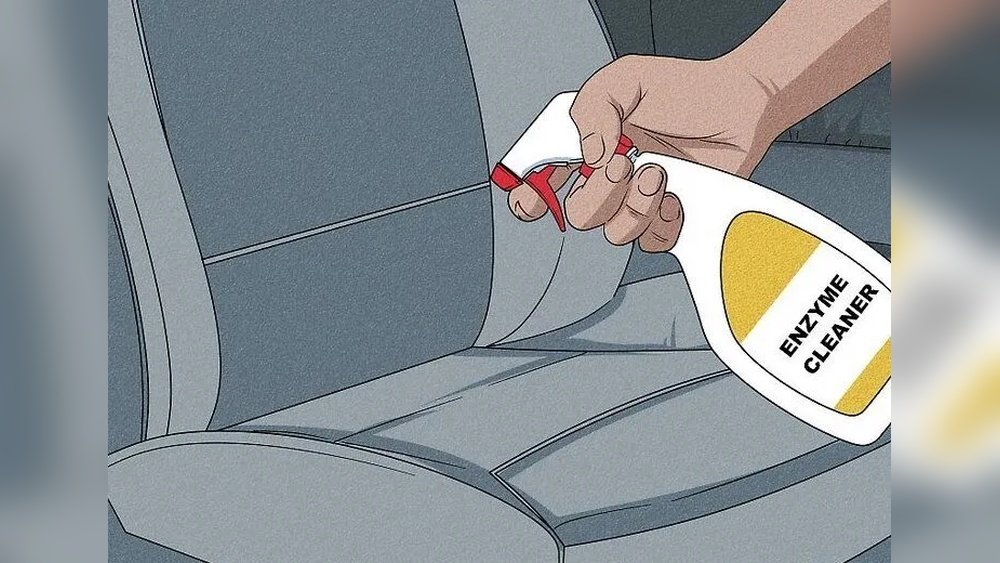
Select a cleaner made for fabric or leather, based on your seat type. Enzyme cleaners work well for urine stains because they break down proteins. Avoid harsh chemicals like bleach that can harm fabric or color. Test the cleaner on a hidden area first. This prevents any unexpected damage.
Safe Application Methods
Apply the cleaner gently using a spray bottle or soft cloth. Do not soak the seat; too much liquid can cause mold. Dab the stain lightly, allowing the solution to sit for a few minutes. Use a clean cloth to blot the area and lift the urine. Repeat if needed but avoid scrubbing hard to protect the fabric.
Scrub And Rinse The Area
After applying a cleaning solution to the urine stain, scrubbing and rinsing is the next step. This process helps lift the urine from the car seat fabric. It also removes dirt and odors trapped in the fibers. Proper scrubbing and rinsing ensure the seat looks and smells fresh again.
Gentle Scrubbing Techniques
Use a soft brush or cloth to scrub the stained area. Scrub in small circles to avoid damaging the fabric. Apply light pressure and work slowly. Too much force can push the urine deeper into the seat. Take your time to cover the whole stain evenly. This method helps break down urine and dirt without harming your car seat.
Removing Cleaner Residue
After scrubbing, rinse the area with clean water. Use a damp cloth to wipe off any leftover cleaner. Removing residue prevents sticky or stiff spots on the seat. Blot the area gently to soak up excess water. Repeat rinsing if the cleaner feels slippery or soapy. This step keeps the fabric soft and ready to dry.
Neutralize Odors
Neutralizing odors is key after cleaning urine from car seats. The smell can linger and make the car unpleasant. Using the right methods helps remove bad smells completely. This step keeps your car fresh and comfortable for everyone.
Natural Deodorizing Options
Baking soda is a popular natural deodorizer. Sprinkle it on the seat and let it sit for a few hours. Then, vacuum it up to remove odors and moisture.
White vinegar is another good choice. Mix equal parts water and vinegar in a spray bottle. Lightly spray the area and let it dry. Vinegar neutralizes smells without harsh chemicals.
Activated charcoal also absorbs odors well. Place a small bag on the seat or nearby. It works quietly and naturally to keep the air clean.
Commercial Odor Removers
Many products are made specifically for car odors. Look for enzymatic cleaners that break down urine molecules. These stop smells at the source.
Sprays with odor neutralizers help freshen the car quickly. Use them after cleaning for best results. Follow the instructions on the label carefully.
Odor-absorbing gels and beads also work well. Place them in the car to maintain a fresh scent over time.
Dry The Seat Thoroughly
Drying the car seat thoroughly is key after cleaning urine stains. A wet seat can hold odors and cause mold. Proper drying stops these problems and keeps your car fresh. Take time to ensure the seat is completely dry before using it again.
Air Drying Tips
Open the car doors and windows to let fresh air in. Good airflow helps the seat dry faster. Park your car in a sunny spot if possible. Sunlight can speed up drying and reduce smells. Leave the seat uncovered and allow air to reach all parts. Check the seat often to see if it feels dry.
Using Fans Or Heaters
Use a fan inside the car to move air over the seat. Fans speed up evaporation and dry the seat faster. A small heater or hairdryer can help too. Keep the heat low to avoid damage to seat materials. Do not use high heat or hold devices too close. Move them around to dry all wet areas evenly.
Prevent Future Stains
Preventing stains on car seats keeps your vehicle fresh and clean. It saves time and effort on deep cleaning later. Taking simple steps helps avoid urine stains from settling and causing odors. Protect your car seats and maintain their look with smart habits.
Protective Seat Covers
Seat covers act as a barrier against spills and stains. Choose waterproof covers for the best protection. They are easy to remove and wash. Use covers that fit well and stay in place. This simple step prevents urine from reaching the seat fabric or leather. It keeps seats clean and odor-free longer.
Regular Cleaning Habits
Clean your car seats often to stop stains from forming. Wipe spills immediately with a damp cloth. Use mild cleaners safe for your seat type. Vacuum the seats regularly to remove dirt and dust. Fresh seats resist stains better. Small efforts done regularly keep your car interior fresh and inviting.

Credit: www.wikihow.com
Frequently Asked Questions
How To Remove Urine Smell From Car Seats?
Use a mixture of vinegar and water to neutralize odors. Apply gently, let it sit, then blot dry. Baking soda can also absorb lingering smells effectively.
What Is The Best Cleaner For Urine Stains On Car Seats?
An enzymatic cleaner is best for breaking down urine proteins. It eliminates stains and odors without damaging fabric or leather.
Can I Use Household Products To Clean Car Seat Urine?
Yes, vinegar, baking soda, and mild soap work well. Avoid harsh chemicals that may damage seat material or cause discoloration.
How Long Does Urine Need To Be Cleaned From Car Seats?
Clean as soon as possible, ideally within a few hours. Prompt cleaning prevents stains from setting and reduces odor buildup.
Conclusion
Cleaning car seat urine takes patience and the right steps. Act fast to stop stains and smells. Use gentle cleaners and blot the spot carefully. Let the seat dry fully before use. Regular cleaning keeps your car fresh and healthy.
Small efforts prevent big problems later. Remember, a clean car seat feels better to sit on. Stay consistent with your cleaning routine. Your car will thank you for the care.
