
Your car seats face daily spills, stains, and dirt that can quickly make them look worn and tired. But what if you could bring back that fresh, clean feel without spending hours or hiring a professional?
Cleaning your car seat with foam is an easy and effective way to restore its appearance and keep your ride looking great. You’ll discover simple steps and insider tips to tackle grime and spills with foam cleaner, so your seats stay fresh and inviting every time you drive.
Ready to give your car seats a makeover? Let’s dive in!

Credit: cnmaydos.en.made-in-china.com
Choosing The Right Foam Cleaner
Choosing the right foam cleaner is key to cleaning car seats effectively. The cleaner must be safe for the seat material. It should remove dirt without causing damage. Picking the wrong foam can leave stains or weaken the fabric. Understanding the types and benefits helps you select the best one for your car.
Types Of Foam Cleaners
There are many foam cleaners designed for car seats. Some target fabric seats, others work best on leather or vinyl. Water-based foams are gentle and easy to rinse. Solvent-based foams remove tough stains but may be harsher. Choose a foam that matches your seat type for best results.
Eco-friendly Options
Eco-friendly foam cleaners use natural ingredients. They avoid harsh chemicals and toxins. These options are safer for your health and the environment. They also reduce bad odors and allergic reactions. Many eco-friendly foams clean just as well as chemical ones.
Foam Vs. Other Cleaners
Foam cleaners penetrate deep into fabric fibers. They lift dirt without soaking the seat. Liquid cleaners may leave wet spots or stains. Foam also dries faster, reducing mold risk. Powder cleaners can be messy and hard to remove. Foam offers a cleaner, quicker, and safer solution.
Credit: www.alamy.com
Preparing Your Car Seat
Preparing your car seat before cleaning with foam makes the process easier and more effective. Start by removing dirt and loose particles. This step prevents grime from spreading during cleaning. Proper preparation also protects your car’s interior from damage.
Removing Loose Dirt And Debris
Use your hands or a soft brush to lift visible dirt and crumbs. Focus on seams and crevices where debris often hides. Clear out any trash or large particles. This simple step helps the foam cleaner work better.
Vacuuming Techniques
Vacuum the entire seat surface thoroughly. Use a nozzle attachment for tight spots. Move the vacuum slowly to pick up all dust and dirt. Repeat vacuuming until no more debris appears. Clean seats absorb foam cleaner more effectively.
Protecting Surrounding Areas
Cover nearby surfaces with old towels or plastic sheets. Shield door panels and carpets from foam overspray. This prevents stains or damage outside the seat area. Take care to avoid wetting electrical parts during cleaning.
Applying Foam Cleaner
Applying foam cleaner to your car seat is a key step in the cleaning process. It helps lift dirt and stains from the fabric. Using the right technique ensures the foam works well without damaging the seat. The following tips make applying foam easier and more effective.
Shaking And Dispensing Foam
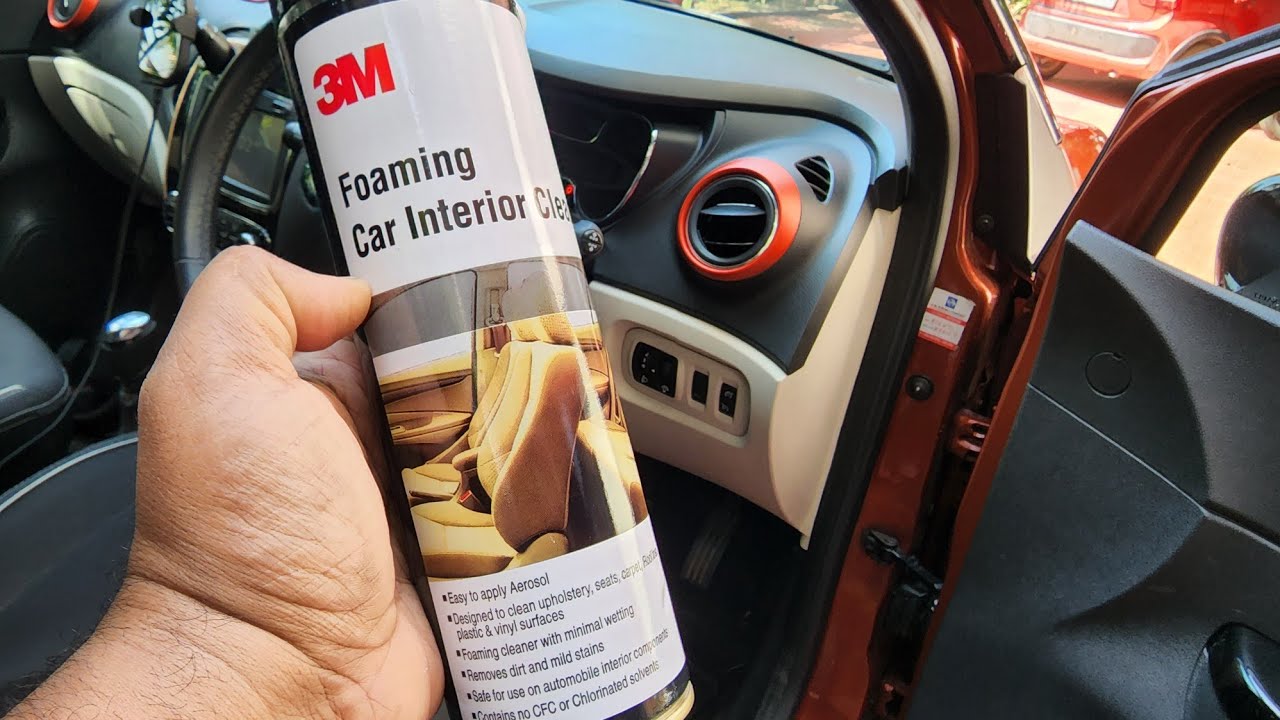
Shake the foam can well before use. This mixes the ingredients inside. Hold the can upright and press the nozzle gently. Dispense a small amount of foam on a clean cloth or directly on the seat. Start with less foam to avoid waste.
Even Application Tips
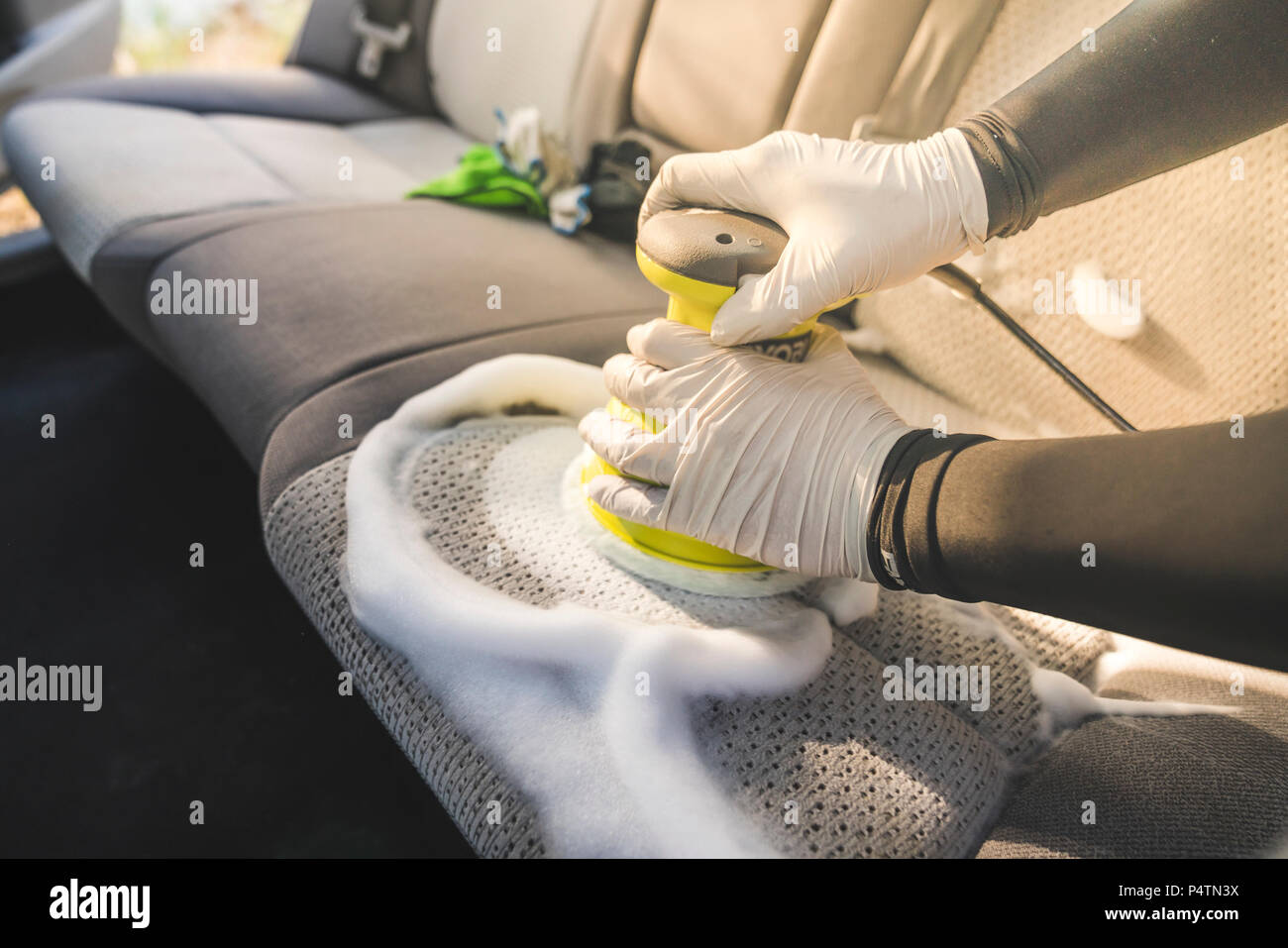
Spread the foam evenly across the seat surface. Use a soft brush or cloth to work the foam into the fabric. Cover all areas, especially dirty spots. Apply in small sections for better control. This helps the foam clean deeply and uniformly.
Avoiding Over-saturation
Do not soak the seat with too much foam. Excess moisture can damage the fabric and padding. Use just enough foam to cover the area lightly. Over-saturation makes drying harder and can cause odors. Always keep foam application moderate and controlled.
Scrubbing And Cleaning
Cleaning car seats with foam needs careful scrubbing and cleaning. This step removes dirt, dust, and stains deep inside the fabric. Using the right tools and methods makes the job easier and protects the seat material. Let’s explore how to scrub and clean your car seats effectively.
Choosing The Right Brush
Select a brush with soft to medium bristles. Hard bristles can damage the fabric. A small brush helps reach tight corners and seams. Avoid wire brushes or stiff scrubbers. A gentle brush cleans without harming the seat surface.
Gentle Scrubbing Methods
Apply foam cleaner evenly on the seat. Let it sit for a few minutes. Use a soft brush in circular motions. Move gently to lift dirt without rubbing too hard. Work in small sections for best results. Wipe away excess foam with a clean cloth.
Handling Stubborn Stains
For tough stains, apply extra foam directly on the spot. Let the foam soak into the stain for 5-10 minutes. Use a soft brush to scrub lightly. Repeat if needed but avoid scrubbing too hard. Blot the area with a damp cloth to remove residue.
Wiping And Drying
After applying foam to clean your car seat, wiping and drying are crucial steps. These steps remove dirt and moisture left behind. Proper wiping ensures the foam lifts stains effectively. Drying prevents damage and keeps seats fresh.
Using Clean Cloths
Use soft, clean cloths to wipe the seat. Microfiber cloths work best for this task. They absorb foam and dirt without scratching the fabric. Change cloths often to avoid spreading dirt. Gently press and wipe in small sections. Avoid rubbing hard, which can damage the seat material.
Speeding Up Drying Process
Open car doors or windows to improve air flow. Use a fan or hairdryer on a low, cool setting. Avoid heat that can harm seat fabric or foam residue. Remove excess moisture with a dry cloth before air drying. Drying quickly helps keep the seat clean and fresh.
Preventing Mold And Odors
Moisture left in seats can cause mold and bad smells. Ensure seats dry completely before closing car doors. Use moisture absorbers like silica gel packs inside the car. Regularly check car seats after cleaning for damp spots. Early drying protects your car’s interior and keeps it smelling clean.
Credit: www.youtube.com
Maintaining Clean Car Seats
Keeping car seats clean helps maintain your car’s look and comfort. Dirt, spills, and stains can build up over time. A good cleaning routine protects your seats and keeps the interior fresh. Foam cleaners are a simple and effective way to remove dirt and grime. They reach deep into fabric and remove stains without soaking the seat. Regular care prevents damage and saves money on repairs.
Regular Cleaning Schedule
Set a cleaning schedule for your car seats. Clean them at least once a month with foam cleaner. This stops dirt from settling in and becoming hard to remove. Wipe spills immediately to avoid stains. Use a soft brush to lift dirt before applying foam. Regular light cleaning keeps seats looking new and fresh.
Protective Treatments
Apply fabric protectors after cleaning. These treatments create a barrier against spills and stains. They make future cleaning easier. Use products made for car seats to avoid damage. Always test a small area first. Protective sprays help keep foam cleaner results longer and reduce wear.
Tips For Long-lasting Freshness
Keep your car dry and aired out. Moisture causes mold and bad smells. Use sunshades to protect seats from sun damage. Remove trash and food wrappers daily. Vacuum seats regularly to remove dust and crumbs. These small steps extend the life of your clean car seats.
Frequently Asked Questions
How Does Foam Cleaner Work On Car Seats?
Foam cleaner lifts dirt and stains from fabric fibers. It penetrates deep, loosening grime for easy removal. This method is gentle yet effective, preserving seat material. It also helps prevent moisture buildup, reducing mold or mildew growth inside the seat.
Can Foam Clean Both Cloth And Leather Seats?
Foam cleaners are ideal for cloth seats but vary for leather. Some foam products are specially formulated for leather care. Always check the label for suitability. Using the wrong foam can damage leather or leave residue. Test a small area before full application.
How Long Does Foam Take To Dry On Seats?
Foam typically dries within 15 to 30 minutes. Drying time depends on seat material and ventilation. Better airflow speeds drying and prevents odor. Avoid sitting on seats until fully dry to maintain cleanliness and avoid stains.
Is Foam Cleaning Safe For Car Seat Fabric?
Yes, foam cleaning is safe for most car seat fabrics. It avoids harsh chemicals that may weaken fibers. Foam cleaners are designed to be gentle yet effective. Always follow product instructions to prevent damage. Regular foam cleaning extends seat lifespan and appearance.
Conclusion
Cleaning car seats with foam keeps them fresh and looking new. Foam reaches deep into fabric and lifts dirt easily. It dries quickly, so you can use your car soon. Regular cleaning stops stains and bad smells from settling. Just follow simple steps, and your seats will shine.
A clean car seat means a cleaner, more comfortable ride. Try foam cleaning next time for fast, effective results. Your car deserves this easy care.
