
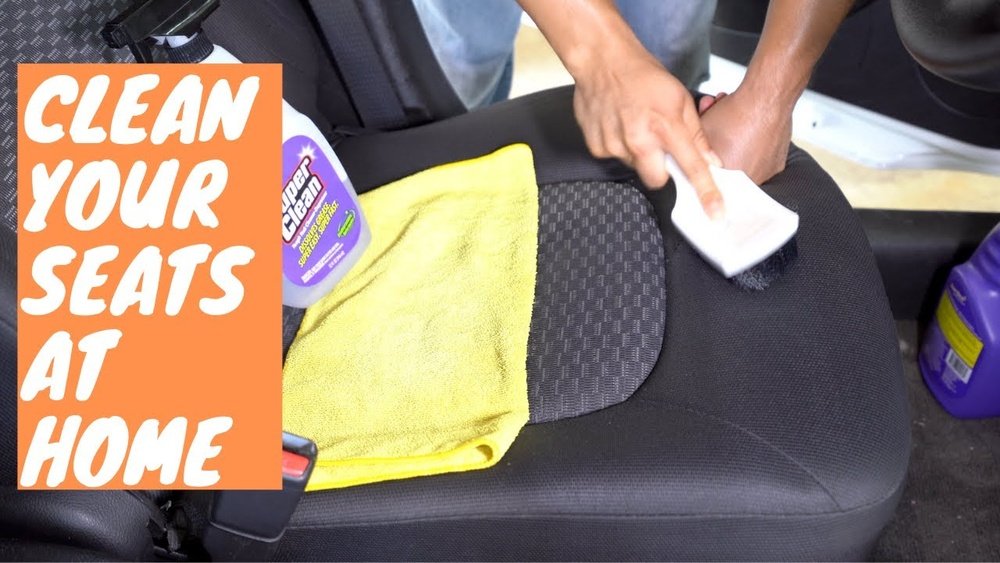
Your car seats take a lot of wear and tear every day. Dirt, spills, and stains can build up, making your car look old and tired.
But cleaning them doesn’t have to be hard or expensive. Imagine driving in a car that feels fresh and looks spotless—all without paying for professional cleaning. In this guide, you’ll discover simple, effective ways to clean your car seats at home using items you probably already have.
Ready to bring your car’s interior back to life? Let’s get started!
Credit: www.familyhandyman.com
Preparing Your Car Seats
Preparing your car seats is the first step to a deep, effective clean. Proper preparation saves time and prevents damage. It helps you clean every corner and keep the seats looking fresh.
This stage includes gathering the right tools, removing loose dirt, and understanding your seat material. Each step matters for a safe and thorough clean.
Gathering Cleaning Supplies
Start with basic cleaning items. You need a vacuum cleaner, soft brushes, microfiber cloths, and cleaning solutions. Choose a cleaner that fits your seat type. Avoid harsh chemicals that can damage fabric or leather.
Vacuuming Loose Dirt And Debris
Use a vacuum to remove crumbs, dust, and dirt. Clean every seam and corner. This step prevents dirt from spreading during the cleaning process. A clean surface makes cleaning easier and more effective.
Checking Seat Material
Identify if your seats are fabric, leather, or vinyl. Each material needs special care. Fabric seats tolerate water-based cleaners. Leather requires gentle, pH-balanced products. Vinyl can handle stronger cleaners but test first on a small area.
Credit: www.youtube.com
Cleaning Fabric Seats
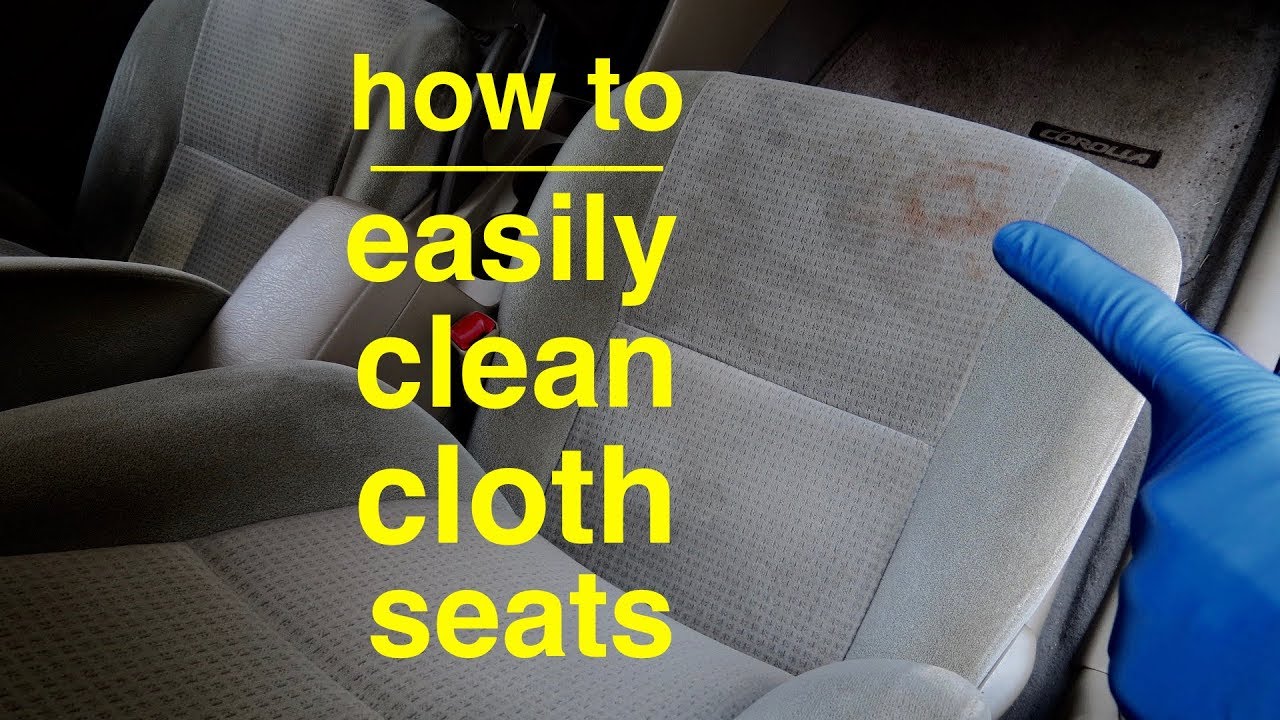
Cleaning fabric car seats at home keeps them fresh and lasting longer. Dirt, spills, and stains can build up over time. Regular cleaning stops damage and keeps seats looking good. Fabric seats need gentle care to avoid damage. Using the right methods makes the job easier and more effective.
Choosing The Right Cleaner
Select a cleaner made for fabric seats. Avoid harsh chemicals that can cause fading. Test the cleaner on a small, hidden spot first. This helps avoid color changes or damage. A mild soap or upholstery cleaner works well. Use cleaners with natural ingredients for safe cleaning.
Spot Treating Stains
Address stains quickly to prevent setting. Apply a small amount of cleaner on the stain. Let it sit for a few minutes. Gently blot the stain with a clean cloth. Avoid rubbing hard to prevent fabric damage. Repeat if needed until the stain fades.
Deep Cleaning With A Brush
Use a soft brush to clean the whole seat. Dip the brush in the cleaner solution. Scrub gently in circular motions to lift dirt. Focus on areas with heavy dirt or stains. Avoid soaking the fabric with too much liquid. Wipe excess moisture with a dry cloth.
Drying And Ventilating
Let the seats dry completely after cleaning. Open car doors or windows for air flow. Use fans to speed up drying if possible. Avoid using the car until seats are dry. Proper drying stops mold and bad smells from forming.
Cleaning Leather Seats
Cleaning leather car seats at home keeps them soft and looking new. Leather needs special care to avoid damage. Regular cleaning stops dirt from settling deep into the material.
Use the right products and methods to protect your seats. Avoid harsh chemicals that can dry out or crack leather. Gentle cleaning keeps your seats comfortable and stylish for years.
Using Gentle Leather Cleaners
Choose a cleaner made for leather. These products clean dirt without harming the surface. Apply a small amount on a soft cloth, not directly on the seat. Wipe gently in a circular motion. Avoid soaking the leather with too much liquid.
Removing Stains Safely
Act quickly on spills to prevent stains. Use a damp cloth with mild soap for most stains. Dab gently; do not rub hard. For tough stains, test a cleaner on a hidden spot first. Avoid bleach or ammonia-based cleaners as they can ruin leather.
Applying Leather Conditioner
Conditioning keeps leather soft and prevents cracks. Use a conditioner designed for car seats. Apply a small amount with a clean cloth. Spread evenly and let it absorb. Buff lightly with a dry cloth to finish. Condition seats every few months for best results.
Cleaning Vinyl And Synthetic Seats
Cleaning vinyl and synthetic car seats at home is simple and effective. These materials resist stains and water well but still need regular care. Proper cleaning keeps seats looking fresh and extends their life. Follow easy steps to make your seats shine.
Selecting Suitable Cleaners
Choose cleaners made for vinyl or synthetic surfaces. Mild soap mixed with warm water works well. Avoid harsh chemicals or bleach that can damage seats. Test any cleaner on a small hidden spot first. This prevents color fading or material damage.
Wiping And Scrubbing Techniques
Use a soft cloth or sponge for wiping. Gently scrub dirty areas in a circular motion. For tough stains, a soft brush can help without scratching. Avoid soaking the seats with too much water. Wipe off excess moisture quickly to prevent damage.
Protecting The Surface
Apply a vinyl protectant after cleaning. This keeps the material soft and stops cracking. Protectants also repel dust and dirt for longer freshness. Use a clean cloth to spread the product evenly. Let it dry fully before using the seats again.
Maintaining Freshness Between Cleanings
Keeping car seats fresh between cleanings helps your car feel new longer. Dirt and spills build up fast, making seats look old and worn. Simple habits protect your seats and keep odors away. These small steps save time and effort on deep cleaning later.
Using Seat Covers
Seat covers protect fabric from dirt and stains. They are easy to remove and wash at home. Choose covers that fit your seats well. Covers also block sweat and food spills. Using covers extends the life of your car seats.
Regular Vacuuming Tips
Vacuum your seats every week or two. Use a brush attachment to reach tight spots. Vacuuming removes dust, crumbs, and pet hair. Clean seats look nicer and feel fresher. Do not skip this simple step after trips or snacks.
Avoiding Spills And Stains
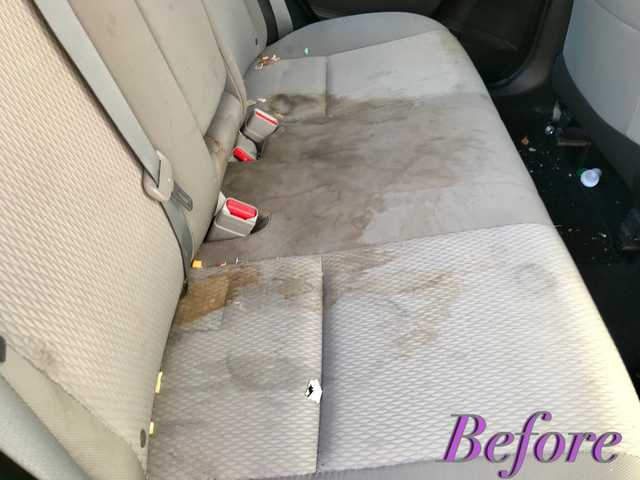
Eat and drink carefully inside the car. Use spill-proof containers to reduce accidents. Clean spills immediately with a damp cloth. Stains become harder to remove when left too long. Taking care prevents stains and keeps seats fresh.
Credit: lemanemploi.ch
Frequently Asked Questions
How Do I Clean Fabric Car Seats At Home?
Vacuum the seats thoroughly to remove dirt. Use a fabric cleaner or mild soap with water. Gently scrub with a soft brush. Wipe with a damp cloth and air dry. Repeat if necessary for stubborn stains.
What Is The Best Homemade Cleaner For Car Seats?
Mix equal parts of water and white vinegar. Add a few drops of dish soap. Spray lightly on the seats and scrub gently. Vinegar deodorizes and cleans effectively without harsh chemicals. Always test on a small area first.
How Can I Remove Tough Stains From Car Seats?
Blot the stain with a clean cloth first. Apply a stain remover or a baking soda paste. Let it sit for 10-15 minutes. Gently scrub and wipe with a damp cloth. Repeat for stubborn stains and allow to dry.
Can I Use A Steam Cleaner On Car Seats?
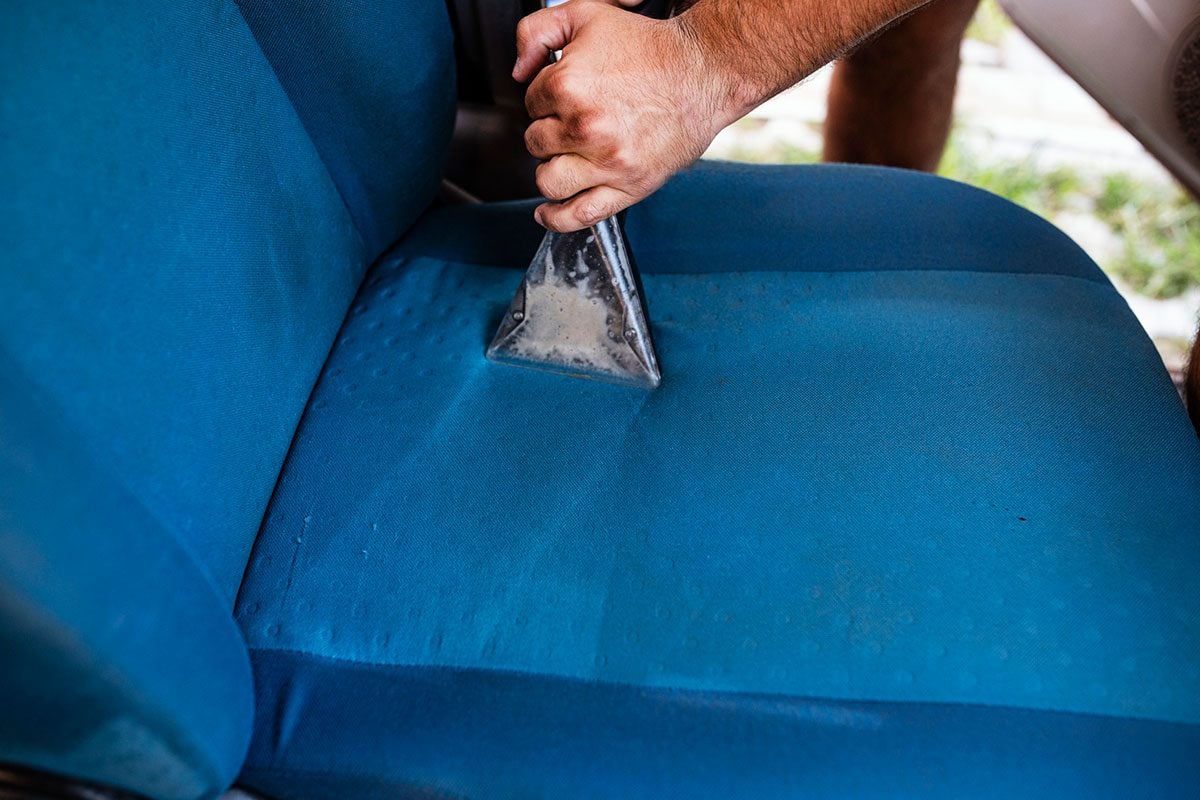
Yes, steam cleaners work well on fabric and leather seats. They kill bacteria and lift dirt without harsh chemicals. Use a low steam setting to avoid damaging the material. Always test a small area first to check for colorfastness.
Conclusion
Cleaning car seats at home saves money and time. Use simple tools like cloth, brush, and cleaner. Treat stains quickly for better results. Regular cleaning keeps seats fresh and lasts longer. Follow easy steps to protect your car’s interior. A clean car seat feels good every drive.
Start today and enjoy a neat, tidy ride.
