
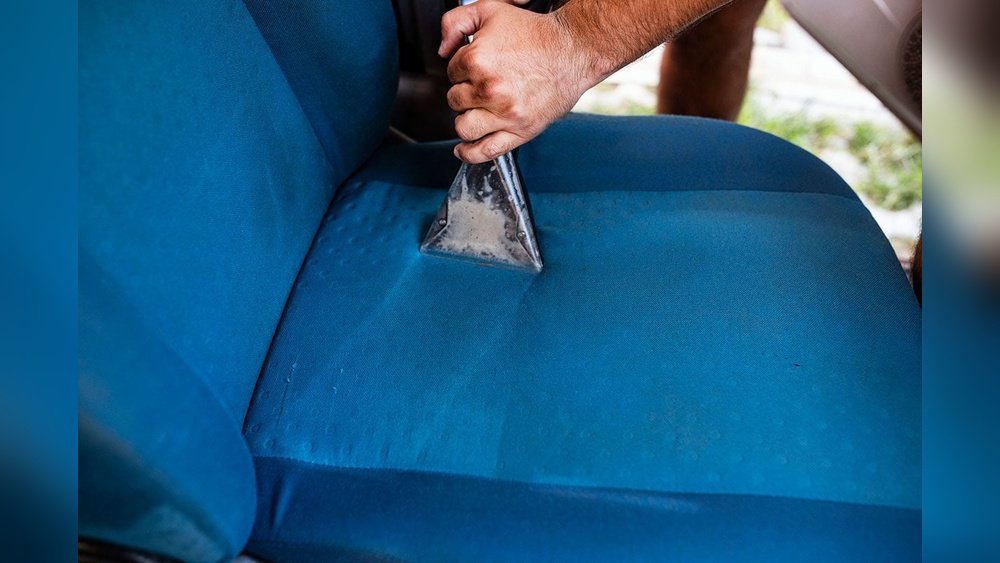
Your car seats face daily wear, spills, and stains that can make them look tired and dirty. But what if you could clean them like a pro, restoring that fresh, spotless feel without spending a fortune or time at the car wash?
In this guide, you’ll discover simple, effective techniques that anyone can use to make your seats look and smell amazing again. Ready to transform your car’s interior and impress everyone who steps inside? Keep reading, because your seats deserve the best care.

Credit: stonercarcare.com
Choosing The Right Cleaning Products
Choosing the right cleaning products is key to keeping car seats fresh and damage-free. Different seat materials need different care. Using the wrong cleaner can cause stains, fading, or cracks. Knowing which product suits your car seats helps save time and effort. It also keeps your car interior looking great for years.
Types Of Car Seat Materials
Car seats come in many materials. Fabric, leather, vinyl, and suede are common. Each type reacts differently to cleaning products. Fabric seats absorb liquids quickly. Leather seats need gentle, moisturizing cleaners. Vinyl is durable but can crack with harsh chemicals. Suede is delicate and requires special care.
Best Cleaners For Fabric Seats
Fabric seats need cleaners that remove dirt without soaking the material. Foam cleaners and upholstery shampoos work well. They lift dirt and stains without leaving residue. Avoid using too much water. A soft brush helps loosen dirt gently. Always test a small area first to check for color fading.
Safe Options For Leather Seats
Leather seats need mild, pH-balanced cleaners. Harsh soaps can dry out leather and cause cracks. Use leather-specific sprays or wipes. These clean and protect the surface. After cleaning, apply leather conditioner to keep seats soft. Clean small sections at a time for best results.
Eco-friendly Cleaning Solutions
Eco-friendly products offer safe cleaning without harmful chemicals. Vinegar and baking soda are natural options for fabric seats. They remove odors and stains gently. For leather, look for plant-based cleaners. These protect your health and the environment. Eco-friendly solutions work well and are budget-friendly.

Credit: www.youtube.com
Preparing Your Car Seats For Cleaning
Preparing your car seats for cleaning is a key step before starting any deep cleaning process. This preparation helps remove surface dirt and prevents damage during cleaning. Taking the time to prepare your seats properly can make the cleaning easier and more effective.
Start by clearing the seats of loose dirt and debris. This simple step prevents dirt from spreading or scratching the fabric during cleaning. Next, use proper vacuuming techniques to reach deep into the seat fibers and crevices. This removes hidden dust and small particles that a quick sweep misses.
Lastly, always spot test your chosen cleaner on a small, hidden area. This ensures the cleaner won’t cause stains or damage to the fabric. Testing first protects your seats and guarantees a safer cleaning experience.
Removing Loose Dirt And Debris
Begin by shaking off any loose dirt from the seats. Use a soft brush to sweep away dust and crumbs. Check under the seats and in seams for hidden debris. Clearing the surface dirt helps avoid spreading it during cleaning.
Vacuuming Techniques For Deep Cleaning
Use a vacuum with a soft brush attachment for car seats. Move the vacuum slowly to pick up dust and small particles. Pay close attention to seat crevices and folds. Vacuuming deeply helps remove dirt trapped inside the fabric.
Spot Testing Cleaners
Choose a small, hidden spot on the seat for testing. Apply a small amount of cleaner and wait a few minutes. Look for any color change or fabric damage. If no reaction appears, it is safe to clean the entire seat.
Step-by-step Cleaning Process
Cleaning car seats takes patience and the right steps. Follow this simple process to get seats clean and fresh. Each step targets different seat materials and common challenges. This guide helps you treat fabric, leather, tough stains, and drying properly.
Cleaning Fabric Seats Effectively
Start by vacuuming the seats carefully. Remove dust and crumbs from all corners. Mix warm water with a gentle fabric cleaner. Use a soft brush to scrub the seats lightly. Avoid soaking the fabric; use small amounts of liquid. Wipe the seats with a clean, damp cloth. Repeat if dirt remains. Allow the fabric to air dry before using the car.
Restoring Leather Seats
Use a vacuum or brush to remove dirt from leather. Apply a leather cleaner with a soft cloth. Rub gently to lift dirt without scratching. Wipe off excess cleaner with a dry cloth. After cleaning, apply a leather conditioner. This keeps leather soft and prevents cracks. Let the seats dry naturally in a cool place.
Dealing With Tough Stains
Blot fresh stains immediately with a clean cloth. Avoid rubbing, which can spread the stain. For fabric, use a stain remover suitable for upholstery. Test on a hidden area first. For leather, use a special leather stain remover. Apply carefully and follow product instructions. Patience is key for stubborn stains. Repeat treatments may be needed.
Drying And Ventilation Tips
Open car doors and windows for airflow. Use fans if possible to speed drying. Avoid direct sunlight to prevent fading or damage. Check seats regularly to ensure complete drying. Damp seats can cause mold and odors. Proper ventilation keeps your car fresh and clean.
Maintaining Clean Car Seats
Keeping car seats clean helps your vehicle look fresh and new. Dirt and spills can damage fabric or leather over time. Regular care protects your seats and makes cleaning easier. A good routine keeps stains and odors away. Simple steps help maintain a neat interior every day.
Regular Cleaning Schedule
Set a weekly or biweekly time to clean your seats. Vacuum dust and crumbs thoroughly. Use a soft brush to remove dirt from seams. Wipe down leather or vinyl seats with a damp cloth. For fabric seats, use a mild cleaner suitable for your material. Regular cleaning stops dirt buildup and keeps seats looking good.
Protective Treatments And Conditioners
Apply protectants to shield seats from spills and sun damage. Leather conditioner keeps leather soft and prevents cracks. Fabric protectors create a barrier against stains. Test products on a small area first. Follow product instructions carefully. These treatments extend the life of your car seats and keep them comfortable.
Tips To Prevent Future Stains
Use seat covers to guard against spills and dirt. Avoid eating or drinking inside the car to reduce mess. Clean spills immediately to stop stains from setting. Keep wet items like umbrellas or clothes off the seats. Regularly check for and remove dirt or debris. These habits protect your seats and save cleaning time later.
Tools And Accessories For Professionals
Cleaning car seats well needs the right tools and accessories. Professionals use special items to get seats fresh and spotless. Using proper equipment saves time and improves results. This guide covers the key tools pros rely on.
Essential Cleaning Tools
Soft brushes help remove dirt without damage. Microfiber cloths trap dust and moisture. Vacuum cleaners with small nozzles reach tight spaces. Spray bottles apply cleaning solutions evenly. Gloves protect your hands from chemicals.
Using Steam Cleaners
Steam cleaners loosen dirt and kill germs. Hot steam reaches deep into fabric and leather. It dries quickly, avoiding mold or stains. Steam works well on tough spots and odors. Easy to use and safe for most seats.
Advantages Of Professional Detailing Kits
Detailing kits include many useful items in one set. They have specialized cleaners for fabric, leather, and vinyl. Kits often contain brushes and towels made for car care. Using these sets keeps the job organized. They provide everything needed for a thorough clean.

Credit: lovemycarcarwash.com
Frequently Asked Questions
How Often Should I Clean Car Seats Professionally?
Cleaning car seats every 3 to 6 months keeps them fresh. Frequent cleaning prevents stains, odors, and fabric damage. Regular maintenance extends seat life and enhances car appearance.
What Are The Best Products For Cleaning Car Seats?
Use mild upholstery cleaners or specialized leather cleaners. Avoid harsh chemicals that damage fabric or leather. Always test products on a hidden area first for safety.
Can I Clean Car Seats With Household Items?
Yes, mild soap and water work well on fabric seats. For leather, use vinegar and olive oil mix sparingly. Household items can be effective but test in small spots first.
How Do I Remove Tough Stains From Car Seats?
Blot spills immediately with a clean cloth. Use a stain remover suited for your seat type. Gently scrub and rinse, then air dry to avoid residue.
Conclusion
Cleaning car seats does not have to be hard or time-consuming. Use the right tools and gentle cleaners for best results. Always test a small area first to avoid damage. Regular cleaning keeps seats fresh and lasts longer. A clean car seat makes every drive more comfortable.
Try these tips to keep your car looking neat and tidy. Simple steps can make a big difference in your car’s interior. Start today and enjoy a cleaner, nicer ride tomorrow.
