
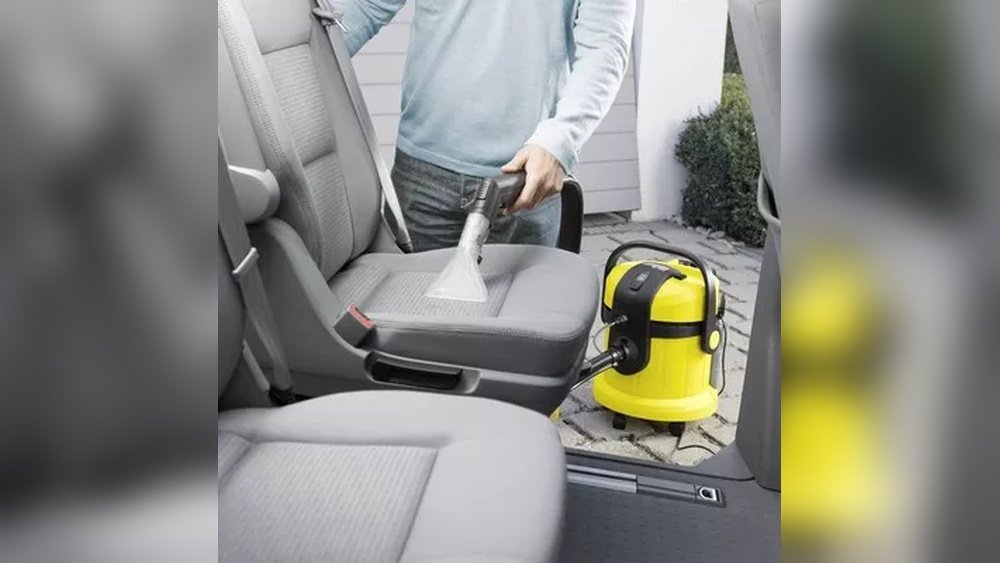
Are your car seats looking dull or stained? You might think cleaning them is a tough job, but what if you could make them fresh and spotless using a machine?
Imagine saving time and effort while giving your car’s interior a makeover. In this guide, you’ll discover simple, effective steps to clean your car seats with a machine. Keep reading to learn how to bring back that clean, comfortable feeling every time you step inside your car.
Choosing The Right Cleaning Machine
Choosing the right cleaning machine for car seats makes the job easier and faster. The right machine cleans deeply without damaging the fabric. It saves time and gives better results. Knowing the types of machines, important features, and budget helps pick the best one.
Types Of Car Seat Cleaning Machines
There are several types of car seat cleaning machines. Some use steam to remove dirt and stains. Others spray water and cleaning solution, then vacuum it up. Portable machines are small and easy to carry. Larger machines offer more power but are harder to move. Choose a type that fits your cleaning needs.
Features To Look For
Look for machines with strong suction to remove dirt well. A good machine should have adjustable settings for different fabrics. Easy-to-clean tanks and filters save time. Lightweight models are easier to handle. Long power cords or battery options allow more freedom to clean.
Budget Considerations
Car seat cleaning machines come in many price ranges. Basic models work for light cleaning and small jobs. Mid-range machines offer better power and features. High-end machines provide deep cleaning and more durability. Decide how often you will clean and your budget before buying.
Preparing Your Car Seats
Preparing your car seats is a key step before using a machine cleaner. It helps make the cleaning more effective and protects your seats from damage. Taking a few minutes to prepare will give you better results and save time.
Start by clearing the seats of any loose dirt and debris. This step stops dirt from spreading while you clean. Next, vacuum the seats carefully to remove smaller particles. Finally, treat any stains to help the cleaning machine work better. These steps set a strong base for deep cleaning.
Removing Loose Dirt And Debris
Check your seats for crumbs, dust, and dirt. Use your hands or a soft brush to clear big bits. Pay special attention to seams and folds. This prevents dirt from scratching the fabric during cleaning. Removing loose dirt also stops it from blocking your vacuum or cleaner.
Vacuuming Techniques
Use a vacuum with a brush attachment for best results. Move the vacuum slowly over the seats. Cover every part, including under the headrests and between cushions. Use short back-and-forth motions to lift dirt. Empty the vacuum bag or container often to keep suction strong.
Treating Stains Before Cleaning
Identify any stains on the seats before cleaning. Apply a small amount of stain remover or mild detergent. Let it sit for a few minutes to break down the stain. Dab gently with a clean cloth—avoid rubbing hard. This pre-treatment helps the machine cleaner remove stains more easily.
Step-by-step Cleaning Process
Cleaning car seats with a machine requires a clear plan. Following each step carefully ensures the best results. This guide breaks down the process into simple actions anyone can follow.
Setting Up The Machine
Place the cleaning machine near the car seat. Check the water tank and fill it with clean water. Attach the cleaning solution tank if your machine needs one. Plug the machine into a power source. Make sure all parts are connected tightly. Read the machine manual for any specific setup instructions.
Applying Cleaning Solutions
Choose a cleaning solution safe for car seats. Pour the solution into the machine’s tank. Avoid using too much solution; it can damage the fabric. Some machines mix water and solution automatically. If not, mix them according to the product’s label. Apply the cleaner evenly across the seat surface.
Machine Operation Tips
Turn on the machine and start cleaning. Move the machine slowly over the seat. Work in small sections for better cleaning. Use gentle pressure to avoid damaging the fabric. Pause to let the machine suck up dirt and moisture. Repeat if necessary, focusing on dirty spots. Keep the machine steady and avoid quick movements.
Drying The Seats Properly
After cleaning, remove excess moisture with a dry cloth. Leave car doors or windows open for airflow. Use fans or a portable dryer to speed up drying. Avoid direct sunlight; it can fade the fabric. Wait until seats are completely dry before using the car. Proper drying stops mold and bad smells.

Credit: www.youtube.com
Dealing With Tough Stains
Tough stains on car seats can be frustrating. They often do not come off with simple cleaning. Special care and the right methods help remove these stubborn marks. Learn how to identify stains and treat them effectively.
Common Stain Types
Car seats get stained by many things. Food spills like ketchup or chocolate leave dark spots. Drinks such as coffee and soda cause noticeable rings. Grease and oil stains are slick and hard to clean. Ink and dye marks can also appear after accidents. Knowing the stain type guides the cleaning process.
Effective Spot Treatments
Start by blotting the stain gently with a clean cloth. Avoid rubbing, which can spread the stain. Use a mild detergent mixed with water for most stains. Apply a small amount and let it sit for a few minutes. Scrub lightly with a soft brush or cloth. Rinse with clean water and blot dry. Repeat if the stain remains but do not soak the seat.
Using Natural Remedies
Natural cleaners work well and are gentle on fabric. Baking soda helps absorb oils and odors. Sprinkle it on the stain, wait 15 minutes, then vacuum. White vinegar mixed with water breaks down many stains. Dab the mixture on the spot and blot dry. Lemon juice works on some food stains but test first. These remedies reduce harsh chemicals on your car seats.
Maintaining Clean Car Seats
Keeping car seats clean is key to a fresh and comfortable ride. Dirt, spills, and dust can build up quickly. This affects the look and smell of your car. Regular care helps keep seats in good shape. It also stops stains from setting deep. Simple steps keep your car seats looking like new.
Regular Cleaning Schedule
Set a weekly or bi-weekly cleaning routine. Use a vacuum to remove dust and crumbs. Wipe seats with a damp cloth to clear light dirt. For deeper cleaning, use a machine designed for car seats. Clean spots and stains quickly before they dry. This prevents dirt from embedding into fabric or leather.
Protective Treatments
Apply seat protectors or covers to guard against spills. Use fabric or leather protectants to repel stains and water. These treatments create a barrier on the seat surface. They make cleaning easier and extend seat life. Repeat protective treatments every few months for best results.
Preventive Measures
Avoid eating or drinking inside the car to reduce spills. Keep pets in carriers or use seat covers. Clean shoes before entering to limit dirt. Use sunshades to prevent fading and cracking from sunlight. Small habits help maintain clean and fresh car seats over time.

Credit: www.caranddriver.com
Safety And Maintenance Of Cleaning Machines
Cleaning machines for car seats need careful handling. Safety and maintenance help keep these machines working well. Proper care stops damage and keeps users safe. Regular checks and cleaning improve the machine’s life. This section covers key tips for safe use and upkeep.
Proper Machine Care
Always read the user manual before use. Check all parts for wear or damage. Clean filters and brushes after each job. Use only recommended cleaning solutions. Avoid overfilling the water tank or detergent. Unplug the machine before cleaning or repairs. Regularly inspect the power cord for cuts or frays.
Troubleshooting Common Issues
Machine won’t start? Check the power connection first. Poor suction? Clean or replace filters and hoses. Strange noises? Look for loose or stuck parts. Water leaking? Check seals and tank placement. Brushes not spinning? Clear debris and check motor function. Most issues fix with simple cleaning or resets.
Storage Tips
Empty all water and cleaning solutions after use. Dry the machine completely to prevent mold. Store in a cool, dry place away from sunlight. Coil the power cord loosely to avoid damage. Keep the machine covered to stop dust buildup. Proper storage extends machine life and readiness.

Credit: www.wagnerspraytech.com
Frequently Asked Questions
How Do I Clean Car Seats With A Machine?
Use a carpet cleaner or upholstery machine designed for cars. Vacuum seats first, then apply cleaner evenly. Avoid soaking seats to prevent damage. Follow machine instructions carefully for best results.
Can I Use A Washing Machine For Car Seats?
No, washing machines can damage car seats. Use a specialized upholstery cleaner or a portable carpet cleaning machine instead. These methods protect seat fabric and structure.
What Is The Best Machine For Cleaning Car Seats?
Portable carpet cleaners or upholstery steam cleaners work best. They remove dirt without soaking seats. Look for machines with adjustable settings and attachments for thorough cleaning.
How Often Should I Machine Clean Car Seats?
Clean car seats with a machine every 3-6 months. Regular cleaning prevents dirt buildup and stains. Spot clean spills immediately to maintain seat appearance.
Conclusion
Cleaning car seats with a machine saves time and effort. It removes dirt, stains, and odors effectively. Always follow the machine’s instructions carefully for best results. Regular cleaning keeps seats fresh and extends their life. Choose the right cleaner for your seat material to avoid damage.
Let seats dry completely before use to prevent mold. Small steps make a big difference in car care. Keep your car interior looking neat and comfortable easily.
