
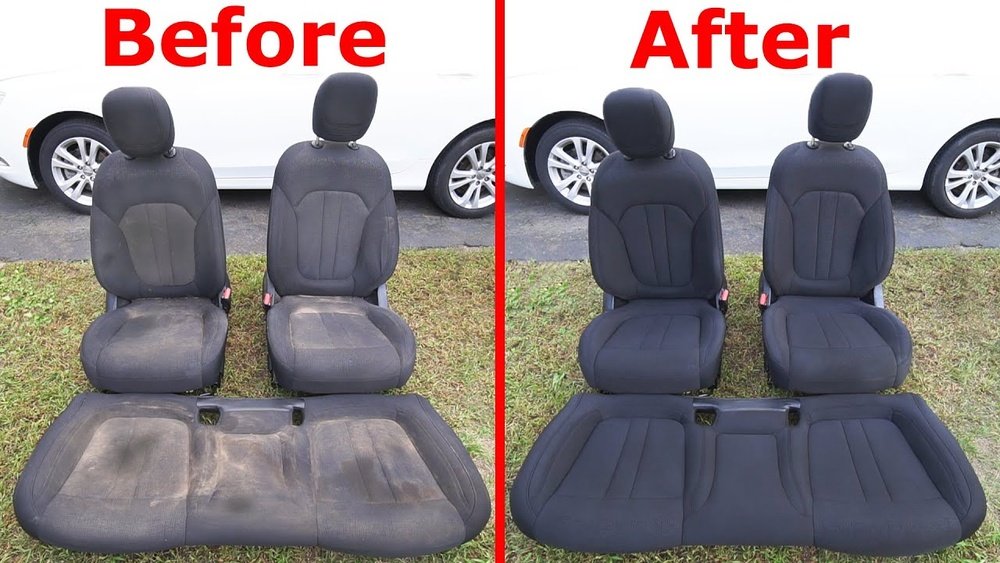
Your car seats face daily wear and tear—from spills and stains to dust and grime. If you want your car to feel fresh and look like new, knowing how to clean car seats professionally is a game-changer.
Imagine sliding into a spotless, comfortable seat every time you drive. In this guide, you’ll discover simple yet powerful techniques that make cleaning easy and effective. Stick with me, and you’ll learn how to protect your seats, save money, and enjoy a cleaner ride—step by step.
Ready to transform your car interior? Let’s dive in.
Choosing The Right Cleaning Products
Choosing the right cleaning products is key to keeping car seats fresh and lasting longer. Different materials need different care. Using the wrong product can cause stains, damage, or fading. Picking safe and effective cleaners helps protect your car’s interior and your health.
Types Of Cleaners For Different Materials
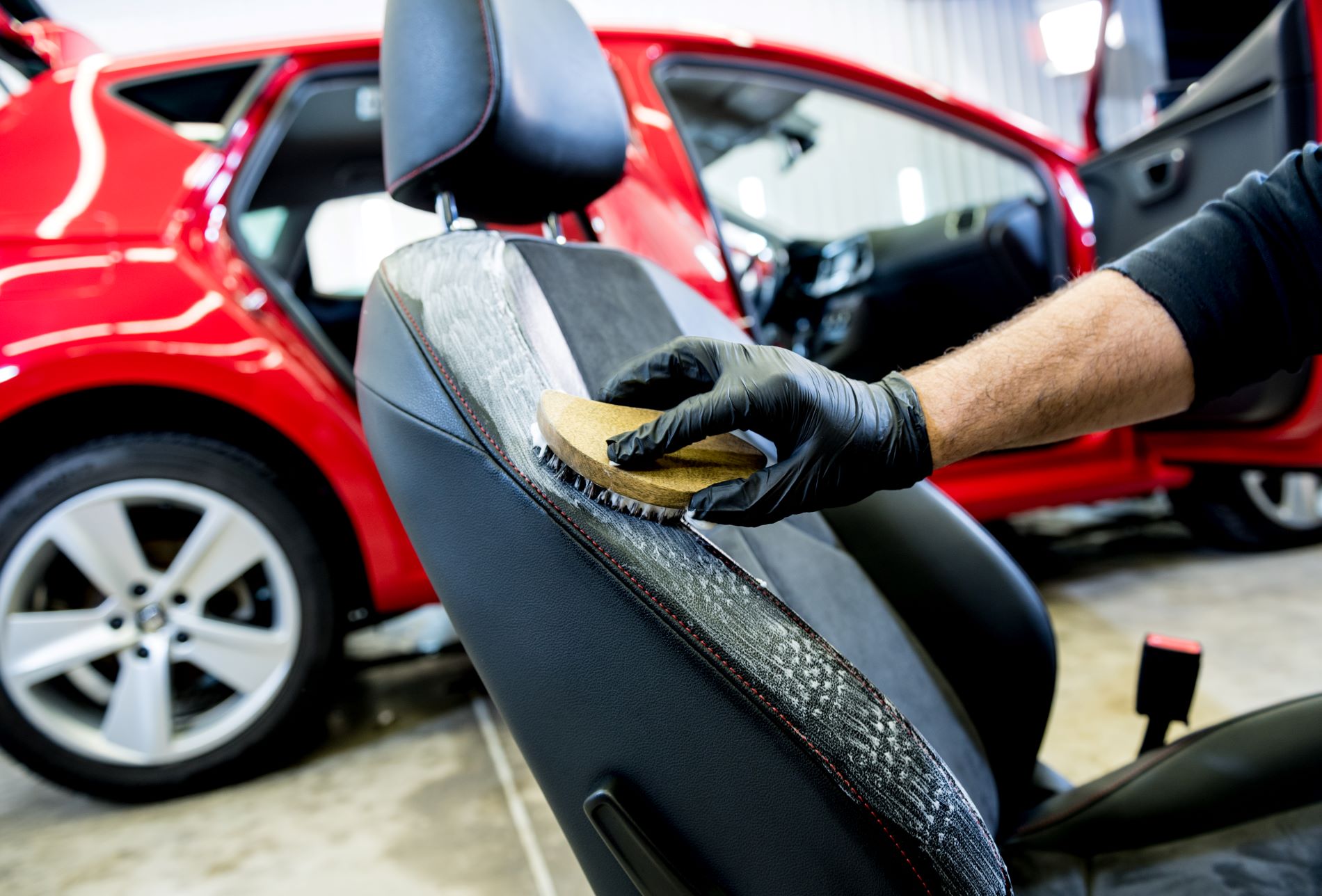
Fabric seats need gentle cleaners that remove dirt and stains without soaking the material. Foam or upholstery cleaner works well. Leather seats require special leather cleaners or conditioners to keep the surface soft and prevent cracking. Vinyl and plastic parts clean best with mild soap and water or dedicated vinyl cleaners.
Avoiding Harmful Chemicals
Strong chemicals can harm seat materials and your health. Avoid bleach, ammonia, and harsh solvents. These can discolor or weaken fabric and leather. Choose products labeled as safe for car interiors. They clean effectively without causing damage or strong odors.
Eco-friendly Options
Eco-friendly cleaners use natural ingredients that are safe for the environment and your car. They avoid harsh chemicals and toxins. These products clean well and reduce pollution. Look for biodegradable, non-toxic, and plant-based formulas. They protect your car and the planet at the same time.
Credit: www.mazdaofsouthcharlotte.com
Preparing Your Car Seats
Preparing your car seats is the first step in cleaning them professionally. It sets the stage for a thorough and effective job. Clean seats last longer and look much better. Taking time to prepare helps remove dirt and prevents damage during cleaning.
Removing Loose Dirt And Debris
Start by removing any loose dirt and debris from the seats. Use your hands or a soft brush to gently sweep away crumbs, dust, and small particles. Pay special attention to seat crevices and seams where dirt hides. This step stops dirt from spreading during cleaning.
Vacuuming Techniques
Use a vacuum cleaner with a brush attachment for best results. Move the vacuum slowly over the entire seat surface. Focus on crevices and under seams to pick up hidden dirt. Vacuum both the seat cushions and backrests carefully. Repeat until no dirt remains visible.
Protecting Surrounding Areas
Cover areas around the seats to avoid damage or stains. Use plastic sheets or old towels to protect carpets and door panels. This keeps cleaning products from dripping or splashing. Secure covers well to prevent slipping during cleaning.
Cleaning Fabric Seats
Fabric car seats need careful cleaning to stay fresh and last longer. Dirt, spills, and stains can damage the fabric if not treated properly. Regular cleaning keeps the seats looking new and comfortable for every ride. Use gentle methods to avoid harming the material.
Spot Treatment For Stains
Start by blotting the stain with a clean cloth. Avoid rubbing, as this spreads the stain. Use a mild fabric cleaner or a mix of water and dish soap. Apply the cleaner gently with a soft brush or cloth. Let it sit for a few minutes, then blot again. Repeat if needed until the stain fades.
Deep Cleaning Methods
Vacuum the seats first to remove loose dirt and dust. Use a fabric upholstery cleaner designed for cars. Apply the cleaner evenly and scrub lightly with a soft brush. Do not soak the fabric. Use a wet-dry vacuum to extract moisture and dirt. This method cleans deep without damaging the seat.
Drying Tips To Prevent Mold
After cleaning, dry the seats quickly to avoid mold growth. Leave the car doors open in sunlight if possible. Use fans or a portable dryer to speed up drying inside the car. Avoid using heat directly on the fabric. Check that the seats are fully dry before closing the car.

Credit: branfordcarwashandexpresslube.com
Cleaning Leather Seats
Cleaning leather car seats requires special care to keep them soft and shiny. Dirt and spills can damage leather if not cleaned right. Regular cleaning helps protect the leather and keeps your car looking new. Use the right products and gentle methods for the best results.
Selecting Leather-safe Cleaners
Choose cleaners made specifically for leather seats. Avoid harsh chemicals and detergents. These can dry out or crack the leather. Look for pH-balanced formulas that clean without harming. Test the cleaner on a small hidden spot first. This prevents any unwanted damage or discoloration.
Gentle Cleaning Techniques
Use a soft cloth or sponge to clean leather seats. Avoid rough scrubbing or hard brushes. Apply cleaner lightly and wipe in circular motions. Do not soak the leather with water or cleaner. Dry the seats with a clean towel right after cleaning. This keeps leather from absorbing too much moisture.
Conditioning For Longevity
Leather conditioner keeps seats soft and prevents cracks. Apply conditioner after cleaning and drying the seats. Use a small amount and spread evenly with a soft cloth. Let the conditioner soak in before wiping off any excess. Regular conditioning extends the life of your leather seats.
Handling Vinyl And Synthetic Seats
Vinyl and synthetic car seats are popular for their durability and easy maintenance. They resist stains better than cloth but need special care to last long. Cleaning these seats properly keeps them looking new and prevents damage. Follow the right steps to protect their surface and color.
Effective Cleaning Solutions
Choose a mild soap or a cleaner made for vinyl and synthetic materials. Mix a small amount of soap with warm water. Use a soft cloth or sponge to gently wipe the seats. Avoid harsh chemicals that can break down the material. Rinse with clean water and dry with a soft towel. This method removes dirt without harming the seat.
Avoiding Cracks And Fading
Keep seats out of direct sunlight when possible. UV rays cause fading and cracks over time. Use a sunshade or park in shaded areas. Apply a vinyl protectant after cleaning to shield the surface. This helps maintain the seat’s original color and texture. Regular care prevents costly repairs and keeps the interior fresh.
Maintaining Flexibility
Vinyl and synthetic seats can become stiff if neglected. Conditioning products designed for these materials help maintain softness. Apply conditioner sparingly and evenly with a cloth. Let it soak in and then wipe off any excess. Flexible seats stay comfortable and resist damage better. Consistent maintenance extends the life of your car seats.
Dealing With Tough Stains
Tough stains on car seats need special care. They do not come off easily with regular cleaning. Stains like ink, oil, and mold can damage the fabric. Acting fast and using the right methods helps keep seats clean and fresh.
Removing Ink And Dye Marks
Ink stains can be tricky and spread quickly. Use a clean cloth to blot the stain gently. Avoid rubbing as it can make the mark worse. Apply a small amount of rubbing alcohol to a cloth. Dab the stain carefully, lifting the ink from the fabric. Rinse with water and blot dry with a towel. Repeat if needed but do not soak the seat.
Handling Oil And Grease
Oil and grease leave dark, sticky spots. Sprinkle baking soda or cornstarch on the stain first. Let it sit for 15 minutes to absorb the oil. Brush off the powder gently. Use a mild dish soap mixed with water to clean the area. Apply with a cloth and rub lightly in circles. Rinse with a damp cloth and dry with a towel. This method breaks down the grease without harming the seat.
Treating Mold And Mildew
Mold and mildew cause bad smells and stains. Mix equal parts water and white vinegar in a spray bottle. Spray the affected area lightly. Let it sit for 10 minutes to kill mold spores. Wipe the area with a clean cloth. Dry the seat well to prevent new mold growth. Keep the car well-ventilated to avoid moisture buildup.
Tools For Professional Cleaning
Cleaning car seats professionally requires the right tools. These tools help remove dirt, stains, and odors deeply. Using proper equipment saves time and improves results. Each tool has a specific job to make seats look fresh and clean.
Essential Brushes And Applicators
Brushes come in many shapes and sizes. Soft brushes work well on delicate fabrics. Stiffer brushes remove tough stains from carpets and cloth seats. Applicators help spread cleaning solutions evenly. Foam or microfiber applicators prevent damage and absorb excess liquid.
Using Steam Cleaners
Steam cleaners use hot vapor to break down dirt. They sanitize without harsh chemicals. Steam reaches deep into fibers to lift grime. This method dries quickly and leaves no residue. Ideal for fabric and leather seats.
Vacuum Attachments For Detail Work
Vacuum attachments reach tight spaces between seat seams. Crevice tools remove crumbs and dust from narrow gaps. Brush attachments loosen dirt from textured surfaces. Detail vacuums keep seats free from small debris. Clean seats start with thorough vacuuming.
Maintaining Clean Seats Long-term
Keeping car seats clean over time saves effort and keeps your vehicle fresh. Seats face dirt, spills, and daily wear. Proper care extends their life and looks.
Regular habits help avoid tough stains and bad odors. Clean seats improve comfort and value. Small actions make a big difference.
Regular Cleaning Schedule
Set a weekly or biweekly time for seat cleaning. Use a vacuum to remove dust and crumbs. Wipe with a damp cloth to clear light dirt. Clean spills right away to stop stains. Consistent care avoids deep grime buildup.
Protective Treatments
Apply fabric or leather protectors after cleaning. These create a barrier against spills and stains. Use products made for your seat material. Reapply every few months for best results. Protection keeps seats looking new longer.
Tips For Daily Care
Avoid eating or drinking in the car. Use seat covers for added safety. Brush off dirt and dust regularly. Keep windows closed in dusty places. Small daily actions prevent major messes.
:max_bytes(150000):strip_icc()/how-to-clean-leather-car-seats-5204366-07-7bd9d1ef3e474a24ae1cdbf932a789e2.JPG)
Credit: www.thespruce.com
Frequently Asked Questions
How Often Should I Clean My Car Seats Professionally?
Professional cleaning is recommended every 6 to 12 months. Regular cleaning prevents stains, odors, and wear, keeping seats fresh and extending their lifespan.
What Products Are Best For Professional Car Seat Cleaning?
Use specialized upholstery cleaners or leather conditioners. Avoid harsh chemicals as they can damage the material or cause discoloration.
Can Professional Cleaning Remove Tough Stains From Car Seats?
Yes, professionals use advanced techniques and products to remove most tough stains. Early treatment improves the chances of complete stain removal.
Is Professional Car Seat Cleaning Safe For All Seat Materials?
Most professional cleaners are trained to handle fabric, leather, and vinyl safely. They select appropriate methods to avoid damage or fading.
Conclusion
Cleaning car seats well keeps your car fresh and neat. Use the right tools and cleaners for best results. Regular care stops stains and bad smells from building up. Small steps, like vacuuming and spot cleaning, make a big difference.
Take your time and follow the process carefully. Clean seats make every drive more comfortable and enjoyable. Start today to keep your car looking great for years.
