
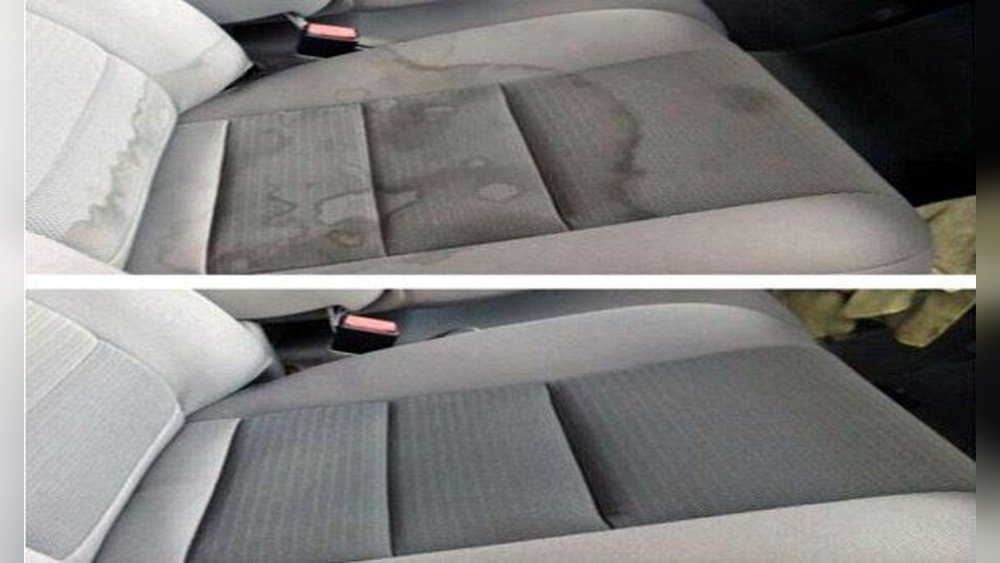
Stains on your car seats can be frustrating and embarrassing. Whether it’s from spilled coffee, food, or dirt, those marks don’t just look bad—they can also cause lasting damage if not cleaned properly.
You might be wondering how to get rid of those stubborn stains without ruining your seats. The good news is, you don’t need expensive products or a professional cleaner to make your car seats look like new again. You’ll discover simple, effective steps to clean your stained car seats quickly and safely.
Keep reading, and you’ll learn how to protect your investment and enjoy a fresh, spotless ride every time.
Identify Seat Material
Cleaning stained car seats starts with knowing the seat material. Different materials need different care. Using the wrong cleaner can cause damage. Identifying the material helps you choose the best cleaning method. Here is how to recognize common car seat materials.
Leather Seats
Leather seats have a smooth, soft surface. They feel cool and a bit shiny. Leather cracks or peels if cleaned with harsh chemicals. Use a special leather cleaner and conditioner. Avoid soaking leather, as water can cause damage.
Fabric Seats
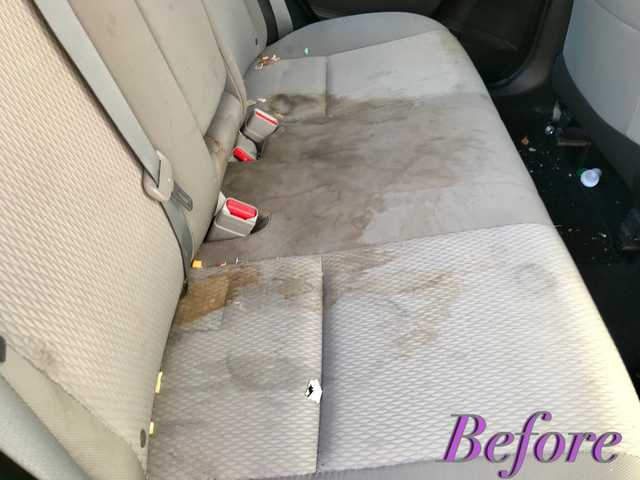
Fabric seats have a cloth surface with a textured feel. They absorb spills quickly and stain easily. Cleaning fabric needs mild soap and water or a fabric cleaner. Avoid too much water, which can soak inside and cause mold.
Vinyl Seats
Vinyl seats look like leather but feel firmer and less soft. They often have a shiny or matte finish. Vinyl is water-resistant and easy to wipe clean. Use a gentle vinyl cleaner or soap with water. Avoid strong chemicals that can crack or fade vinyl.
Credit: www.drivebydetail.net
Gather Cleaning Supplies
Before cleaning stained car seats, gather all necessary supplies. Having the right materials helps you clean faster and better. It avoids damage and saves time. Prepare cleaning agents and tools carefully to handle different stains and seat types.
Cleaning Agents
Choose cleaning agents based on your seat material. For fabric seats, mild detergent or upholstery cleaner works well. Avoid harsh chemicals that can fade colors or damage fabric. For leather seats, use special leather cleaner or a mix of mild soap and water. Spot cleaners help with tough stains like oil or ink. Always test cleaners on a small hidden area first.
Tools And Accessories
Gather soft brushes and microfiber cloths for gentle scrubbing and wiping. A vacuum cleaner helps remove loose dirt before cleaning. Spray bottles make applying cleaning solutions easier. Use a bucket for water or cleaning mixtures. Old towels or sponges absorb excess moisture and dirt. Have gloves to protect your hands from cleaners. Proper tools make cleaning safer and more effective.
Pre-treat Stains
Pre-treating stains is the first step to cleaning car seats effectively. It helps break down the dirt and makes cleaning easier. Treating stains early prevents them from setting deep into the fabric or leather. This step saves time and effort during the main cleaning process.
Common Stain Types
Car seats can get many types of stains. Food and drink spills like coffee, soda, and ketchup are frequent. Oil and grease stains come from snacks or car maintenance. Mud and dirt stains appear after outdoor trips. Each stain type needs a different treatment for best results.
Spot Cleaning Techniques
Start by blotting fresh stains gently with a clean cloth. Avoid rubbing, which can spread the stain. Use a mild cleaner suitable for your seat’s material. Apply the cleaner directly on the stain and let it sit for a few minutes. Use a soft brush or cloth to lift the stain softly. Rinse the area with a damp cloth and dry it well. Repeat if the stain remains but avoid soaking the seat.

Credit: www.veishop.com
Clean Leather Seats
Leather seats add style and comfort to your car. They need special care to stay clean and soft. Stains can damage leather if not treated carefully. Cleaning leather seats properly keeps them looking new and lasts longer.
Use gentle products made for leather. Avoid harsh chemicals that can dry or crack the material. Follow simple steps to remove stains and protect the leather surface.
Use Leather Cleaner
Start by choosing a leather cleaner. Pick one designed for car seats. Spray or apply it on a soft cloth, not directly on the seat. Gently rub the stained area in small circles. This lifts dirt and oils without hurting the leather.
Use a clean cloth to wipe away the cleaner. Repeat if the stain is strong. Let the seat dry naturally. Avoid sunlight or heat, which can make leather stiff.
Condition After Cleaning
Leather can dry out after cleaning. Apply a leather conditioner to keep it soft. Use a small amount on a clean cloth. Rub it evenly on the seat’s surface.
Conditioning restores moisture and prevents cracks. Let the conditioner soak in for several hours. Wipe off any extra with a dry cloth. This step keeps your leather seats smooth and fresh.
Clean Fabric Seats
Fabric car seats can get dirty and stained easily. Cleaning them well keeps your car fresh and comfortable. Follow simple steps to remove stains and maintain the fabric’s look.
Start by removing loose dirt and dust. Then treat the stains with the right cleaner. Finally, rinse and dry the fabric to avoid damage and bad smell.
Vacuum Thoroughly
Use a vacuum cleaner to remove dust and crumbs. Pay close attention to seams and crevices. This stops dirt from spreading when you clean the stains. Vacuuming first also helps the cleaner work better.
Use Fabric Cleaner
Choose a cleaner made for fabric seats. Spray it lightly on the stained area. Let it sit for a few minutes to break down dirt. Use a soft brush to scrub gently. Avoid soaking the seat with too much liquid.
Rinse And Dry
Use a clean, damp cloth to wipe off the cleaner. Remove all soap to prevent residue. Open car doors or windows to air dry the seats. Avoid direct sunlight to stop fading. Drying well keeps the fabric fresh and odor-free.

Credit: www.youtube.com
Clean Vinyl Seats
Vinyl seats need gentle care to stay clean and last longer. Stains can make vinyl look old and worn. Cleaning vinyl seats properly keeps your car interior fresh and neat. Use simple tools and mild products for the best results.
Follow these tips to clean vinyl seats safely without damage.
Mild Soap Solution
Mix warm water with a few drops of mild dish soap. Dip a soft cloth into the solution and wring it out well. Gently wipe the vinyl seat surface to remove dirt and stains. Avoid soaking the seat with too much water. Rinse the cloth often and keep cleaning in small sections.
After cleaning, use a dry cloth to wipe the seat dry. This stops water marks and keeps the vinyl smooth.
Avoid Harsh Chemicals
Strong chemicals can ruin vinyl seats. Stay away from bleach, ammonia, or strong cleaners. These products cause fading, cracking, and stiffness in the vinyl. Avoid scrubbing hard with brushes or abrasive tools. They can scratch the seat surface.
Use products made for vinyl or mild soap solutions only. This keeps your seats looking new and protects the material from damage.
Drying And Maintenance
Drying and maintaining your car seats after cleaning is very important. Proper drying stops mold and bad smells from forming. Good maintenance keeps your seats looking fresh and clean for a long time.
Proper Drying Methods
After cleaning, dry your car seats quickly and well. Open the car doors or windows to let fresh air inside. Use a fan or a portable dryer on low heat to speed up drying. Avoid direct sunlight, as it can fade seat colors. Make sure seats are completely dry before using the car again. Damp seats can cause mold and stains to come back.
Regular Seat Care Tips
Clean your car seats often to stop dirt buildup. Use a soft brush or vacuum cleaner to remove dust. Wipe spills immediately with a clean cloth to avoid stains. Avoid eating or drinking inside the car to keep seats clean longer. Use seat covers to protect seats from damage and stains. Regular care saves time and money on deep cleaning.
Frequently Asked Questions
How Do I Remove Stains From Fabric Car Seats?
Blot the stain gently with a clean cloth. Use a mild fabric cleaner or a mixture of water and vinegar. Avoid soaking the seat. Rinse with a damp cloth and air dry. Repeat if necessary for stubborn stains.
Can I Use Household Products To Clean Leather Car Seats?
Yes, mild soap and water or a vinegar-water mix work well. Avoid harsh chemicals that damage leather. Apply with a soft cloth and wipe gently. Condition the leather afterward to keep it supple and prevent cracking.
What Is The Best Way To Clean Car Seats Without A Machine?
Vacuum first to remove loose dirt. Use a soft brush and a suitable cleaner for the seat material. Spot clean stains with a damp cloth and mild detergent. Allow seats to air dry completely before use.
How Often Should Car Seats Be Cleaned To Avoid Stains?
Clean car seats every 3 to 6 months for optimal care. Wipe spills immediately to prevent stains. Regular cleaning maintains appearance and prolongs seat life. More frequent cleaning is needed for heavy use or children.
Conclusion
Cleaning stained car seats does not have to be hard. Use simple tools and gentle cleaners for best results. Act quickly to stop stains from setting in. Regular cleaning keeps your seats looking fresh and new. A clean car seat makes every ride more comfortable.
Try these easy steps and see the difference yourself. Your car deserves this little care and attention. Keep your car seats clean and enjoy every trip.
