
Your car seats got wet, and now you’re worried about stains, odors, or even mold. It’s frustrating, isn’t it?
But don’t panic—cleaning wet car seats is easier than you think. With the right steps, you can restore your seats to their clean, fresh state quickly. Keep reading to discover simple, effective tips that will save your car’s interior and your peace of mind.
You’ll feel confident handling this mess on your own, starting right now.
Credit: www.reddit.com
Assess The Damage
Before cleaning wet car seats, it is important to assess the damage carefully. This step helps you decide the best way to dry and clean the seats. You can prevent mold and bad smells by acting fast and correctly.
Start by understanding what type of seat material you are dealing with. Then, find out which parts are wet and how much water they hold. This will guide your cleaning process and help you save time.
Check The Seat Material
Look closely at the car seat fabric. Common materials include leather, cloth, vinyl, and suede. Each material reacts differently to water and cleaning methods. Leather needs gentle cleaning to avoid cracks. Cloth seats soak up water quickly and may need deep drying. Vinyl is easier to wipe but can trap moisture underneath. Knowing the material helps you choose the right cleaning tools and products.
Identify The Wet Areas
Touch the seat to find damp spots. Check seams and under cushions too. Water can hide in small crevices. Use a dry cloth to blot wet areas gently. Mark or note the wet zones to focus your drying efforts. The larger the wet area, the more urgent the drying process. This prevents mold and keeps your car smelling fresh.
Gather Cleaning Supplies
Gathering the right cleaning supplies is the first step to clean wet car seats effectively. Having everything ready saves time and ensures a smooth cleaning process. Knowing what to use helps avoid damage to your car seats.
Essential Tools
Start with basic tools like clean towels or microfiber cloths. These help absorb moisture and dirt without scratching surfaces. A soft-bristle brush works well for scrubbing gently. A wet-dry vacuum can remove excess water quickly. A spray bottle is handy for applying cleaning solutions evenly. Gloves protect your hands from harsh chemicals.
Recommended Cleaning Products
Choose a gentle upholstery cleaner safe for your car seat material. Mild dish soap mixed with water can be a good option. Avoid bleach or strong detergents that might fade colors. Fabric or leather conditioner helps restore softness after cleaning. Always test products on a small hidden area first. This prevents unexpected damage or discoloration.
Remove Excess Moisture
Removing excess moisture from wet car seats is the first step to prevent damage. Wet seats can cause bad smells and mold. Act quickly to stop water from soaking deeper. Use simple tools and methods to draw out water. This keeps your car fresh and safe to use.
Blotting Techniques
Start by blotting the wet area with a clean cloth. Use a towel or microfiber cloth for best results. Press down gently to soak up water. Avoid rubbing, as it spreads moisture and dirt. Change the cloth often to absorb more water. Keep blotting until the cloth feels dry.
Using A Wet-dry Vacuum
A wet-dry vacuum helps remove water trapped in seats. Turn the vacuum to liquid mode before use. Hold the nozzle close to the wet spot. Move slowly to pull out water and moisture. Repeat several times for deep cleaning. This tool speeds up drying and stops mold growth.

Credit: www.youtube.com
Dry The Seats Quickly
Drying car seats quickly is very important after they get wet. Wet seats can cause bad smells and mold growth. Fast drying helps keep your car clean and fresh. It also stops stains from setting into the fabric. Use the right methods to speed up drying without damaging the seats.
Air Drying Tips
Open all car doors and windows to let air flow inside. This helps moisture escape faster. Park your car in a sunny, dry spot if possible. Sunlight helps dry seats and kills some bacteria. Avoid sitting on wet seats to prevent new stains. Use towels to blot wet areas before air drying. Change towels often to absorb more water.
Using Fans And Dehumidifiers
Place a fan inside the car to blow air over the seats. This moves moisture away faster than air alone. Use a dehumidifier to remove water from the air inside the car. It helps reduce dampness and speeds up drying. Keep the fan and dehumidifier running for several hours. Check the seats regularly to see if they dry completely.
Clean And Deodorize
Cleaning and deodorizing wet car seats is important to keep your car fresh and comfortable. Wet seats can cause stains and bad smells. Quick action helps stop damage and keeps your car looking good. Follow simple steps to clean and remove odors effectively.
Spot Cleaning Stains
Start by blotting wet spots with a clean cloth. Avoid rubbing, as it spreads stains. Mix mild soap with warm water for cleaning. Use a soft brush or cloth to gently scrub stained areas. Rinse with a damp cloth to remove soap. Let the seat air dry completely to prevent mold growth.
Eliminating Odors
Sprinkle baking soda over the damp seat. Baking soda absorbs moisture and neutralizes smells. Leave it for several hours or overnight. Vacuum the baking soda thoroughly afterward. For stronger odors, use a fabric-safe deodorizer spray. Allow fresh air inside the car to help remove lingering smells.
Prevent Mold And Mildew
Wet car seats create a perfect place for mold and mildew. These fungi grow fast in damp, warm spaces. They cause bad smell and damage to your car seats. Stopping mold early keeps your car fresh and safe.
Signs Of Mold Growth
Look for small black or green spots on the seat. A musty or sour smell also means mold is present. The fabric may feel damp or slimy. Sometimes, discoloration or stains appear. Catch these signs early to avoid bigger problems.
Preventive Measures
Dry the seats quickly after they get wet. Use towels to soak up water first. Leave windows open to air out the car. Use a fan or dehumidifier for faster drying. Clean seats with mild soap and water regularly. Avoid leaving wet items inside the car. Check your car often for any moisture or leaks.
Protect Seats After Cleaning
Protecting car seats after cleaning keeps them fresh and safe from future damage. Clean seats can dry out or stain again without proper care. Applying protectants and doing regular maintenance can extend the life of your seats. This helps maintain your car’s value and comfort.
Applying Seat Protectants
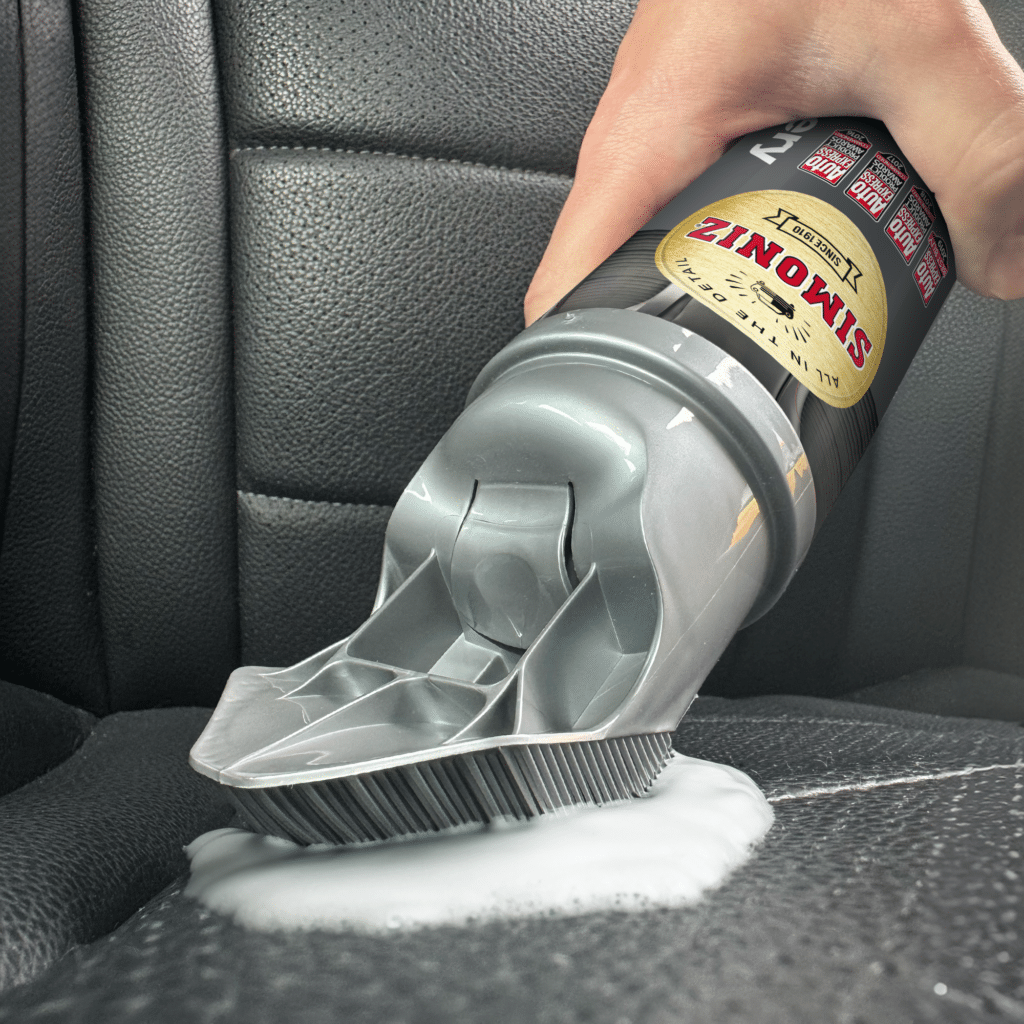
Seat protectants create a barrier against dirt and moisture. Use products made for your seat material, like leather or fabric. Spray or wipe the protectant evenly on the surface. Let it dry fully before using the seat again. This step stops water from soaking in and reduces stains.
Leather protectants keep the seats soft and prevent cracks. Fabric protectants repel spills and make cleaning easier. Repeat this process every few months for the best results.
Regular Maintenance Tips
Check your seats often for dirt or spills. Clean small spots quickly to avoid stains. Vacuum seats regularly to remove dust and crumbs. Use a soft brush to keep fabric seats fresh. Keep the car interior dry by airing out the vehicle.
Use seat covers if possible to protect from wear and tear. Avoid eating or drinking in the car to reduce spills. These simple steps save time and keep seats looking new longer.
Credit: www.simoniz.uk
Frequently Asked Questions
How Do I Dry Wet Car Seats Quickly?
Use a wet/dry vacuum to remove excess water. Then, use fans or a hairdryer on low heat. Open car doors for airflow. Avoid direct sunlight to prevent fading and damage.
What Cleaning Products Work Best On Wet Car Seats?
Mild soap or upholstery cleaner works well. Avoid harsh chemicals that can damage fabric. Test any product on a small area first. Use a soft brush to gently scrub the seats.
Can I Prevent Mold On Wet Car Seats?
Yes, dry seats promptly and thoroughly. Use a dehumidifier or air purifier inside the car. Clean and disinfect seats regularly. Mold thrives in damp, dark environments, so ventilation is key.
Is It Safe To Use A Steam Cleaner On Wet Seats?
Steam cleaners can sanitize and lift stains. Ensure seats are not overly soaked to avoid damage. Use low steam settings to protect upholstery. Always check manufacturer guidelines before use.
Conclusion
Cleaning wet car seats can save your car’s interior and keep it fresh. Act quickly to remove moisture and avoid stains. Use gentle cleaning tools and mild cleaners for the best results. Dry the seats completely to stop mold and bad smells.
Regular care helps your car stay comfortable and neat. Small efforts make a big difference in seat care. Keep these tips handy for any future spills or wet seats. Your car will look and feel better every time you clean it properly.
