
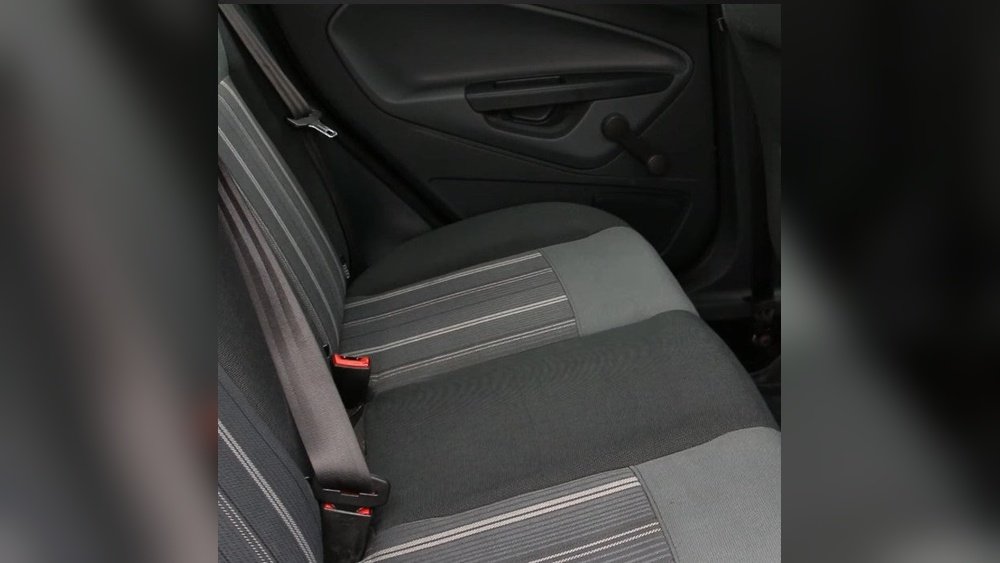
Are your car seats looking tired, stained, or just plain dirty? Cleaning them might seem like a tough job, but it doesn’t have to be.
You spend a lot of time in your car, so keeping your seats fresh and spotless can make every drive more comfortable and enjoyable. In this guide, you’ll discover simple, effective ways to clean your car seats right here in the UK.
Whether you have fabric, leather, or vinyl seats, you’ll learn easy tips that save you time and money. Keep reading to find out how to bring your car seats back to life—quickly and effortlessly.

Credit: crowncleaners.org.uk
Types Of Car Seats
Car seats come in different materials. Each type needs a special cleaning method. Knowing your car seat type helps keep it clean and fresh. Let’s explore the common types of car seats found in the UK.
Fabric Seats
Fabric seats are soft and comfortable. They can attract dust, dirt, and stains easily. Cleaning fabric seats requires gentle care. Use a vacuum to remove loose dirt first. Then, a mild cleaner can help remove stains. Avoid soaking the fabric to prevent damage.
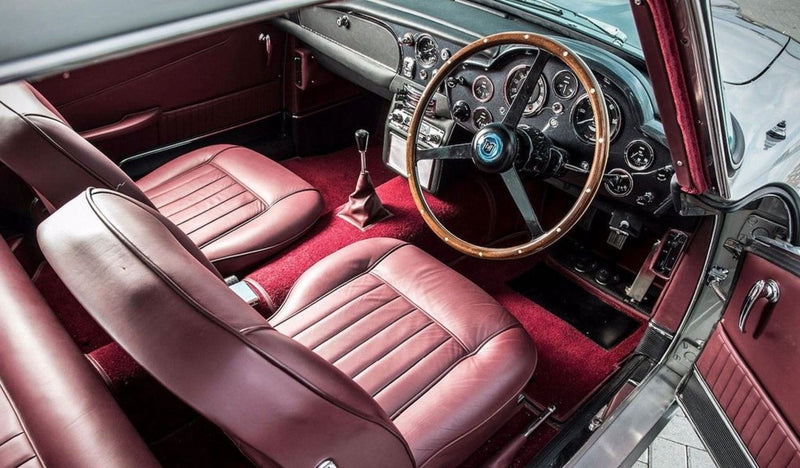
Leather Seats
Leather seats look stylish and feel smooth. They need special cleaning products to keep the leather soft. Harsh cleaners can dry out or crack the leather. Use a leather cleaner and conditioner regularly. This helps protect seats from wear and tear.
Vinyl Seats
Vinyl seats are popular for their durability. They resist water and stains better than fabric. Cleaning vinyl is easy with soap and water. Avoid strong chemicals that can damage the surface. Wipe the seats with a soft cloth to keep them shiny.
Essential Cleaning Tools
Cleaning car seats requires the right tools. These tools help remove dirt, stains, and smells effectively. Using proper equipment saves time and effort. It also protects the seat fabric or leather from damage. Below are essential cleaning tools to keep your car seats fresh and clean.
Cleaning Solutions
Choose a cleaning solution made for car seats. Fabric seats need a gentle cleaner. Leather seats require a special leather cleaner or conditioner. Avoid harsh chemicals that can cause fading or cracking. Test the cleaner on a small seat area first. This prevents unwanted damage.
Brushes And Cloths
Use soft brushes to scrub dirt from fabric seats. A brush with nylon bristles works well. For leather, use a soft cloth or sponge. Microfiber cloths are excellent for wiping and drying. They trap dust and do not scratch surfaces. Clean cloths help remove cleaner residue thoroughly.
Vacuum Cleaners
A vacuum cleaner removes dust, crumbs, and debris. Use one with strong suction and various attachments. A crevice tool helps reach tight spaces between seats. Vacuum before cleaning to avoid spreading dirt. Regular vacuuming keeps seats looking new longer.
Preparing Your Car Seats
Preparing your car seats properly makes cleaning easier and more effective. This step helps remove dirt and protects your seat fabric from damage. Taking time at the start can save effort later and keep your seats looking fresh.
Removing Loose Debris
Start by removing all loose dirt and crumbs from your car seats. Use a vacuum cleaner with a brush attachment for best results. Pay special attention to seams and crevices where debris collects. A clean surface helps cleaners work better and prevents spreading dirt.
Spot Testing Cleaners
Before using any cleaner, test it on a small hidden area of the seat. This check prevents colour fading or fabric damage. Apply a small amount and wait a few minutes to see any reaction. Spot testing ensures your chosen cleaner is safe to use on your seats.
Cleaning Fabric Seats
Cleaning fabric car seats keeps your vehicle fresh and tidy. Dirt, crumbs, and spills build up quickly. Regular cleaning helps stop stains and bad smells. Fabric seats need gentle care to avoid damage. Follow easy steps to clean fabric seats well.
Vacuuming Thoroughly
Start by vacuuming your seats carefully. Use a vacuum with a brush attachment. Remove dust, dirt, and loose debris from all corners. Pay special attention to seams and crevices. This step prepares the fabric for deep cleaning.
Applying Cleaning Solution
Choose a mild fabric cleaner or make a homemade mix. Test the solution on a small hidden area first. Spray lightly over stained or dirty spots. Avoid soaking the fabric. Let the cleaner sit for a few minutes to work.
Scrubbing And Blotting
Use a soft brush or cloth to scrub gently. Work in small circular motions on stains. Do not rub hard to prevent fabric damage. Blot the area with a clean towel to absorb dirt and moisture. Repeat if stains remain but avoid over-wetting.
Drying Tips
Allow the seats to air dry naturally. Open car windows or doors for better airflow. Avoid using heat sources like hairdryers, which can harm fabric. Drying completely prevents mold and bad odors. Wait until seats feel dry before use.
Cleaning Leather Seats
Leather seats in cars add style and comfort. They need special care to stay clean and soft. Dirt, sweat, and spills can damage leather over time. Cleaning leather seats regularly helps keep their look and feel fresh. Use gentle methods to avoid cracks and fading.
Wiping With Damp Cloth
Start by wiping the seats with a soft, damp cloth. Use clean water only. This removes loose dirt and dust. Avoid soaking the leather. Wring the cloth well before wiping. Gently clean all areas, including seams and crevices. Let the seats dry naturally after wiping.
Using Leather Cleaner
Choose a cleaner made for leather seats. Test it on a small hidden spot first. Apply the cleaner with a soft cloth or sponge. Rub gently in small circles. This lifts dirt and stains without harming the leather. Follow the product instructions carefully. Wipe off any excess cleaner with a dry cloth.
Conditioning Leather
Leather can dry out and crack without moisture. Use a leather conditioner after cleaning. Apply a small amount to a cloth. Rub it evenly over the seats. Let the conditioner soak in for about 15 minutes. Buff the seats with a dry cloth to remove extra product. Conditioning keeps leather soft and extends its life.
Credit: dirtbusters.co.uk
Cleaning Vinyl Seats
Vinyl seats in cars need special care to stay clean and last longer. Dirt and sweat can make them look old and worn out. Cleaning vinyl is easy with the right steps. It keeps the seats smooth and fresh. Regular cleaning stops damage and keeps your car’s interior nice.
Mild Soap Solutions
Use a mild soap mixed with warm water to clean vinyl seats. Harsh cleaners can harm the surface. Dip a soft cloth in the soap solution. Wring out the cloth to avoid soaking the vinyl. Wipe the seats gently to remove dirt and stains. This method cleans well without causing damage.
Scrubbing Gently
For tough stains, use a soft brush or sponge. Avoid hard scrubbing that can scratch or tear the vinyl. Move the brush in small circles to lift dirt safely. Rinse the area with a clean damp cloth after scrubbing. This removes soap residue and keeps seats looking bright.
Preventing Cracks
Vinyl can crack if it dries out or gets too hot. Protect seats by cleaning regularly to remove dirt and oils. Use a vinyl conditioner or protectant after cleaning. This keeps the material soft and flexible. Park your car in the shade to avoid direct sunlight. These steps help vinyl seats stay smooth and crack-free for years.
Dealing With Tough Stains
Tough stains on car seats can ruin the look of your interior. These spots need special care to remove them properly. Using the right methods helps keep your seats clean and fresh. Here are some tips for dealing with common tough stains.
Grease And Oil Stains
Grease and oil leave dark, sticky marks on seats. Start by blotting the stain with a paper towel. Avoid rubbing, as it spreads the stain. Use a small amount of dish soap mixed with warm water. Gently scrub the area with a soft brush. Rinse with a clean cloth dipped in water. Repeat until the stain fades. Allow the seat to dry naturally.
Ink And Dye Removal
Ink stains can be tricky and spread easily. Dab a cotton ball with rubbing alcohol or hand sanitizer. Test on a hidden seat area first. Lightly press the stain without rubbing. Change the cotton ball often to avoid smearing. After the ink lifts, clean the spot with mild soap and water. Dry the seat with a clean towel.
Pet Stains
Pet stains often cause odors and discoloration. Blot the wet stain immediately with paper towels. Use a mixture of white vinegar and water to neutralize smells. Spray the solution on the stain and let it sit for 10 minutes. Blot again to remove moisture. For tough stains, use an enzyme cleaner designed for pets. Finish by wiping the seat with a damp cloth.
Maintaining Clean Seats
Maintaining clean car seats helps keep your vehicle fresh and comfortable. Dirt and spills can make seats look old and worn. Regular care stops stains from setting and keeps your car inviting. Simple steps protect your seats and save time on deep cleaning later.
Regular Vacuuming
Vacuum your car seats often to remove dust and crumbs. Use a soft brush attachment to avoid damage. Focus on seams and crevices where dirt hides. This prevents build-up that can cause stains and bad smells.
Quick Spot Cleaning
Clean spills immediately with a damp cloth or upholstery cleaner. Blot gently, do not rub, to avoid spreading stains. Act fast on stains like coffee or food to stop permanent marks. Keep a small cleaning kit in your car for quick access.
Protective Covers
Use seat covers to shield fabric from dirt and spills. Choose covers that fit well and are easy to remove. Wash covers regularly to keep them fresh and clean. Covers help keep original seats safe and extend their life.
Eco-friendly Cleaning Options
Eco-friendly cleaning options protect your car seats and the planet. These methods use safe, natural products without harsh chemicals. They help keep your car fresh and clean while reducing waste and pollution.
Using eco-friendly cleaners also avoids strong smells. This is better for your health and the environment. It’s simple to make or find natural cleaning solutions that work well on car seats.
Natural Cleaning Ingredients
Baking soda removes odors and lifts dirt gently. White vinegar cuts grease and kills bacteria naturally. Lemon juice brightens fabric and adds a fresh scent. Castile soap cleans without harsh chemicals. These ingredients are safe and easy to find in UK stores.
Diy Cleaning Recipes
Mix one cup of warm water with half a cup of white vinegar. Add a teaspoon of castile soap for extra cleaning power. Spray lightly on car seats and wipe with a clean cloth.
Combine two tablespoons of baking soda with a cup of water to form a paste. Apply to stains, let sit for 15 minutes, then scrub gently and wipe off.
Credit: dirtbusters.co.uk
Frequently Asked Questions
How Often Should I Clean Car Seats In The Uk?
Clean car seats every 3 to 6 months to maintain hygiene. Regular cleaning prevents stains, odors, and wear. It keeps your car interior fresh and extends seat life.
What Is The Best Cleaner For Fabric Car Seats?
Use a fabric cleaner designed for automotive seats. Look for products that remove stains without damaging fabric. Always test on a small area first to ensure safety.
Can I Use Household Products To Clean Car Seats?
Mild household items like vinegar and baking soda work well. Avoid harsh chemicals that can damage seat material. Always dilute and spot test before full application.
How Do I Remove Tough Stains From Car Seats?
Blot stains immediately with a clean cloth. Apply a specialised stain remover or a mix of water and mild detergent. Gently scrub, then rinse and dry thoroughly.
Conclusion
Cleaning car seats in the UK is simple with the right steps. Use gentle cleaners and soft brushes to protect fabric. Regular care keeps seats fresh and extends their life. Small stains don’t need harsh chemicals. Dry seats fully to avoid bad smells.
A clean car seat makes every drive more pleasant. Try these tips and see the difference today.
