
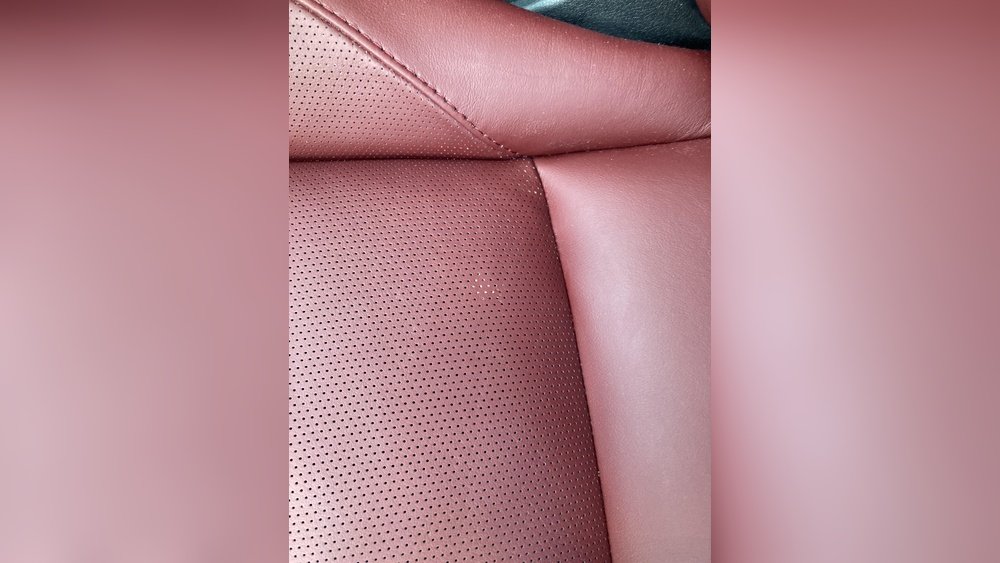
Do your car seats have tiny holes that make cleaning tricky? You’re not alone.
Those small openings can trap dirt, dust, and spills, making your seats look worn out and dirty. But don’t worry—cleaning them doesn’t have to be a headache. You’ll discover simple, effective ways to clean car seats with tiny holes without causing damage.
Keep reading, and you’ll learn how to restore your seats to their best look, making your car feel fresh and inviting again.

Credit: www.reddit.com
Choosing The Right Cleaner
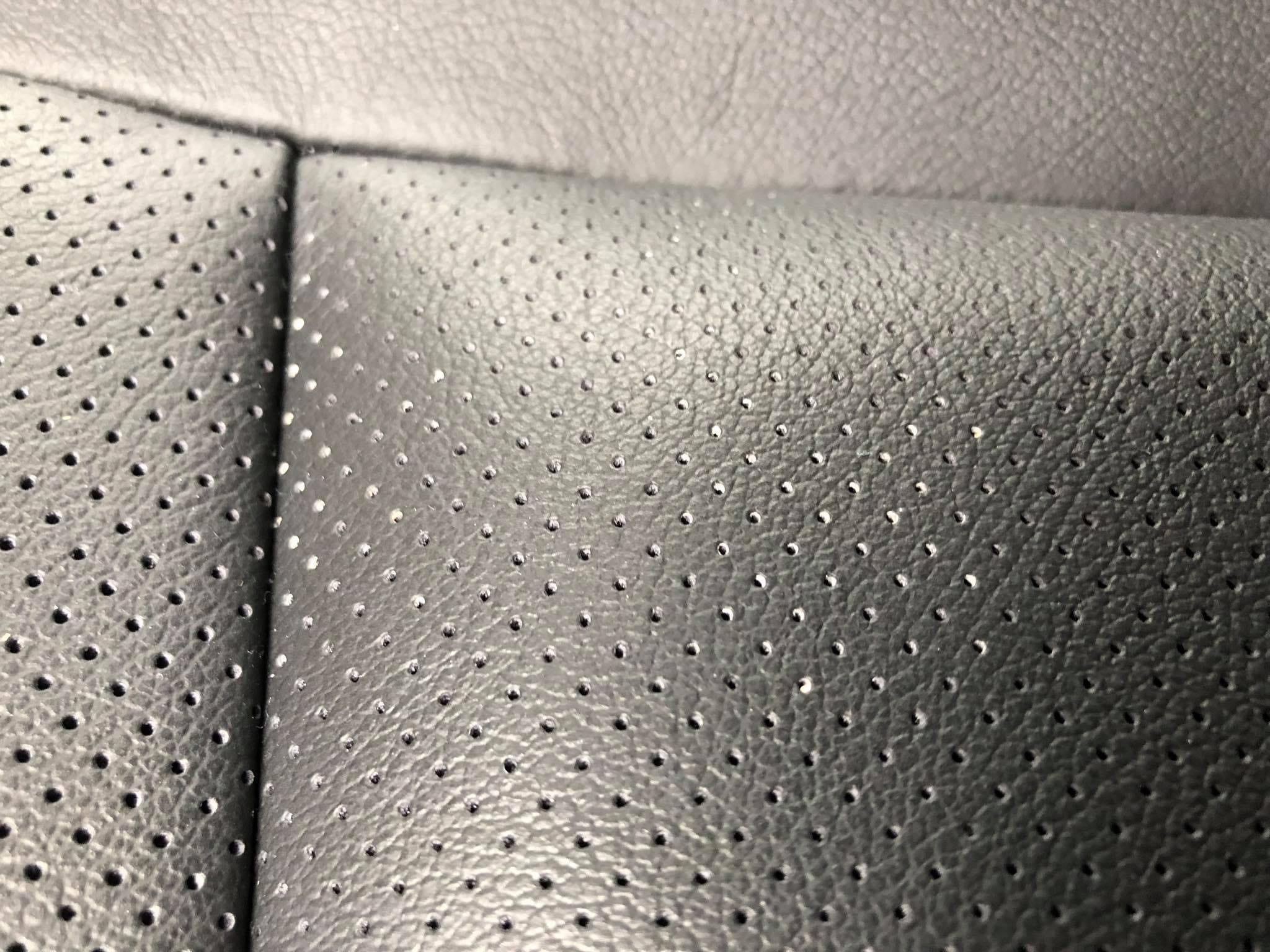
Choosing the right cleaner is key to cleaning car seats with tiny holes safely. These perforated seats need gentle care to avoid damage. The cleaner must remove dirt without harming the small holes or the seat material. Picking the wrong product can cause stains or weaken the seat fabric.
Safe Cleaners For Perforated Seats
Choose cleaners designed for delicate surfaces. Mild soap mixed with water works well. Look for pH-balanced cleaners that do not contain harsh chemicals. These keep the seat soft and prevent discoloration. Always test the cleaner on a small hidden spot first. This step helps avoid surprises like fading or fabric damage.
Avoiding Harsh Chemicals
Harsh chemicals can ruin perforated car seats quickly. Stay away from bleach, ammonia, and strong solvents. These dry out the leather or fabric and may cause cracking. Avoid thick cleaning gels that can clog the holes. Use light sprays or foam cleaners instead. Protect the tiny holes to keep your seats looking fresh longer.
Credit: www.leatherrepaircompany.com
Preparing The Seats
Preparing car seats with tiny holes requires careful steps. Proper preparation helps protect the fabric. It also improves cleaning results. Taking time to prepare prevents damage and keeps seats looking good.
Vacuuming Dust And Debris
Start by vacuuming the seats thoroughly. Use a vacuum with a soft brush attachment. This removes dust and loose dirt from the tiny holes. Clean the seams and folds carefully. Avoid pressing too hard to protect the fabric. Removing debris first stops dirt from spreading during cleaning.
Spot Testing Cleaners
Test any cleaner on a small hidden area first. This helps check for color fading or fabric damage. Apply a small amount and wait a few minutes. Look for any changes before cleaning the whole seat. Spot testing ensures the cleaner is safe for your seats.
Cleaning Techniques
Cleaning car seats with tiny holes requires special care. Dirt and stains can get trapped in those small spaces. Using the right techniques helps keep the seats clean without damage. Here are some effective cleaning methods to try.
Gentle Wiping Methods
Use a soft, damp cloth to wipe the seats gently. Avoid harsh scrubbing that may enlarge the holes. Light wiping removes surface dirt and dust. For stains, dampen the cloth with mild soap and water. Always test a small area first to avoid discoloration.
Using Soft Brushes
A soft-bristled brush helps clean inside the tiny holes. Brush gently in a circular motion. This loosens dirt stuck deep in the fabric. Avoid stiff brushes that can tear the material. After brushing, wipe the area with a clean cloth to remove loosened dirt.
Steam Cleaning Options
Steam cleaning is safe for delicate car seats. The hot steam loosens dirt without soaking the fabric. It also kills bacteria and removes odors. Use a handheld steam cleaner for better control. Keep the steam moving to avoid wet spots. Let the seats dry fully before using the car.

Credit: www.youtube.com
Drying And Protecting
Drying and protecting car seats with tiny holes is important. Proper drying stops mold and mildew. Protecting keeps the seats looking good and lasting longer. Follow these steps to care for your car seats after cleaning.
Air Drying Tips
Start by letting the seats air dry naturally. Open all car doors and windows. This helps fresh air flow inside. Avoid direct sunlight; it can fade the fabric. Use a fan to speed up drying. Pat the seats gently with a dry towel to remove excess moisture. Do not use a hairdryer or heat gun. Heat can damage the fabric and worsen the holes.
Applying Seat Protectants
After the seats are dry, apply a seat protectant spray. Choose one made for your seat material. Test on a small hidden area first. Spray evenly and lightly. Protectants help repel stains and spills. They also reduce wear and tear on tiny holes. Reapply the protectant every few months to keep seats safe. This step keeps your car seats clean and fresh longer.
Maintaining Clean Seats
Keeping car seats with tiny holes clean takes care and attention. Dirt and dust can get trapped easily. This may cause stains and wear over time. A good cleaning routine helps keep seats fresh and looking new. It also protects the fabric and prevents damage.
Simple habits make a big difference. Clean seats add comfort and improve your car’s look. Small steps help keep your seats neat every day.
Regular Cleaning Schedule
Set a cleaning schedule to keep seats in good shape. Vacuum seats once a week to remove dust and crumbs. Use a soft brush for tiny holes to pull out dirt gently. Wipe seats with a damp cloth to clear surface grime. Avoid harsh cleaners that can damage fabric or holes. Consistent care stops dirt from building up.
Handling Spills Quickly
Spills need fast action to prevent stains. Blot spills immediately with a clean cloth or paper towel. Do not rub, as this pushes liquid deeper into holes. Use mild soap and water for spot cleaning if needed. Dry the area well to stop mold and odors. Quick care keeps seats clean and fresh longer.
Frequently Asked Questions
How Do I Clean Car Seats With Tiny Holes?
Use a gentle vacuum and soft brush to remove dirt. Apply a mild cleaner with a microfiber cloth. Avoid soaking the fabric to prevent damage to the holes. Let the seats air dry completely.
What Cleaning Products Work Best For Perforated Car Seats?
Choose pH-balanced, leather or fabric cleaners suitable for perforated materials. Avoid harsh chemicals or bleach. Test a small area first to ensure no discoloration or damage occurs.
Can I Use Water To Clean Perforated Car Seats?
Yes, but use water sparingly. Excess moisture can seep through holes and damage seat foam. Use a damp cloth, not soaking wet, and dry the area promptly.
How Often Should I Clean Car Seats With Tiny Holes?
Clean perforated seats every 1-2 months to prevent buildup. Regular maintenance keeps holes clear and the seat material in good condition. Avoid waiting until heavy stains appear.
Conclusion
Cleaning car seats with tiny holes takes patience and care. Use gentle cleaners to avoid damage. Always test products on a small spot first. Soft brushes help reach dirt without harming fabric. Dry seats fully to stop mold growth. Regular cleaning keeps seats fresh and lasts longer.
Small holes need extra attention but stay manageable. Follow these tips for a clean, neat car interior. Your car will look better and feel more comfortable. Simple steps make a big difference in seat care.
