
Your car’s upholstery is more than just a seat—it’s where comfort meets style every time you drive. But dirt, spills, and stains can quickly take away that fresh look and feel.
What if you could restore your car’s interior yourself, without spending a fortune or waiting for a professional? In this guide, you’ll discover simple, effective DIY steps to clean your car upholstery and make it look like new again. Ready to bring back that fresh, inviting vibe to your ride?
Let’s get started!
Gathering Cleaning Supplies
Gathering the right cleaning supplies is the first step to clean car upholstery at home. Having the proper tools and cleaners makes the job easier and more effective. It also helps protect your car seats from damage. Prepare everything before starting to save time and avoid frustration.
Essential Tools
Start with basic tools that help reach all areas of your car seats. A soft brush removes dirt without harming the fabric. Microfiber cloths absorb moisture and clean surfaces gently. A vacuum cleaner with a nozzle attachment picks up dust and crumbs. A spray bottle helps apply cleaners evenly. These tools cover most cleaning needs for car upholstery.
Choosing The Right Cleaners
Select cleaners based on your upholstery type. Fabric seats need gentle, water-based cleaners. Leather requires special leather cleaner and conditioner. Avoid harsh chemicals that cause discoloration or damage. Test any cleaner on a small hidden area first. Use products labeled safe for car upholstery. Proper cleaners help remove stains and keep seats fresh.

Credit: frugalginger.com
Preparing The Car Interior
Preparing your car interior is the first step to clean upholstery well. A clean surface helps remove stains and dirt better. Before using any cleaning products, clear out loose debris and dust. This makes the cleaning process easier and more effective.
Removing Loose Dirt
Start by taking out trash and any big dirt pieces. Check under seats and in small corners. Use your hands or a soft brush to lift dirt gently. Removing loose dirt stops it from spreading during cleaning.
Vacuuming Seats And Floors
Use a vacuum cleaner with a brush attachment. Clean the seats carefully, reaching into creases and seams. Vacuum the floor mats and carpet thoroughly. This step removes dust and small particles that cause stains.
Spot Cleaning Stains
Spot cleaning stains on car upholstery saves time and keeps your car fresh. Stains can ruin the look and feel of your car seats. Acting fast helps stop stains from setting deeply. Use the right methods for different stain types. Clean carefully to avoid damaging the fabric. This section explains common stains and how to remove them effectively.
Common Stain Types
Food stains like ketchup, chocolate, and grease are common in cars. Drink spills such as coffee, soda, and juice leave marks. Mud and dirt stains come from outdoor activities. Ink stains occur from pens or markers. Oil and grease stains come from car repairs or snacks. Each stain has its own traits and needs a special cleaning approach.
Effective Stain Removal Techniques
Blot the stain gently with a clean cloth to absorb excess liquid. Avoid rubbing, which spreads the stain. Mix mild detergent with warm water for most stains. Use a soft brush to scrub lightly on tough spots. For ink stains, apply rubbing alcohol on a cotton swab carefully. For grease, sprinkle baking soda to absorb oil, then vacuum it. Always test any cleaner on a hidden spot first. Let the area dry completely after cleaning.
Deep Cleaning Upholstery
Deep cleaning car upholstery removes dirt, stains, and odors from fabric and leather seats. It refreshes the car’s interior and extends the life of the upholstery. This process goes beyond surface cleaning to reach embedded grime and tough stains.
Cleaning upholstery yourself saves money and lets you control the products used. It also gives your car a fresh, clean feel that lasts longer. Below are simple solutions and steps to deep clean your car seats effectively.
Diy Cleaning Solutions
Make a gentle cleaning solution with items found at home. Mix one cup of warm water with a few drops of dish soap. Add one tablespoon of white vinegar for extra cleaning power. For leather seats, use a mix of water and a small amount of mild soap only.
Use a spray bottle to apply the solution. This helps spread the cleaner evenly without soaking the fabric. Avoid harsh chemicals that can damage upholstery or cause fading.
Step-by-step Cleaning Process
Start by vacuuming the seats thoroughly. Remove loose dirt and crumbs from seams and crevices. Spray the DIY solution lightly on a small test area first. Check for color changes or damage before full cleaning.
Use a soft brush or cloth to scrub the upholstery gently. Work in small circles to lift dirt from fibers. For stains, apply a bit more cleaner and scrub carefully. Wipe excess moisture with a clean, dry towel.
Let the seats air dry completely with windows open. Avoid direct sunlight to prevent fading. Repeat the process if needed for very dirty areas. Your upholstery will look cleaner and smell fresher after this deep cleaning.
Drying And Finishing Touches
Drying and finishing touches are crucial to keep car upholstery clean and fresh. Proper drying stops mold and bad smells. It also helps the fabric stay strong and look new.
After cleaning, the upholstery must dry fully before use. Rushing this step can cause damage or stains to return. Taking time for careful drying ensures great results and a fresh car interior.
Air Drying Tips
Open all car doors or windows for good airflow. This helps moisture leave the fabric fast. Park the car in a shaded area to avoid direct sunlight. Sun can fade and weaken upholstery material.
Use fans inside the car to move air around. This speeds up drying without heat damage. Avoid using heaters or hair dryers on high heat. They can shrink or burn the fabric.
Check upholstery often during drying. Feel the fabric to find damp spots. Rotate or lift cushions to air all sides. Patience is key. Let the upholstery dry completely for best results.
Maintaining Freshness
After drying, keep upholstery smelling nice and clean. Sprinkle baking soda on seats and carpets. Let it sit 15 minutes, then vacuum well. Baking soda removes odors naturally.
Use fabric fresheners made for car interiors. Spray lightly for a pleasant scent. Avoid heavy perfumes that can irritate or stain.
Keep windows open slightly when parked. This prevents moisture build-up and stale air. Regularly clean upholstery to stop dirt and smells from returning.
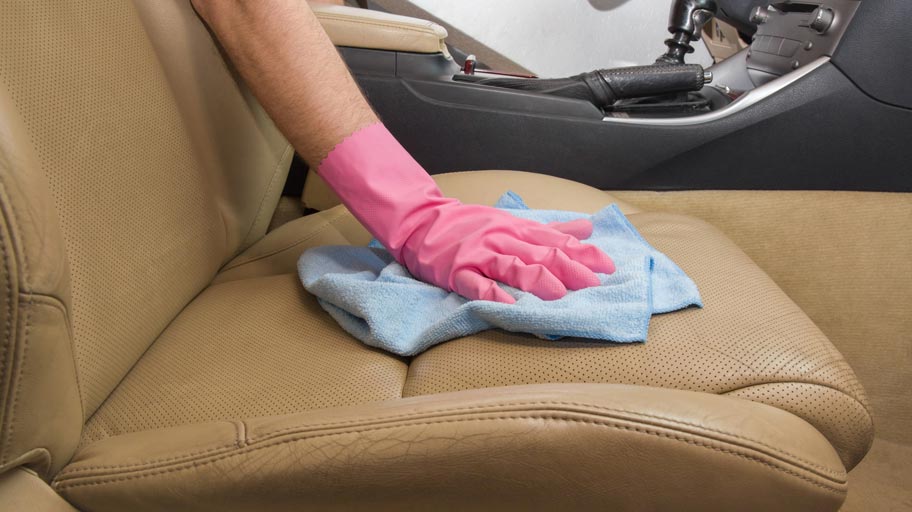
Credit: fantasticservicesgroup.com.au
Preventing Future Stains
Stopping stains before they start keeps car upholstery fresh longer. Small steps help avoid tough, permanent marks. Protecting fabric and cleaning often saves time and money. A clean car feels good and looks great.
Protective Measures
Use seat covers to guard against spills and dirt. Choose water-resistant or washable covers for easy care. Avoid eating or drinking in the car to reduce messes. Keep a small towel or cloth handy for quick cleanups. Treat upholstery with a fabric protector spray to repel stains.
Regular Maintenance Routine
Vacuum seats regularly to remove dust and crumbs. Wipe spills immediately with a clean cloth to stop stains. Clean upholstery gently with mild soap and water monthly. Check for spots and treat them as soon as possible. Maintaining your car upholstery keeps it looking fresh and new longer.

Credit: www.turtlewax.co.uk
Frequently Asked Questions
How Do I Clean Car Upholstery At Home?
Use a vacuum to remove loose dirt first. Mix mild soap with warm water. Apply the solution with a soft brush. Scrub gently and blot with a clean cloth. Allow the upholstery to air dry completely.
What Household Items Work For Cleaning Car Upholstery?
Mild dish soap, baking soda, and white vinegar are effective. Use a mix of soap and water for stains. Baking soda helps remove odors. Vinegar can lift tough stains when diluted properly.
How Often Should Car Upholstery Be Cleaned?
Clean your car upholstery every 3 to 6 months. Regular cleaning prevents stains and bad odors. Spot clean spills immediately to avoid permanent marks. Frequent maintenance keeps the interior fresh and extends fabric life.
Can I Use A Steam Cleaner On Car Seats?
Yes, steam cleaners work well on fabric upholstery. They kill bacteria and lift dirt without harsh chemicals. Avoid using steam on leather seats as it can cause damage. Always follow your car manufacturer’s cleaning recommendations.
Conclusion
Cleaning car upholstery yourself saves money and time. Use simple tools and gentle cleaners for best results. Act quickly on stains to prevent damage. Regular cleaning keeps your car fresh and comfortable. Enjoy a cleaner ride with these easy steps.
You can do it with patience and care. Your car will look neat and inviting again. Try these tips to keep upholstery spotless. Small efforts make a big difference in car upkeep.
