
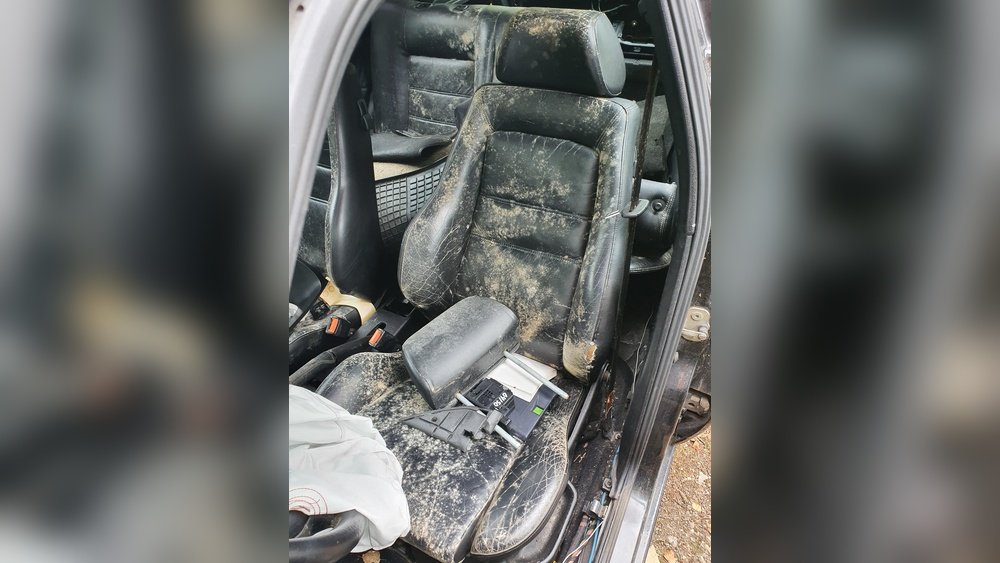
Mold on your leather car seats isn’t just ugly—it can damage your seats and affect your health. If you’ve noticed those stubborn spots creeping in, you’re probably wondering how to get rid of them safely without ruining your leather.
The good news? You don’t have to spend a fortune or call a professional. You’ll discover simple, effective steps to clean mold off your leather car seats and keep them looking fresh. Keep reading, and take control of your car’s interior before the problem gets worse.

Credit: monsterdetailing.com
Causes Of Mold On Leather Seats
Mold on leather car seats can damage the material and cause bad odors. Knowing what causes mold helps prevent it and keeps seats clean. Mold grows in places with moisture, dirt, and poor air flow. Understanding these causes helps protect your car’s interior.
Moisture And Humidity
Leather seats absorb moisture from rain, spills, or wet clothes. High humidity inside the car creates a damp environment. Mold spores thrive in these damp spots. Keeping leather dry is key to stopping mold growth.
Poor Ventilation
Cars with poor air flow trap moisture inside. Closed windows and blocked vents stop air circulation. Without fresh air, moisture stays on leather surfaces. This moist environment allows mold to develop quickly.
Spills And Dirt
Food and drink spills leave residue on leather. Dirt and dust settle into the seat cracks. These particles hold moisture and feed mold spores. Regular cleaning removes these mold-friendly conditions.
Credit: www.reddit.com
Safety Precautions Before Cleaning
Before cleaning mold off leather car seats, take safety seriously. Mold can harm your health and damage your car. Proper safety steps protect you and keep the cleaning effective.
Wear Protective Gear
Put on gloves to keep mold away from your skin. Use a mask to avoid breathing mold spores. Safety glasses protect your eyes from dust and cleaning sprays. Dress in old clothes to prevent stains and damage.
Work In A Well-ventilated Area
Open car doors and windows to let fresh air in. Airflow helps reduce mold spores in the air. Avoid cleaning in closed spaces to stay safe. Good ventilation makes the cleaning process easier and safer.
Materials Needed For Cleaning
Cleaning mold off leather car seats needs the right materials. Using proper tools protects your leather and removes mold safely. Gather all materials before starting the cleaning process. This makes the job easier and faster.
Cleaning Solutions
Choose a gentle cleaning solution made for leather. A mix of mild soap and water works well. Avoid harsh chemicals that can damage leather. You can also use a leather cleaner from a store. Test the solution on a small spot first. This prevents damage or discoloration.
Soft Cloths And Brushes
Use soft cloths to clean and dry the seats. Microfiber cloths are best because they are gentle and absorbent. A soft brush helps remove mold from seams and crevices. Avoid stiff brushes that can scratch leather. Clean tools regularly to avoid spreading mold.
Leather Conditioner
After cleaning, apply a leather conditioner. It keeps the leather soft and prevents cracks. Conditioner also restores moisture lost during cleaning. Use a small amount and rub it evenly on the seats. Let it absorb before using the car again.
Step-by-step Mold Removal
Removing mold from leather car seats requires care and patience. Follow these clear steps to clean the seats safely. This method helps protect the leather and keeps your car fresh.
Vacuum The Seats
Start by vacuuming the seats thoroughly. Use a soft brush attachment to avoid scratching the leather. This removes loose mold spores and dirt. Vacuuming helps prevent spreading the mold further during cleaning.
Apply Cleaning Solution
Mix a gentle cleaner with water, such as mild soap or leather cleaner. Dip a soft cloth into the solution and wring it out. Lightly apply the cleaner to the moldy areas. Avoid soaking the leather to prevent damage.
Gently Scrub The Mold
Use a soft-bristled brush or cloth to scrub the mold gently. Work in small circles to lift the mold off the surface. Take care not to rub too hard to keep the leather intact. Repeat until the mold starts to disappear.
Wipe And Dry Thoroughly
After scrubbing, wipe the area with a clean, damp cloth. Remove any leftover cleaner and mold residue. Use a dry towel to blot the leather dry. Let the seats air dry completely in a well-ventilated space. This prevents mold from returning.
Post-cleaning Care
After cleaning mold off leather car seats, the job is not done yet. Proper care helps protect the leather and keeps it looking good. This step stops mold from coming back and keeps your seats soft and strong.
Condition The Leather
Leather can dry out after cleaning. Use a good leather conditioner to restore moisture. Apply it evenly with a soft cloth. Let it soak in for a few hours. This keeps the leather flexible and prevents cracks.
Maintain Proper Ventilation
Air circulation is key to prevent mold growth. Keep your car windows slightly open on dry days. Use a car dehumidifier if needed. Regular airflow dries out moisture and stops mold spores from settling.
Preventing Future Mold Growth
Stopping mold from growing on leather car seats is key to keeping them clean and safe. Mold loves warm and damp places. Leather can hold moisture if not cared for. Taking simple steps can keep mold away for good. Follow easy habits to protect your car seats.
Regular Cleaning Routine
Clean your leather seats often to stop mold growth. Wipe seats with a soft cloth and leather cleaner. Remove dirt and moisture every week. Dry seats well after cleaning. This keeps mold spores from settling on the leather surface.
Use Of Dehumidifiers
Use a dehumidifier inside your car to reduce moisture. Lower humidity makes it hard for mold to grow. Portable dehumidifiers work well in damp areas. Run the dehumidifier during humid or rainy seasons. Keep the air dry to protect your leather seats.
Parking Tips
Park your car in dry, shaded places. Avoid parking under trees or near water. Sunlight helps keep the car dry and mold-free. Open windows slightly when parked to let air flow. This prevents moisture buildup inside the vehicle.

Credit: www.reddit.com
Frequently Asked Questions
How Do I Safely Remove Mold From Leather Car Seats?
Use a mixture of equal parts water and rubbing alcohol. Dampen a cloth with the solution and gently wipe the mold off. Avoid soaking the leather to prevent damage. Dry the seat thoroughly with a clean towel afterward to stop mold growth.
What Household Items Remove Mold From Leather Seats?
Rubbing alcohol, white vinegar, and mild soap are effective for mold removal. Mix with water and apply gently using a soft cloth. These items clean mold without harming leather’s texture or finish when used correctly.
Can Mold Damage Leather Car Seats Permanently?
Yes, mold can cause permanent stains and weaken leather fibers. Prompt cleaning prevents deep damage and maintains seat durability. Regular cleaning and conditioning reduce mold risk and extend leather lifespan.
How Often Should I Clean Leather Seats To Prevent Mold?
Clean leather seats monthly or after exposure to moisture. Frequent cleaning removes dirt and inhibits mold growth. Conditioning leather every three months keeps it supple and less prone to mold.
Conclusion
Cleaning mold off leather car seats takes time and care. Use gentle cleaners and soft cloths to avoid damage. Always dry the seats well after cleaning to stop mold from returning. Regular checks help catch mold early, saving effort later.
Keep your car ventilated to reduce moisture buildup inside. Clean seats not only look better but also last longer. Taking small steps keeps your car fresh and healthy. Mold-free seats make every drive more comfortable and safe.
