
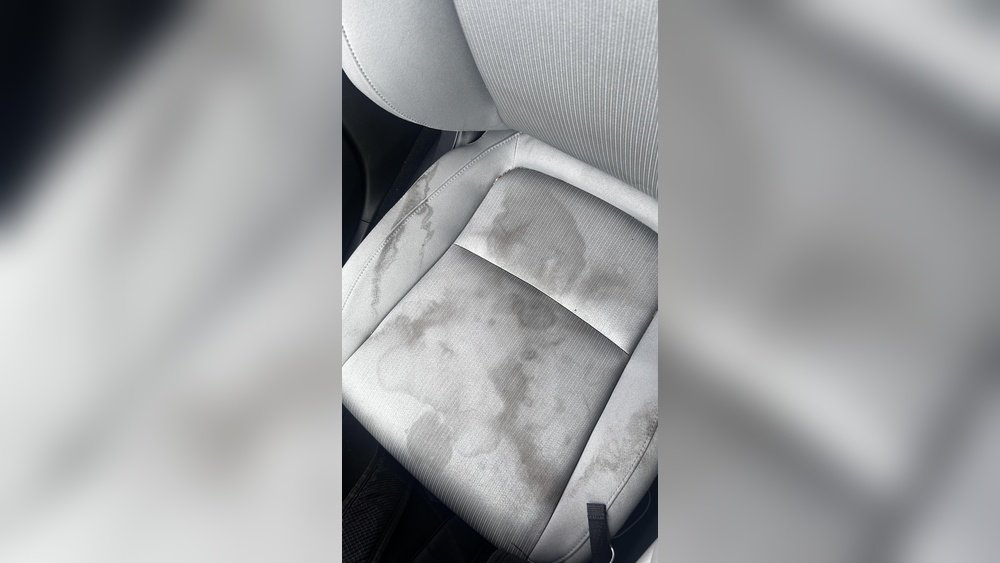
Are your car seats looking tired, stained, or just plain dirty? You spend a lot of time in your car, so keeping your seats clean isn’t just about looks—it’s about comfort and even your health.
But cleaning them can feel tricky or overwhelming if you don’t know where to start. Don’t worry, you’re in the right place. In this guide, you’ll discover simple, effective ways to clean your car seats yourself. By the end, your seats will look fresh and inviting, and you’ll feel proud every time you get in your car.
Ready to bring your seats back to life? Let’s dive in!
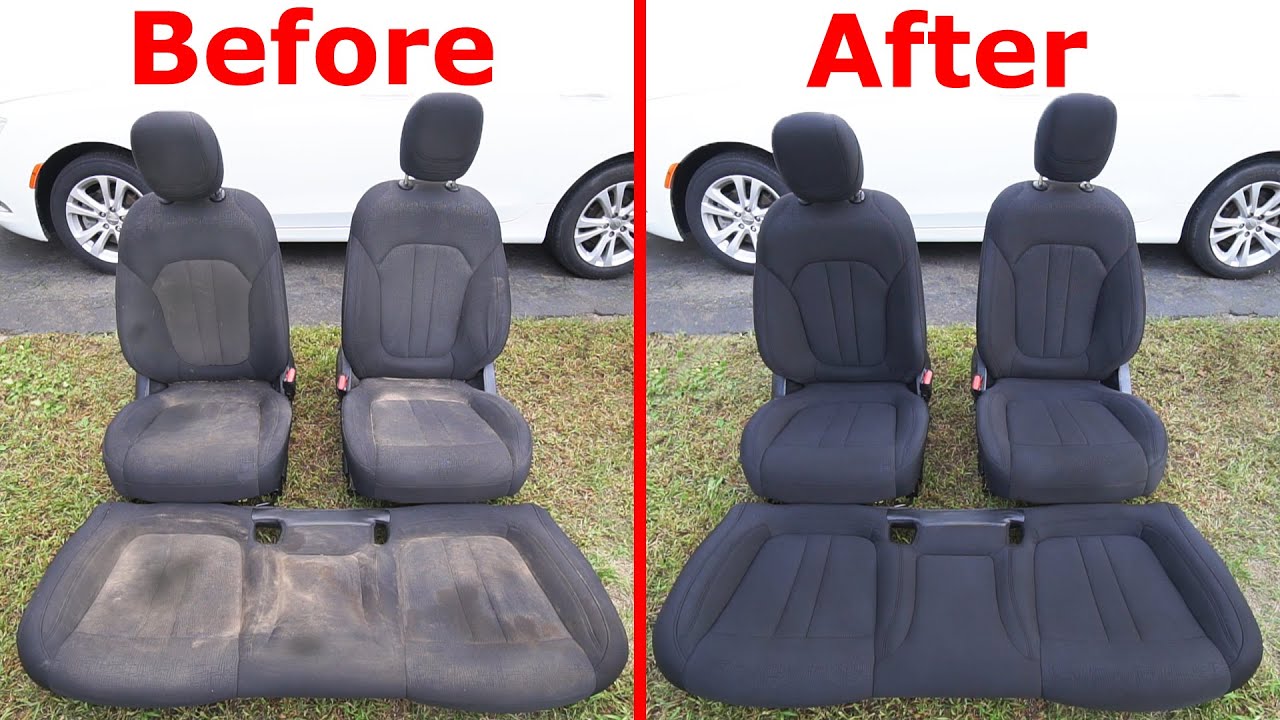
Credit: www.youtube.com
Choosing The Right Cleaner
Choosing the right cleaner for your car seats is important for good results. Each type of seat material needs a different cleaning approach. The wrong cleaner can damage the fabric or leather. Knowing what cleaner suits your seat keeps it fresh and safe.
Consider the seat material first. Cloth, leather, vinyl, and suede all react differently to cleaners. Test any cleaner on a small hidden spot. Watch for color changes or damage before full use.
Types Of Upholstery Cleaners
Upholstery cleaners come in many forms. Foam, spray, wipes, and liquids are common types. Foam works well on cloth seats by lifting dirt gently. Sprays are easy to apply and reach tight spots. Wipes offer convenience for quick touch-ups. Liquids usually need a cloth or brush to work.
Each type targets specific stains and fabrics. Some cleaners remove oil or grease better. Others focus on dust or food spills. Choosing the right form helps clean deeper without harm.
Diy Cleaning Solutions
Homemade cleaners can be safe and cost-effective. Mix water with mild soap or vinegar for cloth seats. Baking soda helps remove odors and light stains. Use a soft brush to scrub gently. Avoid soaking leather with water. Test solutions on small areas first.
DIY cleaners use simple ingredients. They avoid harsh chemicals that can damage seats. These solutions work best for regular maintenance and light dirt.
Commercial Products
Commercial seat cleaners target specific materials and stains. Leather cleaners keep seats soft and prevent cracking. Fabric cleaners remove tough stains and brighten colors. Many products include protectants to keep seats cleaner longer.
Choose products labeled for your seat type. Follow instructions carefully for best results. Commercial cleaners offer stronger solutions for heavy dirt and spills.
Credit: csftl.org
Preparing Your Car Seats
Preparing your car seats is the first step before deep cleaning. It makes the cleaning process easier and more effective. Taking time to prepare helps remove dirt and protects your car’s interior. Follow simple steps to get your seats ready.
Removing Loose Dirt And Debris
Start by shaking off any loose dirt or crumbs. Use your hands or a soft brush to sweep away debris. This prevents dirt from spreading during cleaning. Focus on seat seams and corners where dirt hides.
Vacuuming Techniques
Use a vacuum cleaner with a brush attachment. Move slowly to catch all dust and dirt. Vacuum seat surfaces, crevices, and under the seats. Repeat if needed for thorough cleaning. This step removes small particles that can damage fabric or leather.
Protecting Surrounding Areas
Cover nearby parts like the dashboard and floor mats. Use plastic sheets or old towels to catch spills. Protecting these areas keeps your car clean and safe. Prevents stains and water damage during the seat cleaning process.
Cleaning Fabric Seats
Fabric seats add comfort to your car but need regular cleaning. Dirt and spills can make them look old fast. Keeping fabric seats clean improves car smell and appearance. Simple steps help keep your seats fresh and stain-free. Below are easy ways to clean fabric seats properly.
Spot Cleaning Stains
Act quickly on spills to stop stains from setting. Blot the area gently with a clean cloth. Avoid rubbing; it spreads the stain. Use a mild fabric cleaner or mix water with a small amount of dish soap. Apply the cleaner with a soft brush or cloth. Work from the outside of the stain inward. Rinse with a damp cloth to remove soap. Let the seat air dry before using the car again.
Deep Cleaning Methods
For a full seat clean, vacuum first to remove loose dirt. Use a fabric upholstery cleaner or make a solution with water and vinegar. Spray lightly and scrub gently with a soft brush. Avoid soaking the fabric. Use a wet cloth to wipe away dirt and cleaner. Repeat if needed for tough stains. Deep cleaning helps remove odors and refreshes the fabric.
Drying Tips
Dry seats quickly to prevent mold and mildew. Open car doors or windows for airflow. Use a fan or park in a sunny spot if possible. Avoid using heat directly on fabric to stop damage. Check that seats are fully dry before driving. Proper drying keeps seats clean and safe.

Credit: www.reddit.com
Cleaning Leather Seats
Leather seats add style and comfort to your car. They need special care to keep their look and feel. Cleaning leather seats is not the same as cleaning cloth seats. It requires gentle products and careful steps.
Proper cleaning removes dirt and oils without harming the leather. It also helps avoid cracks and fading. Follow these simple tips to care for your leather seats well.
Using Leather-safe Cleaners
Choose a cleaner made for leather only. Regular soaps or detergents can dry out the material. Spray the cleaner on a soft cloth, not directly on the seat. Gently wipe the surface in small circles. Avoid soaking the leather. Remove dirt and stains carefully. Let the seats dry naturally before moving to the next step.
Conditioning Leather
Leather can dry and crack over time. Use a leather conditioner to keep it soft and smooth. Apply a small amount on a clean cloth. Rub it evenly over the seats. Conditioning protects the leather and restores moisture. Do this every few months for best results. It keeps your seats looking new longer.
Avoiding Damage
Never use harsh chemicals or abrasive tools on leather. Avoid bleach, ammonia, or alcohol-based cleaners. Do not scrub hard or use rough brushes. Keep sharp objects away from the seats. Protect them from direct sunlight as much as possible. Heat and UV rays fade and dry the leather fast. Use sunshades or park in the shade to help.
Handling Tough Stains
Tough stains on car seats can ruin the look of your interior. These stains need special care and attention. Handling them quickly helps keep your seats clean and fresh. Below are simple steps to tackle common tough stains effectively.
Removing Ink And Dye
Ink and dye stains are tricky. Dab the spot gently with a cloth soaked in rubbing alcohol. Do not rub hard to avoid spreading the stain. Use a clean cloth to lift the ink. Repeat the process until the stain fades. Finish by wiping the area with a damp cloth to remove alcohol.
Dealing With Food And Drink Spills
Blot spills immediately using a dry cloth or paper towel. Avoid rubbing, which pushes stains deeper. Mix mild soap with warm water. Use a soft brush or cloth to clean the area gently. Rinse with a damp cloth. Let the seat air dry to prevent mold or mildew.
Eliminating Odors
Odors often linger after stains. Sprinkle baking soda on the seat surface. Let it sit for several hours or overnight. Vacuum the baking soda thoroughly. For strong smells, use a fabric-safe odor remover spray. Air out your car by opening doors or windows to freshen the seats.
Maintaining Spotless Seats
Keeping your car seats spotless makes your ride more comfortable and inviting. Clean seats also help keep your car fresh and protect the material from damage. Simple habits and quick actions keep seats looking good for a long time.
Regular care stops dirt and stains from settling deep. Taking small steps daily saves time and effort later. Let’s explore easy ways to maintain seat cleanliness.
Regular Cleaning Schedule
Set a weekly time to clean your car seats. Use a vacuum to remove dust and crumbs. Wipe seats with a damp cloth to clear light dirt. For fabric seats, use a mild cleaner and brush gently. Leather seats need a special cleaner and conditioner. Consistency keeps dirt from building up and causing stains.
Protective Treatments
Apply seat protectors or covers to reduce wear and tear. Use fabric or leather protectants to repel spills and stains. These treatments create a shield against dirt and moisture. Reapply treatments every few months to keep protection strong. Protecting seats makes cleaning easier and extends their life.
Quick Fixes On The Go
Carry small cleaning tools in your car. Keep wet wipes or microfiber cloths for spills and stains. Blot spills immediately to prevent stains from setting. Use a handheld vacuum for quick crumb removal. Quick action stops small messes from becoming big problems. Staying prepared saves time and keeps seats spotless.
Frequently Asked Questions
How Do I Clean Leather Car Seats Effectively?
Use a leather cleaner and soft cloth to wipe the seats. Avoid harsh chemicals. Condition the leather afterward to keep it supple and prevent cracking. Regular cleaning preserves the material and appearance.
What Is The Best Method For Cleaning Fabric Car Seats?
Vacuum the seats thoroughly to remove dirt. Use a fabric cleaner or mild soap with water. Scrub gently with a soft brush. Blot excess moisture and air dry completely to prevent mold or odors.
Can I Use Household Cleaners On My Car Seats?
Avoid using household cleaners as they may damage seat material. Use products specifically designed for car interiors. Always test a small area first. Proper cleaners ensure safety and effectiveness without harming fabric or leather.
How Often Should I Clean My Car Seats?
Clean your seats every 1 to 3 months, depending on usage. Frequent cleaning prevents stains and buildup. Regular maintenance keeps your car interior fresh and extends seat lifespan.
Conclusion
Keeping your car seats clean protects them and improves your ride. Regular cleaning removes dirt and stops stains from setting. Use gentle cleaners and soft brushes for the best results. Dry seats well to avoid mold and odors. Small efforts can make your car look fresh and feel comfortable.
Start cleaning today and enjoy a nicer, cleaner car interior. Simple steps lead to big improvements.
