
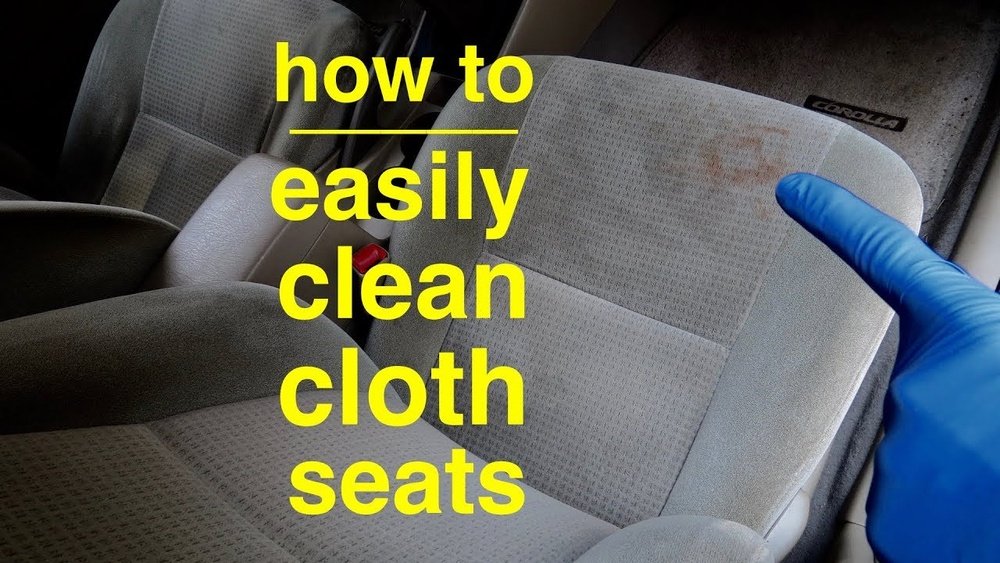
Your car seats take a lot of wear and tear every day. If you have cloth seats, you know how tricky it can be to keep them looking fresh and clean.
Stains, dirt, and spills can make your seats look old and worn out fast. But don’t worry—you don’t need expensive products or professional help to bring them back to life. In this guide, you’ll discover simple, effective ways to clean your cloth car seats yourself.
Keep reading, and you’ll learn easy tips that save you time and money, while making your car feel like new again.
Preparing For Cleaning
Preparing to clean cloth car seats helps the process go smoothly. This step avoids damage and improves results. A little planning saves time and effort.
Start by gathering all needed supplies. Clean seats need tools and cleaning products ready. Next, vacuum the seats to remove dirt and dust. This makes cleaning easier and more effective. Finally, check the fabric care labels. These labels show the best cleaning methods for your seats.
Gathering Supplies
Collect items like a vacuum cleaner, soft brushes, and clean cloths. Use mild detergent or upholstery cleaner made for cloth seats. Have a spray bottle with water ready. Avoid harsh chemicals that can harm the fabric. Preparing all supplies in one place helps you clean faster.
Vacuuming The Seats
Use a vacuum with a soft brush attachment. Remove loose dirt, crumbs, and dust from all seat areas. Pay attention to seams and crevices. Vacuuming stops dirt from spreading when you clean. It also helps you see stains better.
Checking Fabric Care Labels
Look for care tags under the seats or on the sides. Labels use letters to show cleaning rules, like “W” for water-based cleaners. Follow these instructions closely to avoid damage. Some fabrics need special cleaners or dry cleaning only. Knowing this keeps your seats safe and clean.
Credit: www.mazdaofsouthcharlotte.com
Removing Surface Stains
Removing surface stains from cloth car seats is important to keep them looking fresh. Acting quickly helps stop stains from setting deep. Simple steps can make a big difference in cleaning effectively without damage.
Blotting Fresh Spills
Blot the spill gently with a clean cloth. Do not rub the stain. Rubbing spreads the stain and can damage fabric. Use light pressure and absorb as much liquid as possible. Change the cloth often to avoid spreading.
Using Mild Detergents
Mix a small amount of mild detergent with warm water. Test the solution on a hidden seat area first. Use a soft brush or cloth to apply the detergent. Work gently on the stained area in small circles. Rinse the cloth and blot the area to remove soap.
Avoiding Excessive Water
Too much water can soak the seat and cause mold. Use water sparingly and only as needed. After cleaning, dry the seat quickly with a dry cloth. Keep the car windows open for faster drying. Avoid using steam cleaners on cloth seats.
Deep Cleaning Techniques
Deep cleaning cloth car seats removes dirt trapped in the fabric. It helps keep seats fresh and extends their life. Using the right tools and methods makes cleaning effective and safe.
Applying Upholstery Cleaner
Choose a cleaner made for cloth seats. Spray it evenly over the seat surface. Let it sit for a few minutes. This loosens dirt and stains. Avoid soaking the fabric to prevent damage.
Scrubbing With Soft Brushes
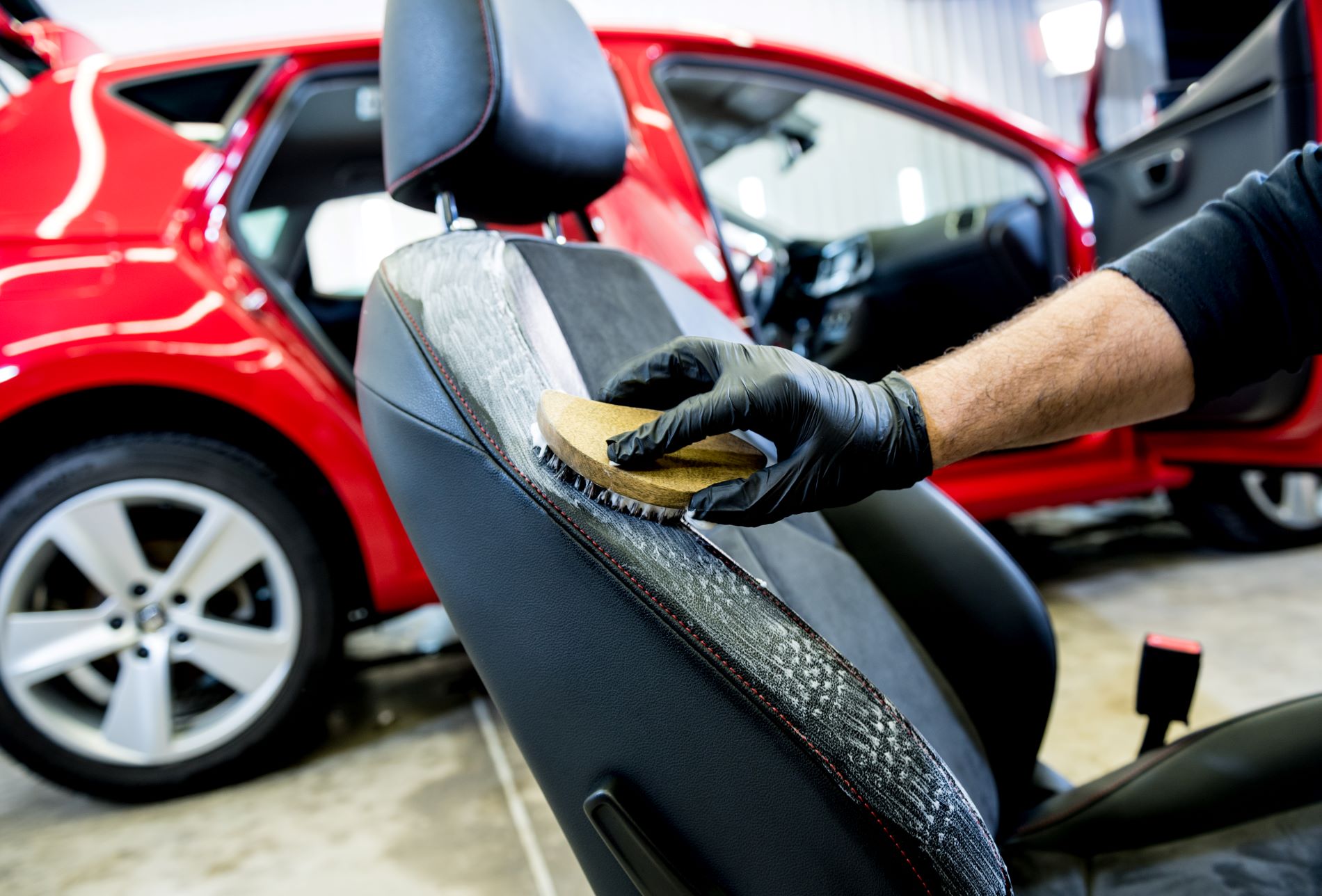
Use a soft-bristle brush to work the cleaner into the fabric. Brush gently in circular motions. This lifts dirt from deep inside the cloth. Focus on stained or heavily used areas. Wipe away loosened dirt with a clean cloth.
Using Steam Cleaners
Steam cleaning uses hot vapor to kill germs and lift dirt. Move the steam cleaner slowly over the seats. Avoid staying too long in one spot. This prevents fabric damage. Let seats dry fully before use to avoid mold.
Credit: www.youtube.com
Drying And Maintaining Seats
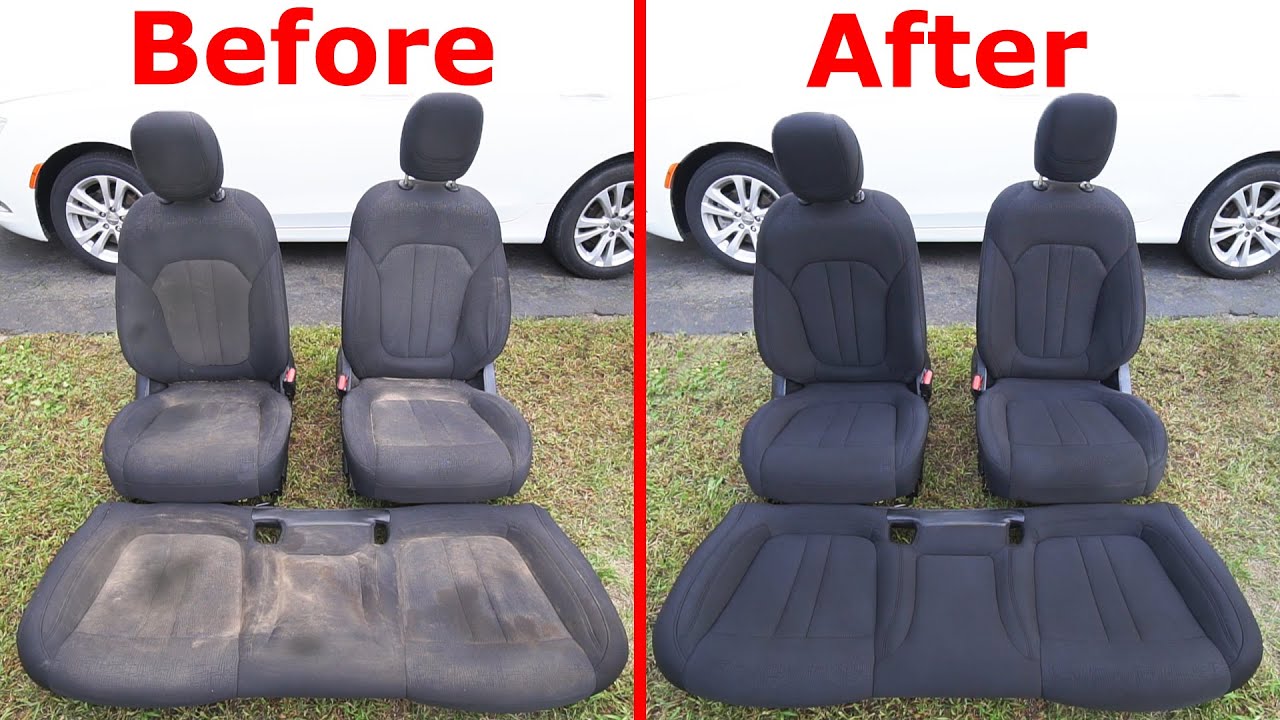
Drying and maintaining cloth car seats is key to keeping them fresh and durable. Proper drying stops moisture from harming the fabric. Maintenance helps avoid stains and smells. Clean seats make every drive more pleasant.
Air Drying Tips
Open your car doors or windows to let air flow. Avoid direct sunlight to prevent fabric fading. Use a fan inside the car to speed up drying. Make sure seats feel dry before closing the car. Patience helps stop mold and mildew growth.
Preventing Mold And Odors
Keep the car dry to stop mold from growing. Use a fabric protector spray that blocks moisture. Remove wet items quickly from the car. Sprinkle baking soda on seats to absorb smells. Vacuum the baking soda after a few hours.
Regular Maintenance Habits
Clean spills immediately to avoid stains. Vacuum seats weekly to remove dust and dirt. Use a gentle fabric cleaner once a month. Avoid eating in the car to keep seats clean. Regular care keeps cloth seats looking new longer.
Handling Tough Stains
Cloth car seats can get dirty easily, especially with tough stains. These stains need special care to avoid damage. Using the right method helps keep your seats clean and fresh. Here are ways to handle common tough stains on cloth seats.
Dealing With Oil And Grease
Oil and grease stains are sticky and dark. First, blot the stain with a dry cloth. Do not rub, as this spreads the oil. Sprinkle baking soda or cornstarch on the stain. Let it sit for 15 minutes to absorb the grease. Vacuum the powder off carefully. Next, use a mild dish soap mixed with warm water. Dip a clean cloth into the solution and gently scrub the stain. Rinse with a damp cloth and let it dry naturally.
Removing Ink And Dye Marks
Ink stains can be tricky on cloth seats. Start by dabbing the stain with rubbing alcohol on a cotton ball. Do this gently to lift the ink without spreading it. Blot from the outside toward the center. After the ink fades, clean the area with mild soap and water. Use a clean towel to blot dry. Repeat if needed, but avoid soaking the fabric to prevent damage.
Treating Pet Stains
Pet stains often leave odors and discoloration. Blot fresh stains immediately with paper towels. Avoid rubbing, which pushes the stain deeper. Mix equal parts white vinegar and water in a spray bottle. Spray the stain lightly and let it sit for 10 minutes. Blot again with a clean cloth. For strong odors, sprinkle baking soda on the dry stain. Let it sit overnight, then vacuum thoroughly. This method helps remove both stain and smell.
:max_bytes(150000):strip_icc()/how-to-clean-cloth-car-seats-4693504-01-B-550a4fe9d4a340b2b13b276ac06af6c8.jpg)
Credit: www.thespruce.com
Frequently Asked Questions
How Often Should I Clean Cloth Car Seats?
Clean cloth car seats every 3 to 6 months. Frequent cleaning prevents stains and odors. Regular maintenance keeps seats fresh and prolongs fabric life.
What Household Items Clean Cloth Car Seats Effectively?
Use mild soap, warm water, and a soft brush. White vinegar and baking soda also remove stains. Avoid harsh chemicals to protect fabric quality.
Can I Use A Vacuum On Cloth Car Seats?
Yes, vacuuming removes dirt and debris from cloth seats. Use a brush attachment to avoid damaging fabric. Regular vacuuming improves seat cleanliness and appearance.
How Do I Remove Tough Stains From Cloth Car Seats?
Blot stains immediately with a clean cloth. Apply a fabric cleaner or vinegar solution, then gently scrub. Rinse with water and let air dry to avoid mildew.
Conclusion
Cleaning cloth car seats keeps your car fresh and neat. Use gentle cleaners and soft brushes for best results. Act quickly on stains to stop them from setting. Regular care helps your seats last longer and look good. A clean car seat feels nice and keeps you comfortable.
Try these simple steps to maintain your car’s interior. Your car will thank you with a cleaner, brighter look every day.
