
You want to keep your child safe, and that means knowing when it’s time to say goodbye to an expired car seat. But what do you do once your car seat has passed its expiration date?
Simply tossing it in the trash isn’t always the best choice—for your child’s safety and the environment. You’ll discover easy and responsible ways to dispose of your expired car seat. Keep reading to learn how you can protect your family and the planet with just a few simple steps.

Credit: toledoparent.com
Why Car Seats Expire
Car seats do not last forever. They have a set time limit for safe use. This is because materials wear down and safety rules change. Knowing why car seats expire helps protect your child.
Safety Risks Of Old Car Seats
Plastic parts can weaken over time. Straps and buckles may become less reliable. Older seats might not protect as well in crashes. Cracks or damage can be hidden inside the seat. Using an old car seat can put a child at risk.
Manufacturer Expiration Guidelines
Car seat makers set expiration dates. These dates show when the seat is no longer safe. Usually, seats expire after 6 to 10 years. The date is on a sticker or molded into the seat. Following these guidelines keeps children safe on every ride.
Signs Your Car Seat Needs Disposal
Knowing when to dispose of a car seat is important for safety. Car seats protect children during travel. Old or damaged seats may not keep kids safe. Recognize signs that show a car seat needs to go.
Visible Damage And Wear
Check the car seat for cracks or breaks. Look closely at plastic parts and the frame. Worn straps or torn fabric are warning signs. Padding that is flat or missing reduces protection. Any damage can affect the seat’s safety.
Missing Parts Or Labels
Car seats must have all parts intact. Missing buckles, straps, or connectors are serious issues. Labels show important information like model and expiry date. Without these labels, you cannot verify the seat’s safety. Missing parts or labels mean the seat should be replaced.
Safe Disposal Methods
Disposing of expired car seats safely is very important. These seats contain materials that need special care. Proper disposal helps protect the environment and keeps people safe. This section explains how to dispose of car seats following safe methods.
Local Waste Management Rules
Check your local waste rules before throwing away a car seat. Many areas have specific guidelines for bulky items. Some places require car seats to go to special recycling centers. Others may ask you to remove metal parts before disposal. Follow the rules to avoid fines and help the environment.
Contact your city’s waste department for clear instructions. They can tell you where to drop off expired car seats. They may also offer special pick-up services. Knowing these rules makes disposal easier and safer.
Hazardous Material Considerations
Car seats contain materials that can be harmful if not handled right. Foam padding and plastic parts may release toxins if burned. Some car seats have metal components that need separate recycling. Avoid putting car seats in regular trash bins to prevent pollution.
Dispose of hazardous parts at approved facilities only. These centers handle materials safely and reduce environmental damage. Removing hazardous materials properly protects your family and community. Always follow disposal guidelines to keep everyone safe.
Eco-friendly Disposal Options
Expired car seats should not just go to the trash. They contain plastics, metals, and fabrics that can harm the environment. Choosing eco-friendly disposal options helps reduce waste and protects nature. It also supports recycling and reusing valuable materials.
Recycling Programs For Car Seats
Many communities offer recycling programs for car seats. These programs break down car seats into parts that can be reused. Metals, plastics, and foam are separated and processed properly. Some local waste centers accept car seats for recycling. Check with your city or recycling center for rules.
Specialized companies also handle car seat recycling. They make sure materials do not end up in landfills. Recycling car seats saves energy and reduces pollution. It gives old seats a second life as new products.
Donation And Repurposing Ideas
Some car seats can be donated if they are still safe to use. Charities or shelters may accept them for families in need. Make sure the car seat has not expired and meets safety standards. Clean the seat well before donating.
Old car seats can be repurposed creatively. Use parts of the seat for crafts or storage projects. Seat cushions can become pet beds or garden kneeling pads. Repurposing helps cut down on waste and sparks new uses for old items.
Preparing Car Seats For Disposal
Preparing a car seat for disposal is important for safety and environmental reasons. Proper steps make sure the seat cannot be reused by others. It also helps recycle parts correctly. Follow these clear steps to get your car seat ready.
Removing Padding And Straps
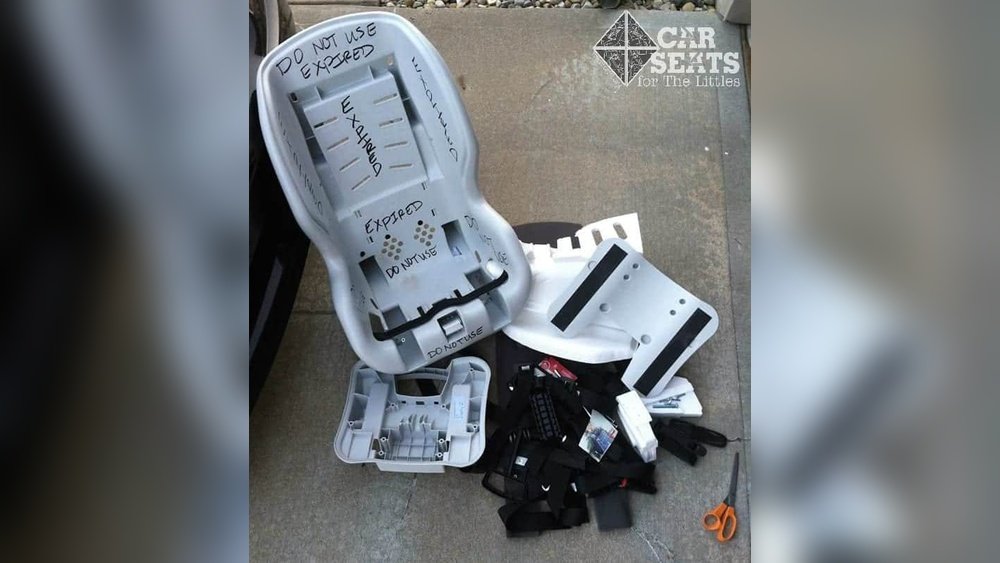
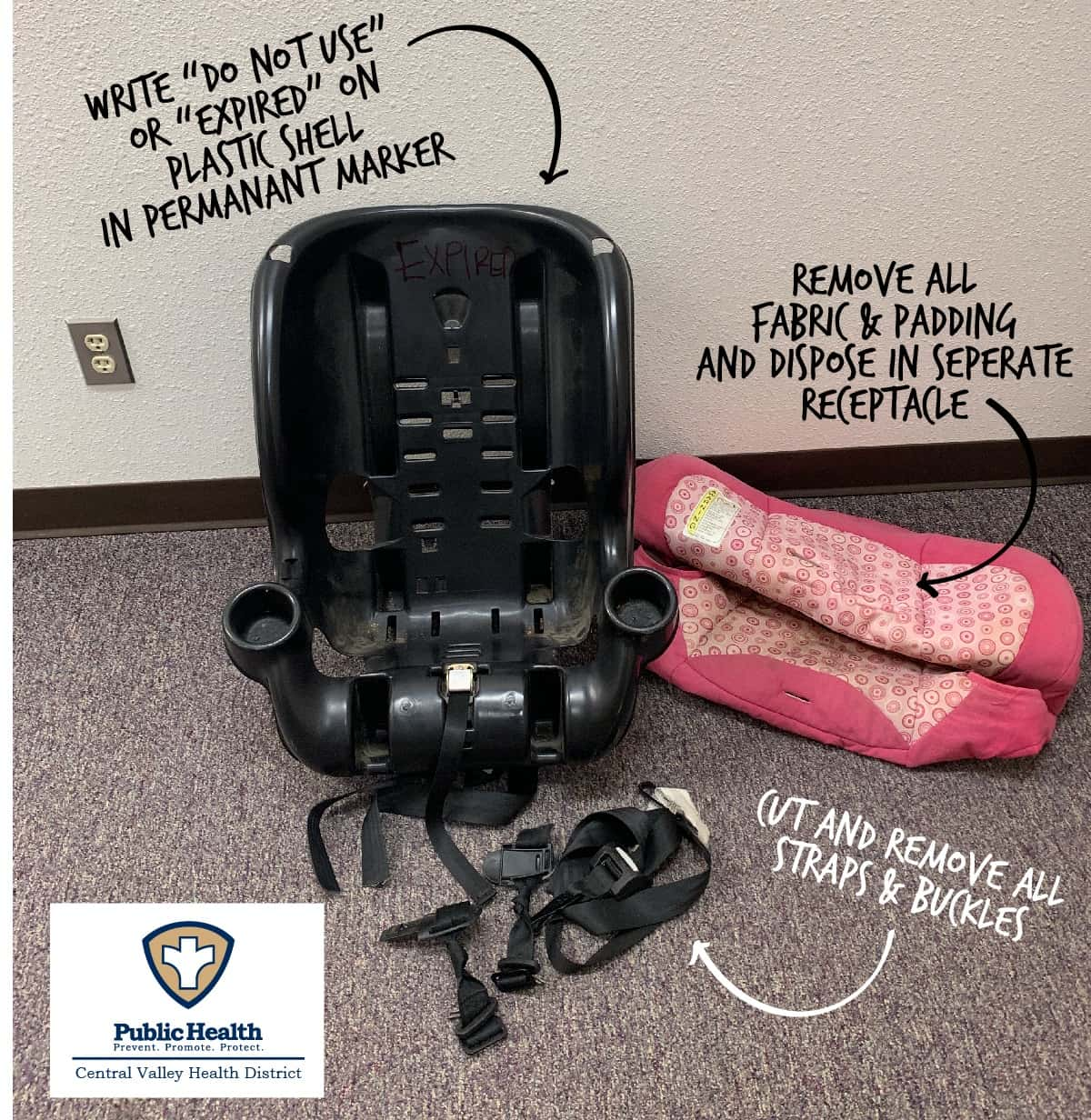
Start by taking off all padding from the seat. This includes foam, fabric covers, and cushions. Use scissors or a knife carefully to cut any attached pieces. Remove all straps next. These can be tricky, so check for buckles and clips holding them. Cutting straps makes the seat unusable for safety reasons. Keep your hands safe by wearing gloves.
Deactivating Buckles And Harnesses
Next, focus on the buckles and harnesses. These parts lock the child in place. Use strong scissors or a utility knife to cut through the buckles. Make sure to cut multiple parts of the buckle to prevent reuse. Destroy the harness webbing by cutting it in several places. This step stops anyone from using the seat again. It also prepares the seat for recycling where possible.
Credit: www.lfg-sc.com.br
Where To Find Disposal Resources
Finding the right place to dispose of expired car seats helps protect the environment. Car seats contain plastic, metal, and foam. These materials should not go to regular trash. Proper disposal reduces waste and keeps harmful chemicals out of landfills. Many communities offer special options for disposing of car seats safely.
Here are two good ways to find disposal resources near you.
Online Recycling Directories
Online recycling directories list places that accept car seats. These websites show recycling centers near your home. You can search by zip code or city. Some directories also explain how to prepare car seats for recycling. Checking these sites saves time and effort.
Popular directories include Earth911 and Call2Recycle. They update their listings often. Use them to find local programs that recycle car seats.
Community Collection Events
Many towns hold collection events for bulky or hazardous waste. These events accept expired car seats for safe disposal. Usually, they happen once or twice a year. They may be part of Earth Day or spring cleanup efforts.
Check your city or county website for event dates. Some events require you to register or bring proof of residence. Attending these events ensures your car seat will be recycled properly.

Credit: saferide4kids.com
Frequently Asked Questions
How Do I Know If My Car Seat Is Expired?
Check the car seat label for the manufacture date and expiration period. Most seats expire after 6 to 10 years. Always verify the manufacturer’s guidelines to ensure safety.
Can Expired Car Seats Be Recycled?
Some car seats can be recycled, but not all. Check local recycling programs for specific guidelines. Remove metal parts and fabric before recycling if required.
Where Can I Safely Dispose Of An Expired Car Seat?
Many communities offer hazardous waste or bulky item disposal events. Some retailers accept old car seats for recycling. Contact local waste management for proper disposal options.
Is It Safe To Donate Expired Car Seats?
No, expired car seats should never be donated. Safety standards change over time, and expired seats may not protect children properly in crashes.
Conclusion
Expired car seats need proper disposal for safety and the environment. Find local recycling centers or donation programs accepting old car seats. Never toss them in regular trash, as they can harm the environment. Remove all parts that can be reused or recycled first.
Check for specific rules in your area to follow the law. Taking these steps helps keep your family and community safe. Dispose of your expired car seat responsibly and protect the planet. Simple actions make a big difference.
