
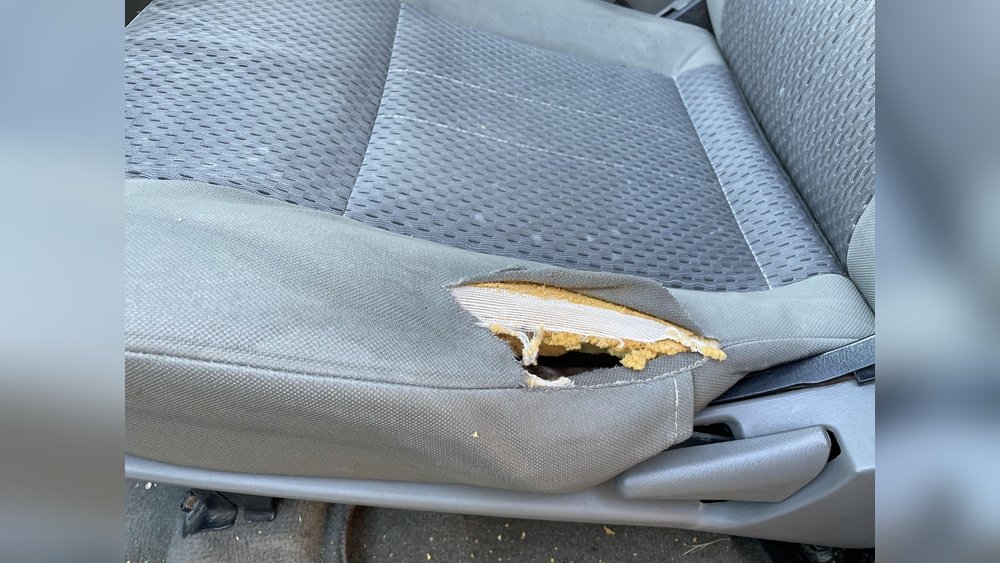
Your car seat is ripped, and you’ve been putting off fixing it because it feels like a big job. But what if you could repair that tear quickly and easily?
Imagine driving with your seat looking as good as new, without spending a fortune on replacements. In this guide, you’ll discover simple, effective ways to fix your ripped car seat yourself. Whether the damage is small or more noticeable, these tips will help you restore comfort and style to your ride.
Keep reading—you’re just a few steps away from giving your car seat a fresh, clean look.

Credit: www.youtube.com
Tools And Materials Needed
Fixing a ripped car seat needs the right tools and materials. Having these ready saves time and effort. It also helps you get a clean, strong repair. This section lists what you need for a good job.
Essential Repair Tools
Start with basic tools like scissors and needles. Heavy-duty scissors cut thick fabric or leather well. A strong needle works best for hand stitching. You may also need a seam ripper to remove old stitches. A ruler or measuring tape helps to size patches accurately. Small pliers can pull thread tight. A pair of tweezers can remove loose threads or debris. Finally, prepare a clean cloth to wipe the seat before repairing.
Choosing The Right Patch Material
Select patch material that matches your car seat. Vinyl and leather patches suit most car seats. Fabric patches work for cloth seats. Pick a patch slightly larger than the tear. Thicker patches offer more durability. Choose a color close to your seat for a neat look. Some patches come with adhesive backing for easy use. Avoid thin or weak materials that wear out fast.
Adhesives And Fillers
Strong adhesives hold patches firmly on the seat. Use fabric glue or vinyl adhesive for best results. These glues dry clear and stay flexible. Avoid regular glue, which can crack or peel. For larger tears, apply a filler inside the rip first. Foam fillers or fabric backing patches add support. Let adhesives and fillers dry fully before use. This ensures a durable and smooth repair.
Assessing The Damage
Before fixing a ripped car seat, check the damage carefully. This step helps you choose the best repair method. Look closely at the tear, the seat material, and think about how to fix it. Taking time now saves effort later.
Identifying Tear Size And Type
First, look at the size of the tear. Small rips under two inches are easier to fix. Large tears may need stronger repairs.
Next, check the tear type. Is it a straight cut or a jagged rip? Straight cuts are simpler to sew. Jagged tears may need patching for support.
Checking Seat Material
Feel the seat fabric. Is it leather, vinyl, or cloth? Each material needs a different repair approach.
Leather and vinyl tears often require special glue or patches. Cloth seats can be sewn or patched easily.
Deciding Between Patch And Stitch
Think about repair options. Small tears with clean edges can be stitched.
For big or jagged tears, patches work better. They cover the hole and add strength.
Choose the method that fits the tear size and seat material best.
Preparing The Seat
Preparing the seat is the first step to fix a ripped car seat. It makes the repair easier and lasts longer. Clean, smooth areas help glue or stitches hold better. Take your time to get the seat ready.
Cleaning The Damaged Area
Start by removing dirt and dust from the rip. Use a soft cloth and mild soap with water. Gently wipe the area to avoid making the rip worse. Let it dry completely before moving to the next step.
Removing Loose Threads
Look closely at the edges of the rip. Cut off any loose threads with small scissors. This stops the threads from getting caught while fixing. Clean edges help the repair look neat and strong.
Protecting Surrounding Upholstery
Cover the area around the rip with tape or paper. This stops glue or tools from touching clean fabric. It keeps the seat looking good after the repair. Be careful to protect all parts near the rip.
Applying A Patch
Applying a patch is a smart way to fix a ripped car seat fast. It covers the tear and stops it from getting bigger. This method saves money and keeps your seat looking neat. Follow clear steps to make the patch last long and look good.
Cutting The Patch To Size
Choose a patch material that matches your seat fabric. Use scissors to cut the patch slightly larger than the rip. Leave about half an inch extra on all sides. This extra space helps the patch stick well and cover the tear completely. Cut smoothly to avoid rough edges.
Attaching The Patch Securely
Clean the ripped area before applying the patch. Use fabric glue or a strong adhesive made for car seats. Place the patch over the tear and press firmly. Hold the patch in place until the glue sets. For extra strength, sew around the edges using a needle and thread.
Blending The Patch With Seat Material
Match the patch color with your seat fabric for a natural look. Use fabric paint or markers if needed to blend colors. Smooth the patch edges with a soft brush or cloth. This helps the patch look like part of the seat. Check that the patch feels soft and flexible.
Stitching The Tear
Stitching the tear is a key step in fixing a ripped car seat. It restores strength and stops the rip from growing. You can sew the tear by hand or with a machine. Both methods need care and the right tools. Picking the correct thread is the first task. It helps make the repair last long and look neat.
Selecting The Right Thread
Choose thread that matches your car seat fabric. Nylon or polyester thread is strong and works well. Pick a color close to the seat’s color. This helps the stitch blend in. Avoid cotton thread; it breaks easily. Thick thread is better for big tears. Thin thread suits small or delicate rips.
Hand Sewing Techniques
Hand sewing suits small or tight spots. Use a strong needle and the right thread. Start by threading the needle and knotting the end. Sew small, even stitches along the tear edges. Pull the thread tight but not too much. Use a backstitch for extra strength. Knot the end securely to finish.
Using A Sewing Machine
A sewing machine works best for bigger tears. Use a heavy-duty needle for thick fabric. Set the machine to a straight stitch. Sew slowly along the tear edges. Keep the fabric flat to avoid wrinkles. Backstitch at the start and end to secure. Trim extra thread for a clean look.

Credit: www.youtube.com
Using Adhesive Repair Kits
Using adhesive repair kits offers a simple way to fix ripped car seats. These kits contain everything needed to repair tears quickly. They work well for small to medium rips and avoid costly replacements. This method saves time and money while restoring your seat’s look. Follow clear steps to get smooth, lasting results.
Types Of Repair Kits
Repair kits come in different types for various seat materials. Fabric kits include patches and glue suited for cloth seats. Leather kits have special adhesives and color compounds. Vinyl kits use flexible glue and matching fillers. Choose a kit that fits your seat’s material for best repair quality.
Step-by-step Application
Start by cleaning the ripped area with mild soap and water. Let the seat dry completely before applying the kit. Cut the patch slightly larger than the tear. Apply adhesive to both the patch and seat edges. Press the patch firmly over the rip and hold it in place. Smooth out any air bubbles or wrinkles carefully.
Drying And Finishing Touches
Allow the adhesive to dry as per the kit’s instructions. Avoid touching or using the seat during this time. After drying, trim excess patch edges if needed. Some kits include color compounds to blend the repair with the seat. Apply these carefully for a neat, natural finish. Your seat looks refreshed and the rip stays sealed.
Tips For Long-lasting Repairs
Fixing a ripped car seat is just the start. Keeping the repair strong over time matters most. Follow simple tips to help your repair last longer. Small actions can protect your work and stop new damage.
Regular Maintenance
Clean your seats regularly to avoid dirt buildup. Use gentle cleaners safe for your seat’s material. Avoid harsh chemicals that weaken fabric or leather. Check for small tears early. Fix them before they grow bigger. Keep your repair area dry to prevent mold or mildew. Maintain your car’s interior to reduce wear on seats.
Avoiding Future Damage
Be careful when loading sharp objects in your car. Use seat covers to protect against spills and scratches. Avoid eating or drinking in the car to prevent stains. Try not to wear clothing that can snag easily. Teach passengers to treat seats gently. Keep pets in carriers or use pet seat covers. These steps stop new tears and keep seats looking good.
When To Seek Professional Help
Some damage needs expert repair. Large tears or damaged padding require a professional touch. If the repair looks weak or starts to fail, consult a specialist. Professionals have the right tools and materials. They ensure repairs are strong and last long. Don’t wait too long to get help. Early professional care can save your seat from more damage.

Credit: www.reddit.com
Frequently Asked Questions
How Can I Repair A Ripped Car Seat At Home?
You can repair a ripped car seat using a patch kit or upholstery glue. Clean the area, apply adhesive, and press the patch firmly. For larger tears, sewing or professional help may be needed to ensure durability and a neat finish.
What Materials Do I Need To Fix A Car Seat Tear?
Essential materials include upholstery glue, fabric or leather patches, a needle, and strong thread. Scissors and a cleaning cloth are also helpful. Choose materials matching your seat’s fabric for the best repair results and a seamless look.
Is It Better To Sew Or Use Glue For Seat Repairs?
Sewing offers a stronger, longer-lasting fix for tears, especially large ones. Glue works well for small rips or quick fixes. Consider the tear size and material type before choosing the repair method to maintain seat durability and appearance.
How Much Does Professional Car Seat Repair Usually Cost?
Professional car seat repair typically costs between $50 and $200. The price depends on the tear size, seat material, and repair complexity. Getting a quote beforehand helps you decide if DIY or professional service is best for your budget.
Conclusion
Fixing a ripped car seat can save money and extend its life. Small tears need quick attention to stop them from growing. Use simple tools and materials you already have at home. Take your time and follow easy steps carefully.
A neat repair keeps your car looking fresh and clean. Regular care helps prevent future damage. Try it yourself and enjoy a comfortable ride again. Simple fixes make a big difference.
